
Are you standing in your garden, staring at the overgrown bushes and wondering whether to reach for your shears or loppers? You’re not alone.
Many gardening enthusiasts find themselves puzzled by these two essential tools. While both are designed to keep your garden looking tidy and healthy, they serve different purposes. Understanding the key differences between shears and loppers can transform your gardening experience, making it more efficient and enjoyable.
This knowledge not only saves you time and effort but also ensures your plants receive the best care possible. Stick around as we delve into the specifics, helping you make the right choice every time you reach for a tool. Your garden will thank you!
Credit: vinkagardentools.com
Shears Basics
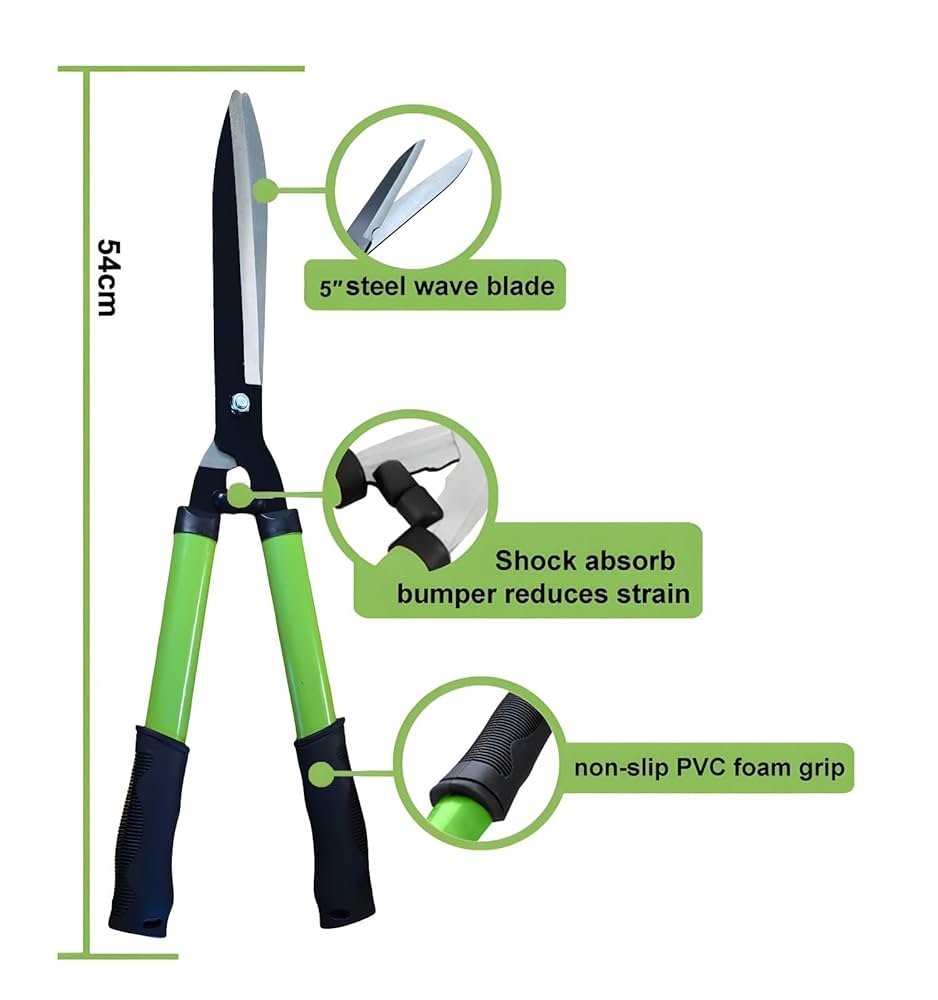
Shears are hand tools used for cutting plants and small branches. They look like large scissors with long handles.
People use shears to trim hedges and shape bushes. They help keep gardens neat and tidy.
Design And Structure
Shears have two sharp blades that slide past each other. The handles are usually long for more reach and leverage.
They have a simple design with a pivot in the middle. The blades are often curved to cut cleanly.
Common Uses
Shears are mainly used for trimming hedges and bushes. They work well on thin branches and soft stems.
Gardeners use shears to shape plants and remove dead leaves. They are good for detailed trimming jobs.
Material Types
Shears usually have steel blades for sharp cutting. The handles can be metal or strong plastic.
- Steel blades resist rust and stay sharp
- Aluminum handles are light and easy to use
- Plastic handles offer comfort and grip
Loppers Basics
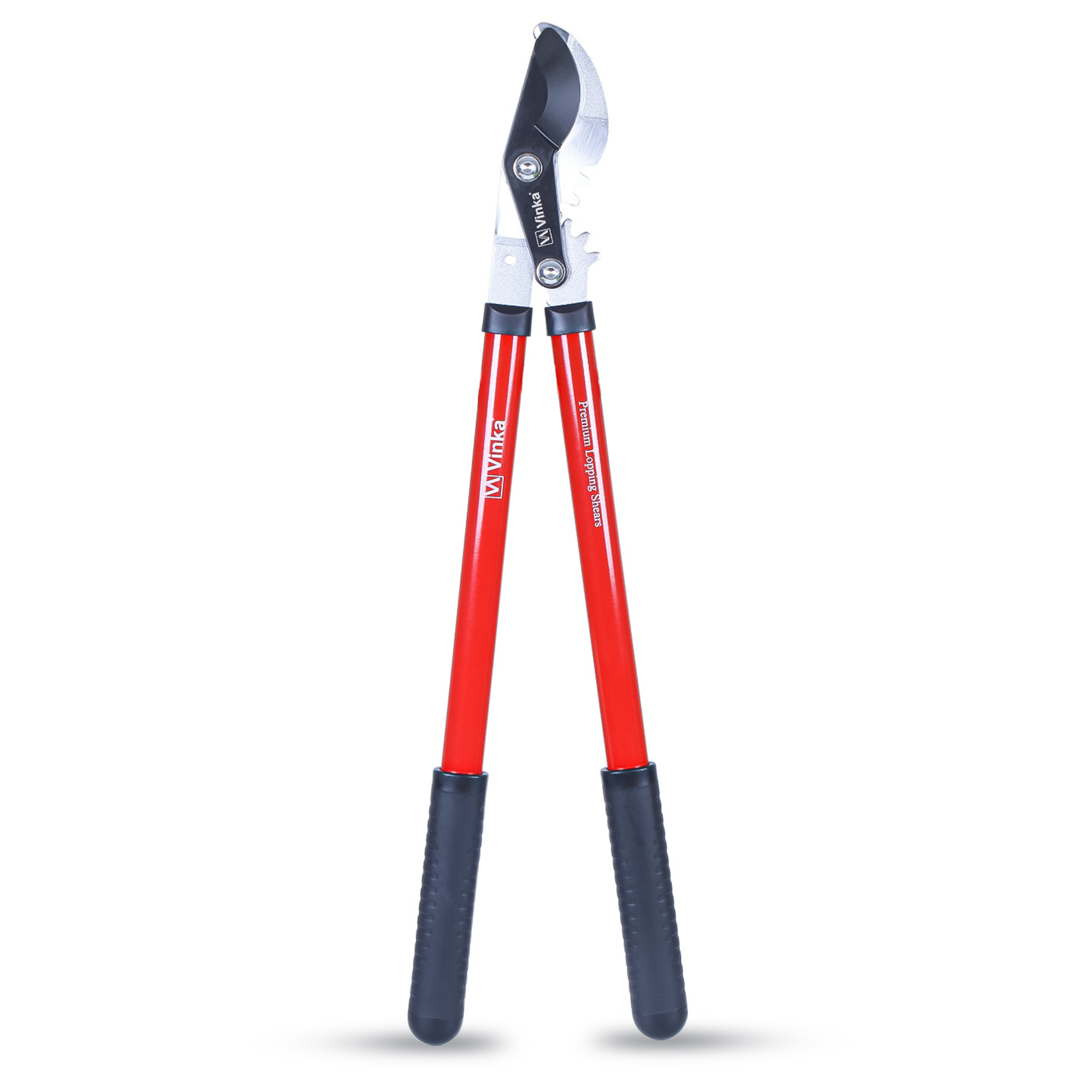
Loppers are hand tools used for cutting branches and stems. They help gardeners trim thick plants easily.
They are similar to shears but have longer handles. This gives more power to cut bigger branches.
Design And Structure
Loppers have two long handles made from metal or wood. The handles allow for strong leverage during cutting.
The cutting head has two blades. One blade is sharp and cuts, while the other holds the branch steady.
- Long handles for extra power
- Two blades for clean cuts
- Locking mechanism for safety
Common Uses
Loppers are used for pruning small trees and shrubs. They cut branches that are too thick for regular shears.
They work well on branches up to two inches thick. Gardeners use loppers to shape plants and remove dead wood.
- Pruning tree branches
- Trimming shrubs and bushes
- Cutting thick stems
Material Types
Loppers are made from strong materials to handle tough cuts. The blades are usually steel for sharpness and durability.
Handles can be made from wood, aluminum, or fiberglass. Each material offers a balance of weight and strength.
- Steel blades for sharp and lasting edges
- Wood handles for a classic feel
- Aluminum handles for lightweight use
- Fiberglass handles for strength and comfort
Cutting Capacity
Shears and loppers are tools used for cutting plants and branches. They differ mainly in the size and thickness of what they can cut. Understanding their cutting capacity helps you choose the right tool for your task.
This guide explains the cutting limits of shears and loppers. You will see how each tool is best suited for different cutting jobs.
Shears Cutting Limits
Shears are designed for cutting thinner stems and small branches. They work well for light trimming and shaping plants. Their cutting capacity is usually limited to soft and small plant parts.
- Best for stems less than ¾ inch thick
- Ideal for flower stems and small bushes
- Not suitable for hard or thick branches
- Good for detailed pruning and shaping
Loppers Cutting Limits
Loppers have longer handles and stronger blades. They can cut thicker branches that are too large for shears. Loppers provide more leverage for heavy cutting tasks.
| Tool | Maximum Cutting Diameter |
| Shears | Up to ¾ inch (19 mm) |
| Loppers | 1 to 2 inches (25 to 50 mm) |

Credit: www.drapertools.com
Handle And Grip Differences
Shears and loppers are both tools used for cutting plants. Their handles and grips differ to fit their specific tasks. Understanding these differences helps you pick the right tool for your garden work.
Handle design affects comfort and control. The size, shape, and grip style vary between shears and loppers to match their cutting needs.
Shears Handle Features
Shears usually have shorter handles. This design allows for precise cutting and easy control with one hand. The grips are often made to fit comfortably in your palm.
Many shears have cushioned grips. These reduce hand fatigue during detailed work. The handles may also have a slight curve to improve grip and cutting angle.
- Short handles for close control
- Cushioned grips for comfort
- Ergonomic shape for hand fit
- Usually used with one hand
Loppers Handle Features
Loppers have long handles to give more reach. The longer handles help create more cutting power with less effort. They are made for two-handed use.
The grips on loppers are often thicker and stronger. This helps you hold the tool firmly when cutting thick branches. Some loppers also have non-slip grips to improve safety.
- Long handles for extended reach
- Thick, strong grips for power
- Non-slip material for better hold
- Designed for two-handed use
Portability And Storage
Shears and loppers are tools for cutting plants. They differ in size and weight. These differences affect how easy they are to carry and store.
Understanding their size and weight helps you pick the right tool for your needs. It also shows how simple each tool is to keep.
Shears Size And Weight
Shears are smaller than loppers. Their blades are usually 6 to 8 inches long. They weigh around 1 to 2 pounds.
The small size makes shears easy to carry in a garden bag. They fit well in small storage spaces like drawers or boxes.
- Blade length: 6 to 8 inches
- Weight: 1 to 2 pounds
- Fits in small bags and drawers
Loppers Size And Weight
Loppers have long handles that can be 18 to 30 inches. Their blades are larger, about 8 to 12 inches. They weigh between 3 to 6 pounds.
Their size makes loppers less portable than shears. They need more space for storage, such as on a wall hook or in a large shed.
- Handle length: 18 to 30 inches
- Blade length: 8 to 12 inches
- Weight: 3 to 6 pounds
- Needs larger storage space

Credit: www.amazon.co.uk
Maintenance Tips
Keeping your shears and loppers in good shape helps them work better and last longer. Simple care routines prevent rust and damage.
Regular maintenance saves time and money by avoiding costly repairs or replacements. Learn how to sharpen, clean, and store these tools properly.
Sharpening Shears
Sharp shears make clean cuts and reduce hand strain. Use a sharpening stone or a fine file to keep the blades sharp.
- Hold the shears firmly and open the blades wide.
- Run the sharpening stone along the beveled edge at a 30-degree angle.
- Use smooth strokes, moving from base to tip.
- Wipe the blades clean after sharpening.
- Test by cutting a thin branch or paper.
Sharpening Loppers
Loppers have thicker blades that need stronger tools for sharpening. A mill file or a sharpening stone works well.
| Tool | Purpose |
| Mill File | For thick, dull blades |
| Sharpening Stone | For fine edge sharpening |
| Lubricant | To reduce blade friction |
Sharpen slowly and evenly on the blade’s cutting edge. Finish by cleaning and oiling the blades.
Cleaning And Storage
Clean tools after each use to avoid rust and sap buildup. Dry thoroughly before storing.
- Remove dirt with a brush or cloth.
- Use soapy water for sticky sap.
- Dry completely to prevent rust.
- Apply light oil to metal parts.
- Store in a dry, cool place.
Choosing The Right Tool
Shears and loppers are common tools for cutting plants. Each tool works best for different tasks in the garden. Knowing their differences helps you pick the right one.
Choosing the correct tool saves time and effort. It also keeps your plants healthy by making clean cuts.
Task Suitability
Shears are best for light trimming and shaping. They work well on small branches and leaves. Loppers handle thicker branches and harder cuts. They can cut branches up to 2 inches thick.
- Shears: small branches, trimming, shaping
- Loppers: thick branches, hard cuts, pruning
Budget Considerations
| Tool | Price Range | Durability |
| Shears | $15 – $40 | Good for light use |
| Loppers | $30 – $80 | Better for heavy use |
Shears are usually cheaper but wear out faster. Loppers cost more but last longer for tough jobs.
User Skill Level
Shears are easy to use for beginners. They require less force and control. Loppers need some practice. They are heavier and require more strength.
Here are tips for choosing based on skill level:
- Beginners: Choose shears for simple tasks
- Intermediate users: Try loppers for thicker branches
- Experienced users: Use both tools as needed
Frequently Asked Questions
What Are The Main Differences Between Shears And Loppers?
Shears have shorter blades for trimming small plants. Loppers have long handles and blades to cut thicker branches. Shears are used for precision trimming, while loppers handle tougher, larger cuts. Their design suits different gardening tasks.
Which Tool Is Better For Cutting Thick Branches?
Loppers are better for thick branches due to long handles and strong blades. They provide leverage and power for cutting branches up to 2 inches thick. Shears are not ideal for thick or woody stems.
Can Shears Replace Loppers For Pruning Tasks?
Shears cannot replace loppers for heavy pruning. Shears are designed for light trimming and shaping plants. Loppers are essential for cutting larger, tougher branches. Each tool serves distinct purposes in gardening.
Are Loppers Easier To Use Than Shears?
Loppers require more strength but offer better leverage for thick branches. Shears are lighter and easier for detailed trimming. Ease of use depends on the task and branch thickness.
Conclusion
Shears and loppers both help with cutting plants. Shears work best for small branches and trimming leaves. Loppers cut thicker branches and reach higher spots. Choosing the right tool saves time and effort. Knowing their differences keeps your garden neat and healthy.
Use shears for delicate work, loppers for tough jobs. Simple tools, clear uses. Now, your garden care feels easier and smarter.
