
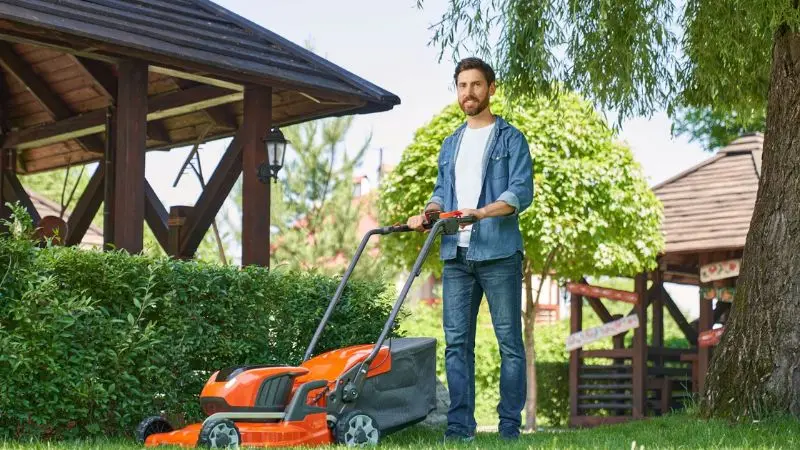
Are you tired of spending countless hours raking leaves and debris off your small yard? Imagine transforming those back-breaking chores into a quick, effortless task.
The secret lies in choosing the right lawn sweeper. But with so many options, how do you find the perfect width for your compact outdoor space? Don’t worry, we’re here to guide you through the maze of choices. You’ll discover the ideal lawn sweeper width tailored to your small yard, ensuring a pristine lawn with minimal effort.
Get ready to reclaim your weekends and enjoy a yard that looks professionally maintained. Keep reading to find out how to make yard work a breeze!
Credit: www.vevor.com
Benefits Of Lawn Sweepers
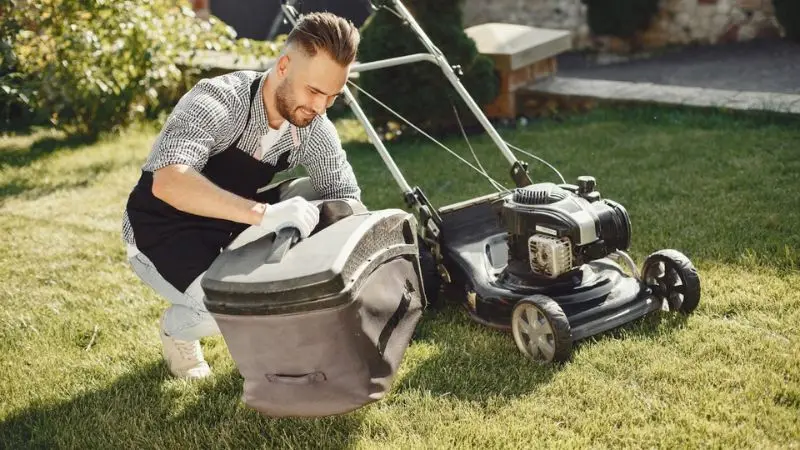
Lawn sweepers help keep your yard clean by picking up leaves, grass clippings, and small debris. They are easy to use and save effort compared to raking by hand.
Choosing the right width lawn sweeper is important for small yards. It helps you clean efficiently without missing spots or wasting time.
Efficiency In Yard Cleaning
Lawn sweepers clean your yard quickly and thoroughly. They collect debris into a hopper, so you do not have to bend or carry heavy bags. A smaller width sweeper fits better in tight spaces and narrow paths.
- Picks up leaves and grass clippings in one pass
- Reaches areas that are hard to rake
- Reduces the need to go over the same spot twice
- Works well on flat and slightly uneven ground
Time-saving Features
Using a lawn sweeper saves you time compared to manual raking. It collects debris faster and reduces your cleanup sessions. Some lawn sweepers have adjustable brushes for different surfaces.
| Feature | Benefit |
|---|---|
| Adjustable brush height | Works on grass, gravel, and pavement |
| Large collection hopper | Holds more debris, fewer stops to empty |
| Lightweight design | Easy to push or tow with a lawn tractor |
Versatility For Different Debris
Lawn sweepers pick up many types of yard debris. They handle dry leaves, pine needles, grass clippings, and small twigs. This makes them useful year-round.
- Leaves from fall clean-up
- Grass clippings after mowing
- Small sticks and pine needles
- Light garden waste and seeds
Credit: www.vevor.com
Key Factors For Small Yard Sweepers
Choosing the right lawn sweeper helps keep your small yard clean. It saves time and effort while working efficiently.
Small yards need sweepers that fit the space and are easy to use. Several key factors guide the best width choice.
Optimal Sweeping Width
The sweeping width should suit the size of your yard. A wide sweeper works fast but may be hard to control in tight spaces.
A smaller width, usually between 18 and 24 inches, is best for small yards. It cleans well without missing spots.
- Wide sweepers cover more ground quickly
- Narrow sweepers fit better in small areas
- Choose a width that matches your yard’s size
Maneuverability And Size
Good maneuverability helps you clean corners and tight spots. Small sweepers are easier to push and turn around.
Look for lightweight models with comfortable handles. Compact size lets you move smoothly without strain.
- Lightweight designs reduce fatigue
- Small frames fit narrow pathways
- Ergonomic handles improve control
Storage And Portability
Small yards often mean limited storage space. Choose a lawn sweeper that folds or stores easily.
Portability helps if you carry the sweeper to different spots. Compact models fit better in sheds or garages.
- Folding handles save storage room
- Lightweight units are easier to carry
- Compact size fits small storage areas
Types Of Lawn Sweepers
Choosing the right lawn sweeper helps keep your yard clean. Different types work best for different yard sizes. This guide explains common lawn sweeper types.
Understanding how each type works can save time and effort. Let’s look at push lawn sweepers, tow-behind models, and electric versus manual options.
Push Lawn Sweepers
Push lawn sweepers are simple tools you move by hand. They are ideal for small yards and light debris. These sweepers have brushes that spin as you push.
They do not need a motor or towing vehicle. Push sweepers are quiet and easy to store. Their width usually ranges from 20 to 26 inches, perfect for tight spaces.
Tow-behind Lawn Sweepers
Tow-behind lawn sweepers attach to a lawn tractor or ATV. They cover a wider area quickly. These are good for medium to large yards with more debris.
| Feature | Benefit |
| Width | 30 to 48 inches |
| Capacity | Larger debris bags |
| Power Source | Pulled by vehicle |
| Use | Best for big yards |
Electric Vs. Manual Models
Electric lawn sweepers use a motor to spin brushes. Manual ones rely on your pushing power. Each type has pros and cons for small yards.
- Electric:Easier to use, but needs charging or power source.
- Manual:Lightweight and quiet, but requires more effort.
- Width options:Both come in narrow models for small yards.
Top Width Options For Small Yards
Choosing the right lawn sweeper width helps clean your yard efficiently. Small yards need sweepers that fit tight spaces and turn easily.
This guide reviews the best sweeper widths for small yards. You will find options for narrow and medium widths and a performance comparison.
Narrow Sweepers For Tight Spaces
Narrow lawn sweepers work well in small yards with many obstacles. They fit through gates and narrow paths easily.
- Typical width ranges from 18 to 24 inches
- Ideal for yards with flower beds and trees
- Easier to store and maneuver
- Lower collection capacity compared to wider models
Medium Width For Versatility
Medium width sweepers offer a balance between size and capacity. They clean faster but may be less nimble in tight spots.
- Widths typically range from 25 to 32 inches
- Suitable for yards with open areas and some narrow sections
- Collects more debris per pass
- Requires more storage space
Comparing Sweep Widths And Performance
| Sweeper Width | Best For | Advantages | Drawbacks |
|---|---|---|---|
| 18-24 inches | Very small, tight yards | Easy to maneuver and store | Lower capacity, slower cleanup |
| 25-32 inches | Small to medium yards | Balances speed and size | Less agile in narrow spaces |
Top Lawn Sweeper Picks For Small Yards
Choosing the right lawn sweeper width helps keep a small yard neat. The right size makes cleaning easier and faster.
We look at three lawn sweepers that fit small yards well. Each one has features to suit different needs.
Best Overall Model
The best overall lawn sweeper for small yards is about 20 to 24 inches wide. This size balances coverage and ease of use.
This model picks up leaves, pine needles, and small debris efficiently. It works well with most small lawn tractors or can be pushed by hand.
Best Budget-friendly Option
For those on a budget, a 16 to 18 inch wide lawn sweeper is a good choice. It costs less but still clears small yards well.
- Lightweight and easy to push
- Simple design with fewer parts
- Suitable for yards under 5,000 square feet
- Works best on flat terrain
Best For Compact Storage
Compact storage models often have a width under 20 inches and foldable parts. They save space in small sheds or garages.
| Feature | Benefit |
| Foldable handle | Easier to store in tight spaces |
| Removable hopper | Quick to empty and clean |
| Lightweight frame | Simple to carry and move around |
Credit: www.vevor.com
Maintenance Tips For Lawn Sweepers
Keeping your lawn sweeper in good shape helps it work longer. Regular care prevents damage and keeps it efficient.
These tips focus on cleaning, caring for parts, and fixing common problems.
Cleaning And Storage
After use, clean the sweeper to remove dirt and debris. Store it in a dry place to stop rust and wear.
- Brush off grass and leaves from brushes and wheels.
- Use a hose to wash away stuck dirt.
- Dry all parts before storing to avoid rust.
- Keep the sweeper under a cover or indoors.
Blade And Brush Care
Blades and brushes need regular checks to stay sharp and strong. This keeps your sweeper working well on grass and leaves.
| Care Task | How Often | Notes |
| Inspect blades | Monthly | Look for dullness or damage |
| Clean brushes | After every use | Remove twigs and grass |
| Sharpen blades | Every 3 months | Use a file or sharpening tool |
| Replace worn parts | As needed | Check brushes and blades for wear |
Troubleshooting Common Issues
Some problems happen often but are easy to fix. Check these tips if your sweeper stops working well.
- Wheels not turning: Clean around axles and remove dirt.
- Brushes not spinning: Check for tangled debris and clean.
- Lawn debris left behind: Adjust brush height or speed.
- Unusual noises: Tighten loose parts or check for damage.
Frequently Asked Questions
What Width Lawn Sweeper Suits Small Yards Best?
A 20 to 24-inch wide lawn sweeper is ideal for small yards. It offers easy maneuverability and efficient debris collection without being bulky.
Can A Wider Lawn Sweeper Work In A Small Yard?
Wider sweepers can be hard to maneuver in tight spaces. For small yards, a compact width ensures better control and thorough cleaning.
How Does Lawn Sweeper Width Affect Performance?
Wider sweepers cover more ground quickly but need more space. Narrower sweepers are better for precision and navigating small or cluttered yards.
Is A Push Or Tow-behind Sweeper Better For Small Yards?
Push lawn sweepers are easier for very small yards. Tow-behind models require a vehicle and are better for medium to large yards.
Conclusion
Choosing the right width lawn sweeper helps keep your small yard clean. A smaller width saves space and makes sweeping easier. It also fits well around tight corners and flower beds. Consider how much debris you usually collect each time.
Balance size with your yard’s needs for best results. A good sweeper makes yard work less tiring and more quick. Keep your lawn neat without extra effort or hassle. Small yards need tools that match their size and shape. Pick wisely, and enjoy a tidy outdoor space all year.
