
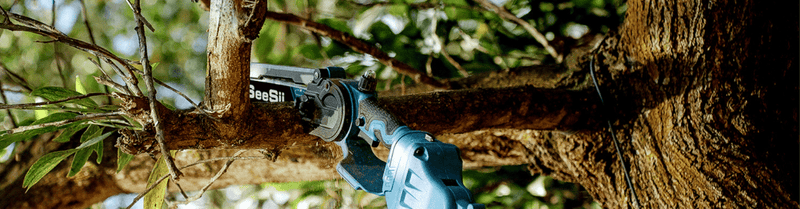
Imagine having the power to trim those high branches in your yard without having to climb a shaky ladder. A telescopic pole saw can be your best friend, making tree maintenance a breeze.
But with great power comes the need for careful handling. Safety should always be your top priority when using such a tool. In this guide, you’ll discover the essential steps to safely operate a telescopic pole saw. Whether you’re a seasoned gardener or a DIY enthusiast, mastering these safety tips will ensure your tree-trimming tasks are both effective and risk-free.
Ready to keep your feet on the ground while reaching new heights? Read on to transform your outdoor chores into a safe and satisfying experience.
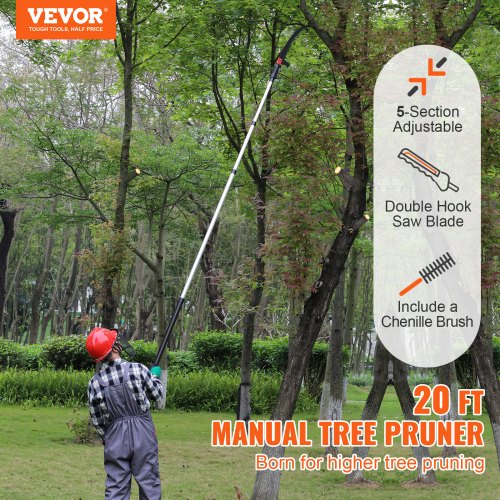
Credit: www.vevor.ca
Choosing The Right Pole Saw
Using a telescopic pole saw safely starts with picking the right tool. The right pole saw matches your needs and skill level.
This guide helps you understand key features to consider before buying a pole saw.
Manual Vs. Powered Options
Manual pole saws are light and quiet. They need physical effort to cut branches. Powered pole saws use gas or electricity. They cut faster but weigh more.
- Manual saws are easy to maintain and cost less.
- Powered saws are better for thick or many branches.
- Manual saws suit small jobs and quiet areas.
- Powered saws need safety gear and more care.
Pole Length Considerations
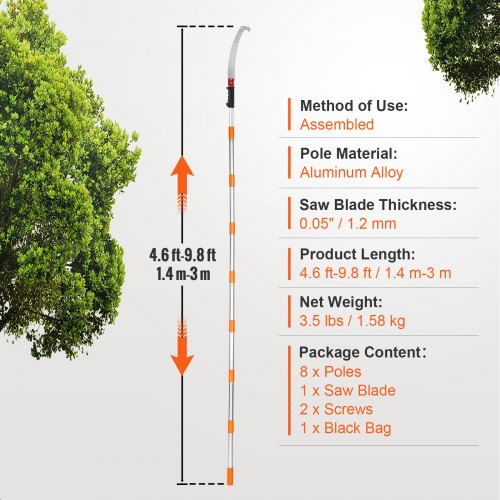
Choose pole length based on the height of branches you want to cut. Longer poles reach higher but can be harder to control.
| Pole Length | Best Use | Notes |
| 6 to 8 feet | Low branches | Easy to handle, less reach |
| 9 to 12 feet | Medium height | Good balance of reach and control |
| 13 feet or more | High branches | Heavier, may need support |
Blade Types And Sizes
Blade choice affects cutting quality and ease. Teeth design and blade length matter for the job.
- Curved blades hold branches better for smooth cuts.
- Straight blades work well on dry or small branches.
- Long blades cut bigger branches but add weight.
- Short blades offer better control and less fatigue.
Preparing For Safe Use
Using a telescopic pole saw safely starts with good preparation. Taking time to prepare can prevent accidents.
Before cutting, check your equipment and the area around you. Wear the right safety gear to protect yourself.
Inspecting The Equipment
Look over your pole saw carefully before use. Check the saw blade for damage or dullness. Make sure the pole extends and locks firmly.
- Check the blade for cracks or chips
- Ensure the pole locks tightly at the needed length
- Test the saw’s cutting action on a small branch
- Make sure all parts are clean and free of debris
Wearing Protective Gear
Wear clothes and gear that protect your body from cuts and falling branches. Safety gear reduces injury risks.
| Protective Item | Purpose |
| Helmet | Protects head from falling debris |
| Safety Glasses | Guards eyes from sawdust and small branches |
| Gloves | Protects hands and improves grip |
| Long-sleeve Shirt and Pants | Shields skin from cuts and scrapes |
| Sturdy Shoes | Supports feet and prevents slipping |
Clearing The Work Area
Clear the area where you will work. Remove obstacles and warn others nearby. This helps avoid accidents and keeps space safe.
- Remove toys, tools, and other objects from the ground
- Keep pets and children away from the work zone
- Watch for power lines and avoid cutting near them
- Plan your escape path in case branches fall unexpectedly
Proper Handling Techniques
Using a telescopic pole saw can help you reach high branches safely. Proper handling keeps you steady and avoids accidents.
Learn the right grip, stance, and balance to use the pole saw effectively. Avoid stretching too far to stay safe.
Correct Grip And Stance
Hold the pole saw with both hands firmly. Keep one hand near the base and the other closer to the middle.
Stand with your feet shoulder-width apart. This stance helps you control the saw and stay steady.
- Grip the pole saw with your dominant hand near the base
- Place your other hand midway on the pole
- Stand with feet shoulder-width apart
- Bend your knees slightly for better control
Maintaining Balance
Keep your body weight evenly distributed on both feet. Avoid leaning too far forward or backward.
Move your feet to adjust your position instead of stretching your body. This helps you stay balanced and safe.
- Keep your weight centered over your feet
- Do not lock your knees; keep them slightly bent
- Move your feet to follow the saw, not your upper body
- Stand on stable, flat ground only
Avoiding Overreach
Do not stretch your arms or body too far when using the pole saw. Overreaching can cause loss of balance.
If a branch is too far away, reposition yourself closer. Use ladders or other tools if needed for safety.
- Keep the pole saw within easy reach
- Move closer to the branch instead of stretching
- Use a ladder for higher branches, with help nearby
- Stop if you feel off-balance or tired

Credit: arbogear.com
Cutting Methods For Efficiency
Using a telescopic pole saw can make trimming trees easier and safer. Knowing the right cutting methods helps you work faster and better.
This guide covers making clean cuts, handling branch weight, and working with different branch sizes.
Making Clean Cuts
Clean cuts heal faster and reduce damage to trees. Use the saw to cut branches at a slight angle. Avoid tearing the bark or leaving jagged edges.
- Position the blade correctly before cutting
- Use a smooth, steady motion
- Cut branches in sections if they are thick
- Do not force the saw through the wood
Managing Branch Weight
Heavy branches can fall suddenly and cause injury or damage. Plan how to support or control the branch as you cut.
| Branch Weight | Cutting Tip |
|---|---|
| Light (under 10 lbs) | Cut from the top down in one go |
| Medium (10-30 lbs) | Make an undercut first to prevent tearing |
| Heavy (over 30 lbs) | Cut in sections, support branch with rope or helper |
Working With Different Branch Sizes
Branches vary in size. Use the right cutting technique for each size to stay safe and efficient.
- Small branches: Cut in one smooth motion
- Medium branches: Use a three-cut method to avoid bark damage
- Large branches: Cut in sections and watch branch weight carefully
Maintenance Tips For Longevity
Taking care of your telescopic pole saw keeps it working well for years. Regular maintenance prevents damage and improves safety.
Focus on cleaning, sharpening, and proper storage. These steps help your tool stay strong and ready for use.
Cleaning And Lubricating
Clean the pole saw after each use. Remove dirt, sap, and sawdust from the blade and moving parts. Use a soft brush or cloth for this.
Lubricate the chain and pivot points with oil. This reduces friction and stops rust from forming. Avoid over-oiling to prevent buildup.
- Wipe blade with a damp cloth
- Use a small brush for tight spots
- Apply chain oil to the blade and joints
- Check for rust and remove it promptly
Sharpening The Blade
Sharp blades cut better and reduce accidents. Use a round file or sharpening tool designed for pole saws.
Follow the blade’s original angle. File each tooth evenly. Check the tension of the chain and adjust if needed.
| Sharpening Tips | Details |
| Use correct file size | Match your pole saw chain |
| Maintain consistent angle | Usually 25 to 35 degrees |
| File each tooth equally | Ensures balanced cutting |
| Check chain tension | Adjust to avoid slipping |
Storing The Pole Saw Safely
Store your pole saw in a dry place away from children. Keep the blade covered with a sheath or protective case.
- Keep pole saw indoors or in a shed
- Hang it vertically to avoid bending
- Cover the blade to prevent accidents
- Check the pole locks before storing
Credit: www.vevor.ca
Common Mistakes To Avoid
Using a telescopic pole saw can make trimming trees easier. But, some mistakes can cause accidents or damage. Knowing what to avoid helps you stay safe.
This guide covers common errors to watch for. Fixing these mistakes improves safety and work quality.
Ignoring Safety Precautions
Not using safety gear puts you at risk. Always wear protective glasses and gloves. A hard hat can protect your head from falling branches.
Also, check your surroundings before cutting. Make sure no one stands too close. Avoid working near power lines to prevent electric shocks.
- Wear eye protection and gloves
- Use a hard hat for falling debris
- Keep a safe distance from others
- Stay clear of power lines
Using Damaged Equipment
Using a pole saw with broken parts is dangerous. A cracked pole or dull blade can cause accidents. Always inspect your tool before work.
Fix or replace damaged parts before cutting. A well-maintained pole saw works better and keeps you safer.
- Check the pole for cracks or bends
- Sharpen or replace dull blades
- Make sure all parts are tight and secure
- Do not use the saw if parts are missing
Improper Cutting Angles
Cutting at the wrong angle can make the saw slip. It may also harm the tree or cause branches to fall unpredictably. Hold the saw steady and use the right angle.
Keep the blade at about a 45-degree angle to the branch. This angle helps you cut smoothly and control the fall of the branch.
- Hold the pole saw firmly
- Cut branches at about 45 degrees
- Make small cuts to avoid sudden breaks
- Watch where the branch will fall
Frequently Asked Questions
How Do I Safely Operate A Telescopic Pole Saw?
Always wear protective gear like gloves and goggles. Inspect the saw for damage before use. Keep a firm grip and cut branches at a steady pace. Avoid overreaching to maintain balance and control.
What Safety Gear Is Essential For Using A Pole Saw?
Wear safety goggles, gloves, a hard hat, and sturdy shoes. Use ear protection if the saw is noisy. Long sleeves and pants help protect your skin from debris.
How Should I Maintain My Telescopic Pole Saw?
Clean the saw after each use. Check the blade for sharpness and damage regularly. Lubricate moving parts as recommended. Store it in a dry place to prevent rust.
Can I Use A Telescopic Pole Saw In Windy Conditions?
Avoid using the saw in strong winds. Wind can cause loss of balance and make cutting dangerous. Wait for calm weather to ensure safety and accuracy.
Conclusion
Using a telescopic pole saw can make tree trimming easier and safer. Always wear protective gear and check the tool before use. Keep a firm grip and stay aware of your surroundings. Take your time to avoid accidents or mistakes.
Regular maintenance helps the saw work well for longer. Safety matters most when working with sharp tools up high. Practice these tips to keep yourself and others safe. Enjoy your yard work with confidence and care.
