
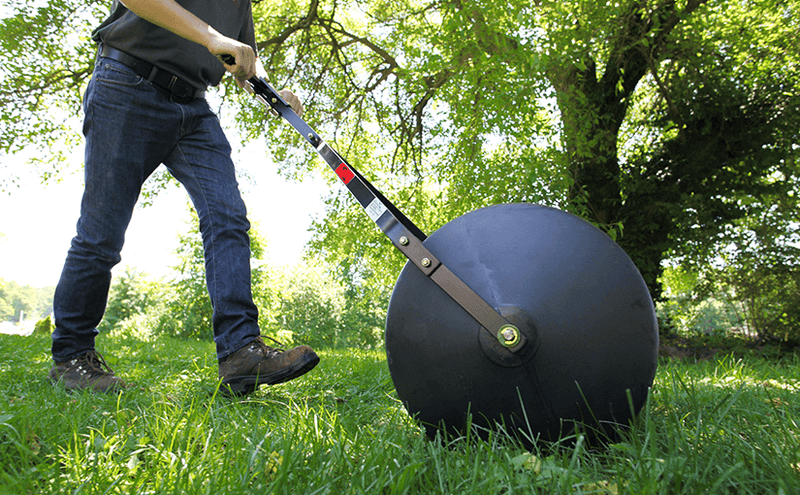
Are you dreaming of a flawless lawn that looks like it belongs on the cover of a garden magazine? Achieving that picture-perfect, smooth lawn might seem like a daunting task, but with the right tools and techniques, it’s within your reach.
One tool that can make a significant difference in the appearance of your lawn is a lawn roller. But how do you use a lawn roller effectively to get the best results? In this guide, you’ll discover the simple steps to using a lawn roller, transforming your bumpy, uneven yard into a lush, even paradise.
Imagine the satisfaction of walking across your perfectly level lawn, feeling the soft grass underfoot, and knowing you accomplished it yourself. You won’t want to miss these tips that could change the way you care for your outdoor space forever. Ready to uncover the secret to a pristine lawn? Let’s dive in!
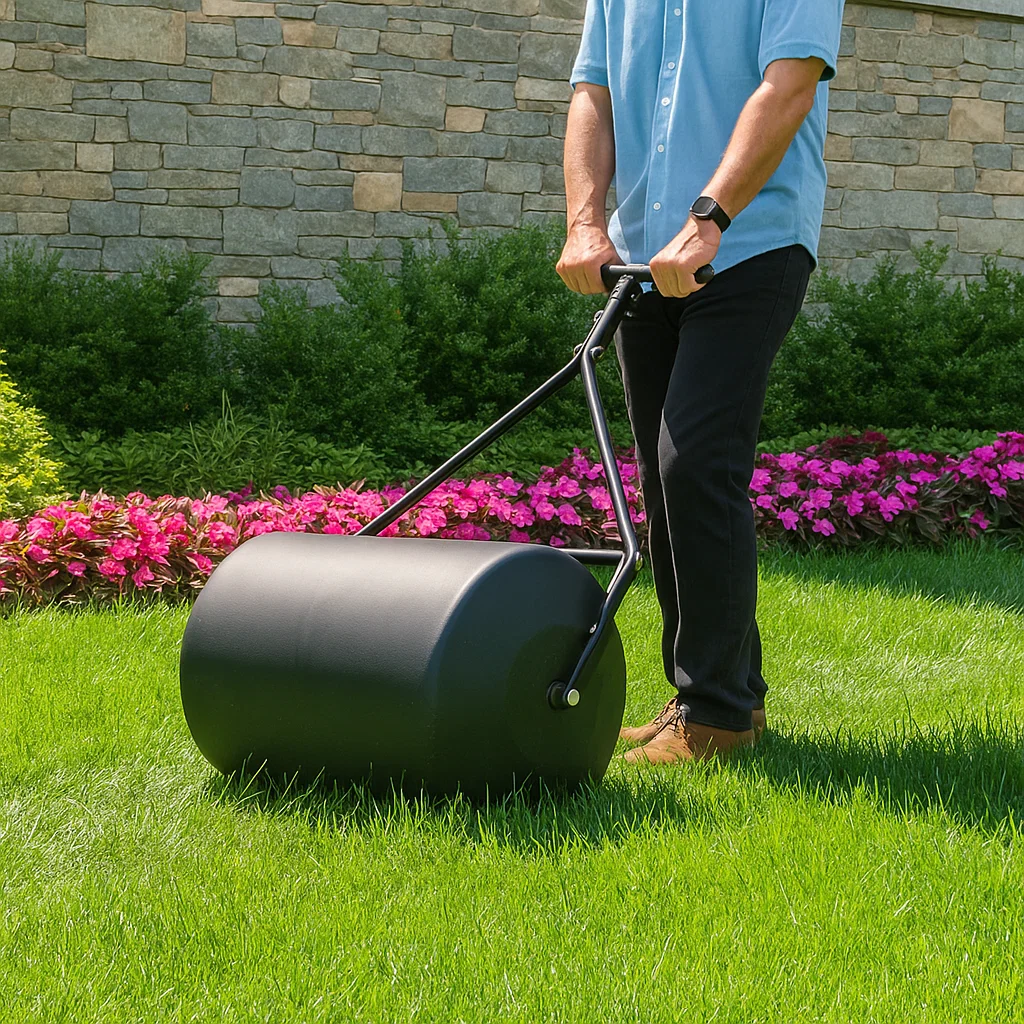
Credit: www.aosom.com
Choosing The Right Lawn Roller
Choosing a lawn roller is important for keeping your lawn smooth and healthy. The right roller helps press seeds and soil evenly.
Look at the type, size, and material to pick the best roller for your lawn.
Types Of Lawn Rollers
Lawn rollers come in different types to fit various lawn needs. Some rollers are filled with water or sand for weight, while others are solid metal.
- Water-filled rollers: Easy to move and fill with water for weight.
- Sand-filled rollers: Heavier and stay firm but harder to move.
- Solid steel rollers: Very heavy and best for large areas.
- Plastic rollers: Lightweight but less durable.
Size And Weight Considerations
Pick a roller size that matches your lawn area. A wide roller covers more ground quickly. Weight helps press the soil but too heavy can damage grass.
| Roller Size | Best For | Weight Range |
| 12 to 18 inches wide | Small lawns and gardens | 20 to 50 pounds |
| 18 to 24 inches wide | Medium-sized lawns | 50 to 100 pounds |
| 24 inches and wider | Large lawns and fields | 100 pounds and up |
Material And Durability
Choose a roller made from strong materials. Steel rollers last long and handle tough jobs. Plastic rollers are light but may crack.
- Steel: Heavy, durable, and good for large jobs.
- Plastic: Light and easy to store but less sturdy.
- Rubber-coated: Helps protect delicate lawns.
Preparing Your Lawn For Rolling
Rolling your lawn can help smooth the soil and improve its appearance. Proper preparation is key to get the best results. This guide covers steps to ready your lawn before using a lawn roller.
Follow simple tips on mowing, watering, debris removal, and timing. These steps protect your grass and make rolling more effective.
Mowing And Watering Tips
Mow your lawn short before rolling. This helps the roller press the soil evenly. Avoid cutting too low to protect the grass.
- Mow the lawn to about 2 to 3 inches tall.
- Water the lawn lightly one day before rolling.
- Do not roll on wet or soggy grass to avoid damage.
Removing Debris And Uneven Spots
Clear your lawn of leaves, sticks, and stones. These can block the roller or cause uneven pressure. Check for bumps and low spots before rolling.
| Task | Why It Matters |
| Remove debris | Prevents damage and smooths rolling |
| Fill uneven spots | Improves soil contact and lawn level |
| Check for soft patches | Avoids soil compaction and grass harm |
When To Roll Your Lawn
Roll your lawn at the right time to protect grass health. Early spring or late fall works best when soil is moist but not wet.
- Avoid rolling during dry spells or extreme heat.
- Do not roll after heavy rain or when the soil is muddy.
- Roll only once or twice per season to prevent compaction.
Step-by-step Rolling Process
Using a lawn roller helps flatten the soil and improve your lawn’s look. Follow these steps carefully for the best results.
Rolling your lawn is simple but requires some care. This guide will help you use the roller correctly.
Filling And Operating The Roller
Start by filling the roller with water or sand. Water is easier to fill and empty, but sand makes the roller heavier.
Use a funnel to avoid spills when filling. Check the roller for leaks before using it on your lawn.
- Open the fill cap on the roller
- Pour water or sand inside carefully
- Close the cap tightly to avoid leaks
- Attach the handle securely
- Push or pull the roller slowly over the lawn
Rolling Patterns For Best Results
Roll your lawn in straight lines for even pressure. Start at one end and move to the other side.
Overlap each pass slightly to avoid missed spots. Change direction after the first pass to flatten the lawn well.
- Roll lengthwise across the lawn
- Overlap each pass by a few inches
- Roll widthwise on the second pass
- Cover all areas evenly
- Avoid staying too long in one spot
Avoiding Common Mistakes
Do not roll a wet lawn. It can damage grass roots and soil structure.
Do not use a roller that is too heavy. It may compact the soil too much, harming your lawn.
- Roll only when the soil is dry
- Do not overfill the roller
- Use gentle pressure, not force
- Do not roll newly seeded areas too soon
- Check the roller for damage before use
Post-rolling Lawn Care
After using a lawn roller, proper care helps your grass stay healthy. This care includes watering, fertilizing, and watching your lawn closely.
Following these steps will keep your lawn strong and green. It also helps fix any soil or grass issues caused by rolling.
Watering And Fertilizing
Water your lawn deeply after rolling. This helps the soil settle and grass roots grow well. Avoid watering too much to prevent soil compaction.
- Water early in the morning or late evening
- Give about 1 inch of water weekly
- Use a slow sprinkler for even watering
- Apply fertilizer after watering to help absorption
- Choose a balanced fertilizer for healthy growth
Monitoring Lawn Health
Keep an eye on your lawn’s color and texture. Rolling can cause some stress, so watch for dry patches or weak grass.
| Sign | Action |
|---|---|
| Brown or yellow spots | Water more often and check soil moisture |
| Thin or patchy grass | Fertilize and reseed affected areas |
| Soil cracks or hard surface | Roll lightly again or aerate the lawn |
When To Roll Again
Do not roll your lawn too often. Rolling too much can harm the grass roots. Wait at least a few weeks before rolling again.
- Check if the soil feels uneven or bumpy
- Wait for grass to grow back strong
- Roll only if needed to smooth the surface
- Use light pressure to avoid damage
Benefits And Risks Of Lawn Rolling
Lawn rolling is a gardening task that can help improve your yard’s look. It uses a heavy roller to press the soil and grass.
This guide explains the benefits and risks of lawn rolling. It also shows when to use it and when to avoid it.
Improving Soil Contact
Lawn rolling helps grass seeds touch the soil better. This makes the seeds grow more evenly and quickly.
It also presses the soil after seeding or patching. This removes air pockets and helps roots grow stronger.
Preventing Lawn Damage
Rolling can reduce bumps and uneven areas on your lawn. This makes mowing easier and safer.
It can also press down molehills or small holes. This prevents damage to lawn equipment and keeps the lawn smooth.
Situations To Avoid Rolling
Do not roll a wet lawn. Wet soil can get compacted, which blocks air and water to roots.
Avoid rolling on very dry soil. This can harden the soil and hurt grass growth.
- Do not roll during rain or after watering
- Avoid rolling on frozen or very dry ground
- Do not roll newly sprouted grass
- Use light rolls only on soft soil

Credit: www.amazon.ca

Credit: www.youtube.com
Frequently Asked Questions
What Is The Main Purpose Of A Lawn Roller?
A lawn roller flattens uneven ground and improves soil contact. It helps in seed germination and creates a smooth surface for mowing and landscaping.
When Is The Best Time To Use A Lawn Roller?
Use a lawn roller in early spring or fall. The soil should be moist but not waterlogged for optimal results.
How Heavy Should A Lawn Roller Be?
Choose a roller weight based on your lawn size. Light rollers suit small lawns; heavier ones are best for large or uneven areas.
Can A Lawn Roller Damage My Grass?
If used incorrectly, a lawn roller can compact soil and damage grass. Use it lightly and only when necessary to avoid harm.
Conclusion
Using a lawn roller helps create a smooth, even lawn surface. Roll your lawn after seeding or leveling soil for best results. Avoid rolling when the ground is too wet or dry. Regular rolling can improve soil contact with seeds.
Take care not to press too hard to protect grass roots. With simple steps, your lawn will look neat and healthy. Try these tips to keep your lawn in great shape all year. A well-rolled lawn makes outdoor spaces more enjoyable and tidy.

