
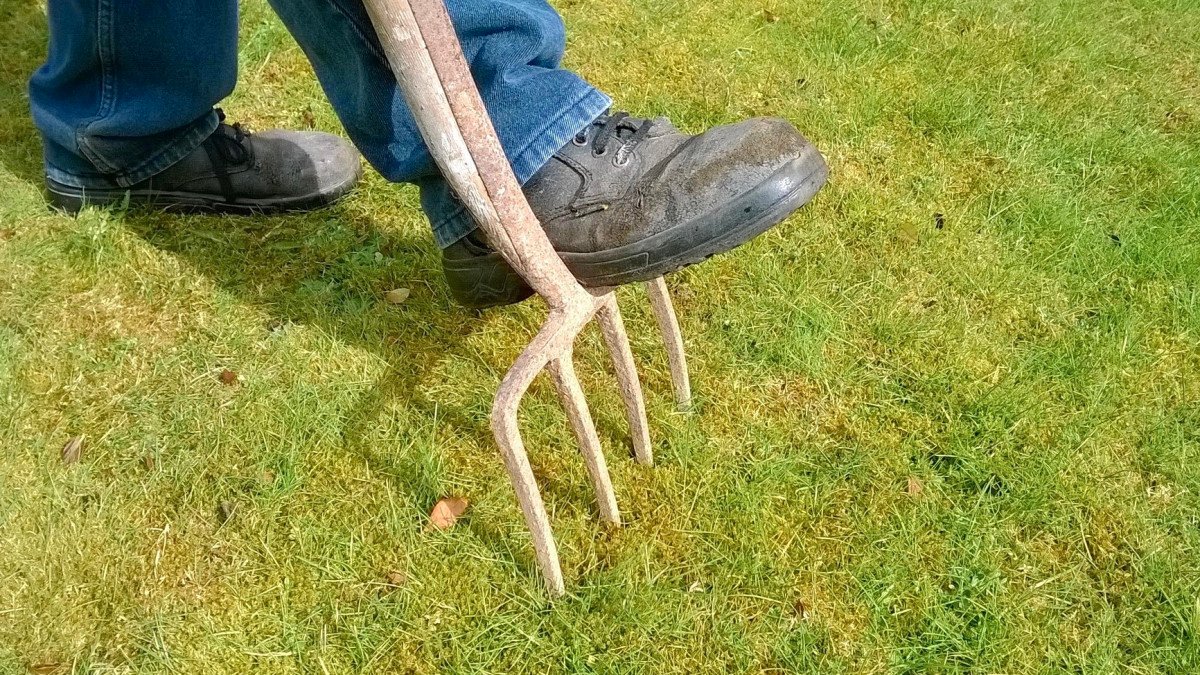
Is your lawn looking a bit tired and worn out? If your grass is struggling to breathe, it might be time to give it a little TLC by aerating it with a garden fork.
You don’t need fancy equipment or professional help; just a simple garden fork and a little bit of your time. Imagine your lawn lush and vibrant, each blade of grass standing tall and healthy. Sounds appealing, right? By learning how to aerate your lawn with a garden fork, you can transform your outdoor space into a green paradise.
Plus, it’s a great way to ensure that water, nutrients, and air reach the roots of your grass, promoting vigorous growth. This simple, hands-on approach not only revitalizes your lawn but also gives you the satisfaction of doing it yourself. Stick around, and discover how you can easily achieve a greener, healthier lawn that will make your neighbors green with envy.
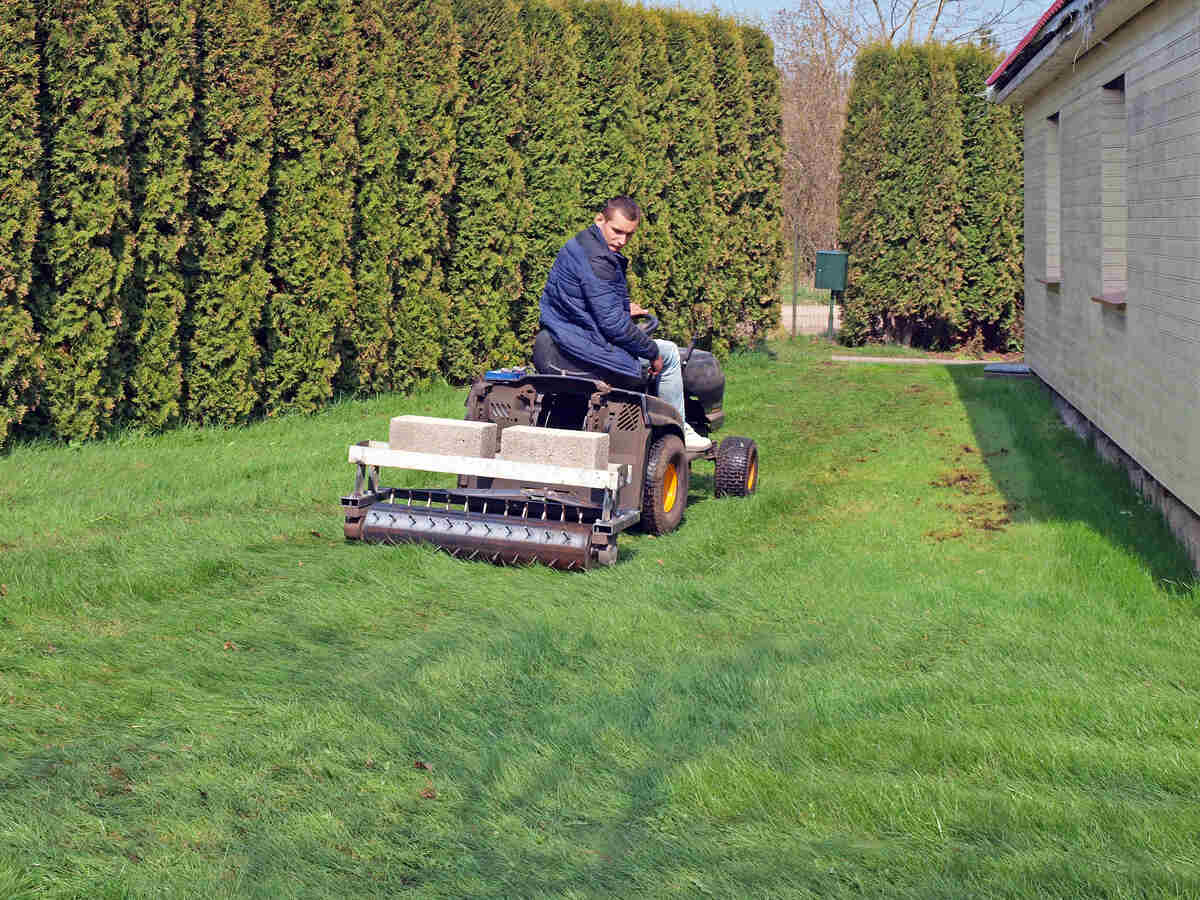
Credit: www.lawnstarter.com
Benefits Of Lawn Aeration
Aerating your lawn helps it grow stronger and healthier. Using a garden fork is a simple way to aerate your soil.
This process improves how the soil works and helps grass get the nutrients it needs.
Improved Soil Health
Aeration breaks up hard soil and mixes in air. This helps roots grow deeper and stronger. Healthy soil supports good bacteria and earthworms that make the lawn better.
Enhanced Water Absorption
Aerated soil lets water soak in instead of running off. This keeps the lawn moist and reduces water waste. Grass stays greener and uses water more efficiently.
- Water reaches deep roots
- Less water runs off the lawn
- Prevents puddles and dry spots
- Helps in drought conditions
Reduced Soil Compaction
| Problem | Effect of Aeration |
| Heavy foot traffic | Soil loosens for root growth |
| Clay soil | Breaks hard layers |
| Garden tools used | Improves soil texture |
| Machine pressure | Prevents soil from becoming dense |
Why Use A Garden Fork
Aerating your lawn helps grass roots get oxygen, water, and nutrients. A garden fork is a simple tool that can do this well.
Using a garden fork to aerate breaks up compacted soil without harming your lawn. It is easy to use and does not need power.
Advantages Over Other Tools
A garden fork works better than some machines and tools for lawn aeration. It offers control and care for your grass.
You can easily push the fork into the ground and lift it to loosen soil. This helps air and water reach the roots.
- Does not cut grass like spike aerators
- Better for small or uneven lawns
- Quiet and needs no fuel or electricity
- Easy to use in tight spaces
- Durable and simple to maintain
Choosing The Right Fork
Pick a garden fork with strong, sharp tines to penetrate soil easily. The handle should be comfortable to hold.
Look for forks made of steel for strength. A wooden or fiberglass handle reduces weight and avoids slipping.
- Long tines (6 to 8 inches) for deep aeration
- Wide spacing between tines to avoid soil clogging
- Comfort grip handles for less strain
- Lightweight but sturdy materials
Preparing Your Lawn
Aerating your lawn with a garden fork helps grass roots grow. Proper preparation makes this task easier and more effective.
Start by getting your lawn ready. This will help the fork penetrate the soil better and improve air, water, and nutrient flow.
Mowing And Watering Tips
Mow your lawn before aerating. Cut the grass to about two inches high. This makes it easier to work on the soil.
- Mow the lawn to a lower height than usual.
- Water the lawn deeply one or two days before aerating.
- Make sure the soil is moist but not soggy.
Clearing Debris
Remove leaves, sticks, and other debris from the lawn surface. This helps the garden fork reach the soil easily.
| Type of Debris | Why Remove? |
|---|---|
| Leaves | Block fork entry and air flow |
| Sticks | Can damage your garden fork |
| Grass clippings | May cause uneven aeration |
Step-by-step Aeration Process
Aerating your lawn helps air, water, and nutrients reach the roots. It improves soil health and grass growth.
Using a garden fork is an easy way to aerate small to medium lawns. Follow these steps for best results.
Marking The Area
First, mark the area you want to aerate. This helps you cover the whole lawn evenly.
You can use string lines, garden stakes, or just imagine a grid pattern. This guides your work and saves time.
Inserting The Fork
Push the garden fork straight into the soil. Use your foot to push the fork down firmly.
Insert the fork about 4 to 6 inches deep. This creates holes that help air and water reach roots.
Removing Soil Plugs
After inserting the fork, wiggle it slightly to loosen the soil plug. Then pull the fork out carefully.
Remove the soil plugs by hand or with a tool. You can leave them on the lawn to break down naturally.
Spacing Your Holes
Make holes about 4 to 6 inches apart. Even spacing helps cover the lawn without too much work.
- Start at one corner of the marked area
- Insert the fork every 4 to 6 inches in a straight line
- Move to the next line and repeat, keeping the same spacing
Post-aeration Lawn Care
Aerating your lawn with a garden fork helps improve soil health. After aeration, proper care is key for best results.
This guide covers essential steps to care for your lawn after aeration. Follow these tips to keep your grass healthy and green.
Watering And Fertilizing
Water your lawn soon after aeration to help soil settle and roots absorb moisture. Keep the soil moist but not soggy.
Fertilize your lawn to give grass the nutrients it needs to grow strong. Use a slow-release fertilizer for best effect.
- Water deeply once or twice a week
- Use about 1 inch of water each time
- Apply fertilizer according to package instructions
- Avoid overwatering to prevent root rot
Seeding Bare Spots
After aeration, check your lawn for bare or thin areas. These spots need extra care to fill in with new grass.
Spread grass seed over bare spots. Lightly rake the area to mix seeds with soil for better growth.
- Choose seed that matches your lawn type
- Keep seeded areas moist daily
- Protect new seeds from birds and pets
- Avoid heavy foot traffic on seeded spots
Regular Maintenance
Keep your lawn healthy by mowing regularly. Set mower blades high to avoid cutting grass too short.
Remove weeds and debris to help grass grow well. Aerate your lawn yearly to keep soil healthy.
- Mow once a week during growing season
- Water lawn early in the morning
- Apply fertilizer 2-3 times a year
- Control weeds with safe herbicides or manual removal

Credit: landzie.com
Common Mistakes To Avoid
Aerating your lawn with a garden fork improves soil health and grass growth. Avoiding common mistakes helps you get the best results. Learn what to watch out for when aerating your lawn.
This guide covers two important topics: aerating wet soil and the risks of over-aeration. Follow these tips to keep your lawn healthy and strong.
Aerating Wet Soil
Aerating soil that is too wet can cause damage. Wet soil clumps and compacts, which stops air and water from reaching grass roots.
- Do not aerate right after heavy rain or watering.
- Check soil moisture by squeezing a handful; it should crumble, not stick.
- Wait for the soil to dry slightly before using the garden fork.
- Working wet soil can tear roots and harm the lawn.
Over-aeration Risks
Too much aeration can weaken your lawn. Overdoing it damages grass roots and soil structure.
| Risk | Effect on Lawn | How to Avoid |
| Root Damage | Grass roots get cut or broken. | Aerate only once or twice a year. |
| Soil Drying | Soil loses moisture quickly, stressing grass. | Water lawn after aerating. |
| Weak Grass | Grass grows thin and patchy. | Follow proper aeration frequency and depth. |

Credit: www.aol.com
Frequently Asked Questions
What Is The Best Time To Aerate Lawn With A Garden Fork?
The best time to aerate your lawn is during its active growth. Early spring or early fall works well. This timing helps grass recover quickly and absorb nutrients better after aeration.
How Deep Should I Insert The Garden Fork For Aeration?
Insert the garden fork about 3 to 4 inches deep into the soil. This depth allows air, water, and nutrients to reach grass roots effectively.
Can I Aerate My Lawn Using A Garden Fork Alone?
Yes, a garden fork can effectively aerate small to medium lawns. It loosens compacted soil, improves drainage, and promotes healthy root growth.
How Often Should I Aerate My Lawn With A Garden Fork?
Aerate your lawn once or twice a year. Over-aerating can stress grass, so stick to seasonal aeration for optimal lawn health.
Conclusion
Aerating your lawn with a garden fork helps the grass grow strong. It lets air, water, and nutrients reach the roots. You only need simple tools and a little effort. Regular aeration keeps your lawn healthy and green. Try this easy method in spring or fall.
Enjoy a thicker, more vibrant lawn all year round. Give your grass room to breathe and watch it thrive. Simple steps, great results.
