
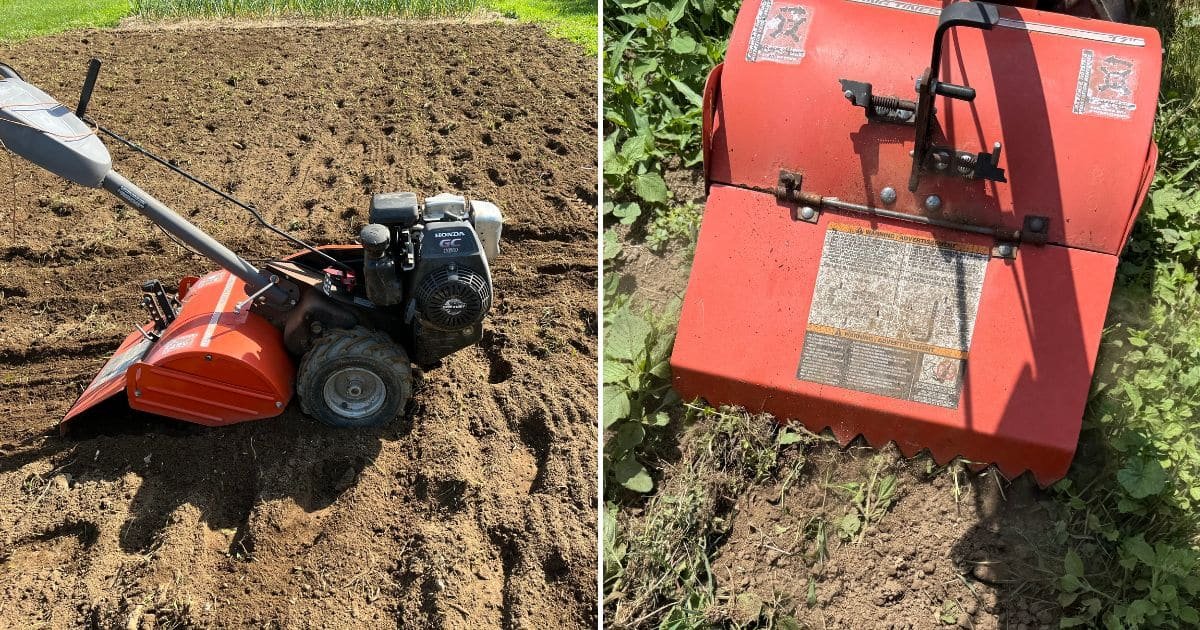
Are you wondering if using a tiller in wet soil is a good idea? You’re not alone.
Many gardeners and homeowners face this dilemma, especially after a heavy rain. The decision can impact not only your garden’s health but also the efficiency of your gardening efforts. Imagine effortlessly preparing your soil, knowing you’re making the right choice for your plants.
We’ll unravel the truth behind using a tiller in wet soil, helping you make informed decisions that lead to a thriving garden. Stick with us to discover the expert tips and hidden insights that could transform your gardening experience.
Challenges Of Tilling Wet Soil
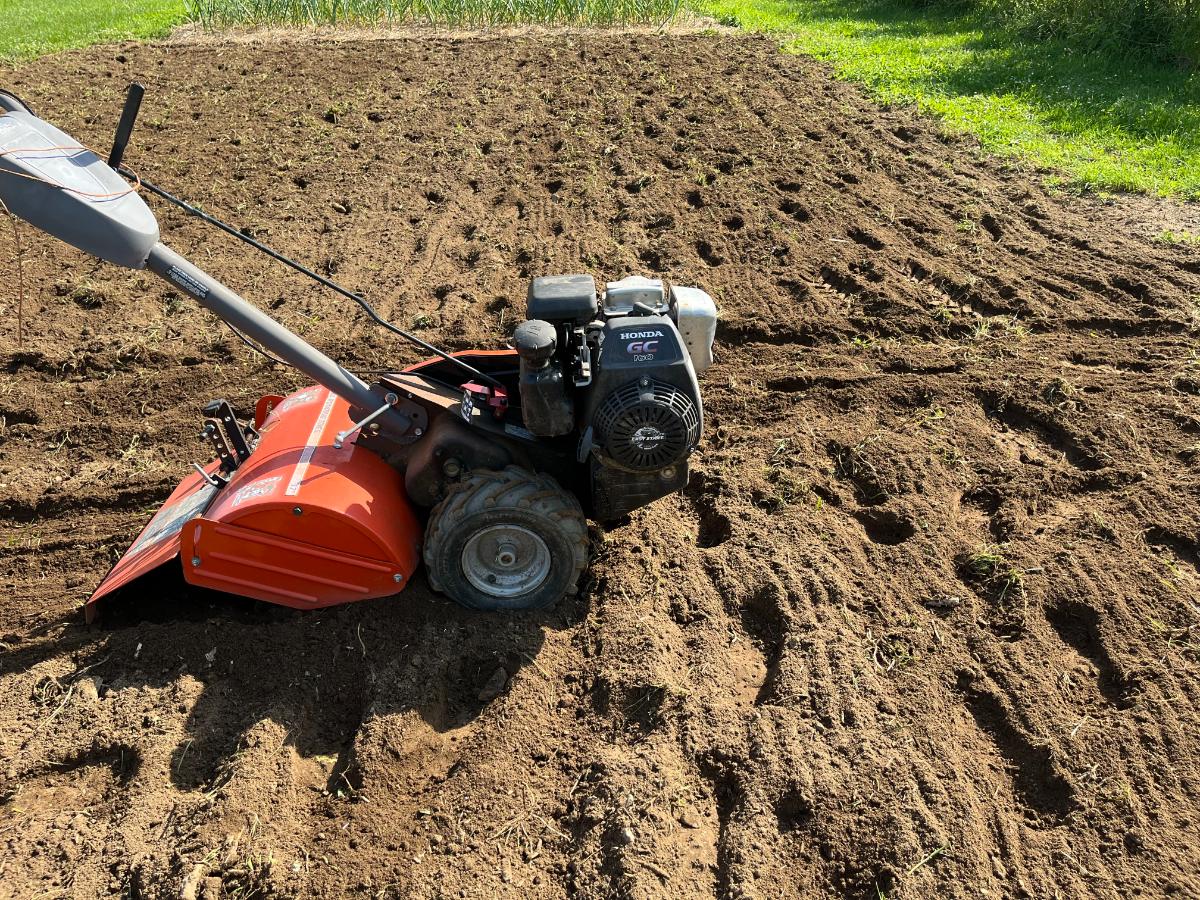
Tilling wet soil can cause several problems for gardeners and farmers. Wet soil is heavy and sticky, making it hard to work with. It can lead to damage in the soil and equipment.
It is important to understand the risks before using a tiller in wet conditions. This helps keep soil healthy and machines working well.
Soil Compaction Risks
Tilling wet soil can compact it tightly. Compacted soil has fewer air pockets. This makes it hard for roots to grow and water to drain.
Soil compaction reduces plant growth and can cause waterlogging. It also makes the soil harder to till later when dry.
- Reduces root growth space
- Slows water drainage
- Makes soil dense and hard
- Increases erosion risk
Equipment Damage Concerns
Using a tiller in wet soil can strain the machine. Mud and wet soil stick to moving parts. This causes wear and tear.
Wet soil adds extra resistance. The engine works harder and may overheat. This can shorten the tiller’s lifespan.
- Soil clogs tiller blades
- Increased engine load
- Faster wear on parts
- Possible machine overheating
Impact On Soil Structure
Tilling wet soil breaks down its natural structure. Soil clumps and layers get damaged. This harms soil health and fertility.
Good soil has crumbly texture that holds water and air. Wet tilling destroys this, making soil less productive.
- Destroys soil aggregates
- Reduces soil porosity
- Weakens soil’s natural layers
- Limits nutrient availability
Credit: gardening.org
Ideal Soil Moisture For Tilling
Tilling soil at the right moisture level helps plants grow well. Wet soil can cause problems for your tiller and soil structure.
Soil that is too wet can become compacted and hard for roots to grow. It is best to till soil when it feels slightly moist but not soggy.
How To Test Soil Moisture
Check the soil moisture before tilling to avoid damage. You can test soil moisture with simple tools or by hand.
One easy way is to take a small amount of soil and squeeze it in your hand. If it holds shape and crumbles easily, it is ready for tilling.
- If soil drips water when squeezed, it is too wet.
- If soil falls apart and is dry, it needs water.
- If soil holds shape but crumbles with a touch, it is just right.
Signs Soil Is Too Wet
Wet soil looks darker and feels heavy. It often sticks to tools and boots when you walk on it.
Here are some signs that the soil is too wet to till:
- Soil is shiny or muddy after rain.
- You see water puddles on the soil surface.
- Soil sticks together in large clumps.
- Tilling leaves deep ruts or compacts the soil.
Risks Of Tilling Wet Soil
Tilling wet soil can harm your garden or farm. It may cause problems that affect soil health and plant growth.
Understanding these risks helps you decide the best time to use a tiller.
Reduced Aeration And Drainage
Wet soil clumps together when tilled. This reduces air spaces in the soil. Poor aeration limits oxygen for roots and soil animals.
- Soil becomes compacted and hard.
- Water drains slowly, causing waterlogging.
- Roots struggle to get enough air and water.
Delayed Plant Growth
Plants grow slower in wet, compacted soil. Roots cannot expand well. This limits nutrient uptake and weakens plants.
| Effect | Description |
| Root Damage | Roots break or grow unevenly in heavy soil. |
| Nutrient Deficiency | Plants get fewer nutrients from compact soil. |
| Stunted Growth | Plants remain small and weak. |
Increased Erosion
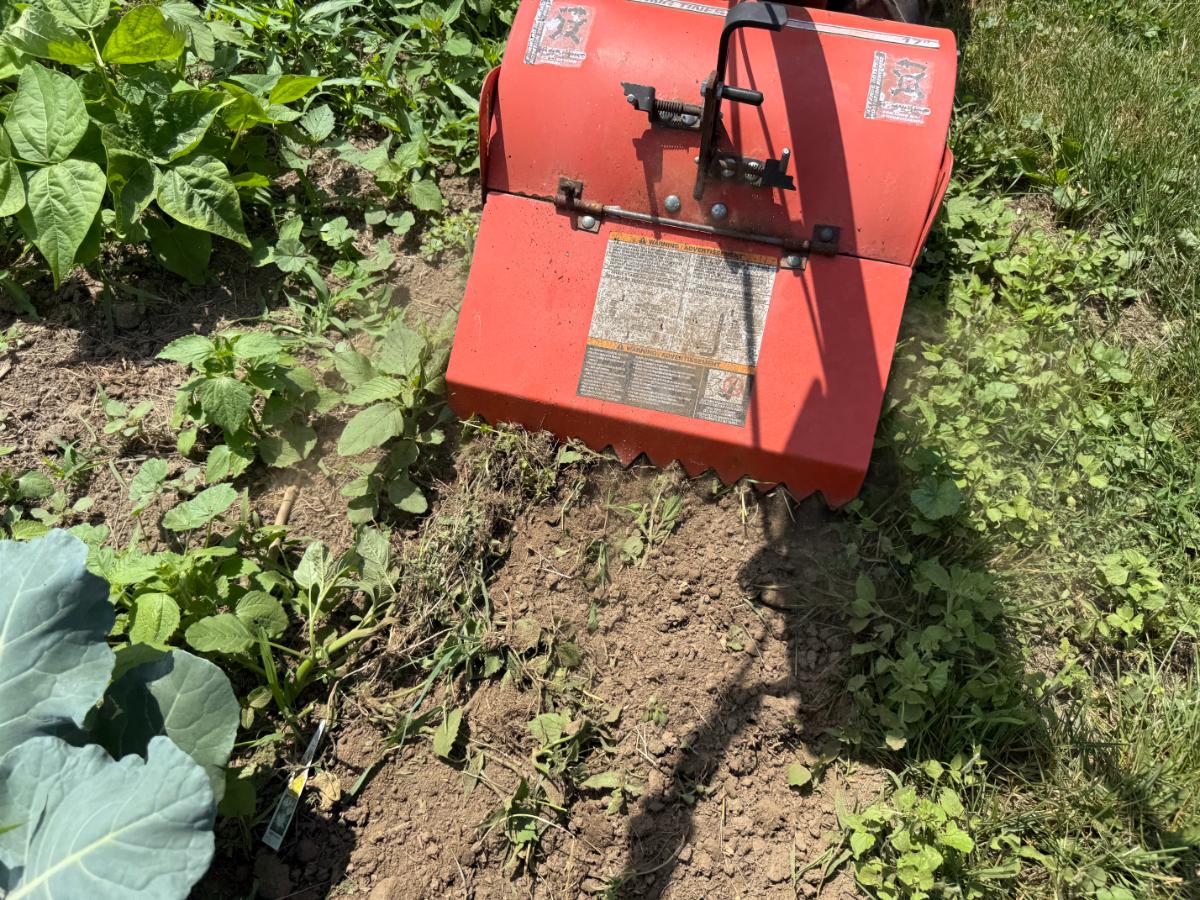
Tilling wet soil loosens topsoil. This topsoil can wash away with rain or wind. Erosion reduces soil quality and fertility.
Key causes of erosion from tilling wet soil:
- Loose soil easily moves with water flow.
- Plant roots are weak and cannot hold soil.
- Surface crust forms and breaks apart quickly.
Credit: gardening.org
Tips For Tilling In Damp Conditions
Tilling wet soil can be tricky. It can cause clumps and damage the soil structure.
Using the right tools and techniques helps protect your soil and plants.
Choosing The Right Tiller
Pick a tiller that works well in wet soil. A heavy-duty tiller with strong tines can break up damp soil better.
Smaller tillers may get stuck or damage the soil more in wet conditions.
- Use a tiller with adjustable tines
- Choose a model with good traction
- A tiller with wider tires helps avoid sinking
Adjusting Tilling Depth
Set the tilling depth shallower in wet soil. Deep tilling can compact the soil and harm its structure.
Shallow tilling loosens the soil without causing damage. It also helps the soil dry faster.
- Start with a shallow depth of 2 to 3 inches
- Avoid tilling deeper than 5 inches in damp soil
- Gradually increase depth as soil dries
Timing Your Tilling
Choose the right time to till damp soil. Avoid tilling right after heavy rain or when the soil is muddy.
Wait until the soil feels slightly moist but not soggy. This helps avoid soil damage and clumping.
- Check soil by squeezing it in your hand
- If soil stays in a tight ball, wait longer
- Till in the morning for better drying
Alternatives To Tilling Wet Soil
Tilling wet soil can harm its structure and cause compaction. It also delays planting and reduces soil health. Gardeners need other ways to prepare soil without using a tiller in wet conditions.
This guide explores two good alternatives to tilling wet soil. These methods protect the soil and support healthy plant growth.
No-till Gardening Techniques
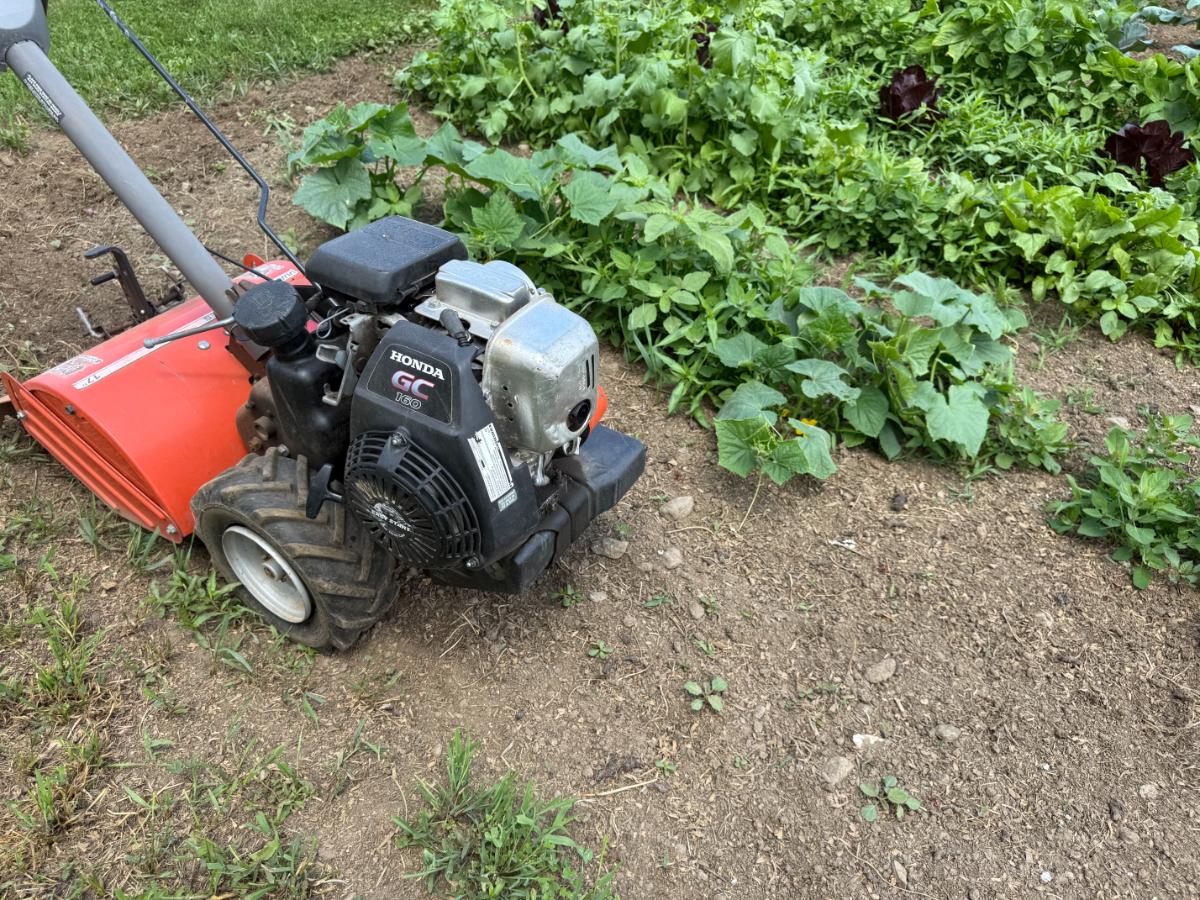
No-till gardening avoids turning the soil. This helps keep the soil structure intact and preserves earthworms and microbes. It also reduces erosion and water loss.
- Use a garden fork to gently loosen the soil surface.
- Plant seeds directly into the undisturbed soil.
- Pull weeds by hand instead of tilling them under.
- Add organic matter on top of the soil to improve fertility.
- Use raised beds to avoid working with wet soil.
Using Mulch And Cover Crops
Mulch protects soil from rain impact and keeps moisture balanced. Cover crops add nutrients and prevent weeds without disturbing the soil.
| Method | Benefits | Examples |
| Mulch | Prevents erosion, keeps soil moist, controls weeds | Straw, wood chips, leaves |
| Cover Crops | Improves soil fertility, reduces weeds, protects soil | Clovers, rye, vetch |
Credit: gardening.org
Soil Care After Tilling Wet Areas
Tilling wet soil can harm the soil structure. It may cause clumps and compaction. Proper care after tilling helps the soil recover.
Good soil care improves plant growth and prevents water problems. Let’s look at how to care for soil after tilling wet areas.
Improving Drainage
Wet soil often has poor drainage. Improving drainage helps water move away from plant roots. This stops waterlogging and root damage.
Use simple ways to improve drainage. Creating small channels or raised beds can help. Avoid compacting the soil again after tilling.
- Make shallow ditches to guide water away
- Build raised beds for better root air
- Do not walk on wet soil to avoid compaction
Adding Organic Matter
Adding organic matter helps soil hold water and nutrients. It also improves soil texture and health. Compost and mulch work well for this.
Spread organic material evenly on the soil. Mix it gently into the top layer without disturbing soil too much. This supports good soil life.
- Use compost to add nutrients
- Apply mulch to keep moisture in
- Mix organic matter carefully into soil
Monitoring Soil Health
Check soil health regularly after tilling wet soil. Look for signs like soil texture and plant growth. Healthy soil feels crumbly and drains well.
Test soil moisture and avoid working it when too wet. Healthy soil supports strong plant roots and keeps water balanced.
- Feel soil for moisture and texture
- Watch plants for signs of stress
- Do not till soil when very wet
Frequently Asked Questions
Can You Till Soil When It’s Too Wet?
Tilling wet soil can compact it, harming structure and drainage. It’s best to wait until soil is slightly moist but not soggy to avoid damage.
What Happens If You Till Wet Soil?
Tilling wet soil can create clumps, compact the ground, and reduce aeration. This leads to poor root growth and drainage issues.
How Long Should Soil Dry Before Tilling?
Wait until the top 2-3 inches of soil feels dry. This usually takes a few days after rain, depending on temperature and soil type.
Is It Better To Till Wet Or Dry Soil?
Tilling dry or moderately moist soil is ideal. Wet soil can cause compaction, while overly dry soil can be hard and uneven to till.
Conclusion
Using a tiller in wet soil can cause problems. The soil may become too compacted or sticky. This makes it harder for plants to grow well. It is better to wait until the soil dries a bit. Dry soil is easier to work with and protects your tiller.
Always check soil moisture before starting. This helps keep your garden healthy and your tools safe. Taking care of soil and tools leads to better garden results. So, patience pays off when tilling wet soil.
