
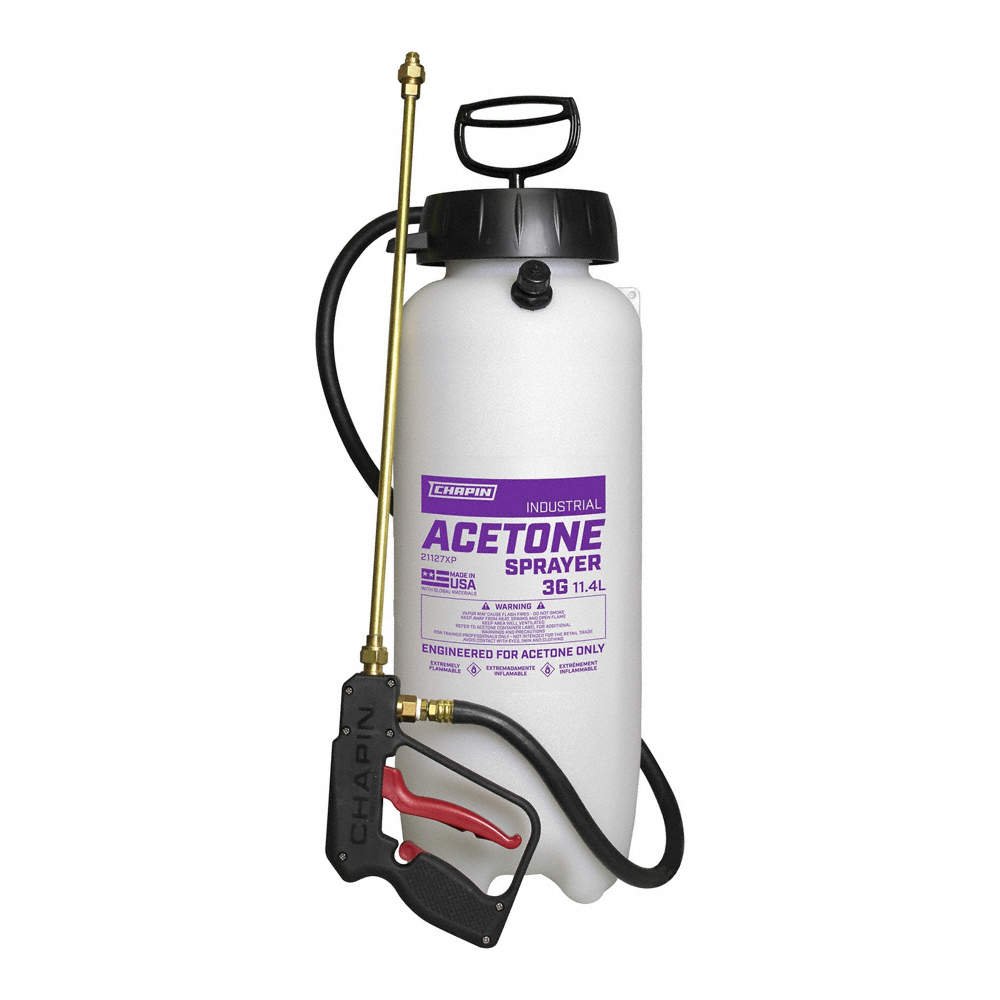
Are you considering a handheld sprayer for your garden or DIY project, but wondering just how far it can spray? Understanding the reach of a handheld sprayer is crucial for effectively planning your tasks.
Imagine effortlessly covering large areas without constantly refilling or moving. With the right information, you can optimize your spraying tasks and save both time and effort. You’ll discover the factors that influence spray distance, helping you make an informed choice.
Stick around, because what you learn here might just transform how you approach your next project.

Credit: www.amazon.ca
Factors Affecting Spray Distance
The spray distance of a handheld sprayer depends on many factors. Understanding these can help you get the best results.
Each factor affects how far and evenly the liquid spreads from the sprayer nozzle.
Nozzle Type And Size
Nozzles control the spray pattern and distance. Different types suit different needs.
- Fine mist nozzles spray short distances but cover large areas.
- Jet nozzles produce a strong stream that sprays far.
- Large nozzle openings allow more liquid but reduce pressure.
- Small nozzle openings increase pressure and spray distance.
Water Pressure
Water pressure drives the spray from the nozzle. Higher pressure means longer spray distance.
Low pressure causes weak sprays that do not travel far or evenly.
| Pressure Level | Effect on Spray Distance |
| Low (below 20 psi) | Short, weak spray |
| Medium (20–40 psi) | Moderate spray distance and coverage |
| High (above 40 psi) | Long spray distance with strong stream |
Sprayer Design
The design of the sprayer affects spray distance. This includes the pump type and tank size.
- Manual pump sprayers rely on your strength for pressure.
- Battery-powered sprayers keep pressure steady and strong.
- Larger tanks may affect the weight and ease of use.
- Ergonomic handles help maintain steady spraying action.
Environmental Conditions
Wind, temperature, and humidity change how spray travels. Wind can blow spray off target.
- Strong wind reduces spray accuracy and distance.
- High humidity can cause droplets to stick closer.
- Hot weather may increase evaporation, reducing spray reach.
- Calm, cool days give the best spray performance.
Types Of Handheld Sprayers
Handheld sprayers help with gardening, cleaning, and pest control. They come in different types for various needs.
Each type sprays liquids in a unique way. Knowing the types helps you pick the right sprayer for your task.
Pump Sprayers
Pump sprayers work by manually pumping air to build pressure. This pressure pushes the liquid out through a nozzle.
They are simple, light, and do not need batteries or electricity. You control the spray by pumping and squeezing the trigger.
Battery-powered Sprayers
Battery-powered sprayers use an electric motor to spray liquids. They offer steady pressure and can spray farther than pump sprayers.
- Easy to use with less effort
- Good for larger areas
- Rechargeable batteries
- May be heavier due to the battery
Compressed Air Sprayers
Compressed air sprayers use an air tank to store pressure before spraying. They release a strong and even spray.
| Feature | Benefit | Limit |
| Air Tank | Maintains steady pressure | Requires refilling air |
| Spray Range | Can reach long distances | Heavier to carry |
| Use | Good for precise spraying | Needs more maintenance |
Average Spray Distances By Sprayer Type
Handheld sprayers come in different types. Each type sprays liquids at different distances.
Knowing the average spray distance helps you choose the right sprayer for your needs.
Typical Range For Pump Sprayers
Pump sprayers use manual pressure to spray liquids. They are common for gardening and small cleaning tasks.
- Spray distance usually ranges from 3 to 6 feet.
- Distance depends on the nozzle type and pressure applied.
- Best for close-range applications like plants and small areas.
Range For Battery-powered Models
Battery-powered sprayers use motors to create pressure. They are easier to use for longer periods.
| Sprayer Model | Average Spray Distance | Best Use |
|---|---|---|
| Small Battery Sprayer | 8 to 10 feet | Gardening and light pest control |
| Mid-Size Battery Sprayer | 10 to 15 feet | Lawn care and outdoor cleaning |
| Heavy-Duty Battery Sprayer | 15 to 20 feet | Large areas and heavy spraying |
Range For Compressed Air Sprayers
Compressed air sprayers use air pressure to spray liquids. They offer the farthest spray distances.
- Spray distance ranges from 20 to 30 feet.
- Good for spraying tall plants or large areas.
- Require more setup and maintenance than other types.
Techniques To Maximize Spray Distance
Handheld sprayers are useful tools for many outdoor tasks. Knowing how to get the most spray distance helps cover larger areas efficiently.
This guide explains simple ways to adjust your sprayer for better reach and accuracy.
Adjusting Nozzle Settings
The nozzle controls the spray pattern and distance. Changing its settings affects how far the liquid travels.
- Use a narrow spray for longer distance
- Wide spray covers more area but sprays shorter
- Turn the nozzle slowly to find the best spray angle
- Clean the nozzle regularly to avoid clogs
Maintaining Optimal Pressure
Pressure inside the sprayer tank pushes the liquid out. Keeping steady pressure helps maintain consistent spray distance.
| Pressure Level | Effect on Spray Distance |
| Low | Short spray, weak flow |
| Medium | Good balance of distance and coverage |
| High | Longest spray, may waste liquid |
Proper Holding And Aiming
The way you hold and aim the sprayer affects where the spray lands and how far it goes.
Follow these tips for better control:
- Hold the sprayer nozzle at a slight downward angle
- Keep your wrist steady to avoid spray drift
- Aim at the target area, not the ground
- Move smoothly to cover the area evenly
Common Spray Distance Issues
Handheld sprayers are useful tools for many jobs. They spray liquids to a certain distance. Sometimes, the spray does not reach as far as expected.
Many factors can affect how far a handheld sprayer sprays. Understanding these can help fix common problems.
Clogged Nozzles
Nozzles can get clogged with dirt or debris. This reduces the spray distance. The spray may come out weak or uneven.
Cleaning the nozzle often improves spray distance. Using clean water and a soft brush helps remove blockages.
- Dirt blocks the nozzle opening
- Clogs cause uneven spray patterns
- Regular cleaning keeps spray strong
Low Pressure Problems
Low pressure in the sprayer lowers spray distance. The liquid does not shoot out far. Pressure can drop if the pump is weak or damaged.
Check the pump and seals for leaks. Fixing leaks or pumping harder can restore good pressure and spray range.
- Weak pump lowers spray power
- Leaks reduce pressure inside
- Proper maintenance keeps pressure high
Wear And Tear Effects
Over time, parts wear out. Worn nozzles or hoses can lower spray distance. Cracks or holes let liquid escape early.
Replacing old parts keeps sprayers working well. Inspect parts regularly for damage or wear signs.
- Old nozzles spray less evenly
- Cracked hoses leak liquid
- Replacing parts keeps spray strong

Credit: www.grainger.ca
Choosing The Right Sprayer For Your Needs
Handheld sprayers come in many types and sizes. Choosing one depends on how far you need the spray to reach and what you want to spray.
Picking the right sprayer helps you work faster and get better results. Think about your tasks before buying.
Considering Spray Distance Requirements
Different sprayers spray at different distances. Some work well for close-up jobs, while others can cover larger areas.
- Short-range sprayers work up to 3 feet. Good for potted plants.
- Medium-range sprayers reach 4 to 8 feet. Ideal for garden beds.
- Long-range sprayers can spray over 10 feet. Best for trees or large bushes.
Matching Sprayer To Application Type
Choose a sprayer based on what you need to spray. Different liquids and surfaces need different sprayers.
| Application | Sprayer Type | Notes |
| Fertilizer | Pressure sprayer | Delivers even coverage |
| Pesticides | Hand pump sprayer | Controls flow well |
| Watering | Trigger sprayer | Good for small plants |
Budget And Durability Factors
Look for a sprayer that fits your budget and lasts long. Consider materials and brand reliability.
- Pick sprayers with strong plastic or metal parts.
- Check if replacement parts are available.
- Read reviews about the sprayer’s life span.
- Choose a sprayer with a good warranty.
Credit: paulbhardware.com
Frequently Asked Questions
How Far Can A Handheld Sprayer Effectively Spray?
A handheld sprayer typically sprays between 3 to 10 feet. Distance varies with nozzle type, pressure, and liquid viscosity. For best results, adjust settings based on your specific spraying needs and target area size.
What Factors Affect Handheld Sprayer Spray Distance?
Spray distance depends on nozzle design, pump pressure, liquid thickness, and wind conditions. Higher pressure and thinner liquids increase distance. Using the right nozzle ensures optimal spray coverage and minimizes waste.
Can Handheld Sprayers Reach Tall Plants Or Trees?
Handheld sprayers can reach medium-height plants up to about 10 feet. For taller trees, consider using an extension wand or a backpack sprayer for better reach and coverage.
How To Improve Spray Distance On Handheld Sprayers?
To improve spray distance, use a high-pressure pump and a fine mist nozzle. Also, spray during calm weather to prevent drift. Regular maintenance of the sprayer ensures consistent performance.
Conclusion
Handheld sprayers usually spray between 3 to 15 feet. Distance depends on nozzle type and pressure used. Adjust settings to reach plants easily and avoid waste. Keep your sprayer clean for better spray range. Choose the right sprayer for your garden size.
Spraying well helps protect plants and saves time. Simple tools, good care, and correct use matter most. Your garden will thank you with healthy growth.
