
Ever wondered how a handheld sprayer makes your gardening tasks a breeze? Imagine turning a tedious chore into a satisfying and efficient process.
You might be curious about the magic behind this handy tool and how it can transform your outdoor activities. Whether you’re a gardening enthusiast or just someone looking to keep your space neat, understanding the workings of a handheld sprayer can revolutionize your approach.
Stick around to discover the simple mechanics behind this tool and how it can make your life easier, saving you time and effort.
Types Of Handheld Sprayers
Handheld sprayers help apply liquids like water, pesticides, or cleaners. They come in different types to fit various tasks.
Each type works in a unique way to spray liquids evenly and efficiently. Knowing these types helps you choose the right sprayer.
Pump Sprayers
Pump sprayers use manual pressure to spray liquids. You push a pump handle to build air pressure inside the container.
This pressure forces the liquid out through a nozzle when you press the trigger. They are simple and do not need batteries or electricity.
- Work by pumping air to create pressure
- Good for small to medium spraying jobs
- Easy to refill and clean
Battery-powered Sprayers
Battery-powered sprayers use a small motor to spray liquids. The motor pushes liquid through the nozzle without manual pumping.
They save effort and spray evenly. These sprayers are great for bigger jobs or when you need consistent pressure.
- Use rechargeable batteries
- Provide steady spray without manual work
- Ideal for large gardens or frequent use
Trigger Sprayers
Trigger sprayers spray liquid by squeezing a trigger. They are often attached to bottles and work like spray bottles.
These sprayers are good for small jobs and spot treatments. They provide control over the amount of liquid sprayed.
- Simple and easy to use
- Best for small areas and spot spraying
- Common for household cleaners and gardening
Key Components Of A Sprayer
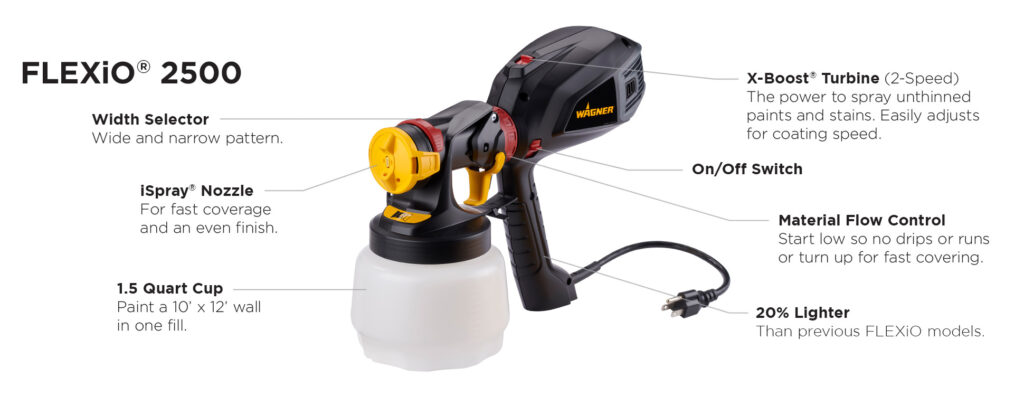
A handheld sprayer has several parts that work together. Each part helps spread liquid evenly. Knowing these parts helps you use the sprayer well.
These parts include the nozzle, pump mechanism, tank, and hose with wand. Each has a special role in the spraying process.
Nozzle
The nozzle controls how the liquid comes out. It can spray in different shapes and sizes. Some nozzles make a fine mist. Others make a strong stream.
- Adjust spray pattern
- Control droplet size
- Help cover large or small areas
Pump Mechanism
The pump makes pressure inside the sprayer. This pressure pushes the liquid out through the nozzle. Some pumps work by hand. Others use batteries or motors.
| Type | How It Works |
| Manual Pump | User pushes or pulls a handle to build pressure |
| Battery Pump | Electric motor creates pressure automatically |
| Motorized Pump | Gas or electric motor drives the pump |
Tank
The tank holds the liquid to spray. It needs to be strong and leak-proof. Tanks come in different sizes to fit the job.
Hose And Wand
The hose connects the tank to the nozzle. The wand helps aim the spray. It gives you control to reach places easily.
| Component | Function |
|---|---|
| Hose | Delivers liquid from the tank to the wand |
| Wand | Allows precise aiming of the spray |
| Trigger | Controls flow of liquid through the wand |
How Sprayers Generate Pressure
Handheld sprayers use pressure to push liquid out in a spray. This pressure comes from different sources. It helps spread the liquid evenly.
Two common ways sprayers create pressure are manual pumping and battery-powered motors. Each works differently to build pressure inside the sprayer.
Manual Pumping Action
Manual sprayers use a pump handle or lever. You push or pull it to build pressure inside the tank. This pressure forces the liquid out.
The pump moves air and liquid in a small chamber. As you pump, air pressure rises. This pressure pushes the liquid through the nozzle.
- Press pump handle repeatedly
- Air pressure builds up in tank
- Pressure pushes liquid out
- Control spray with nozzle
Battery-powered Motors
Battery sprayers use small electric motors. These motors run pumps to build pressure automatically. You do not need to pump by hand.
The motor powers a diaphragm or piston pump. This pump moves liquid and air to create pressure. The sprayer keeps pressure steady during use.
- Battery powers motor
- Motor drives pump inside sprayer
- Pump increases pressure automatically
- Easy spraying without manual effort
Credit: www.amazon.com
Spray Patterns And Their Uses
Handheld sprayers offer different spray patterns to suit many tasks. Each pattern controls how liquid spreads on surfaces.
Choosing the right spray pattern helps you use the sprayer efficiently. It also protects plants and surfaces from damage.
Mist
Mist sprays very fine droplets over a wide area. This pattern is gentle and good for delicate plants or seedlings.
- Cools down plants on hot days
- Applies foliar fertilizers evenly
- Keeps humidity high for greenhouses
- Helps control small insects gently
Stream
The stream pattern shoots liquid in a strong, narrow flow. It works well for targeted cleaning and watering.
| Use | Benefit |
| Watering deep roots | Reaches soil below leaves |
| Cleaning outdoor surfaces | Removes dirt and debris |
| Applying pesticides | Targets specific plants or spots |
Fan
The fan pattern sprays liquid in a flat, wide shape. It covers large surfaces evenly and quickly.
Common fan spray uses:
- Applying herbicides to lawns
- Coating leaves with nutrients
- Spreading water over flower beds
Choosing The Right Sprayer For Your Task
Handheld sprayers help apply liquids like pesticides or cleaners. Picking the right sprayer makes your job easier and faster.
Different sprayers fit different tasks. Think about what you need before choosing one.
Size And Capacity
Sprayers come in many sizes. Smaller tanks hold less liquid but are lighter. Larger tanks hold more but weigh more when full.
Choose a size that fits your job. For small plants, a small sprayer is best. For big areas, pick a bigger tank.
- Small sprayers: easy to carry, best for small jobs
- Medium sprayers: balance between size and weight
- Large sprayers: hold more liquid, good for big jobs
Chemical Compatibility
Not all sprayers work with every chemical. Some liquids can damage certain sprayers.
Check what materials the sprayer parts are made of. Use sprayers that resist the chemicals you apply.
- Plastic sprayers: good for mild chemicals
- Metal sprayers: better for strong chemicals
- Rubber seals: must resist the liquid used
Portability
Portability means how easy it is to carry and use the sprayer. Consider weight and handle design.
If you move a lot, pick a lightweight sprayer with a comfortable grip. This reduces fatigue.
- Lightweight sprayers: easy to carry for long times
- Ergonomic handles: reduce hand strain
- Straps or harnesses: help carry larger sprayers
Tips For Efficient Spraying
Using a handheld sprayer properly can save time and product. Following simple tips helps you spray more effectively.
Learn how to maintain your sprayer, set the right pressure, and use good spray techniques to get the best results.
Proper Maintenance
Keep your sprayer clean and in good shape. This prevents clogs and leaks that reduce spray quality.
- Rinse the tank and nozzle after each use
- Check for cracks or damage regularly
- Lubricate seals and moving parts to avoid wear
- Store the sprayer in a dry place away from sunlight
Correct Pressure Settings
Pressure affects how the spray spreads and covers surfaces. Set it right for even coverage without waste.
| Pressure Level (PSI) | Use |
| 10-20 | Delicate plants and flowers |
| 20-40 | General garden spraying |
| 40-60 | Hard surfaces and heavy-duty spraying |
Optimal Spray Techniques
Hold the sprayer correctly and move steadily for best results. Avoid over-spraying or missing spots.
- Keep the nozzle about 12 inches from the target
- Spray in a steady, side-to-side motion
- Overlap each pass slightly for full coverage
- Spray during calm weather to avoid drift
- Wear protective gear for safety
Common Problems And Fixes
Handheld sprayers help apply liquids evenly. They are easy to use but can face some issues. Knowing common problems makes it simple to fix them fast.
This guide covers clogged nozzles, leaking tanks, and uneven spray. Each section shows what causes these problems and how to solve them.
Clogged Nozzles
Nozzles get blocked by dirt or dried spray liquid. This reduces spray power or stops it completely. Cleaning the nozzle often clears the clog.
- Remove the nozzle from the sprayer.
- Soak it in warm, soapy water for 10 minutes.
- Use a soft brush or toothpick to clear any debris.
- Rinse with clean water and dry before reattaching.
- Test the spray to check if flow is restored.
Leaking Tanks
Leaks happen when seals or tank parts wear out. Check the tank and connections for cracks or loose fittings. Tighten or replace parts as needed.
| Cause | Fix |
| Cracked tank | Replace the tank |
| Loose lid or cap | Tighten securely |
| Damaged seal or gasket | Replace the seal |
| Worn hose or connector | Inspect and replace parts |
Inconsistent Spray
Spray can be uneven if pressure is low or parts are dirty. Check the pump, nozzle, and tank for issues. Adjust or clean to fix the spray pattern.
Try these tips for even spray:
- Pump the sprayer fully to build pressure.
- Clean or replace clogged nozzles.
- Inspect hoses for kinks or damage.
- Make sure the tank is sealed tight.
- Use the right spray setting or nozzle size.

Credit: www.amazon.com
Safety Precautions When Using Sprayers
Using a handheld sprayer can be easy if you follow safety rules. These rules protect you and others from harm. Always prepare before you spray any chemicals.
Read labels and understand the risks. Use the right tools and keep your sprayer clean. This guide covers key safety steps you must take.
Protective Gear
Wearing protective gear is important. It stops chemicals from touching your skin or eyes. Always wear the correct gear before you start spraying.
- Gloves to protect your hands
- Safety goggles to shield your eyes
- Long sleeves and pants to cover your skin
- A mask to avoid breathing in fumes
- Closed-toe shoes to protect your feet
Safe Chemical Handling
Handle chemicals carefully to avoid spills and accidents. Always follow the instructions on the label. Use only the amount needed for your job.
- Read the chemical label before use
- Mix chemicals in a well-ventilated area
- Use clean water and tools for mixing
- Never eat or drink near chemicals
- Wash your hands after handling chemicals
Proper Storage
Store sprayers and chemicals safely to prevent accidents. Keep them away from children and pets. Store in a cool, dry place with good air flow.
| Item | Storage Tip |
| Chemicals | Keep in original containers with labels |
| Sprayers | Empty, clean, and dry before storing |
| Protective Gear | Store separately to keep clean |
| Mixing Tools | Wash and dry after use |
Credit: www.wagnerspraytech.com
Frequently Asked Questions
How Does A Handheld Sprayer Generate Spray Pressure?
A handheld sprayer uses a pump mechanism to build pressure inside the tank. When you press the trigger, the pressurized liquid forces through the nozzle, creating a fine spray suitable for even coverage.
What Types Of Liquids Can A Handheld Sprayer Spray?
Handheld sprayers can spray water, pesticides, herbicides, fertilizers, and cleaning solutions. They are designed to handle various liquids safely for gardening and household tasks.
How Do You Maintain A Handheld Sprayer For Longevity?
Clean the sprayer after each use, including the nozzle and tank. Store it in a dry place and check seals regularly to prevent leaks and ensure smooth operation.
Can Handheld Sprayers Control Spray Pattern And Flow Rate?
Yes, most handheld sprayers have adjustable nozzles. You can change the spray pattern from a fine mist to a strong jet and control the flow rate for different applications.
Conclusion
A handheld sprayer moves liquid through a small pump and nozzle. You press a trigger to spray the liquid evenly. It helps spread water, pesticides, or fertilizers quickly. The sprayer is easy to carry and use in gardens or small farms.
Understanding how it works makes your tasks simpler and faster. Try using one to see how it saves time and effort. Small tool, big help.

