
Does your yard look a bit tired and weary this summer? You might notice that the grass isn’t as lush and green as you’d hoped.
It could be that your lawn is struggling to breathe. Just like you need fresh air, so does your yard. Aerating your lawn can be the perfect solution to revitalize your grass, making it healthier and more vibrant. But how do you aerate your yard in the scorching summer heat without causing more harm than good?
Stick around to discover simple, effective steps to give your lawn the breath of fresh air it desperately needs. With the right techniques, you can transform your yard into the summer oasis you’ve always dreamed of. Ready to get started? Let’s dive in and uncover the secrets to a thriving lawn!
Credit: www.lawnstarter.com
Benefits Of Summer Aeration
Aerating your yard in summer helps keep your soil healthy. It opens tiny holes in the ground to allow air and water to reach roots.
This process improves grass growth and makes your lawn stronger during hot months.
Improved Soil Oxygen Levels
Aeration increases oxygen in the soil. Roots need oxygen to grow well and stay healthy. Without enough air, roots can suffocate.
Better oxygen levels help soil microbes break down organic matter. This creates a healthier environment for your grass.
Enhanced Nutrient Absorption
Holes made by aeration let nutrients reach roots easier. This helps grass absorb more vitamins and minerals.
- Allows fertilizer to sink deeper
- Improves soil contact with nutrients
- Supports stronger root systems
Better Water Penetration
Aeration helps water reach the soil below the surface. This reduces water runoff and pooling on top.
| Without Aeration | Water sits on surface, wastes and evaporates |
| With Aeration | Water moves deep to roots, grass stays hydrated |

Credit: uk.style.yahoo.com
Signs Your Lawn Needs Aeration
A healthy lawn needs air, water, and nutrients to grow well. Sometimes the soil gets hard and tight. This stops the grass from growing strong. Aeration helps fix this problem.
Look for signs in your yard to know if aeration is needed. These signs show your lawn is not getting enough air or water.
Compacted Soil Symptoms
Compacted soil feels hard when you press it. This makes it hard for roots to grow. You might see cracks or dry spots on the surface. Grass can look weak or thin.
- Soil feels hard and dense
- Water does not soak in quickly
- Grass roots are shallow
- Soil cracks during dry weather
Poor Grass Growth
When soil is compacted, grass struggles to get air and nutrients. You may see bare spots or thin grass. The grass may look yellow or brown in some areas.
| Symptom | What It Means |
| Thin grass | Grass roots cannot grow deep |
| Yellow or brown patches | Grass lacks nutrients and water |
| Bare spots | Grass fails to grow in compacted areas |
Water Pooling Issues
Water that stays on the lawn is a sign of poor drainage. This can happen if soil is too tight. Pooling water can kill grass and cause mold or fungus.
- Heavy rain with no place for water to go
- Soil compaction preventing water absorption
- Low spots in the yard
Choosing The Right Aeration Method
Aerating your yard helps grass grow better in summer. It improves soil and lets air and water reach roots.
Choosing the right aeration method depends on your yard size and soil type. This guide explains popular options.
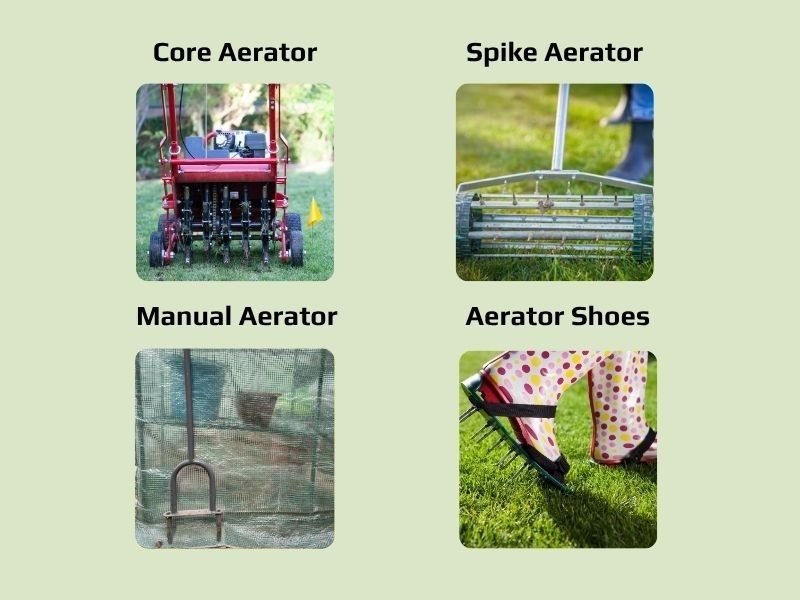
Core Aerators Vs Spike Aerators
Core aerators pull small plugs of soil from the ground. This reduces soil compaction and helps roots breathe.
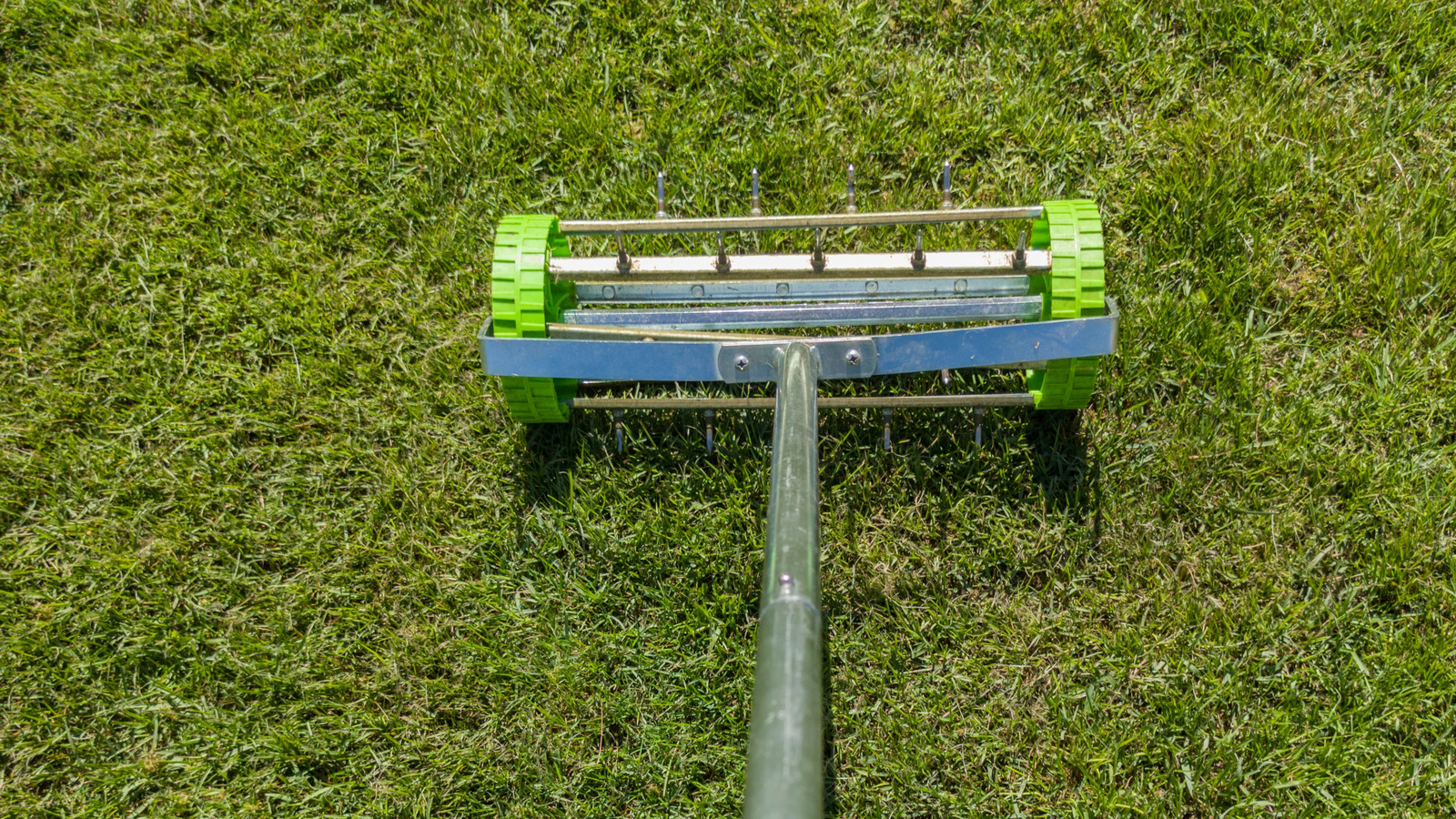
Spike aerators poke holes by pushing spikes into the soil. They do not remove soil plugs but create space for air and water.
- Core aerators improve drainage better than spike aerators
- Spike aerators are easier to use on hard soils
- Core aerators are best for thick, compacted lawns
- Spike aerators work well for light aeration needs
Manual Vs Mechanical Tools
Manual aerators need physical effort to use. They are good for small yards or spot treatments.
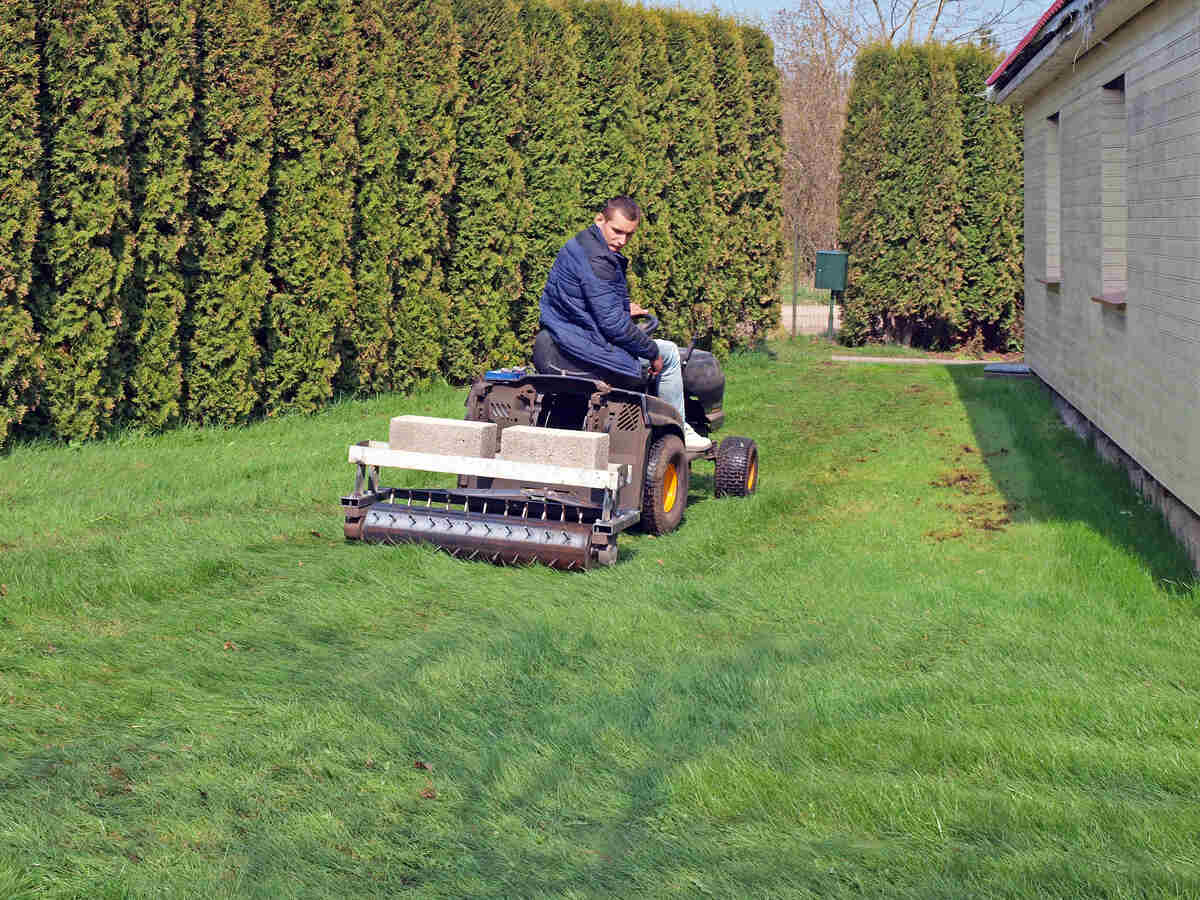
Mechanical aerators use power or machines. They cover large areas fast and require less effort.
- Manual tools cost less but take more time
- Mechanical tools can be rented or bought
- Choose manual for small or uneven yards
- Choose mechanical for large, flat lawns
Preparing Your Lawn For Aeration
Aerating your yard helps the grass grow strong. It lets water, air, and nutrients reach the roots. Doing this in summer needs some prep work.
Before you aerate, prepare your lawn. This makes the process easier and more effective.
Mowing And Watering Tips
Cut your grass short before aeration. This gives the aerator better access to the soil. Water your lawn a day before aerating. Moist soil is easier to pierce.
- Mow the lawn 1 to 2 days before aeration
- Set mower blade to a lower height
- Water the lawn deeply 24 hours before aeration
- Do not aerate when the soil is dry or soaked
Clearing Debris And Thatch
Remove leaves, sticks, and other debris from the lawn. Thatch is a layer of dead grass and roots on the soil surface. Too much thatch blocks water and air.
| Item | Purpose |
| Rake | Lift and remove leaves and sticks |
| Thatch Rake | Break up and remove thatch layer |
| Leaf Blower | Clear light debris quickly |
| Lawn Sweeper | Collect debris from large areas |
Step-by-step Aeration Process
Aerating your yard in summer helps grass grow strong. It lets water, air, and nutrients reach roots.
Follow these steps to aerate your lawn properly and keep it healthy during hot months.
Marking Obstructions
Before aerating, mark all obstacles to avoid damage or injury. This keeps the process safe and smooth.
- Look for sprinkler heads and mark with flags
- Mark tree roots and garden beds clearly
- Note any rocks or buried pipes
- Check for uneven ground or holes
Operating The Aerator
Use the aerator carefully to create holes in the soil. This helps your grass breathe and grow.
- Start on the edge of your lawn
- Push the aerator evenly across the yard
- Overlap rows slightly for full coverage
- Go slower on compacted areas
- Stop and empty plugs if needed
Post-aeration Care
After aerating, take care of your lawn to get best results. This helps grass heal and stay healthy.
| Task | Reason |
| Water the lawn deeply | Helps soil recover and roots absorb moisture |
| Apply fertilizer | Feeds grass for strong growth |
| Leave soil plugs on lawn | They break down and add nutrients |
| Avoid heavy foot traffic | Prevents soil compaction and damage |
Credit: www.housedigest.com
After Aeration Lawn Care
Aerating your yard in summer helps grass roots get air and water. After aeration, you must care for your lawn properly. This care helps grass grow healthy and strong.
Good aftercare supports recovery and improves lawn health. Follow simple steps to keep your yard green and lush.
Fertilizing And Seeding
After aeration, apply fertilizer to feed the grass roots. Use a slow-release fertilizer for steady nutrition. Seeding fills bare spots and thickens the lawn.
Choose grass seed that matches your current lawn. Spread seed evenly over aerated soil for good contact. This helps seeds sprout and grow strong.
- Apply fertilizer within 48 hours of aeration
- Use high-quality grass seed for best results
- Lightly rake seeds into the soil for better growth
- Avoid heavy fertilizer that can burn new grass
Watering Schedule
Water your lawn right after aeration to help soil settle. Keep the soil moist but not soaked. Water lightly several times a day for new seeds.
Once grass starts growing, reduce watering to once a day. Deep watering helps roots grow deeper and stronger. Avoid watering in the heat of midday.
- Water immediately after aeration
- Keep soil moist for 2 weeks after seeding
- Water early morning or late evening
- Switch to deep watering once grass is established
Avoiding Lawn Stress
Do not mow your lawn right after aeration. Give grass time to recover and grow. Avoid heavy foot traffic on the lawn for a few days.
Keep pets off the lawn to prevent damage. Avoid using harsh chemicals until grass is healthy again. These steps reduce stress and help your lawn thrive.
- Wait 3-5 days before mowing
- Limit walking on the lawn for 1 week
- Keep pets off newly seeded areas
- Hold off on weed killers or pesticides
Common Mistakes To Avoid
Aerating your yard in summer can help your lawn breathe and grow. But some mistakes can harm your grass instead.
Knowing what to avoid will keep your yard healthy and green through the hot months.
Aerating During Extreme Heat
Aerating the lawn when the sun is too strong can stress the grass. The soil may dry out quickly, making it hard for roots to recover.
Try to aerate early in the morning or late in the evening. This helps avoid the hottest part of the day.
Ignoring Soil Testing
Not testing your soil before aerating is a common error. Soil tests show what nutrients your yard needs.
- Soil pH levels affect nutrient uptake.
- Some soils lack key minerals for growth.
- Testing helps you add the right fertilizers.
Over-aerating The Lawn
Aerating too often can damage grass roots and slow lawn growth. It breaks up soil but too much causes harm.
| Frequency | Effect on Lawn |
| Once a year | Healthy root growth and better air flow |
| More than twice a year | Root damage and slower recovery |
| Monthly | Severe stress and poor grass health |
Tools And Equipment Recommendations
Aerating your yard in summer helps grass breathe and grow strong. You need the right tools to do this well. Choosing good equipment makes the job easier and faster.
This guide shares the best aerator models and tips to keep your tools working well. Use this to pick and care for your aerator.
Top Aerator Models
There are different aerators for home use. Some are manual, and some are powered. Pick one that fits your yard size and strength.
- Manual Spike Aerator:Simple and cheap. You step on spikes to make holes. Good for small yards.
- Manual Core Aerator:Removes small plugs of soil. Works better than spike types for dense soil.
- Electric Aerator:Uses power to make holes. Easier to use in medium yards.
- Gas-Powered Aerator:Best for large yards. Strong and fast but heavier and needs fuel.
Maintenance Tips
Keep your aerator in good shape to last longer. Clean it after each use to stop rust and dirt buildup.
Check for loose parts or damage before using. Sharpen blades or spikes if they get dull. Store the tool in a dry place.
- Wash off soil and grass clippings after use
- Dry the aerator well to prevent rust
- Tighten bolts and screws regularly
- Sharpen spikes or blades to improve performance
- Store indoors or under cover to avoid weather damage
Frequently Asked Questions
What Is The Best Time To Aerate Your Yard In Summer?
The best time to aerate your yard in summer is early morning or late evening. This avoids heat stress on grass and helps soil absorb water and nutrients effectively.
How Does Summer Aeration Benefit Lawn Health?
Summer aeration reduces soil compaction, improves root growth, and enhances water and nutrient absorption. This keeps your lawn greener and healthier during hot months.
What Tools Are Ideal For Summer Yard Aeration?
Use a core aerator or spike aerator for effective summer yard aeration. Core aerators remove soil plugs, while spike aerators create holes, both improving soil oxygen flow.
How Often Should You Aerate Your Yard In Summer?
Aerate your yard once or twice during summer, depending on soil compaction. Over-aeration can stress grass, so monitor lawn health and soil condition before repeating.
Conclusion
Aerating your yard in summer helps grass grow strong and healthy. It lets air, water, and nutrients reach the roots better. Regular aeration reduces soil compaction and improves drainage. Use the right tools and follow simple steps for best results.
Your lawn will look greener and feel softer. Keep up with aeration to enjoy a lush, vibrant yard all season. Healthy soil means happier grass. Give your lawn the care it needs this summer.
