
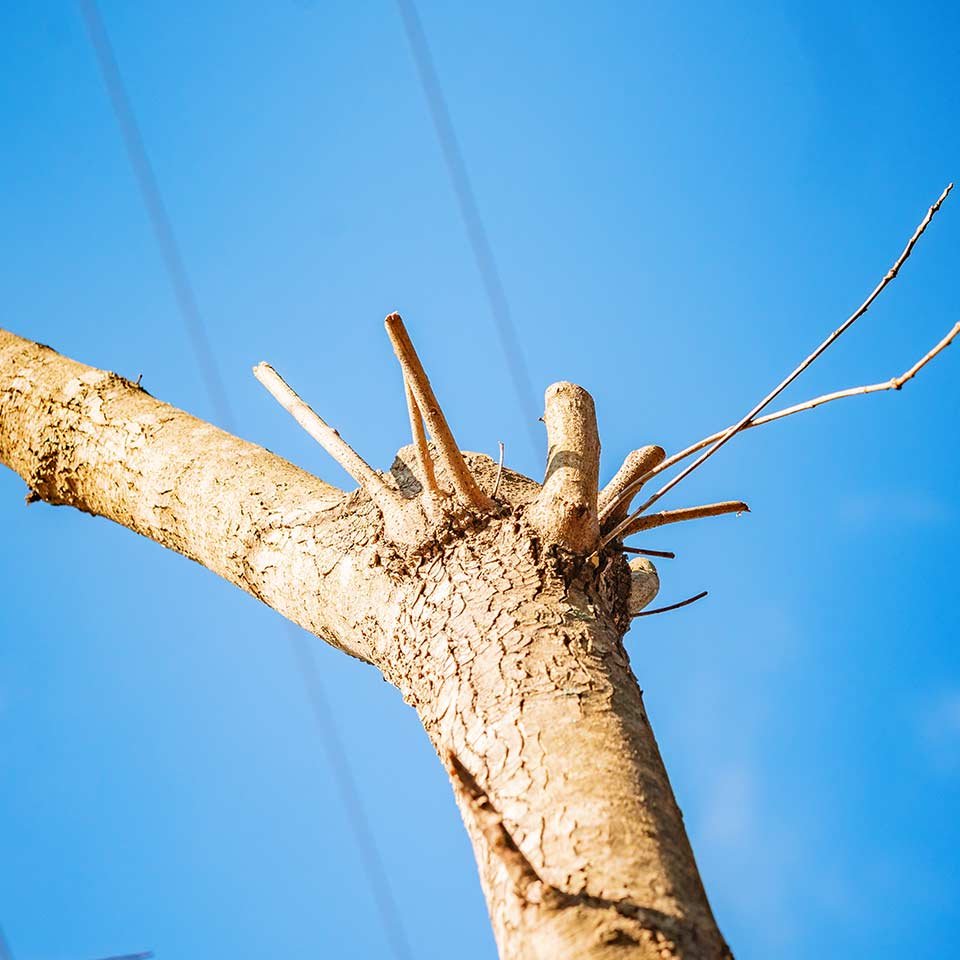
Are your plants not thriving as they should? If you’re scratching your head wondering why your garden isn’t the lush paradise you envisioned, the answer might lie in how you prune.
Pruning is an art and science, and making mistakes can stunt growth, ruin plant shape, or even invite diseases. But don’t worry—you’re not alone, and it’s never too late to learn. We’ll uncover common pruning mistakes you might be making and offer simple solutions to set you back on the path to gardening success.
Stay with us, and soon, you’ll be pruning like a pro, watching your garden flourish beyond your expectations.
Credit: www.leaflimb.com
Common Pruning Errors
Pruning helps plants grow healthy and strong. Doing it wrong can harm the plants. Many gardeners make simple mistakes that affect growth.
Knowing what to avoid improves your pruning skills. Here are common errors to watch out for when pruning your plants.
Cutting At The Wrong Time
Pruning at the wrong season can stop flowering or fruiting. Some plants heal better in winter, while others need summer pruning. Learn the best time for each plant type.
Using Dull Tools
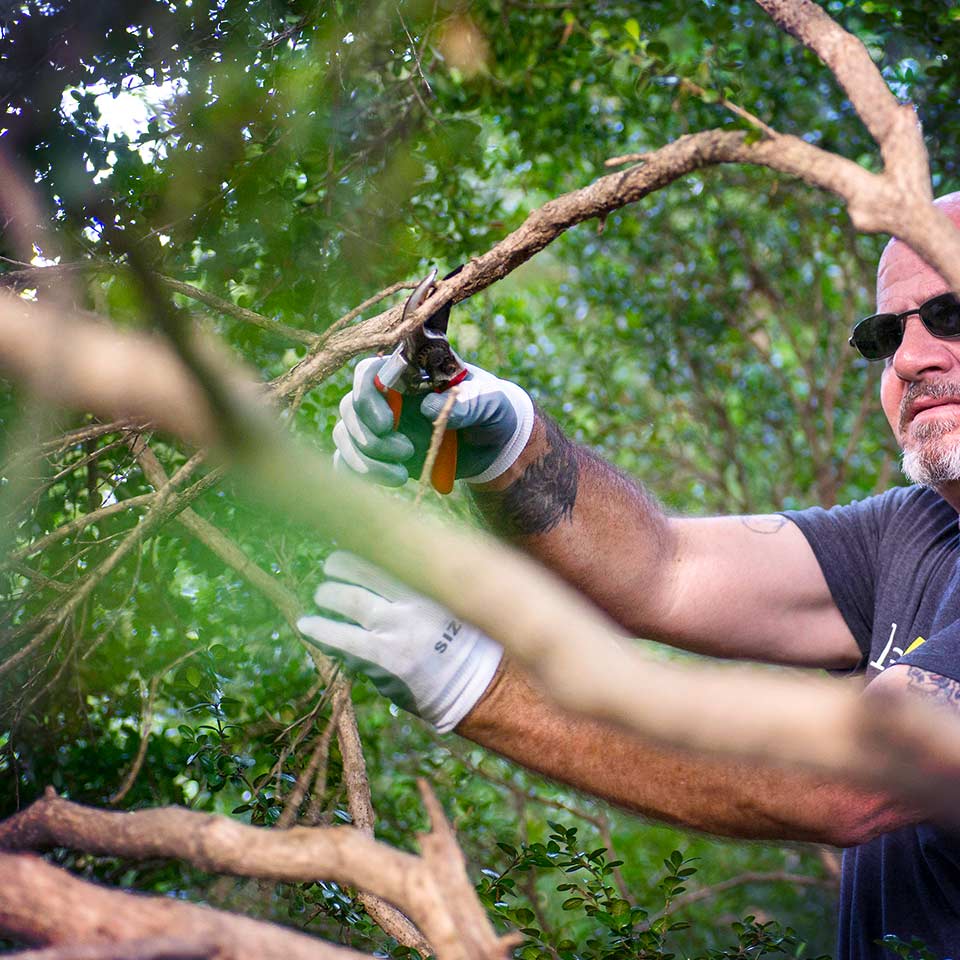
Dull tools crush plant stems instead of cutting cleanly. This damage invites disease and slows healing. Keep your pruning shears sharp and clean for best results.
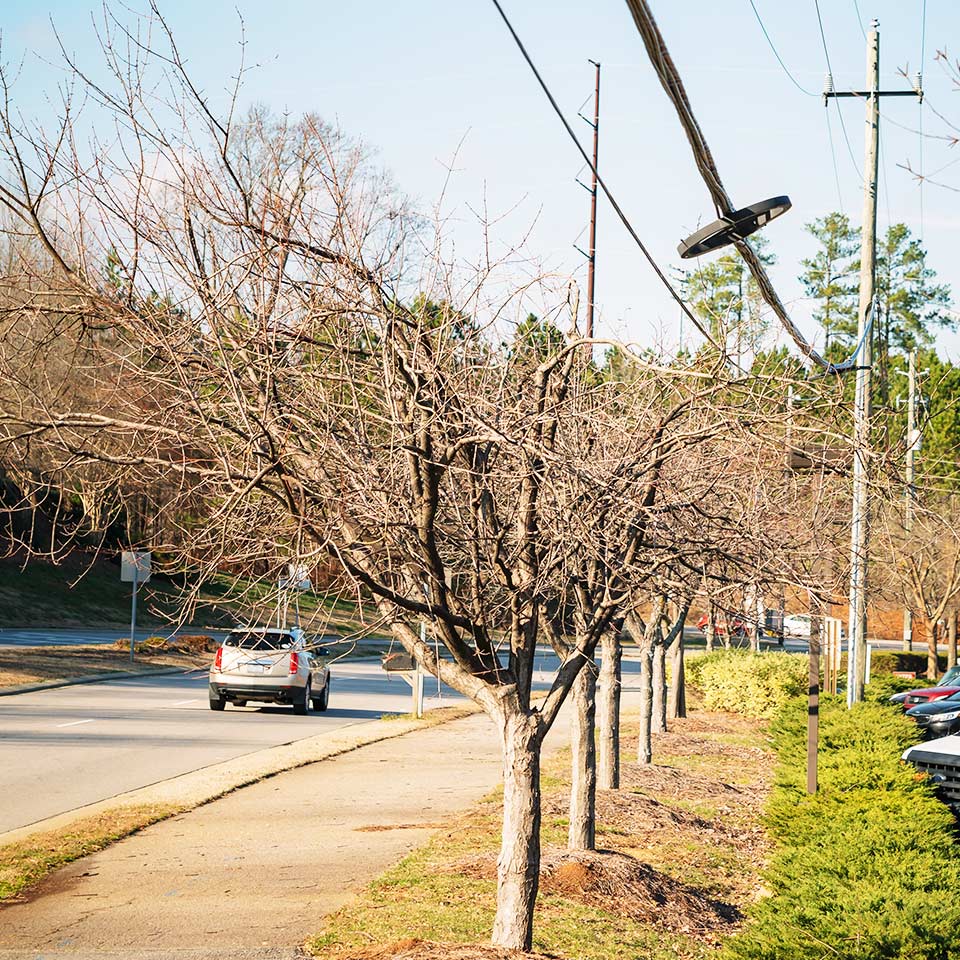
Removing Too Much Foliage
Cutting off too many leaves weakens the plant. Leaves make food through photosynthesis. Removing too much can stress or kill the plant.
- Do not remove more than 25% of the foliage at once.
- Focus on dead or damaged branches first.
- Keep some leaves to maintain energy production.
- Prune gradually over several sessions if needed.
Ignoring Plant Growth Patterns
Each plant grows in a special way. Cutting against this pattern can cause poor shape and weak structure. Study how your plant grows before pruning.
| Growth Pattern | Pruning Tip |
| Upright | Cut above outward-facing buds |
| Spreading | Remove inward shoots to open center |
| Vining | Trim side shoots to promote flowering |
Credit: www.leaflimb.com
Proper Pruning Techniques
Pruning helps plants grow strong and healthy. Using the right techniques keeps plants safe.
Many pruning mistakes can hurt plants. Learning proper pruning methods avoids damage.
Choosing The Right Tools
Good tools make pruning easier and cleaner. Use sharp tools to avoid tearing branches.
Different tools work best for different plants. Pick the right tool for the job.
- Use pruning shears for small branches
- Use loppers for medium branches
- Use a pruning saw for large branches
- Clean tools before and after use
Making Clean Cuts
Clean cuts help plants heal faster. Avoid jagged or crushed cuts that slow healing.
Cut just above a bud or branch junction. This encourages new growth in the right place.
- Cut at a 45-degree angle
- Make cuts close to the branch collar
- Remove dead or damaged wood first
Pruning For Shape And Health
Prune to keep plants balanced and healthy. Remove crowded branches to improve air flow.
Pruning helps control size and shape. It also removes weak or diseased parts.
- Thin out crowded branches
- Cut back branches that cross each other
- Remove suckers and water sprouts
- Keep the plant’s natural shape
Signs Of Over-pruning
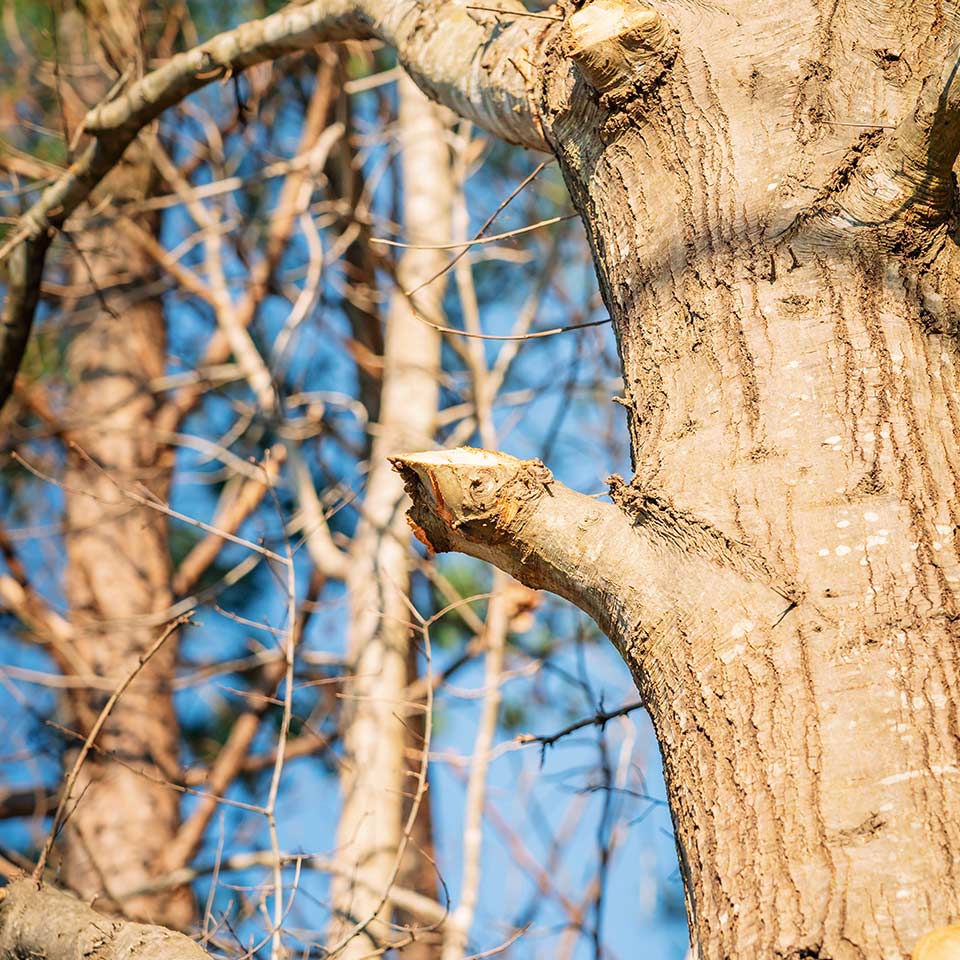
Over-pruning can harm plants and stop them from growing well. It is important to watch for signs that show a plant has been pruned too much.
Knowing these signs helps you take care of your plants better and avoid damage.
Wilting And Stress
Plants that are over-pruned often show wilting leaves and stems. This happens because the plant loses too many leaves that make food.
Wilting is a clear sign the plant is under stress and may not recover quickly without care.
- Leaves curl or droop
- Stems look weak or dry
- Plant feels dry to touch
Delayed Growth
Over-pruned plants often grow slower than usual. They need time to heal the wounds from cutting.
You may notice fewer new shoots or leaves for weeks after over-pruning.
- Less new leaf growth
- Smaller or fewer flowers
- Slow branch development
Increased Vulnerability To Pests
When plants are over-pruned, they become easier targets for pests. Open wounds attract bugs and diseases.
Pests can harm the plant further, making recovery hard.
- More insect damage on leaves and stems
- Signs of fungus or mold near cuts
- Presence of ants or other bugs
Credit: www.leaflimb.com
Plant-specific Pruning Tips
Pruning helps plants stay healthy and grow well. Different plants need different pruning methods. Knowing these tips can save your plants from damage.
Follow the right pruning rules for each type of plant. This guide covers shrubs, flowering plants, and trees.
Shrubs And Bushes
Prune shrubs to keep their shape and remove dead branches. Avoid cutting too much at once. Cut branches at an angle to help water run off.
- Prune in late winter or early spring before new growth starts
- Remove any crossing branches to improve air flow
- Do not cut more than one-third of the shrub at a time
- Use clean, sharp tools to make smooth cuts
Flowering Plants
Prune flowering plants carefully to protect blooms. Some bloom on old wood, others on new. Know your plant’s type before pruning.
| Plant Type | Best Pruning Time | Notes |
| Spring-blooming | Right after flowering | Prune old wood to keep blooms next year |
| Summer-blooming | Late winter or early spring | Prune before new growth for more flowers |
| Repeat bloomers | After first bloom | Light pruning encourages more flowers |
Trees
Pruning trees improves their shape and health. Avoid cutting large branches in the wrong season. Always cut just outside the branch collar.
Here are key pruning tips for trees:
- Prune in late winter when trees are dormant
- Remove dead, damaged, or diseased branches first
- Thin crowded branches to let light reach inside
- Do not remove more than 25% of the canopy at once
- Use proper tools to avoid tearing bark
Seasonal Pruning Guidelines
Pruning helps plants grow strong and healthy. Doing it at the right time is very important.
Each season has special rules for pruning. Avoid common mistakes by following these tips.
Spring Pruning
Spring is a busy time for plants. Prune only after buds start to open.
Cut dead or damaged branches to help new growth. Avoid heavy pruning early in spring.
- Remove broken or weak branches
- Wait until buds swell before pruning
- Don’t prune too much or plants may weaken
Summer Pruning
Summer pruning helps control plant size and shape. Focus on trimming unwanted growth.
Avoid heavy pruning that causes stress. Light pruning keeps plants healthy and neat.
- Cut back long shoots to keep shape
- Remove dead flowers to encourage blooms
- Avoid removing large branches in hot weather
Fall And Winter Pruning
Fall and winter are good for pruning many trees and shrubs. Plants rest during these seasons.
Prune before new growth starts in spring. Avoid pruning flowering plants that bloom in spring.
- Prune dead or diseased branches
- Do not prune spring-flowering shrubs in winter
- Cut branches to open the plant for air and light
Aftercare For Pruned Plants
Taking care of plants after pruning helps them heal well and grow strong. Proper aftercare reduces stress and prevents damage.
This guide covers watering, protecting cuts, and watching the plant’s recovery closely.
Watering And Fertilizing
Keep the soil moist but not soggy. Pruned plants need water to heal and grow new leaves or branches. Fertilize lightly to supply nutrients.
- Water deeply once or twice a week depending on weather.
- Use a balanced fertilizer with equal parts nitrogen, phosphorus, and potassium.
- Avoid over-fertilizing as it may harm the plant.
- Apply fertilizer after the first signs of new growth appear.
Protecting Cuts
Cover large cuts to stop pests and diseases. Use a clean pruning sealant or natural alternatives like wax or tree paint.
| Cut Size | Protection Method | Frequency |
| Small (under 1 inch) | Let dry naturally | None needed |
| Medium (1 to 3 inches) | Apply pruning sealant | Once after pruning |
| Large (over 3 inches) | Seal and monitor closely | Reapply if damaged |
Monitoring Plant Recovery
Check your plant daily for signs of stress or disease. New growth and healthy leaves mean good recovery.
- Look for wilting or yellowing leaves.
- Remove any dead or damaged branches.
- Watch for pests around cut areas.
- Adjust watering if the plant looks dry or soggy.
Frequently Asked Questions
What Are Common Pruning Mistakes To Avoid?
Common pruning mistakes include cutting too much, pruning at the wrong time, and improper cuts. Avoid these to maintain plant health and promote growth.
How Does Incorrect Pruning Harm Plants?
Incorrect pruning can cause wounds, invite disease, and stunt growth. It may also weaken branches, reducing the plant’s lifespan and beauty.
When Is The Best Time To Prune Plants?
The best time varies by plant species but generally late winter or early spring is ideal. Avoid pruning during active growth or extreme weather.
Why Should I Avoid Over-pruning My Trees?
Over-pruning stresses trees, reduces food production, and exposes them to pests. It weakens structural integrity and can lead to long-term damage.
Conclusion
Avoiding common pruning mistakes keeps your plants healthy and strong. Cut branches carefully to help growth. Use the right tools to make clean cuts. Don’t remove too much at once. Watch for disease or damage before pruning. Regular care leads to better blooms and fruit.
Stay patient; plants need time to heal. Pruning can seem tricky but gets easier with practice. Keep learning to protect your garden’s beauty. Small efforts make a big difference in your plants’ health.
