
Are you tired of looking at your lawn and seeing compacted soil and struggling grass? You’re not alone.
Many homeowners face the same issue, but there’s good news: you don’t need fancy equipment or professional help to fix it. Learning how to aerate your lawn by hand can breathe new life into your grass, making it lush and vibrant.
Imagine walking on a soft, green carpet that you’ve nurtured with your own hands. You’ll discover simple, effective techniques to aerate your lawn manually. You’ll learn why this process is crucial for healthy grass and how it can transform your outdoor space. Ready to give your lawn the attention it deserves? Keep reading, and let’s unlock the secrets to a greener, healthier lawn together!

Credit: www.youtube.com
Benefits Of Lawn Aeration
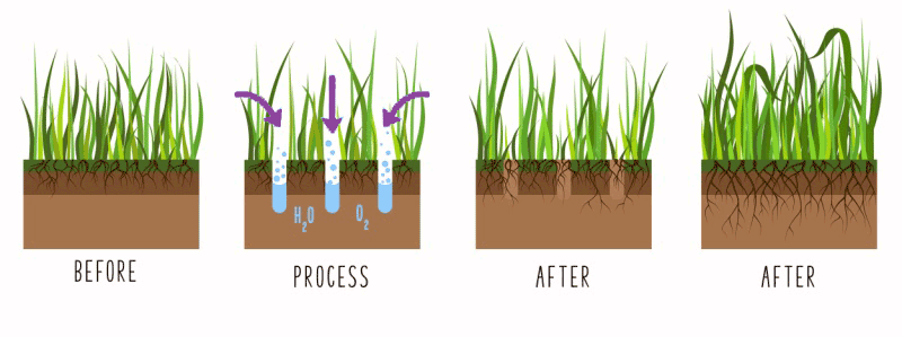
Lawn aeration helps keep your grass healthy and strong. It means making small holes in the soil by hand.
This process allows air, water, and nutrients to reach the roots better. It can improve the overall look of your lawn.
Improving Soil Health
Aeration helps soil stay loose and full of life. It lets air reach the tiny creatures in the soil that help plants grow.
These creatures break down dead leaves and grass. This process adds nutrients back into the soil for your lawn to use.
Enhancing Grass Growth
When the soil is aerated, grass roots get more space to grow. They can access water and nutrients easier.
Stronger roots mean thicker, greener grass. Your lawn will be better at fighting weeds and staying healthy.
Reducing Soil Compaction
Soil can get hard and compacted over time. This stops water and air from reaching the roots.
Aeration breaks up the compacted soil. This allows water to soak in and prevents puddles on your lawn.
- Improves drainage
- Prevents root damage
- Makes lawn care easier
Tools Needed For Hand Aeration
Aerating your lawn by hand helps grass roots grow better. It allows air, water, and nutrients to reach deep into the soil.
To do this job well, you need the right tools. Hand aeration tools are simple and easy to use.
Types Of Hand Aerators
There are different hand aerators you can choose from. Each type works in a slightly different way.
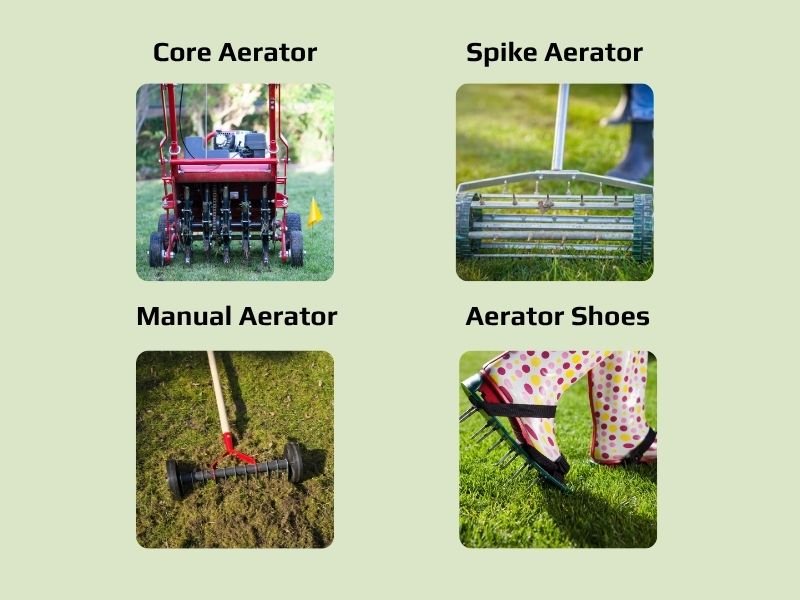
- Spike Aerators:These tools have solid spikes that poke holes in the soil.
- Core Aerators:These pull out small plugs of soil to create holes.
- Shoe Aerators:These attach to your shoes and create holes as you walk.
Core aerators are better for lawns with heavy soil. Spike aerators work well on softer soil. Shoe aerators are good for small areas.
Additional Helpful Tools
Besides the main aerator, some other tools make the job easier. These tools help prepare and finish the lawn aeration.
- Garden Rake:Use it to remove debris and thatch before aerating.
- Lawn Dethatcher:Helps clear thick layers of dead grass.
- Watering Can or Hose:Water the lawn after aeration to help grass recover.
- Gloves:Protect your hands during the work.
- Measuring Tape:Helps to space holes evenly if needed.
Preparing Your Lawn
Aerating your lawn by hand helps improve soil and grass health. Preparing your lawn correctly makes aeration easier and more effective.
Start by focusing on mowing and watering your lawn properly. Then check for any problem areas that need special attention.
Mowing And Watering
Cut your grass shorter than usual before aerating. This lets you reach the soil better and makes aeration easier.
- Mow your lawn to about 2 to 2.5 inches high
- Remove grass clippings to clear the surface
- Water your lawn deeply one day before aeration
- Ensure the soil is moist but not soggy
Marking Problem Areas
Look for spots where water pools or grass grows thin. These spots need extra care during aeration.
| Problem Area | Signs | Action |
| Low spots | Water pools after rain | Mark with a flag or stick |
| Compacted soil | Hard ground, poor grass growth | Plan to aerate multiple times |
| Thin grass patches | Brown or bare spots | Prepare to overseed after aeration |
Credit: www.ageas.co.uk
Step-by-step Aeration Process
Aerating your lawn by hand helps grass grow strong and healthy. It lets air, water, and nutrients reach the roots. This guide shows you how to aerate your lawn step by step.
Follow these simple steps to improve your lawn’s health without using machines. You only need basic tools and some time.
Choosing The Right Time
Pick the best time to aerate for good results. The soil should be moist but not soggy. This helps the aerator work well and makes the job easier.
- Aerate in early spring for cool-season grasses.
- Choose early fall for warm-season grasses.
- Avoid aerating during drought or extreme heat.
- Do not aerate when the soil is frozen or very dry.
Using The Aerator Effectively
Use a hand aerator tool that removes small plugs of soil from the lawn. This allows better air and water flow.
- Mark obstacles like sprinkler heads or rocks before starting.
- Push the aerator straight down into the soil.
- Pull the tool out to remove soil plugs.
- Move in rows, spacing holes about 3 to 4 inches apart.
- Overlap passes slightly for full coverage.
Covering The Entire Lawn
Make sure to aerate all areas of your lawn evenly. Missed spots can cause uneven growth and poor lawn health.
| Lawn Area | Recommended Pattern | Notes |
|---|---|---|
| Front Yard | Walk in straight rows | Overlap rows for full coverage |
| Back Yard | Use a grid pattern | Helps reach corners and edges |
| Shaded Areas | Aerate more frequently | Soil tends to compact here |
Post-aeration Lawn Care
After aerating your lawn by hand, proper care helps your grass grow strong. This care improves soil health and keeps your lawn green.
Follow simple steps to water, fertilize, seed, and maintain your aerated lawn. These steps help your lawn recover and thrive.
Watering And Fertilizing
Water your lawn lightly but often after aeration. This keeps the soil moist and helps roots grow deep. Avoid overwatering to prevent disease.
Apply fertilizer to feed your grass. Use a balanced fertilizer that matches your grass type. Fertilizing after aeration helps nutrients reach the roots faster.
- Water lawn for 10-15 minutes daily for the first week
- Use a slow-release fertilizer to avoid burning grass
- Apply fertilizer 1-2 days after aeration
- Adjust watering based on weather and soil moisture
Seeding Bare Spots
Fill bare spots with grass seed after aeration to promote new growth. Choose seed that matches your existing lawn for best results.
Lightly rake the soil to mix seed into the holes made by aeration. Keep the area moist until the new grass grows strong.
- Spread seed evenly over bare spots
- Press seed gently into soil with rake or your feet
- Water seeded areas twice daily until grass is visible
- Limit foot traffic on seeded spots to protect new grass
Maintaining Aerated Lawn
Keep your lawn healthy by mowing regularly and not cutting too short. Aeration helps roots grow better, so healthy maintenance is important.
Remove debris and avoid heavy traffic on your lawn while it recovers. Repeat aeration once or twice a year for best results.
- Set mower blade to a higher height after aeration
- Clear leaves and sticks to let grass breathe
- Limit walking on lawn for a few weeks after aeration
- Aerate lawn every spring or fall for healthy growth
Credit: dengarden.com
Common Mistakes To Avoid
Aerating your lawn by hand can help it grow strong and healthy. But some common mistakes can harm your grass instead.
Knowing what to avoid will save time and keep your lawn looking great for longer.
Over-aerating
Aerating too often or too much can damage your lawn’s roots. It can make the soil loose and hurt the grass.
- Aerate only once or twice a year, usually in spring or fall.
- Avoid making many holes close together in the same spot.
- Do not aerate if your lawn looks healthy and drains well.
- Stop if you see signs of stress like yellowing grass or bare patches.
Ignoring Soil Conditions
Different soil types need different care. Ignoring soil conditions can waste your effort.
| Soil Type | Aeration Tips |
| Clay | Aerate deeply to break compacted soil and improve drainage. |
| Sandy | Aerate lightly; sandy soil drains well and breaks easily. |
| Loam | Aerate moderately to keep soil balanced and healthy. |
Check your soil by digging a small hole or using a soil test kit. Adjust your aeration based on the results.
Frequently Asked Questions
What Tools Do I Need To Aerate My Lawn By Hand?
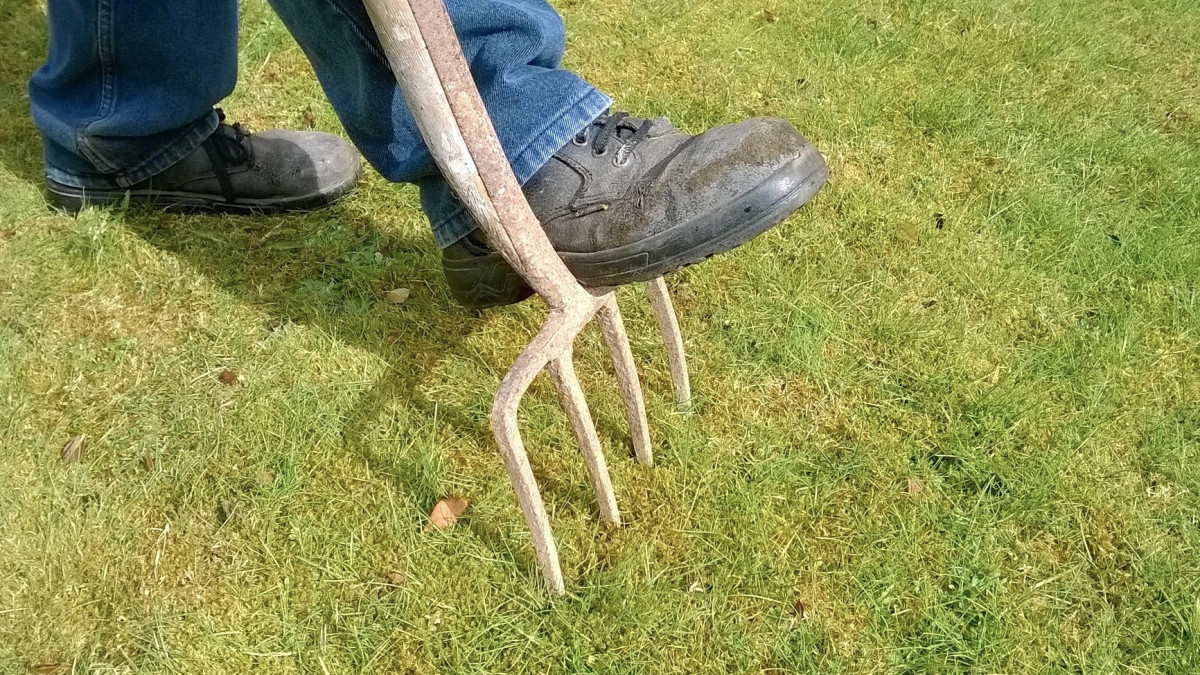
You need a manual lawn aerator, such as a spike or plug aerator. A garden fork can work too. These tools help create holes that improve soil aeration and water absorption.
When Is The Best Time To Aerate A Lawn By Hand?
The best time is during the growing season, usually spring or fall. Aerate when the soil is moist but not wet for easier penetration and better results.
How Often Should I Hand Aerate My Lawn?
Aerate your lawn once or twice a year. Over-aerating can harm grass roots. Annual aeration promotes healthy soil and stronger grass growth.
Can I Aerate My Lawn Without Special Equipment?
Yes, you can use a garden fork to aerate small lawns. Push it into the soil and wiggle to create holes. This method is simple but effective for minor aeration.
Conclusion
Aerating your lawn by hand improves soil health and grass growth. It lets air, water, and nutrients reach the roots better. This simple task helps reduce soil compaction and keeps your lawn green. Use the right tools and work carefully for best results.
Regular aeration makes your lawn stronger and more vibrant. Give your grass room to breathe and watch it thrive. Small efforts now bring big benefits later. Try hand aerating and enjoy a healthier lawn all year.
