
Are you tired of looking at an uneven lawn that feels more like a bumpy rollercoaster than a smooth, green paradise? Achieving a perfectly even lawn isn’t just about aesthetics; it’s about creating a safe and enjoyable space for you and your family.
If you’ve ever wondered how to roll your lawn for that flawless, even surface, you’re in the right place. In this guide, we’ll unlock the secrets to transforming your lawn into the lush, level ground you’ve always dreamed of. Imagine hosting backyard barbecues without worrying about tripping over lumps or enjoying a barefoot stroll on your perfectly manicured grass.
Keep reading, and discover how simple steps can lead to a stunning lawn that will make your neighbors green with envy.
Credit: turfquick.com
Preparing The Lawn
Rolling your lawn helps create a smooth, even surface. Proper preparation makes this process easier and more effective. It also helps your grass grow healthier and stronger.
Start by preparing the area carefully. Clear debris, cut the grass, and water the soil. These steps set the stage for a great result.
Clearing Debris
Remove all sticks, leaves, stones, and trash from your lawn. Debris blocks the roller and can damage your grass. Clear the area completely to avoid bumps and uneven spots.
- Pick up large sticks and branches
- Rake leaves and grass clippings
- Remove rocks and stones
- Dispose of trash and other waste
Mowing The Grass
Cut the grass to a short, even height before rolling. This helps the roller press the soil and roots evenly. Avoid cutting the grass too short to protect it from stress.
| Grass Height Before Rolling | Recommended Length |
|---|---|
| Warm-season grass | 1.5 to 2.5 inches |
| Cool-season grass | 2 to 3 inches |
| Newly seeded lawn | Wait until 3 inches tall |
Watering The Soil
Water the soil before rolling to soften it. Moist soil compacts better and creates a smooth surface. Avoid soaking the soil too much to prevent damage.
Tips for watering your lawn before rolling:
- Water the soil lightly a day before rolling.
- Check soil moisture by pressing your finger into the ground.
- The soil should feel damp but not muddy.
- Avoid watering just before rolling to prevent soil slipping.
Choosing The Right Roller
Rolling your lawn helps create a smooth and even surface. Picking the right roller makes this task easier and more effective.
A good roller helps press soil and grass roots to improve lawn health and appearance.
Types Of Lawn Rollers
Lawn rollers come in different types to fit various needs. Choose one based on your lawn size and soil condition.
- Water-filled rollers are light when empty and heavy when filled.
- Steel rollers are very heavy and work well on large areas.
- Plastic rollers are lightweight and easy to move.
Selecting The Appropriate Size
Pick a roller size that matches your lawn area. Too big makes it hard to control.
Small rollers suit small yards, while large rollers save time on big lawns.
- Small rollers: 12-18 inches wide, easy to handle
- Medium rollers: 18-24 inches wide, balance size and weight
- Large rollers: 24+ inches wide, good for big lawns
Filling Options
Rollers need weight to press the lawn evenly. Filling options add this weight.
Water and sand are common fillings. Water is easy to add and drain. Sand makes the roller heavier but harder to empty.
- Water: light when empty, easy to fill and drain
- Sand: heavier weight, stays inside longer
- Concrete: permanent weight, for heavy-duty rollers
Rolling Techniques
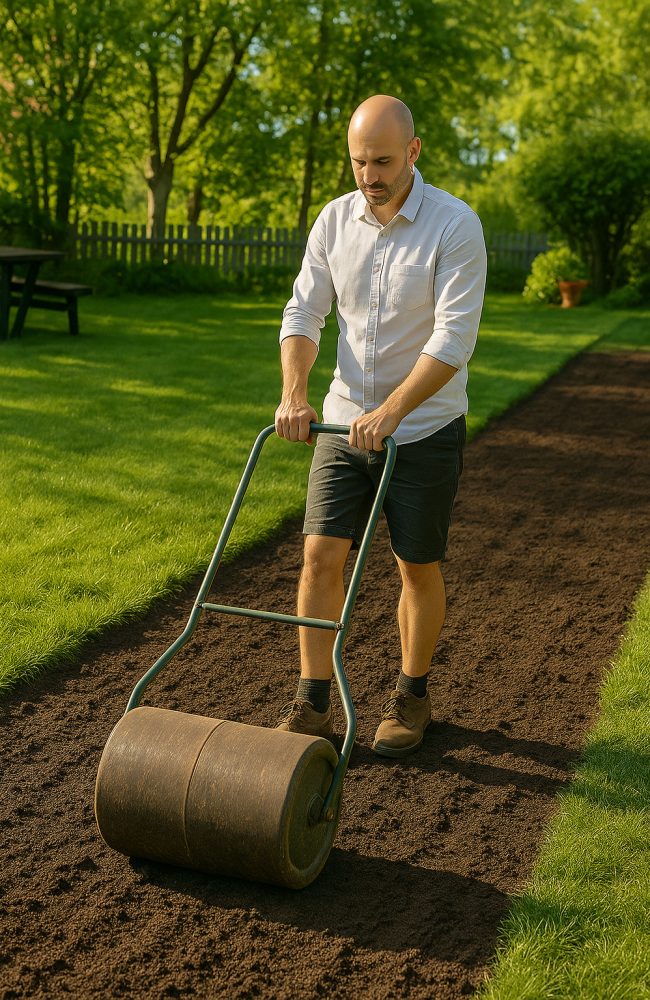
Rolling your lawn helps create a smooth, even surface. It presses the soil and grass to remove bumps.
Using the right rolling techniques improves lawn health and appearance.
Timing For Rolling
Roll your lawn when the soil is moist but not wet. This makes rolling easier and more effective.
Avoid rolling during very dry or rainy days. It can harm grass roots or cause soil compaction.
- Roll after watering or rain, when soil feels damp
- Avoid rolling on hard or dry soil
- Do not roll during heavy rain or flooding
Rolling Patterns
Use a clear rolling pattern to cover the entire lawn evenly. This helps avoid missed spots or uneven pressure.
Roll in straight lines, then turn 90 degrees and roll again. This cross pattern smooths the surface well.
- Start rolling along the lawn edge
- Roll straight across the lawn
- Turn and roll at a right angle to the first pass
- Repeat until the entire lawn is smooth
Avoiding Over-compaction
Do not roll your lawn too often or too heavily. Too much pressure can compact soil and hurt grass roots.
Use a light roller and limit rolling sessions. This keeps soil loose and grass healthy.
- Use a lawn roller filled with water or light material
- Roll only when needed, not daily
- Check soil firmness before rolling
- Stop if soil feels very hard or grass looks stressed

Credit: www.amazon.ca
Maintaining Even Turf
Rolling your lawn helps keep the surface smooth and even. It improves the look and health of your grass. A flat lawn prevents water pooling and uneven growth.
Use proper techniques to avoid compacting the soil too much. Careful maintenance keeps your turf strong and uniform.
Addressing Low Spots
Low spots cause water to gather and damage the grass. Fill these areas with a mix of soil and sand. Level the surface before rolling to improve evenness.
- Identify low areas after rain or watering.
- Loosen the soil in the low spots.
- Apply a soil and sand mix to fill holes.
- Rake the area smooth before rolling.
- Roll gently to settle the soil.
Regular Lawn Care
Consistent care helps maintain even turf. Proper watering, mowing, and aerating support healthy grass roots and soil structure.
| Care Task | Purpose | Frequency |
| Watering | Keeps soil moist for growth | 2-3 times per week |
| Mowing | Prevents tall grass and uneven patches | Weekly in growing season |
| Aerating | Reduces soil compaction | Once or twice per year |
Dealing With Soil Settling
Soil settles naturally over time. It creates dips in your lawn that need fixing. Rolling the lawn after adding new soil helps keep it level.
Tips for managing soil settling:
- Check for uneven areas regularly.
- Add topsoil or sand to sunken spots.
- Roll the lawn lightly to firm the soil.
- Avoid heavy rolling on wet soil to prevent compaction.
Common Mistakes To Avoid
Rolling your lawn helps create a smooth, even surface. Avoid mistakes that can harm your soil and grass.
Knowing what not to do will save time and keep your lawn healthy and flat.
Rolling Wet Soil
Do not roll your lawn when the soil is too wet. Wet soil can become compacted, hurting grass roots.
Rolling wet soil can create hard spots and poor drainage on your lawn.
- Wait for the soil to dry before rolling
- Avoid heavy rolling right after rain
- Check soil moisture with your hand or a tool
Ignoring Soil Type
Different soils need different care. Clay soil is heavy, while sandy soil drains fast.
Ignoring soil type may cause uneven surfaces or damage to your lawn.
- Clay soil needs lighter rolling to avoid compaction
- Sandy soil can handle firmer rolling
- Test soil type before starting your project
Skipping Follow-up Care
Rolling alone does not finish the job. You must care for your lawn after rolling.
Skipping follow-up care can cause patches, poor growth, and uneven surfaces.
- Water your lawn properly after rolling
- Fertilize to help grass recover
- Check for low spots and fill them

Credit: www.amazon.ca
Frequently Asked Questions
What Is The Best Time To Roll A Lawn For Even Surface?
The best time to roll a lawn is after seeding or laying sod. Early spring or fall works well. The soil should be moist but not soggy. Rolling helps press seeds and soil together, promoting better root contact and a smoother surface.
How Heavy Should A Lawn Roller Be?
A lawn roller should weigh between 100 to 200 pounds for residential lawns. Too heavy a roller can compact soil excessively, harming grass roots. Choose a moderate weight to smooth the surface without damaging soil structure or grass health.
Can I Roll My Lawn On Dry Soil?
Rolling a lawn on dry soil is not recommended. Dry soil is hard and uneven, making rolling ineffective. Moist soil softens the ground, allowing the roller to smooth bumps and improve seed-to-soil contact. Always water your lawn before rolling.
How Often Should You Roll Your Lawn?
Roll your lawn only when necessary, typically once or twice a year. Frequent rolling can compact soil and damage grass roots. Ideal times include after seeding or when the surface is uneven. Avoid rolling during drought or extreme heat.
Conclusion
Rolling your lawn helps create a smooth, even surface. It improves soil contact with grass roots. This leads to better growth and a neat look. Roll gently, avoid heavy pressure to protect the grass. Do this after seeding or laying sod for best results.
Consistent care keeps your lawn healthy and flat. Enjoy a beautiful yard that feels soft underfoot. Simple steps make a big difference in lawn care. Try rolling your lawn regularly to keep it even.
