
Have you ever found yourself standing in your backyard, overwhelmed by the clutter and chaos of leaves, tools, and garden debris? You’re not alone.
The battle between maintaining a tidy garden and the right equipment can be a daunting one. Enter the age-old debate: Yard Cart vs. Wheelbarrow. Both are trusted allies for any garden enthusiast, but which one truly deserves a spot in your shed?
Choosing the right tool can save you time, effort, and even prevent those pesky backaches. Imagine gliding through your garden tasks with ease, every trip more efficient than the last. That’s what the right choice promises. In this blog, we’ll dive deep into the strengths and weaknesses of both contenders, helping you make the decision that best suits your gardening needs. Stick around, and discover which tool will transform your gardening experience.
Yard Cart Features
A yard cart is a handy tool for moving materials around your yard. It helps carry heavy loads with less effort. Understanding its features can help you choose the right tool for your work.
This section covers the yard cart’s design, capacity, and how easy it is to move.
Design And Structure
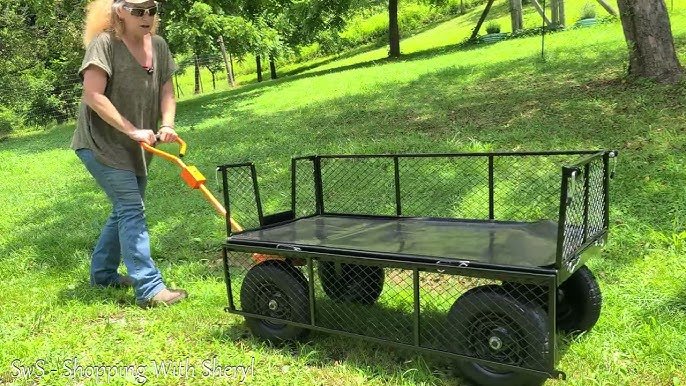
Yard carts often have a flat bed or deep basin to hold items. They usually come with four wheels for better balance. The frame is made of metal or heavy-duty plastic. Handles are designed for easy gripping and control.
Capacity And Size
| Feature | Yard Cart | Wheelbarrow |
|---|---|---|
| Load Capacity | Up to 600 lbs | Up to 150 lbs |
| Bed Size | Large and flat | Small and deep |
| Weight | Heavier | Lighter |
Maneuverability
- Four wheels offer good stability
- Steering is easier on flat surfaces
- Less suited for rough, uneven ground
- Handles allow easy pushing or pulling
Credit: www.vevor.ca
Wheelbarrow Features
Wheelbarrows are common tools for moving materials in gardens and work sites. They help carry heavy loads with less effort.
Understanding their features can help you choose the right wheelbarrow for your needs. Key areas include design, size, and ease of use.
Design And Structure
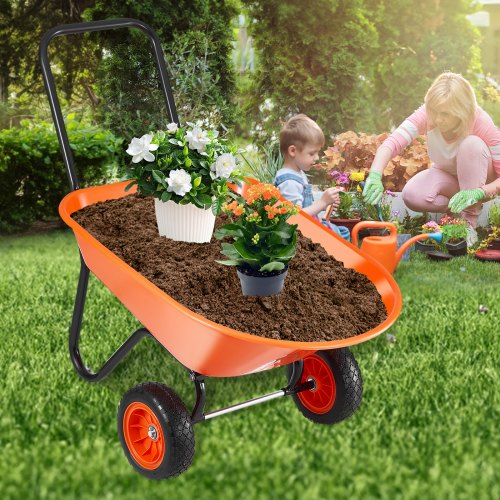
Wheelbarrows usually have one or two wheels at the front. They have a deep tray to hold materials and two handles at the back.
- Single-wheel models offer better maneuverability in tight spaces.
- Two-wheel versions provide more stability on uneven ground.
- Materials include steel, plastic, or wood trays with metal frames.
- Some have pneumatic tires for smoother movement over rough terrain.
Capacity And Size
| Capacity | Size | Weight |
| 4 cubic feet | Medium | 25-30 lbs |
| 6 cubic feet | Large | 30-40 lbs |
| 2 cubic feet | Small | 15-20 lbs |
Choosing the right size depends on the materials you carry. Larger trays hold more but can be heavier and harder to push.
Maneuverability
Good maneuverability helps you move the wheelbarrow with less effort. The wheel type and handle design affect this.
- Single wheels turn easily around corners.
- Two wheels improve balance but reduce sharp turning ability.
- Ergonomic handles reduce strain on your hands and arms.
- Pneumatic tires absorb shocks for smoother rides.
Material And Durability
Yard carts and wheelbarrows are tools used to move heavy or bulky items. Their materials affect how long they last and how well they work. Understanding the materials helps you pick the right tool for your needs.
Durability depends on the frame, container, and wheels. Both yard carts and wheelbarrows come in different materials that suit different jobs and weather conditions.
Common Materials Used
Yard carts and wheelbarrows use various materials for their parts. Each material has strengths and weaknesses in terms of weight, strength, and cost.
- Steel:Strong and heavy. It handles tough loads but can rust.
- Plastic:Lightweight and rust-proof. Not as strong for heavy loads.
- Aluminum:Light and rust-resistant. It is more expensive but lasts longer.
- Wood:Mostly used in traditional wheelbarrows. Can be sturdy but needs care.
Weather Resistance
Weather affects how well yard carts and wheelbarrows last. Some materials handle sun, rain, and cold better than others.
| Material | Resistance to Rust | Resistance to Cracks | Best for |
|---|---|---|---|
| Steel | Low (rusts easily) | High (strong frame) | Heavy-duty jobs in dry areas |
| Plastic | High (no rust) | Medium (can crack in cold) | Light loads, damp or wet areas |
| Aluminum | High (does not rust) | High (flexible but strong) | All weather, frequent use |
| Wood | Low (rots if wet) | Medium (may warp) | Dry climates, light gardening |
Maintenance Needs
Keeping your yard cart or wheelbarrow in good shape means regular care. Different materials need different types of maintenance to last longer.
- Steel:Clean after use and paint to prevent rust.
- Plastic:Wash with soap and water. Avoid dropping to prevent cracks.
- Aluminum:Wipe clean and check for dents.
- Wood:Treat with sealant and keep dry.
Ease Of Use
Choosing between a yard cart and a wheelbarrow depends on how easy they are to use. Both tools help move heavy things in your yard or garden. Understanding their ease of use can save you time and effort.
We will look at handling and control, weight distribution, and how well each tool works on different terrains.
Handling And Control
A yard cart usually has four wheels and two handles. It moves smoothly and stays steady. You can push or pull it with less effort. This makes it easier to control, especially for long distances.
A wheelbarrow has one wheel and two handles. It needs balance to use well. You lift the front and push it forward. It takes some practice to control it on uneven ground.
Weight Distribution
The yard cart spreads weight across four wheels. This means less strain on your arms and back. You can carry heavy loads without tipping over easily.
The wheelbarrow puts most weight on one wheel. You need to hold the handles tight to keep it balanced. This can be harder when the load is very heavy or uneven.
- Yard cart: weight spread evenly on four wheels
- Wheelbarrow: weight rests on one wheel and your arms
- Yard cart reduces strain on your body
- Wheelbarrow requires more strength to balance
Terrain Suitability
A yard cart works best on flat or smooth surfaces. Its four wheels may get stuck on rough or soft ground. It is ideal for paved paths and lawns.
A wheelbarrow handles rough and uneven terrain well. Its single wheel can go over rocks, dirt, and grass easier. This makes it useful for gardens and construction sites.
- Yard cart: best on flat and firm surfaces
- Wheelbarrow: good on rough and uneven ground
- Wheelbarrow offers better maneuverability on dirt
- Yard cart is more stable on pavement
Load Capacity And Performance
Yard carts and wheelbarrows are common tools for moving heavy loads. Choosing the right one depends on load capacity and how they perform in different tasks.
This guide looks at their maximum load limits, stability under load, and efficiency in various tasks.
Maximum Load Limits
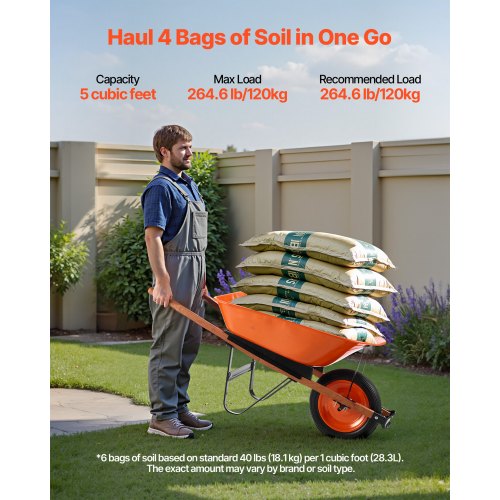
Yard carts usually carry more weight than wheelbarrows. This makes them good for large loads like mulch or soil bags.
| Tool | Load Capacity |
| Yard Cart | Up to 600 lbs |
| Wheelbarrow | Up to 300 lbs |
Stability Under Load
Stability affects safety and ease of use. Yard carts have four wheels, giving them strong balance on flat ground.
Wheelbarrows have one wheel. This can make them less stable but easier to maneuver in tight spaces.
- Yard carts resist tipping on even surfaces.
- Wheelbarrows require more skill to keep steady.
- Wheelbarrows work better on rough or uneven ground.
Efficiency In Different Tasks
Each tool suits different jobs. Yard carts carry heavy loads with less effort. Wheelbarrows help with quick trips and small jobs.
| Task | Yard Cart | Wheelbarrow |
|---|---|---|
| Moving soil bags | High efficiency | Moderate efficiency |
| Transporting plants | Good for many plants | Good for few plants |
| Navigating tight spaces | Limited | Excellent |
| Uneven terrain | Less effective | More effective |
Credit: www.vevor.ca
Cost And Value
Choosing between a yard cart and a wheelbarrow depends on cost and value. Both tools help move heavy materials in the garden or yard.
Understanding the price and long-term benefits can help you decide which one fits your needs best.
Price Range Comparison
Yard carts usually cost more than wheelbarrows. This is because yard carts have more parts and larger capacity.
Wheelbarrows tend to be cheaper and come in many sizes. The price depends on the material and brand.
| Tool | Price Range |
|---|---|
| Yard Cart | $100 – $300 |
| Wheelbarrow | $40 – $150 |
Long-term Investment
Yard carts last longer because they have strong frames and wheels. They carry more weight with less effort.
Wheelbarrows may need more repairs. The single wheel can wear out faster on rough ground.
- Yard carts have durable tires that handle rough terrain
- Wheelbarrows need tire replacements more often
- Yard carts reduce strain on your body
Availability Of Accessories
Yard carts offer more accessories like covers and hitch kits. These help protect your tools and connect the cart to other equipment.
Wheelbarrows have fewer accessories. Common add-ons include replacement tires and tool holders.
- Yard cart accessories: covers, hitches, extra side panels
- Wheelbarrow accessories: tire replacements, tool racks
- More accessories mean better customization options
Best Uses For Yard Carts
Yard carts make outdoor work easier by carrying many types of loads. They can help with gardening, landscaping, and hauling heavy items. Knowing their best uses helps you choose the right tool.
Yard carts differ from wheelbarrows in shape and function. This guide shows how yard carts work well for various tasks.
Gardening And Landscaping
Yard carts carry plants, soil, mulch, and tools. They have a flat bed and sides, making it easy to load many items. Using a yard cart reduces trips back and forth.
- Transport bags of soil and fertilizer
- Move potted plants or flowers
- Carry garden tools and hoses
- Haul mulch or compost for flower beds
Hauling Heavy Materials
Yard carts handle heavy loads like bricks, stones, or firewood. Their sturdy design keeps loads stable and easier to push or pull. This reduces strain on your body.
| Material | Yard Cart Use |
| Bricks | Carry multiple bricks at once safely |
| Firewood | Transport chopped logs without dropping |
| Rocks | Move garden stones with less effort |
| Soil Bags | Load and haul heavy bags easily |
Multi-purpose Applications
Yard carts serve many other outdoor tasks. Their flat design and wheels allow them to carry items that wheelbarrows may not hold well.
Common multi-purpose uses include:
- Moving camping gear or picnic supplies
- Transporting sports equipment
- Carrying trash bags or recycling bins
- Hauling small furniture or boxes during outdoor projects
Best Uses For Wheelbarrows
Wheelbarrows are a handy tool for many outdoor and construction tasks. They help move heavy loads with less effort.
This guide explains the best uses for wheelbarrows in three main areas. Each area shows how a wheelbarrow can save time and energy.
Construction And Building
Wheelbarrows are useful on building sites. They carry bricks, cement, and tools easily. Workers can move materials quickly without extra help.
- Transporting bricks and blocks
- Carrying mixed cement or concrete
- Moving tools and small equipment
- Clearing debris from work areas
Moving Loose Materials
Loose materials like soil, mulch, or gravel are easy to carry in a wheelbarrow. It saves many trips and reduces strain on the back.
| Material | Best Use |
| Soil | Gardening and landscaping |
| Mulch | Covering plant beds |
| Gravel | Pathways and driveways |
| Sand | Construction and play areas |
Narrow Path Accessibility
Wheelbarrows are narrow and easy to use on tight paths. They fit through gates and small garden ways where larger carts cannot pass.
- Easily maneuver through garden paths
- Access small spaces in yards or construction sites
- Carry loads without damaging plants or walkways
Safety Tips
Using a yard cart or wheelbarrow can make outdoor work easier. It is important to work safely to avoid injuries.
Follow simple safety tips to handle loads properly and prevent accidents.
Proper Lifting Techniques
Bend your knees and keep your back straight when lifting heavy items. Use your leg muscles to lift, not your back.
Keep the load close to your body. Avoid twisting your body while lifting or carrying the load.
- Stand close to the load
- Bend knees, not back
- Hold the load tight
- Lift using leg muscles
- Turn your feet, not your waist
Avoiding Overloading
Do not put too much weight on a yard cart or wheelbarrow. Heavy loads can cause tipping or damage.
Check the tool’s weight limit and keep loads balanced. Spread the weight evenly for better control.
- Know the weight limit of your tool
- Do not exceed the limit
- Keep loads balanced
- Distribute weight evenly
- Unload and reload if needed
Handling On Slopes
Be careful when pushing a yard cart or wheelbarrow on slopes. Slopes increase the risk of losing control.
Move slowly and keep the load steady. Push uphill and control speed downhill to stay safe.
- Go slow on slopes
- Push the load uphill
- Hold handles firmly
- Control speed going downhill
- Ask for help if load is heavy
Choosing The Right Tool
Picking between a yard cart and a wheelbarrow depends on the tasks you need to do. Each tool has strengths that fit certain jobs better.
Understanding your work and the features of each tool helps you make the best choice for your yard or garden.
Assessing Your Needs
Think about the type of work you will do most often. Yard carts work well for carrying loads on flat ground. Wheelbarrows are good for rough or uneven terrain.
- Consider the weight and size of the loads.
- Check the surface where you will use the tool.
- Think about how often you will use it.
- Decide if you need extra features like dumping or steering ease.
Comparing Features
| Feature | Yard Cart | Wheelbarrow |
| Load Capacity | Large, holds bulky items | Moderate, good for heavy materials |
| Terrain Handling | Best on flat surfaces | Can handle rough terrain |
| Maneuverability | Easy to push and pull | Needs balance and skill |
| Dumping Ease | Often has a tipping feature | Can tip easily with handles |
| Storage | Bulkier, takes more space | Compact, easier to store |
Making The Final Decision
Choose the tool that fits your main tasks and yard conditions. Think about how much work you want to do and how easy you want it to be.
- Pick a yard cart for carrying large, light loads on smooth ground.
- Pick a wheelbarrow for heavy materials and uneven areas.
- Test how each tool feels before buying if possible.
- Consider storage space and maintenance needs.

Credit: www.yahoo.com
Frequently Asked Questions
What Are The Main Differences Between Yard Carts And Wheelbarrows?
Yard carts have four wheels and a flat base, offering stability and easy maneuvering. Wheelbarrows have one or two wheels and a deep basin, ideal for carrying heavy, loose materials. Each suits different gardening and landscaping tasks based on load type and terrain.
Which Is Easier To Use For Heavy Loads, Yard Cart Or Wheelbarrow?
Yard carts are easier for heavy loads due to their four-wheel design, providing better balance. Wheelbarrows require more effort to stabilize and push, especially on uneven ground. Yard carts reduce strain and improve safety when moving bulky or heavy items.
Can A Yard Cart Replace A Wheelbarrow For Gardening?
A yard cart can replace a wheelbarrow for many tasks, especially for light to medium loads. However, wheelbarrows are better for transporting loose soil, gravel, or wet materials due to their deep basin. Choice depends on the specific gardening needs and terrain.
Are Yard Carts More Stable Than Wheelbarrows?
Yes, yard carts are more stable because of their four-wheel setup and wider base. Wheelbarrows, with one or two wheels, can tip easily under uneven weight or rough terrain. Stability makes yard carts safer for transporting large or awkward loads.
Conclusion
Choosing between a yard cart and a wheelbarrow depends on your needs. Yard carts offer stability and easy loading. Wheelbarrows work well for heavy, uneven loads. Consider the type of work you do most often. Think about your garden size and terrain.
Both tools make yard work easier and save time. Pick the one that fits your tasks best. Either way, your outdoor chores will feel lighter. Simple, practical, and helpful tools for every gardener.

