
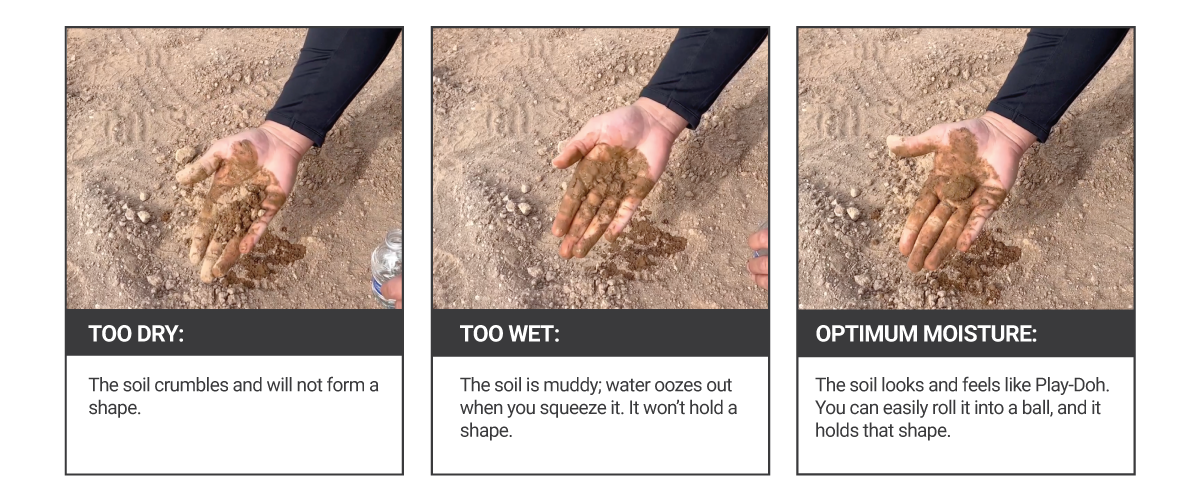
Have you ever wondered if it’s safe or even possible to roll on wet soil? Maybe you’ve felt the urge to dive into that soft, damp earth after a rainy day or wondered how it might feel against your skin.
But before you do, it’s important to know what happens when you roll on wet soil—both the fun and the risks. You’ll discover everything you need to know about rolling on wet soil, so you can decide if it’s worth trying and how to do it safely.
Keep reading to find out how wet soil can affect your body, clothes, and even your health.

Credit: www.reddit.com
Risks Of Rolling On Wet Soil
Rolling on wet soil can cause problems for your land and plants. Wet soil is softer and easier to damage.
It is important to know the risks before using rollers on wet ground. The damage can last a long time.
Soil Compaction And Damage
Wet soil compacts more easily under heavy equipment like rollers. Compaction means the soil particles squeeze together tightly.
This makes it hard for air and water to move in the soil. Roots also find it difficult to grow in compacted soil.
- Reduces soil porosity
- Limits water infiltration
- Increases runoff and erosion risk
- Hinders root growth and plant stability
Impact On Plant Health
Compacted soil affects plants by reducing the space for roots to spread. Plants get less oxygen and water.
Wet soil rolled on can lead to weaker plants and lower crop yields. Damaged soil makes it harder to grow healthy plants.
- Poor root development
- Lower nutrient uptake
- Increased plant stress
- Greater vulnerability to pests and diseases
Safety Concerns For Rollers
Rolling on wet soil can be risky for equipment operators. The ground may be slippery and unstable.
Rollers can get stuck or tip over on soft, wet soil. This can cause injuries or damage to machinery.
- Slippery surfaces increase accident risk
- Soft soil may trap heavy equipment
- Reduced control over machinery movement
- Potential for costly repairs and downtime
Credit: www.erosioncontrol-products.com
Factors Influencing Soil Condition
Rolling on wet soil can change how the ground feels and behaves. Soil condition depends on many things. These factors affect whether the soil is firm or soft.
Understanding soil condition helps decide if you can roll or walk on it safely. Some soils get muddy and slippery when wet. Others stay firm and dry quickly.
Soil Type And Drainage
Different soils hold water in different ways. Clay soil holds water longer and feels sticky. Sandy soil drains water fast and dries quickly.
Good drainage means water moves away from the soil fast. Poor drainage means water stays on or in the soil longer. This affects how wet the soil stays.
- Clay soil: holds water, becomes soft and sticky
- Sandy soil: drains water quickly, stays firm
- Loam soil: balanced water holding and drainage
- Good drainage: soil dries faster, less slippery
- Poor drainage: soil stays wet, soft, and muddy
Recent Weather Patterns
Rainfall and temperature affect soil moisture. Heavy rain makes soil wetter and softer. Dry weather dries soil and makes it firmer.
Cold weather can freeze wet soil, making it hard. Warm weather speeds up drying. Knowing recent weather helps predict soil condition.
- Heavy rain: soil becomes very wet and soft
- Dry days: soil dries and firms up
- Freezing cold: soil hardens if wet
- Warm weather: soil dries faster
Soil Moisture Levels
Soil moisture is how much water is in the soil. High moisture means soil is wet and soft. Low moisture means soil is dry and firm.
Moisture changes soil strength. Wet soil may not support weight well. Dry soil holds weight better and is safer for rolling.
- High moisture: soft, less stable soil
- Moderate moisture: balanced firmness
- Low moisture: dry, firm, stable soil
- Too much moisture: soil can become muddy
Timing For Rolling On Wet Soil
Rolling soil helps to firm it and improve seed-to-soil contact. Doing this at the right time is very important. Rolling when soil is too wet can cause damage.
This guide explains the best time to roll on wet soil. It also shows how to tell when soil is ready for rolling.
Ideal Moisture Conditions
Soil should be damp but not soaked before rolling. Too much water makes soil heavy and sticky. This can compact soil too much and harm plants.
The best moisture level lets the roller press soil without causing deep ruts. Soil that feels like a wrung-out sponge is good for rolling.
- Soil moist, not muddy
- Soil holds shape when squeezed lightly
- Soil crumbles easily when pressed hard
Signs Soil Is Ready For Rolling
Check soil before rolling to avoid damage. Look for these signs that soil is ready:
- Soil surface is firm but not hard
- No water pools or puddles on soil
- Soil does not stick to boots when walking
- Soil breaks apart when pressed strongly
Rolling at this time helps seeds stay in place and improves growth. Avoid rolling if soil is very wet or very dry.
Techniques To Minimize Damage
Rolling on wet soil can cause damage if done carelessly. Using the right techniques helps protect the soil.
These tips focus on equipment, rolling patterns, and care after rolling to keep soil healthy.
Choosing The Right Equipment
Use rollers that spread weight evenly to avoid deep soil compaction. Lightweight equipment reduces soil damage.
Wide rollers and smooth surfaces help prevent soil from sticking and tearing during rolling.
- Choose rollers with wide drums
- Use lightweight or adjustable pressure rollers
- Pick smooth, non-stick roller surfaces
Rolling Patterns And Pressure
Roll in straight lines to avoid creating uneven soil layers. Overlapping passes slightly helps cover all soil areas.
Apply gentle pressure to avoid pushing soil too deep. Slow rolling speed reduces soil disturbance.
- Roll in straight, even lines
- Overlap passes by 10-15%
- Use light pressure on the roller
- Keep rolling speed slow and steady
Post-rolling Soil Care
After rolling, check the soil for compacted spots. Aerate soil if needed to restore airflow and water movement.
Adding organic matter helps improve soil structure and reduces future damage from rolling on wet soil.
- Inspect soil for compacted areas
- Aerate soil to improve drainage
- Add compost or organic material
- Avoid heavy traffic on wet soil after rolling
Alternatives To Rolling On Wet Soil
Rolling on wet soil can damage the ground and harm plant roots. It also makes the soil compacted and less healthy.
There are better ways to care for your soil without rolling it when it is wet. These alternatives help keep soil healthy and ready for planting.
Using Aeration Methods
Aeration loosens soil by creating small holes. This helps water, air, and nutrients reach plant roots easily.
You can use tools like garden forks or aerators to gently poke the soil. This avoids the heavy pressure that rolling causes.
- Use a garden fork to make holes in the soil
- Try a manual or machine aerator for larger areas
- Aerate when soil is dry, not wet
Waiting For Soil To Dry
Wet soil is soft and easy to damage. Waiting lets the soil dry and become firm enough for rolling.
Check the soil by pressing it with your fingers. If it feels solid and not sticky, it is ready for rolling.
- Wait a day or two after rain before rolling
- Roll only when soil is dry but not too hard
- Dry soil prevents compaction and damage
Employing Lightweight Tools
Heavy rollers can compact wet soil too much. Use lightweight tools to reduce pressure on the ground.
Smaller rollers or hand tools help firm the soil gently without causing harm.
- Use lightweight lawn rollers for small jobs
- Hand tampers can help firm soil in spots
- Avoid heavy machinery on wet soil

Credit: www.reddit.com
Long-term Soil Health Strategies
Soil health is vital for growing plants and crops. Good soil supports roots and stores water well.
Taking care of soil over time helps keep it productive and alive with nutrients.
Improving Soil Structure
Soil structure means how soil particles stick together. Good structure lets air, water, and roots move easily.
- Use organic matter like compost or mulch to add nutrients.
- Avoid heavy machines on wet soil to stop compaction.
- Plant cover crops to protect soil from erosion.
- Rotate crops to keep soil healthy and balanced.
Maintaining Proper Drainage
Drainage stops water from pooling on soil. Waterlogged soil harms roots and slows growth.
| Drainage Method | Benefit |
| Raised beds | Improves water flow and root health |
| French drains | Redirects excess water away from soil |
| Soil grading | Prevents water from collecting in low spots |
| Organic mulch | Helps soil absorb water slowly |
Regular Soil Testing
Testing soil shows what nutrients it needs. It also checks pH and harmful elements.
- Collect soil samples from different spots in your garden.
- Send samples to a lab or use a home test kit.
- Follow recommendations to add nutrients or adjust pH.
- Test soil every 1 to 3 years to track changes.
Frequently Asked Questions
Can You Roll Wet Soil For Planting?
Rolling wet soil is not recommended for planting. Wet soil can compact easily, affecting root growth and drainage. Wait until soil is dry and crumbly. This ensures better aeration and structure, promoting healthy plant development.
What Happens If You Roll Wet Soil?
Rolling wet soil can cause compaction. This reduces air and water movement, harming plant roots. It can also lead to waterlogging and poor drainage. Always wait for the soil to dry before rolling.
Why Avoid Rolling Wet Soil?
Avoid rolling wet soil to prevent compaction and damage to soil structure. Compacted soil limits air and water flow, impacting plant health. Dry, crumbly soil is ideal for rolling, ensuring better results.
How To Check If Soil Is Too Wet?
To check soil moisture, squeeze a handful of soil. If water seeps out or it forms a tight ball, it’s too wet. If it crumbles, it’s suitable for rolling. This simple test ensures optimal soil condition for gardening activities.
Conclusion
Rolling on wet soil can be fun but also tricky. Wet soil can stick to your clothes and skin. It can make you cold or dirty quickly. Sometimes, it can even cause small injuries like scratches. Always check the ground first.
Choose a spot that is soft but not too muddy. Stay safe and enjoy the outdoors. Remember, a little care makes your experience better. Wet soil is not always the best place to roll, but it can be okay with caution.
