
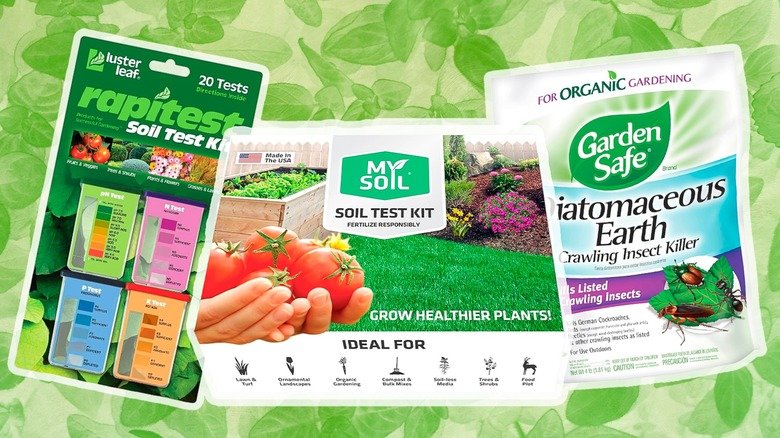
Are you dreaming of a bountiful vegetable garden, but unsure if your soil is up to the task? Choosing the right soil test kit can be the secret weapon you need to transform your garden into a thriving oasis.
With so many options available, it can be overwhelming to decide which one is best for your needs. But don’t worry—you’re not alone in this quest for the perfect soil test kit. We’ll guide you through the top picks that are trusted by gardening enthusiasts like you.
We’ll make sure you have all the information you need to make an informed choice. Ready to unlock the potential of your vegetable garden? Let’s dig into the details.
Benefits Of Soil Testing
Soil test kits help gardeners understand their soil better. They show what nutrients the soil has and what it lacks.
Using soil tests can lead to healthier plants and bigger vegetable harvests. Testing soil saves time and money in the garden.
Improving Vegetable Yield
Soil tests show the right balance of nutrients for vegetables. This helps plants grow strong and produce more fruits and vegetables.
Healthy soil means plants use water and sunlight better. This increases the amount of vegetables you can harvest.
Identifying Nutrient Deficiencies
Soil test kits detect missing nutrients like nitrogen, phosphorus, and potassium. Knowing this helps you fix soil problems quickly.
Fixing nutrient gaps stops plants from growing poorly or getting sick. It also helps avoid wasting fertilizer on nutrients the soil already has.
- Nitrogen helps leaves grow green and strong
- Phosphorus supports root and flower growth
- Potassium improves overall plant health and disease resistance
Optimizing Fertilizer Use
Soil testing guides how much fertilizer to add. It stops using too much or too little, saving money and protecting the environment.
Using the right fertilizer keeps soil healthy. It helps plants absorb nutrients better and grow faster.

Credit: www.familyhandyman.com
Types Of Soil Test Kits
Soil test kits help gardeners check their garden soil. They show what the soil needs for healthy vegetables.
There are different kits for different soil tests. Each kit measures specific soil traits.
Basic Ph Test Kits
Basic pH test kits measure the soil’s acidity or alkalinity. This is key for plant growth. Most vegetables grow best in slightly acidic to neutral soil.
- Easy to use and fast results
- Usually include color charts for pH levels
- Good for quick checks
- Affordable and simple
Nutrient-specific Kits
These kits test for specific nutrients in the soil. Common nutrients checked are nitrogen (N), phosphorus (P), and potassium (K). Knowing nutrient levels helps you add the right fertilizer.
| Nutrient | Role in Plant Growth | Signs of Deficiency |
| Nitrogen (N) | Helps leaves grow | Yellowing leaves |
| Phosphorus (P) | Supports root development | Poor root growth |
| Potassium (K) | Strengthens plants | Weak stems |
Comprehensive Soil Analysis Kits
Comprehensive kits give a full report on soil health. They test pH, nutrients, organic matter, and more. These kits often require sending soil samples to a lab.
- Detailed soil condition report
- Includes micronutrient levels
- May test soil texture and composition
- Best for serious gardeners and farmers
Key Features To Consider
Choosing the right soil test kit is important for a healthy vegetable garden. Testing your soil helps you know what nutrients it needs.
Look for features that match your garden size, budget, and skill level. This guide covers key points to think about.
Accuracy And Reliability
Good soil test kits give accurate results. This helps you add the right nutrients to your garden.
Check if the kit tests for important nutrients like nitrogen, phosphorus, and potassium. Reliable kits often have lab-tested results or clear instructions.
Ease Of Use
Pick a kit that is easy to use. Clear instructions and simple steps save time and reduce mistakes.
- Look for kits with color charts or digital readers.
- Choose kits that do not need extra tools.
- Consider how many soil samples the kit can test.
Testing Speed
Some kits give quick results at home. Others need you to send samples to a lab. Fast results help you act sooner.
| Type of Kit | Time to Get Results | Details |
|---|---|---|
| At-Home Kit | Minutes to Hours | Use color charts or meters to read results. |
| Lab Test Kit | Days to Weeks | Send samples to a lab for detailed analysis. |
Cost And Value
Compare prices and what the kit offers. A cheap kit may not test all nutrients well.
- Check how many tests are included in one kit.
- Consider the cost per test to find value.
- Think about the quality of materials and instructions.
Top Soil Test Kits For Vegetable Gardens
Testing your garden soil helps you grow healthy vegetables. It shows what nutrients your soil needs. You can fix problems before planting.
Soil test kits come in many types. Some are simple, others give detailed results. Here are some of the best kits for vegetable gardens.
Best Overall Kit
This kit is easy to use and gives accurate results. It tests for pH, nitrogen, phosphorus, and potassium levels. It is perfect for most vegetable gardens.
Best Budget-friendly Option
This kit costs less but still provides useful information. It tests soil pH and basic nutrients. It is good for small or beginner gardens.
- Simple to use
- Affordable price
- Quick results
- Includes easy instructions
Best For Detailed Nutrient Analysis
This kit offers a full nutrient profile. It checks micronutrients like calcium, magnesium, and iron. It helps gardeners adjust soil for specific vegetables.
| Nutrient | Tested |
| Nitrogen (N) | Yes |
| Phosphorus (P) | Yes |
| Potassium (K) | Yes |
| Calcium (Ca) | Yes |
| Magnesium (Mg) | Yes |
| Iron (Fe) | Yes |
Best Digital Soil Test Kit
This kit uses a digital meter to measure soil pH and moisture. It gives instant results. It is useful for gardeners who want fast and easy tests.
How To Use Soil Test Kits Effectively
Using soil test kits helps you know what your garden soil needs. This way, your vegetables grow healthy and strong.
Follow simple steps to collect samples, read results, and adjust your soil. These steps make your garden soil better for plants.
Collecting Soil Samples
Take soil samples from different parts of your garden. This gives a clear view of your soil’s condition.
- Use a clean tool like a trowel to dig 4 to 6 inches deep.
- Take samples from 5 to 10 spots in your garden.
- Mix all samples in a clean bucket.
- Remove roots, stones, and debris.
- Fill the soil test kit container with mixed soil.
Interpreting Test Results
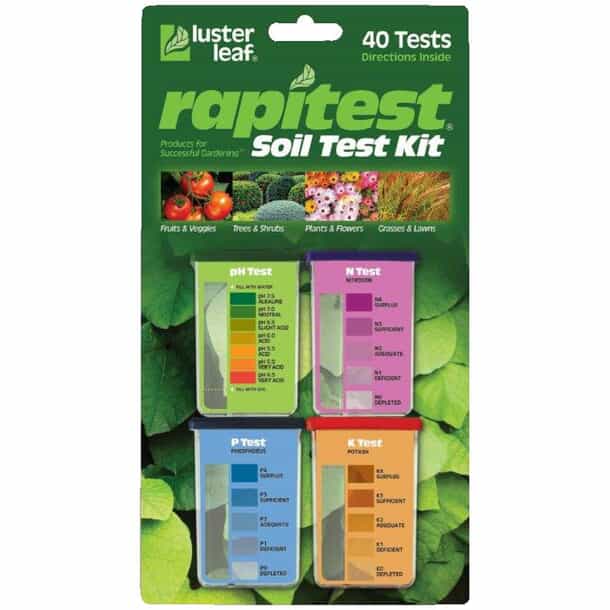
Read the test results to understand your soil’s pH and nutrient levels. Each number shows how much your soil has or lacks.
| Test Factor | Ideal Range for Vegetables | Meaning |
| pH | 6.0 – 7.0 | Soil acidity or alkalinity |
| Nitrogen (N) | Medium to High | Supports leaf growth |
| Phosphorus (P) | Medium | Helps root and flower growth |
| Potassium (K) | Medium to High | Improves overall plant health |
Adjusting Soil Based On Results
Use the results to add the right materials to your soil. This improves growth and crop yield.
- If pH is low, add lime to reduce acidity.
- If pH is high, add sulfur to lower alkalinity.
- For low nitrogen, use compost or manure.
- For low phosphorus, add bone meal or rock phosphate.
- For low potassium, add wood ash or potassium sulfate.
Credit: www.homehardware.ca
Maintaining Soil Health For Vegetables
Good soil health is key for growing strong vegetable plants. Healthy soil provides nutrients and water plants need to grow well.
Using the right soil test kits helps gardeners check soil quality. This way, they can fix problems before planting vegetables.
Regular Testing Schedule
Testing soil regularly helps keep it balanced and fertile. You can spot nutrient shortages or pH changes early. Most experts suggest testing twice a year: before planting and after harvest.
- Test soil in early spring to prepare for planting.
- Test soil in late fall to assess post-harvest conditions.
- Record test results to track soil changes over time.
Organic Amendments
Adding organic materials improves soil health naturally. Compost, manure, and leaf mold add nutrients and help soil hold moisture better.
| Organic Amendment | Benefit | Application Tips |
|---|---|---|
| Compost | Increases nutrients and improves texture | Mix into top 6 inches of soil before planting |
| Manure | Provides nitrogen and other nutrients | Use well-aged manure to avoid burning plants |
| Leaf Mold | Improves moisture retention and soil structure | Apply as a mulch layer or mix into soil |
Crop Rotation Benefits
Changing the types of vegetables grown in each bed each season stops pests and diseases. It also helps keep soil nutrients balanced.
- Rotate leafy greens with root vegetables each season.
- Plant legumes to add nitrogen to the soil naturally.
- Avoid planting the same vegetable family in the same spot two years in a row.

Credit: www.amazon.com
Frequently Asked Questions
What Are The Best Soil Test Kits For Vegetable Gardens?
The best soil test kits for vegetable gardens offer accurate pH and nutrient analysis. Look for kits testing nitrogen, phosphorus, potassium, and pH levels. Choose easy-to-use kits with clear instructions for reliable results. Popular brands include Luster Leaf, Rapitest, and Soil Savvy.
How Often Should I Test Soil In My Vegetable Garden?
Test your vegetable garden soil at least once a year. Early spring or fall is ideal for testing. Frequent testing helps track nutrient levels and soil health. Regular tests ensure your plants receive proper nutrients for optimal growth and yield.
Can Diy Soil Test Kits Provide Accurate Results?
DIY soil test kits provide reasonably accurate results for home gardeners. They measure pH and essential nutrients but may lack lab precision. For detailed analysis, consider sending samples to a professional lab. DIY kits are useful for quick assessments and routine monitoring.
What Nutrients Are Important In Soil For Vegetables?
Vegetables need nitrogen, phosphorus, potassium, and micronutrients like calcium and magnesium. Nitrogen promotes leaf growth, phosphorus supports roots, and potassium enhances fruit quality. Balanced nutrient levels improve vegetable health and yield. Soil testing helps identify nutrient deficiencies for proper fertilization.
Conclusion
Choosing the right soil test kit helps your vegetables grow strong. Test kits show what your soil needs. Healthy soil means better plants and bigger harvests. Simple kits work well for most home gardens. Regular testing keeps your soil balanced and plants happy.
Start with an easy kit and learn from the results. Your garden will thank you with fresh, tasty vegetables. Soil testing is a small step with big rewards. Try it and watch your garden thrive.
