
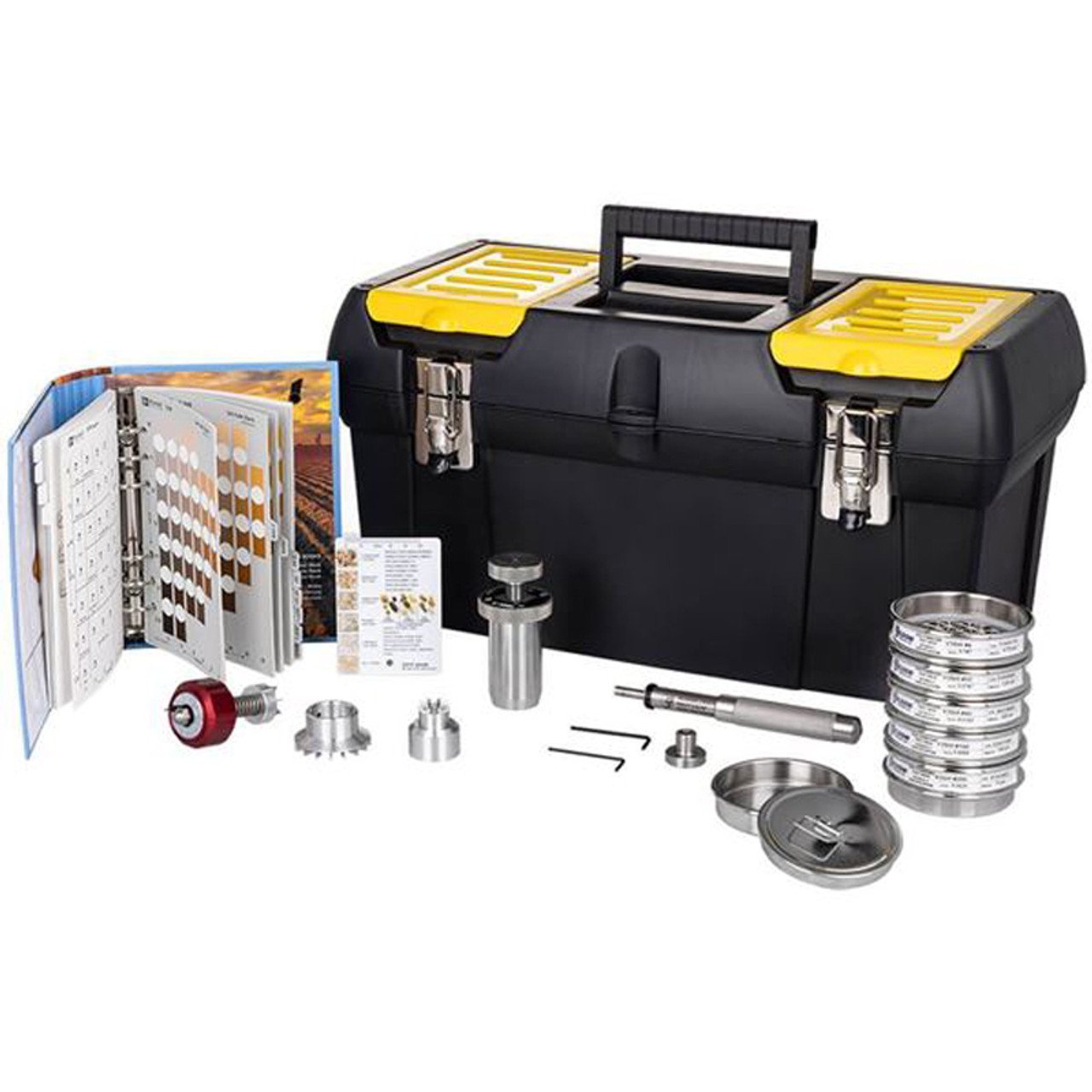
Curious about what tools are needed for soil testing? Whether you’re a seasoned gardener, a budding farmer, or just someone with a green thumb, understanding your soil is crucial for thriving plants and bountiful harvests.
Imagine the peace of mind you’ll gain by knowing exactly what your soil needs to flourish. With the right tools, you can unlock the secrets hidden beneath your feet and tailor your gardening or farming practices to perfection. Dive into this guide to discover the essential tools you need for soil testing, and transform your outdoor space into a lush paradise.
Keep reading to empower yourself with the knowledge that could change your planting game forever.

Credit: www.amazon.com
Basic Soil Testing Tools
Soil testing helps farmers and gardeners learn about their soil’s health. Using the right tools makes testing easier and more accurate.
This guide covers the basic tools needed for soil testing. Each tool has a specific role in collecting and storing soil samples.
Soil Auger And Probe
A soil auger and probe help collect soil samples from different depths. The auger is a drill-like tool that removes soil cores. The probe is a long, thin tube for pushing into the soil.
These tools are essential for getting samples that represent the soil layers accurately.
Shovel And Trowel
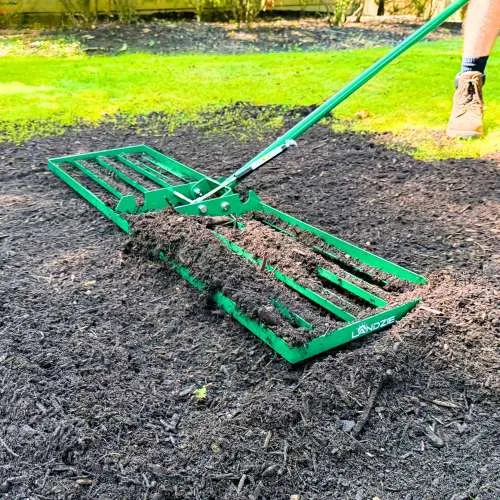
A shovel and trowel are simple tools used to dig and collect soil. The shovel is useful for digging larger areas. The trowel is good for smaller, precise sampling.
- Shovel: for digging and mixing soil
- Trowel: for scooping small soil amounts
- Both tools help remove surface debris before sampling
Sample Containers
Sample containers keep soil safe and clean during transport. They come in various sizes and materials like plastic or glass.
| Container Type | Best Use | Cleaning Tips |
| Plastic bags | Short-term storage | Use new or clean bags |
| Glass jars | Long-term storage | Wash with soap and water |
| Plastic containers | Transport samples | Rinse before use |
Credit: landzie.com
Measuring Instruments
Soil testing needs accurate tools to check important soil conditions. Measuring instruments help gardeners and farmers understand soil health.
These tools show soil pH, moisture, and temperature. Knowing these helps plants grow better.
Ph Meter
A pH meter measures how acidic or alkaline the soil is. It uses a probe to test soil samples. The pH level affects nutrient availability for plants.
Most pH meters are digital. They give quick and easy readings. Some require calibration before use.
Moisture Meter
A moisture meter shows how much water is in the soil. This helps avoid overwatering or underwatering plants.
- Insert the probe into the soil
- Wait for the meter to show moisture level
- Use the reading to decide watering needs
Some meters have scales that show dry, moist, or wet conditions.
Soil Thermometer
A soil thermometer measures soil temperature. Temperature affects seed germination and root growth.
| Temperature Range | Use |
| Below 50°F (10°C) | Too cold for many plants |
| 50°F to 85°F (10°C to 29°C) | Ideal for most crops |
| Above 85°F (29°C) | May harm sensitive plants |
Chemical Testing Kits
Soil testing helps farmers and gardeners know what their soil needs. Chemical testing kits are easy tools to check soil health. These kits test important soil properties like nutrients, salt, and organic matter.
Using the right chemical kits can improve plant growth. They show what to add or avoid in the soil for better crops and gardens.
Nutrient Test Kits
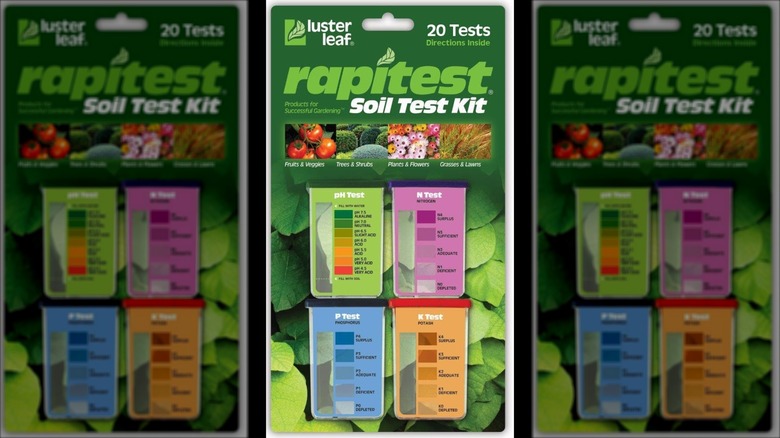
Nutrient test kits measure key elements in soil. These include nitrogen, phosphorus, and potassium. These nutrients help plants grow strong and healthy. The kits usually come with color charts to compare results.
- Collect soil samples from your garden or field
- Add soil to the test container
- Mix with the chemical solution provided
- Wait for the color change
- Match the color with the chart to read nutrient levels
Salinity Test Kits
Salinity test kits check the amount of salt in the soil. Too much salt can harm plants. These kits use a special sensor or a chemical solution that changes color to show salt levels.
| Test Type | Method | Result |
|---|---|---|
| Electrical Conductivity | Sensor probes soil moisture | Gives numeric salt level |
| Colorimetric Test | Chemical solution changes color | Compare with color chart |
Organic Matter Test Kits
Organic matter kits measure the amount of decomposed plant and animal material. This matter improves soil texture and water retention. The test usually involves mixing soil with chemicals and watching for color changes.
Common steps in organic matter testing:
- Collect a soil sample
- Add chemical reagent to soil
- Shake and wait for reaction
- Observe color or foam level
- Compare with guide to estimate organic content
Credit: www.tastingtable.com
Laboratory Equipment
Soil testing needs many tools in a lab. These tools help check soil quality and components.
Using the right equipment makes soil tests accurate and reliable. Each tool has a special job.
Sieves And Drying Ovens
Sieves separate soil into different sizes. This helps find soil texture and particle size.
Drying ovens remove moisture from soil samples. Dry soil is needed for many tests.
- Sieves come in different mesh sizes for sorting particles.
- Drying ovens keep soil at a constant temperature, usually around 105°C.
- Both tools prepare soil samples for further analysis.
Spectrophotometers
Spectrophotometers measure light absorbed by soil samples. This shows chemical content.
They help detect nutrients like nitrogen, phosphorus, and potassium in soil.
- Use light to check soil color and composition.
- Provide quick and precise results.
- Used for nutrient and contaminant testing.
Autoclaves And Incubators
Autoclaves sterilize soil samples by using high heat and pressure. This stops contamination.
Incubators keep soil at steady temperatures. This helps study microbes and soil biology.
- Autoclaves kill harmful bacteria and fungi.
- Incubators support microbial growth for testing.
- Both tools keep soil tests clean and controlled.
Safety And Maintenance Gear
Soil testing requires proper safety and maintenance tools. These tools protect you and keep your equipment working well.
Using the right gear helps avoid accidents and errors during soil sample collection and analysis.
Gloves And Protective Wear
Wear gloves to protect your hands from harmful chemicals and dirt. Protective clothing like aprons and safety glasses also keep you safe.
- Disposable or reusable gloves
- Safety goggles
- Aprons or lab coats
- Closed-toe shoes
Cleaning Supplies
Clean tools prevent contamination in soil samples. Use proper cleaning supplies to maintain your equipment.
| Cleaning Item | Purpose |
| Distilled water | Rinsing tools to remove soil particles |
| Soft brushes | Scrubbing dirt off equipment |
| Mild detergent | Cleaning stubborn stains |
| Lint-free cloths | Drying tools without leaving fibers |
Calibration Tools
Calibration tools ensure soil testing devices give accurate results. Regular calibration keeps tests reliable.
- pH meter calibration solutions
- Standard weight sets for scales
- Thermometer calibration kits
- Reference soil samples
Frequently Asked Questions
What Are The Essential Tools For Soil Testing?
Essential tools include soil augers, sample bags, pH meters, moisture probes, and test kits. These tools help collect, measure, and analyze soil properties accurately for better crop management.
How Does A Soil Auger Help In Soil Testing?
A soil auger collects soil samples from different depths quickly. It ensures consistent, uncontaminated samples, which are crucial for accurate soil analysis and determining nutrient levels.
Why Is A Ph Meter Important For Soil Testing?
A pH meter measures soil acidity or alkalinity precisely. Soil pH affects nutrient availability, so knowing it helps in adjusting soil conditions for optimal plant growth.
What Role Do Soil Moisture Probes Play In Testing?
Soil moisture probes measure water content in soil. This helps farmers maintain ideal moisture levels for crops, preventing overwatering or drought stress.
Conclusion
Soil testing needs a few basic tools to get started. A soil auger or spade helps collect samples easily. Clean containers keep samples safe and uncontaminated. PH meters and test kits show soil acidity and nutrients. These tools help understand soil health for better planting.
Using simple, right tools saves time and gives clear results. Testing soil well supports strong plant growth and good harvests. Start with these tools for healthy soil and better crops.
