
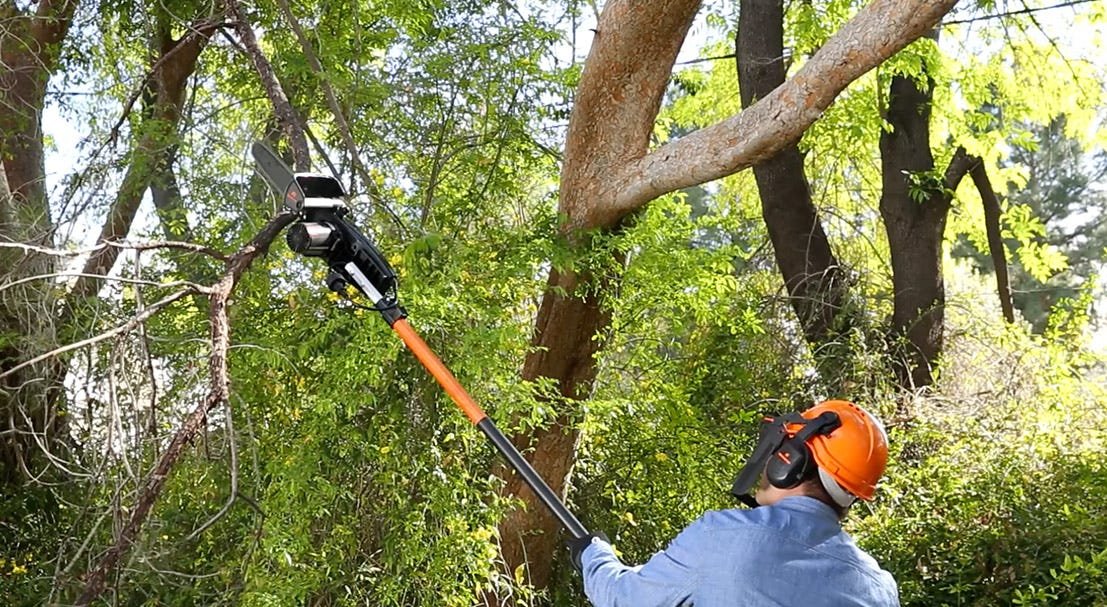
Cutting overhead branches can seem like a daunting task, especially when they’re just out of reach. But what if I told you there’s a tool that makes it easier and safer?
Enter the pole saw—a game-changer for anyone looking to trim those high branches without needing a ladder. In this guide, you’ll discover the step-by-step process to masterfully use a pole saw, ensuring your yard looks neat and your trees stay healthy.
Imagine the satisfaction of seeing your perfectly pruned trees and knowing you did it all yourself. Stay with us, and by the end, you’ll be equipped with all the know-how to tackle those overhead branches with confidence and ease.
Credit: gardeningproductsreview.com
Choosing The Right Pole Saw
Cutting overhead branches can be tricky without the right tools. A pole saw makes this task easier and safer. Choosing the right pole saw depends on your needs and the type of work.
This guide helps you understand the types of pole saws, power sources, and blade features. These points help you pick the best tool for your job.
Types Of Pole Saws
There are several types of pole saws. Each type fits different cutting needs and user skills. Knowing these helps you choose the best one.
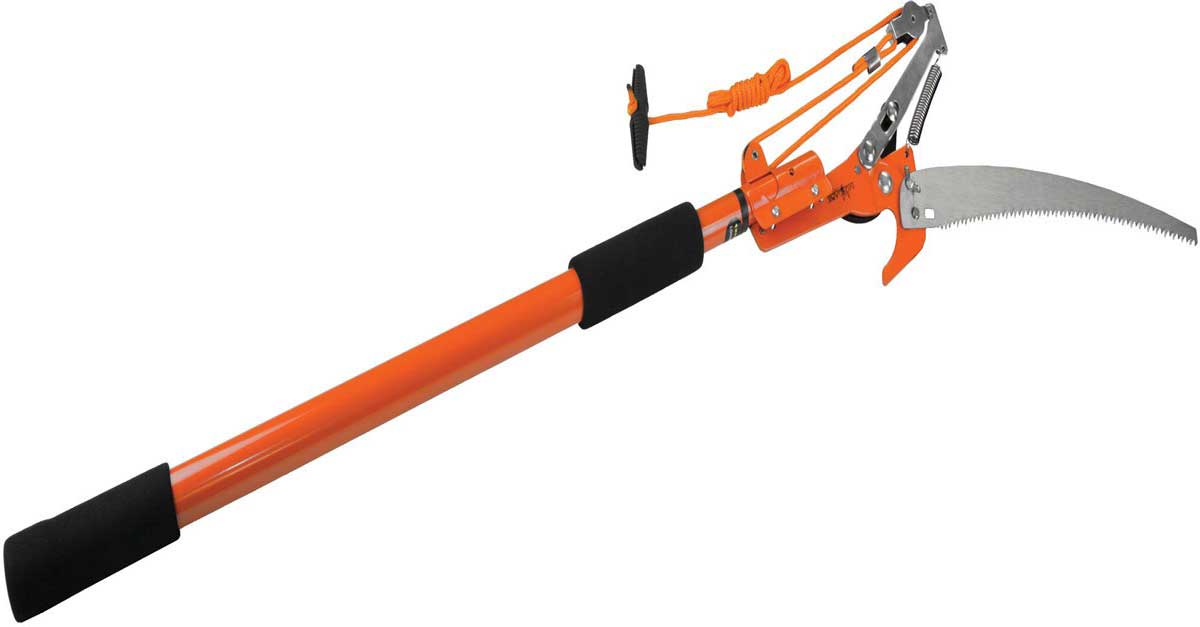
- Manual Pole Saws:These use a hand saw attached to a pole. They are light and quiet but need more effort.
- Electric Pole Saws:These run on electricity. They are easy to use and good for small to medium jobs.
- Gas Pole Saws:Powered by gas engines, these saws are strong and good for heavy-duty work. They are heavier and need more maintenance.
Power Source Options
The power source affects how you use and maintain the pole saw. Choose a power type that fits your work frequency and environment.
| Power Source | Advantages | Disadvantages |
| Manual | Lightweight, no fuel needed, low cost | Requires physical effort, slow cutting |
| Electric (Corded) | Consistent power, low noise, low maintenance | Limited by cord length, needs power outlet |
| Electric (Battery) | Portable, quiet, easy to start | Battery life limits work time, can be heavy |
| Gas | Powerful, good for large jobs, portable | Heavier, noisy, needs fuel and upkeep |
Blade Size And Features
Blade size impacts how thick a branch you can cut. Other features affect safety and ease of use.
- Blade Length:Longer blades cut bigger branches but are harder to control.
- Chain Type:Sharp, durable chains cut cleanly and safely.
- Safety Features:Look for chain brakes and anti-kickback chains to protect you.
- Adjustable Poles:Poles that extend help reach higher branches.

Credit: www.seesiius.com
Preparing For The Job
Cutting overhead branches with a pole saw needs careful preparation. This helps keep you safe and work smooth.
Before you start, check your safety gear, the area, and the pole saw. These steps lower risks.
Safety Gear Essentials
Wear proper safety gear to protect yourself from falling branches and saw accidents. Use gear that fits well.
- Helmet with face shield or safety goggles
- Sturdy gloves to protect your hands
- Long sleeves and pants to cover your skin
- Non-slip boots for good footing
- Hearing protection if the saw is loud
Inspecting The Area
Look around the tree before cutting. Clear any obstacles or hazards near your work zone.
Check for power lines and animals in the branches. Plan where the branches will fall.
- Remove tools, toys, and furniture from the area
- Keep pets and people at a safe distance
- Mark a clear escape path in case branches fall unexpectedly
Checking The Pole Saw
Inspect your pole saw before use. Make sure it works well and is safe to operate.
Look at the chain, handles, and power source. Fix or replace parts if needed.
- Check the chain tension and sharpness
- Test the safety switch and throttle control
- Ensure the pole is secure and extends properly
- Fill fuel or charge batteries fully
Step-by-step Cutting Process
Cutting overhead branches with a pole saw takes care and attention. This guide helps you do it safely and clearly.
Follow each step carefully to keep control and avoid accidents. Use the right tools and protect yourself.
Positioning Yourself
Stand on flat ground to keep your balance. Look for a spot where you can see the branch clearly.
Keep your feet shoulder-width apart. Avoid standing directly under the branch to stay safe.
Securing The Pole Saw
Hold the pole saw firmly with both hands. Make sure the saw is switched off before you start.
- Check the chain tension before use
- Wear safety gloves and eye protection
- Extend the pole to reach the branch comfortably
Making The Initial Cut
Start by cutting a small notch on the underside of the branch. This cut stops the bark from tearing.
Next, cut from the top, just outside the notch. Let the saw do the work without forcing it.
- Make a 3-inch notch from below
- Cut down from above to meet the notch
- Watch the branch as it begins to fall
Completing The Branch Removal
Once the branch starts to fall, step back quickly. Wait until it is fully on the ground before moving closer.
Cut the remaining stub close to the trunk. Be careful not to damage the tree bark with the saw.
- Step back during branch fall
- Wait until the branch stops moving
- Trim the stub carefully
- Inspect the cut area for any damage
Credit: community.thriveglobal.com
Safety Tips While Cutting
Cutting overhead branches with a pole saw can be risky. It is important to stay safe to avoid injuries.
Always use the right tools and follow safe cutting practices. This helps you work efficiently and safely.
Avoiding Falling Branches
Falling branches can cause serious injury. Watch the branch’s path before cutting to stay clear.
Cut branches in small sections if possible. This lowers the chance of large branches falling on you.
- Check the branch angle before cutting
- Stand to the side, not under the branch
- Wear a hard hat and safety glasses
- Clear the area of people and pets
Maintaining Balance
Good balance is key when using a pole saw. Work on stable ground and keep your feet firm.
Do not overreach or lean too far. Use a ladder only if it is steady and secure. Always keep control of the saw.
- Wear non-slip shoes
- Keep your body centered
- Move your feet to stay balanced
- Use both hands to hold the saw
Handling Unexpected Obstacles
Branches may hide wires or other hazards. Look carefully before cutting each branch.
If you see something unexpected, stop and assess the situation. Do not try to cut near power lines or unstable trees.
- Inspect the area for hidden hazards
- Keep a clear escape path
- Ask for help if unsure about danger
- Use protective gear at all times
Aftercare And Maintenance
Taking care of your pole saw after use keeps it working well for a long time. Proper maintenance helps prevent damage and ensures safety.
Simple steps like cleaning, storing, and checking the pole saw can save you money and time later.
Cleaning The Pole Saw
After cutting branches, clean the blade and pole saw to remove sap, dirt, and sawdust. This stops rust and keeps the saw sharp.
Use a brush or cloth to wipe the blade. You can also use mild soap and water for sticky sap. Dry the saw completely before storing.
- Remove debris from the blade and chain
- Wipe the pole to clear dirt and moisture
- Use a cloth with oil to protect the blade
- Dry all parts before putting away
Storing The Equipment
Store your pole saw in a dry place to avoid rust and damage. Keep it away from direct sunlight and moisture.
Hang the saw or place it on a rack to keep the blade safe. Cover the blade with a sheath if available to prevent accidents.
- Choose a dry, cool storage spot
- Keep the saw off the ground
- Cover the blade with a guard or sheath
- Store away from children and pets
Inspecting For Damage
Check the pole saw before and after use to find any damage. Look for cracks, loose parts, or dull blades.
Fix or replace damaged parts to avoid accidents. Regular checks keep your pole saw safe and ready to use.
- Look for cracks on the pole and handle
- Check the blade for chips or dullness
- Ensure screws and bolts are tight
- Test the chain tension and adjust if needed
Frequently Asked Questions
How Do I Safely Use A Pole Saw For Overhead Branches?
Always wear protective gear and inspect the pole saw before use. Maintain a firm grip and cut branches slowly. Avoid standing directly under the branch being cut to prevent injury from falling debris.
What Length Pole Saw Is Best For Tall Branches?
A pole saw with an adjustable length between 8 to 15 feet works well. Choose the length based on your tree height and reach needed. Longer poles provide better reach but can be harder to control.
When Is The Best Time To Cut Overhead Branches?
Late winter or early spring is ideal for cutting overhead branches. Trees are dormant, reducing sap loss and risk of disease. Avoid cutting during wet or windy conditions to ensure safety and clean cuts.
How Can I Prevent Damage To My Tree When Cutting Branches?
Make clean cuts just outside the branch collar without damaging bark. Use sharp blades to avoid tearing the wood. Avoid cutting large branches in one go to reduce stress on the tree.
Conclusion
Cutting overhead branches with a pole saw keeps trees healthy and safe. Always wear safety gear and check your tools before starting. Take your time to avoid accidents and get clean cuts. Regular trimming helps prevent damage to your home and power lines.
Practice makes the task easier and faster. Keep your pole saw clean and sharp for best results. Enjoy a neat yard and strong trees with proper branch cutting.
