
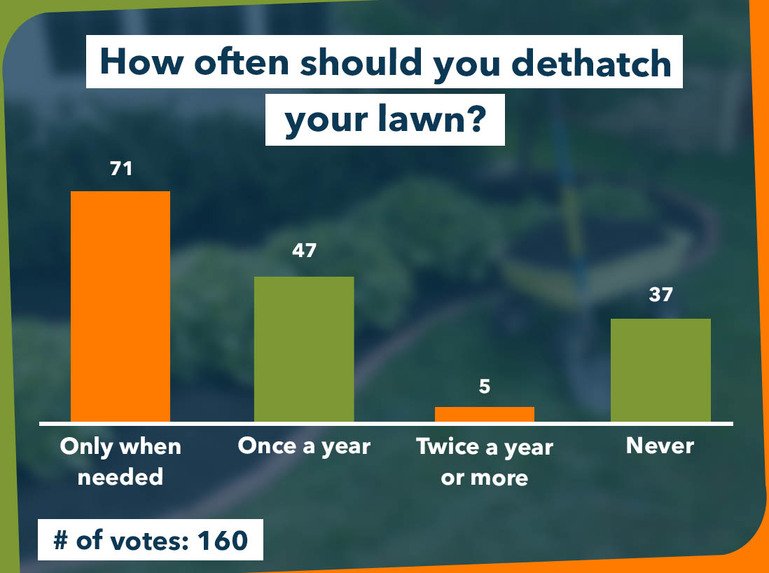
Is your lawn looking tired, patchy, or struggling to grow? You might be dealing with thatch—a layer of dead grass and roots that can choke your lawn’s health.
But how often should you dethatch your lawn to keep it green and thriving? Knowing the right timing can make all the difference between a lawn that flourishes and one that fights for survival. You’ll discover exactly when and why dethatching matters, so you can give your grass the care it deserves.
Keep reading to unlock the secrets to a lush, vibrant lawn!
What Is Lawn Dethatching
Lawn dethatching is the process of removing a thick layer of dead grass and roots. This layer is called thatch and it builds up between the soil and grass blades.
Too much thatch stops water, air, and nutrients from reaching the grass roots. Dethatching helps the lawn stay healthy and grow better.
Why Does Thatch Build Up?
Thatch builds up when grass clippings, roots, and stems do not break down quickly. This happens if the lawn is overwatered or has poor soil.
Some grass types naturally produce more thatch. Heavy use of fertilizers and pesticides can also increase thatch buildup.
Signs You Need To Dethatch
You may need to dethatch if your lawn shows poor growth or yellow patches. Water may also run off instead of soaking in.
- Spongy feel when walking on the lawn
- Grass looks thin or weak
- Excessive moss or weeds growing
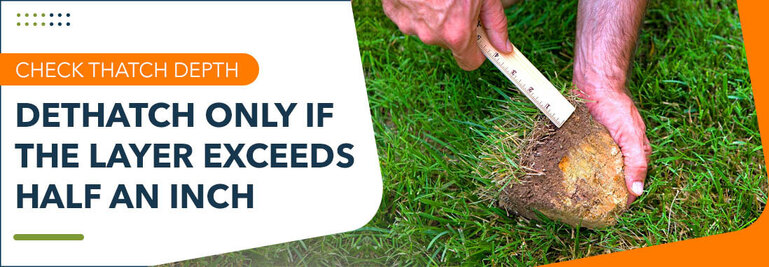
- Thatch layer thicker than half an inch
How Lawn Dethatching Works
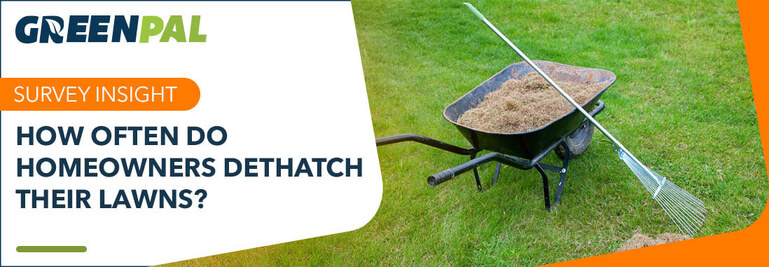
Dethatching is done with special tools like rakes or machines. These tools pull up the thatch layer from the soil surface.
After dethatching, the lawn looks cleaner and healthier. Water and nutrients can reach the roots more easily.
Credit: www.yourgreenpal.com
Signs Your Lawn Needs Dethatching
Dethatching helps keep your lawn healthy and green. It removes the layer of dead grass and roots that build up over time.
Knowing when to dethatch is important. Look for signs that show your lawn needs attention.
Visible Thatch Layer
A thick layer of thatch looks like a brown, spongy mat on the soil surface. It is usually more than half an inch thick.
This layer blocks air, water, and nutrients from reaching the grass roots. If you see this, dethatching is needed.
- Look for a brown layer between grass and soil
- Check if the layer feels spongy when you step on it
- If thicker than 0.5 inches, dethatch your lawn
Poor Grass Growth
Grass may look thin, weak, or patchy if thatch is too thick. The roots cannot grow deep because of the barrier.
If your lawn has bare spots or slow growth, dethatching can help improve it.
- Grass looks thin or yellow in spots
- New grass grows slowly or unevenly
- Soil feels hard and compacted under the grass
Water Drainage Issues
Thatch prevents water from reaching the soil. Water may pool on the surface or run off quickly without soaking in.
Poor drainage causes dry patches and weak grass. Dethatching improves water flow and lawn health.
- Water puddles on the lawn after rain or watering
- Soil remains dry below the thatch layer
- Grass shows signs of drought stress despite watering
Ideal Frequency For Dethatching
Dethatching removes dead grass and debris from your lawn. It helps grass roots get air, water, and nutrients.
How often to dethatch depends on several factors. These include grass type, climate, and how you use your lawn.
Grass Type Considerations
Different grasses produce thatch at different rates. Cool-season grasses like Kentucky bluegrass need dethatching less often. Warm-season grasses like Bermuda grass build up thatch faster.
- Cool-season grasses: dethatch every 2-3 years
- Warm-season grasses: dethatch annually or every 1-2 years
- New lawns: avoid dethatching until grass is well established
Climate Impact
Climate affects how fast thatch forms. In wet, humid areas, thatch builds up quickly. Dry, arid climates slow thatch growth.
| Climate Type | Recommended Dethatch Frequency |
| Wet and Humid | Every 1-2 years |
| Moderate | Every 2-3 years |
| Dry and Arid | Every 3-4 years |
Lawn Usage
How you use your lawn changes dethatching needs. Lawns with heavy foot traffic need more frequent care.
Consider these factors for dethatching based on lawn use:
- High traffic: dethatch every year
- Moderate traffic: dethatch every 2-3 years
- Low traffic or decorative lawns: dethatch every 3+ years
Best Time To Dethatch Your Lawn
Dethatching removes dead grass and debris from your lawn. This helps air, water, and nutrients reach the roots. Timing is important to avoid harming your lawn.
You should dethatch when your grass is growing actively. This allows it to recover quickly after dethatching.
Spring Timing
Spring is a good time to dethatch cool-season grasses. These grasses start growing fast in early spring. Dethatching then helps remove winter buildup.
Do not dethatch too early. Wait until the grass grows about 2 to 3 inches tall. This shows it is strong enough to handle dethatching.
Fall Timing
Fall works well for warm-season grasses. These grasses grow best in late spring and summer. Dethatching in early fall helps prepare the lawn for winter.
Fall dethatching removes dead material from summer. It also reduces thatch buildup before the next growing season.
Avoiding Stress Periods
Avoid dethatching during hot, dry weather. Lawns are stressed and may not recover well. Also avoid dethatching during dormancy.
- Do not dethatch during summer heat
- Avoid dethatching in dry or drought conditions
- Wait until grass starts growing after winter
- Choose times when soil is moist, but not wet
Tools And Techniques For Dethatching
Dethatching helps remove dead grass and debris from your lawn. It allows air, water, and nutrients to reach the soil better. Using the right tools and techniques makes dethatching easier and more effective.
This guide explains common tools and compares dethatching with aeration. You will learn which method suits your lawn needs best.
Manual Rakes
Manual rakes are simple tools used to pull up thatch by hand. They are best for small lawns or light thatch layers. You need to pull the rake across the grass firmly to lift the debris.
- Manual rakes are affordable and easy to use.
- They require physical effort and time.
- Best for spot treatments or small areas.
- They do not damage healthy grass roots.
Power Dethatchers
Power dethatchers use rotating blades or tines to remove thick thatch quickly. They are suitable for large lawns or heavy thatch buildup. These machines need careful handling to avoid lawn damage.
| Feature | Manual Rake | Power Dethatcher |
| Area Size | Small | Large |
| Effort Level | High | Low to Medium |
| Speed | Slow | Fast |
| Cost | Low | High |
| Risk to Lawn | Low | Medium |
Aeration Vs. Dethatching
Aeration and dethatching both improve lawn health but work differently. Aeration creates holes in the soil to help roots breathe. Dethatching removes dead grass layers on top of the soil.
- Aeration reduces soil compaction.
- Dethatching removes organic debris.
- Aeration uses spikes or plugs.
- Dethatching uses rakes or power tools.
- Both can be done in spring or fall.
Credit: www.yourgreenpal.com
Post-dethatching Lawn Care
After dethatching, your lawn needs special care to recover. Proper care ensures your grass grows back healthy and strong.
Focus on watering, fertilizing, and overseeding to support your lawn’s recovery. Each step is important for maintaining a vibrant lawn.
Watering Tips
Water your lawn deeply after dethatching. This helps roots absorb moisture and nutrients better.
Ensure you water in the morning to reduce evaporation. Avoid watering at night to prevent mold growth.
- Water twice a week for best results
- Use a sprinkler for even coverage
- Check soil moisture with a finger test
Fertilizing After Dethatching
Fertilizing provides nutrients for your lawn to grow. Choose a balanced fertilizer for best results.
Apply fertilizer evenly across the lawn. Follow instructions on the package for correct amounts.
- Use a spreader for even application
- Avoid fertilizing before rain
- Check the N-P-K ratio on the package
Overseeding Benefits
Overseeding fills in bare spots and thickens your lawn. It helps your lawn resist weeds and disease.
Choose grass seed that matches your existing lawn. Spread the seeds evenly for uniform growth.
- Overseed in fall or spring for best results
- Use a seed spreader for even distribution
- Water regularly after overseeding
Common Dethatching Mistakes To Avoid
Dethatching your lawn is important for healthy grass growth. But, doing it wrong can harm your lawn.
Let’s explore common mistakes and learn how to avoid them.
Dethatching Too Often
Dethatching too frequently can damage your grass. It is like giving your lawn a haircut too often.
- Dethatch only once a year.
- Choose early spring or early fall.
- Let grass recover fully before next dethatching.
Ignoring Lawn Health
Your lawn’s health decides if it needs dethatching. Weak lawns need more care before dethatching.
| Grass Type | Ideal Dethatching Time |
| Cool-season grass | Early fall or spring |
| Warm-season grass | Late spring to early summer |
Wrong Timing
Timing is key when dethatching your lawn. Doing it at the wrong time can stress your grass.
Check the weather forecast before dethatching. Avoid hot and dry days.
%20(1).jpg)
Credit: www.yourgreenpal.com
Frequently Asked Questions
How Often Should I Dethatch My Lawn Yearly?
Dethatch your lawn once every 1 to 3 years. This depends on grass type and thatch thickness. Regular inspection helps determine the ideal timing. Over-dethatching can harm grass roots, so avoid excessive frequency.
What Signs Indicate My Lawn Needs Dethatching?
Look for spongy grass, slow growth, or water pooling. Excessive thatch blocks nutrients and air from reaching roots. If thatch layer exceeds half an inch, it’s time to dethatch. Early action prevents lawn damage.
Can I Dethatch My Lawn In Any Season?
Spring and early fall are best for dethatching. Grass recovers faster during these times. Avoid dethatching in extreme heat or drought. Proper timing ensures healthy regrowth and minimal stress.
Does Dethatching Improve Lawn Health And Growth?
Yes, dethatching removes dead grass and debris. This improves air, water, and nutrient absorption. It promotes stronger root systems and healthier grass. Regular dethatching supports a lush, green lawn.
Conclusion
Dethatching your lawn keeps grass healthy and strong. Most lawns need dethatching once every one to three years. Too much dethatching can harm your grass roots. Watch your lawn’s condition to decide the right time. Thin or patchy grass often means it’s time to dethatch.
Regular care helps your lawn grow thick and green. Remember, healthy lawns make your yard look great. Keep an eye on thatch buildup to act on time. Simple steps lead to a beautiful, well-maintained lawn.
