

Are you ready to give your lawn the care it deserves but don’t know where to start with a lawn spreader? You’re not alone.
Using a lawn spreader might seem tricky at first, but with the right tips, you can make your yard look lush and healthy without any guesswork. Imagine walking on soft, green grass that’s evenly nourished and free of bare patches.
This guide will help you master the basics quickly, so you can avoid common mistakes and get the best results every time. Keep reading to discover simple, effective tips that will turn your lawn into the envy of the neighborhood.
Credit: treecarezone.com
Choosing The Right Spreader
Choosing the right lawn spreader helps you cover your lawn evenly. It saves time and ensures good results. Beginners should know the main types and features before buying.
This guide explains the types of spreaders, the difference between manual and powered, and how to choose the right size.
Types Of Lawn Spreaders
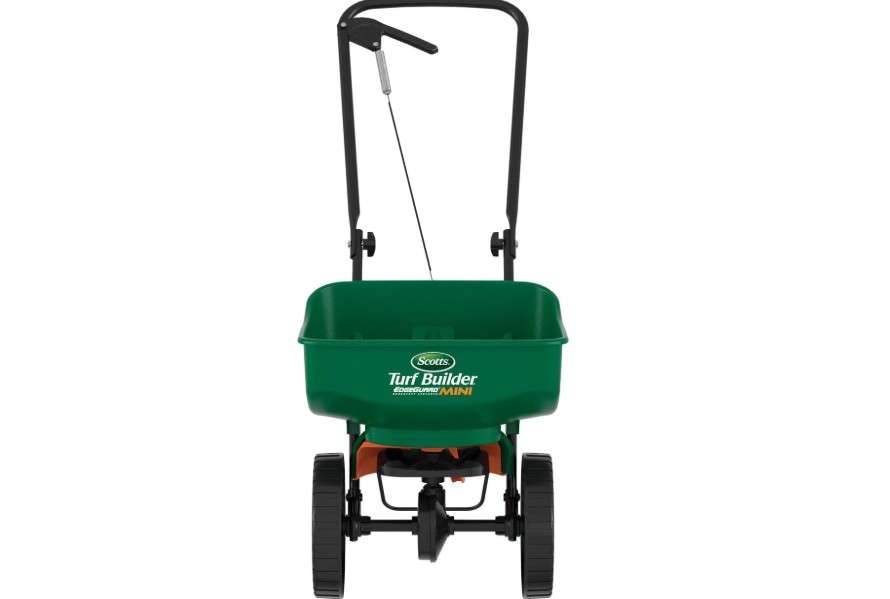
Lawn spreaders come in three main types. Each type works best for different tasks. Knowing these helps you pick the right one.
- Drop Spreaders:Drop spreaders release material in a straight line below the spreader. They give precise coverage but require careful walking to avoid missing spots.
- Broadcast Spreaders:Broadcast spreaders throw the material out in a wide pattern. They cover large areas fast but may lose some material to the wind.
- Handheld Spreaders:Handheld spreaders are small and good for tight spaces. They need more effort but offer good control for small lawns.
Manual Vs. Powered Spreaders
| Feature | Manual Spreader | Powered Spreader |
|---|---|---|
| Operation | Push or crank by hand | Runs on battery or gas |
| Speed | Slower, good for small lawns | Faster, suits large areas |
| Price | Less expensive | Higher cost |
| Maintenance | Simple, less upkeep | Needs more care |
| Weight | Lighter | Heavier |
Manual spreaders work well for small yards and light jobs. Powered spreaders save time on big lawns but need more money and care.
Spreader Size And Capacity
Choose a spreader size based on your lawn size. Larger tanks hold more material. This means fewer refills and faster work.
- Small spreaders hold 5 to 10 pounds of material. Best for small yards under 5,000 sq ft.
- Medium spreaders hold 10 to 20 pounds. Good for yards between 5,000 and 15,000 sq ft.
- Large spreaders hold over 20 pounds. Ideal for lawns bigger than 15,000 sq ft.

Credit: www.youtube.com
Preparing Your Lawn
Getting your lawn ready helps spread seeds and fertilizers evenly. It makes your lawn look healthy and green.
Before using a lawn spreader, prepare the area by clearing, checking soil, and marking boundaries.
Clearing Debris And Mowing
Remove sticks, leaves, and stones from your lawn. These objects can block the spreader and cause uneven spreading.
Mow your lawn to a medium height before spreading. This helps the seeds or fertilizer reach the soil better.
- Clear all large debris by hand or with a rake
- Collect fallen leaves and dispose of them
- Mow the grass to about 2.5 to 3 inches tall
- Remove grass clippings from the lawn surface
Checking Soil Conditions
Test your soil to know its type and nutrients. Good soil helps grass grow strong and healthy.
| Soil Type | Water Retention | Grass Growth |
| Sandy | Low | Needs More Water |
| Loamy | Medium | Ideal for Most Grass |
| Clay | High | Can Cause Drainage Issues |
Adjust your spreading amount based on soil needs. Use less on sandy soil and more on clay soil.
Marking Lawn Boundaries
Mark edges of your lawn to avoid spreading outside your yard. This keeps sidewalks and flower beds clean.
Tips for Marking Boundaries:
- Use string or garden hose to outline edges
- Place small flags or markers along the border
- Check boundaries in low light to avoid mistakes
- Re-mark after heavy rain or wind
Setting Up The Spreader
Using a lawn spreader correctly helps your grass get even coverage. Setting up the spreader right prevents waste and keeps your lawn healthy.
This guide covers how to calibrate, adjust settings, and fill the hopper properly for best results.
Calibrating For Accuracy
Calibration makes sure the spreader drops the right amount of material. Start by checking the spreader’s output on a small test area.
- Measure a fixed length of lawn, such as 100 square feet.
- Fill the hopper with a known amount of fertilizer or seed.
- Push the spreader over the test area at a steady pace.
- Measure how much material was used to cover the area.
- Adjust the settings if needed to match the product instructions.
Adjusting Spreader Settings
Different products need different spreader settings. Adjust the opening size to control how much material falls out.
| Product Type | Recommended Setting |
| Grass Seed | Low to Medium |
| Fertilizer | Medium |
| Weed Control | Low |
| Ice Melt | High |
Filling The Hopper Properly
Fill the hopper carefully to avoid spills and clumps. Do not overfill, as this can cause uneven spreading.
- Use a funnel or scoop to pour material into the hopper.
- Keep the hopper clean and dry before filling.
- Fill only to the recommended level shown on the spreader.
- Close the hopper lid securely if your spreader has one.
Spreading Techniques
Using a lawn spreader correctly helps your grass grow healthy and green. Good spreading techniques give even coverage to your lawn.
Learn simple ways to control your spreader for the best results. These tips help beginners avoid common problems.
Choosing The Right Walking Speed
Walking speed affects how much fertilizer or seed your spreader drops. Moving too fast can cause thin spots. Moving too slow can cause piles.
Keep your pace steady and comfortable. Find a speed that lets you easily control the spreader without rushing.
Overlapping Passes For Even Coverage
Overlap your passes slightly to avoid missed spots. This means each pass covers some of the area from the last pass.
- Start at one edge of the lawn
- Push the spreader in a straight line
- Turn around and begin the next pass with a small overlap
- Keep the overlap consistent for best results
Avoiding Common Mistakes
| Mistake | Effect | How to Fix |
|---|---|---|
| Walking too fast | Uneven spreading | Slow down to a steady pace |
| Not overlapping passes | Missed spots on lawn | Overlap passes slightly |
| Using wrong spreader setting | Too much or too little material | Check product instructions for settings |
| Spreading in windy conditions | Material blows away | Spread on calm days |
Post-spreading Care
After spreading fertilizer or seed, your lawn needs care to grow well. Proper steps help keep the grass healthy and green.
Take time to water, clean your tools, and watch your lawn’s health. These actions protect your lawn and equipment.
Watering Your Lawn
Water your lawn soon after spreading to help nutrients reach the soil. Keep the soil moist but not soaked.
- Water gently to avoid washing away the fertilizer
- Use a sprinkler for even coverage
- Water early in the morning or late in the evening
- Do not overwater to prevent disease
Cleaning And Storing The Spreader
Cleaning your spreader after use keeps it in good shape. Remove any leftover material and dirt to avoid rust and clogging.
| Cleaning Step | What to Do |
| Empty | Remove all fertilizer or seed from the hopper |
| Brush | Use a dry brush to clean residue from gears and wheels |
| Wash | Rinse with water if needed, then dry thoroughly |
| Store | Keep in a dry place away from moisture |
Monitoring Lawn Health
Watch your lawn for signs of stress or disease. Early action helps keep the grass strong and green.
- Check for yellow or brown spots
- Look for pests or unusual insects
- Notice if the grass grows unevenly
- Adjust watering and mowing as needed

Credit: fairwaylawns.com
Troubleshooting Common Issues
Lawn spreaders help in evenly spreading seeds and fertilizers. Beginners may face some issues. Understanding these can save time and effort.
This guide will help you fix common problems. You will learn easy solutions for better lawn care.
Uneven Distribution Fixes
Uneven spreading can harm your lawn. Check the spreader settings. Make sure it’s set for the right product.
Move at a steady pace. Walking too fast or slow causes uneven spread. Overlap your paths slightly for full coverage.
- Check spreader calibration
- Walk at a consistent speed
- Overlap paths by a few inches
Dealing With Clogs
Clogs can stop your spreader from working. Check for wet or clumpy materials. Dry them before use.
Clean the spreader after each use. Remove any stuck materials. Use a brush to clear clogs in the chute.
- Keep materials dry and free-flowing
- Clean the spreader after use
- Use a brush to clear blockages
Adjusting For Different Lawn Products
Different products need different settings. Check the product packaging for spreader settings. Adjust the spreader to match.
Test the spreader on a small area first. Adjust settings if needed. This ensures the product is spread correctly.
- Read product instructions
- Adjust spreader settings accordingly
- Test on a small patch of lawn
Frequently Asked Questions
What Type Of Lawn Spreader Is Best For Beginners?
A broadcast spreader is best for beginners. It covers large areas quickly and evenly. Push models are easy to handle and control. Choose one with adjustable settings for better accuracy.
How Do I Calibrate A Lawn Spreader Correctly?
To calibrate, fill the spreader with the material. Measure output over a set distance. Adjust settings until the spread rate matches package instructions. Proper calibration ensures even distribution and avoids waste.
When Is The Best Time To Use A Lawn Spreader?
The best time is during dry, calm weather. Avoid windy or wet days to prevent uneven spreading. Early morning or late afternoon is ideal to reduce material loss.
How Much Material Should I Apply Per Square Foot?
Follow the product label for the correct rate. Applying too much can damage the lawn. Too little may not provide desired results. Use a spreader with adjustable flow to control application.
Conclusion
Using a lawn spreader can make yard care easier and faster. Start slow and keep a steady pace for even coverage. Always check your settings to avoid wasting seeds or fertilizer. Clean the spreader after each use to keep it working well.
With practice, your lawn will look healthier and greener. Small steps lead to big improvements. Enjoy the process and watch your lawn grow strong.
