
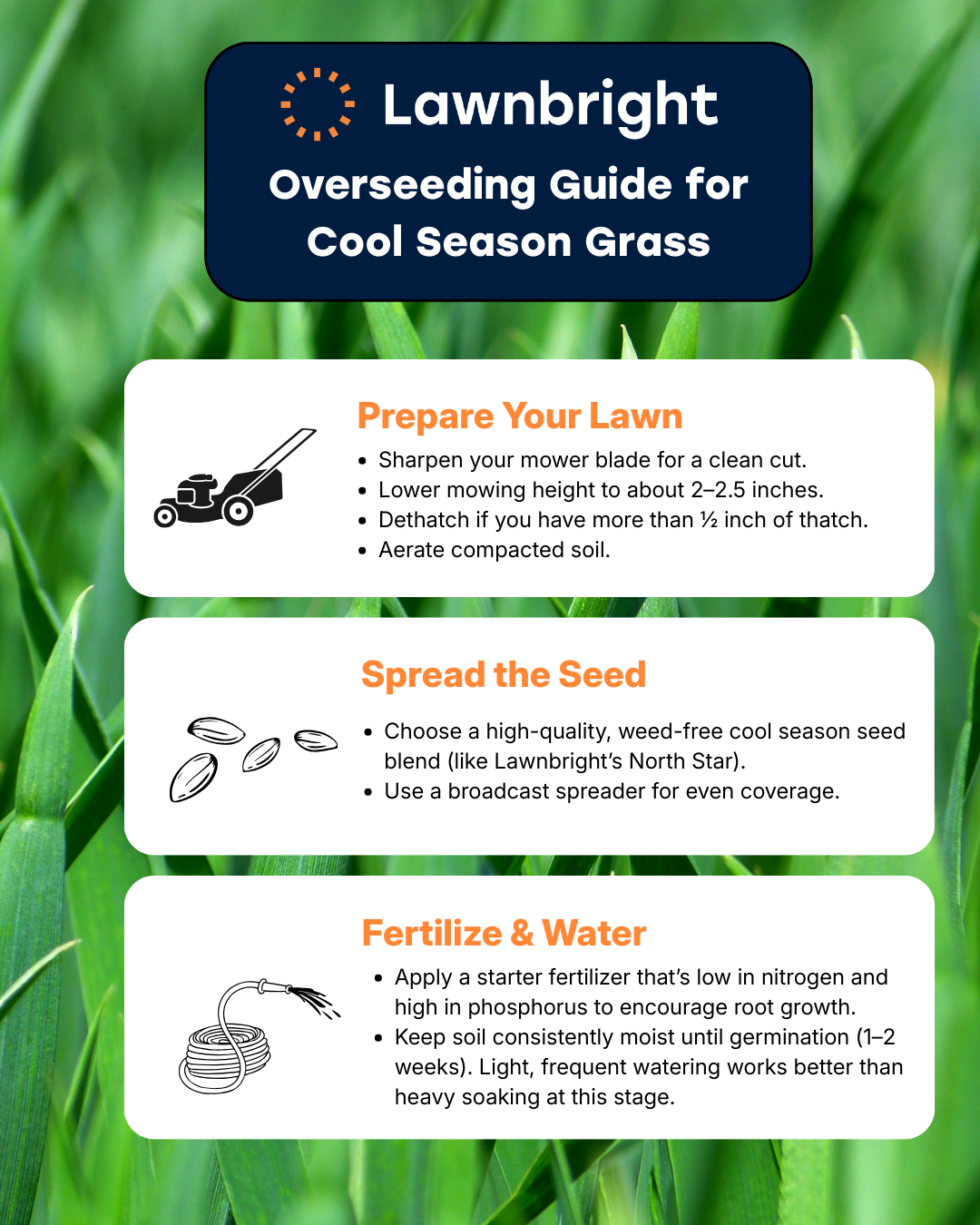
If you want a lush, green lawn that stands out in your neighborhood, knowing how to overseed after aeration is key. You’ve already taken the important step of aerating your lawn, which opens up the soil and helps your grass breathe.
Now, it’s time to fill those tiny holes with fresh seeds that will grow strong and healthy. But how do you make sure you do it right? You’ll discover simple, effective steps to overseed your lawn after aeration, so you get the best results with less effort.
Keep reading, and your lawn will thank you all season long!
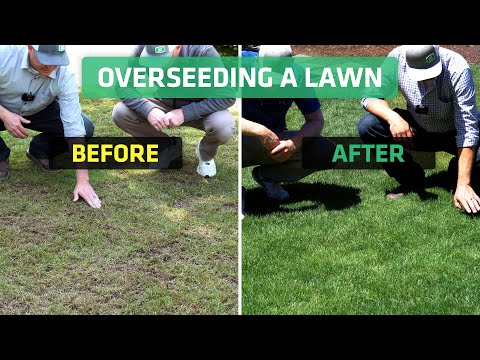
Credit: www.youtube.com
Benefits Of Overseeding After Aeration
Overseeding after aeration helps your lawn grow thicker and stronger. It fills in bare spots and improves the overall look of your grass.
This process also supports the health of your lawn by giving new grass seeds a better chance to grow. Aeration opens the soil, making it easier for seeds to take root.
Improved Grass Density
Overseeding increases the number of grass plants in your lawn. This leads to a thicker, fuller turf that can handle foot traffic and weather changes.
- Fills in bare or thin spots quickly
- Creates a more even lawn surface
- Reduces soil erosion by covering exposed soil
- Provides a lush, green look all season
Enhanced Lawn Health
New grass from overseeding grows strong roots that improve soil health. It helps the lawn resist drought and recover from damage.
| Health Benefit | Effect on Lawn |
| Stronger Roots | Better water and nutrient uptake |
| Improved Soil | More air and water movement |
| Increased Resistance | Fights pests and diseases |
Weed Suppression
A thick lawn from overseeding blocks sunlight from reaching weed seeds. This stops many weeds from growing and spreading.
Ways overseeding helps control weeds:
- Creates dense grass coverage that crowds out weeds
- Fills gaps where weeds like to start
- Reduces the need for chemical weed control
Ideal Timing For Overseeding
Overseeding helps improve lawn thickness and health. Doing it after aeration allows seeds to reach the soil better.
Picking the right time to overseed is key. Good timing ensures seeds grow fast and strong.
Best Seasons To Overseed
Seasons affect how well grass seeds grow. Early fall and spring are the best times for overseeding.
In fall, soil stays warm, and air cools down. This helps seeds sprout before winter. Spring offers warming soil and more rain, which helps seed growth.
- Early fall: September to October
- Spring: March to April
Soil Temperature Considerations
Soil temperature matters a lot for seed germination. Seeds need warm soil to start growing well.
Ideal soil temperature for overseeding is between 50°F and 65°F (10°C to 18°C). If soil is too cold, seeds may not sprout. If too hot, seeds can dry out fast.
- Check soil temperature before overseeding
- Use a soil thermometer for accuracy
- Wait until soil reaches the ideal range
Preparing Your Lawn
Preparing your lawn properly is key before overseeding after aeration. It helps seeds grow strong and healthy.
Start by clearing debris, mowing the grass, and testing the soil. These steps create a good environment for new grass.
Clearing Debris
Remove leaves, sticks, and dead grass from your lawn. Debris blocks sunlight and stops seeds from touching the soil.
- Rake the lawn gently to gather loose debris
- Use a leaf blower for dry leaves and small twigs
- Pick up larger sticks by hand
- Dispose of debris away from your lawn area
Mowing Tips
Mow your lawn before overseeding to help seeds reach the soil. Keep the mower blade sharp for a clean cut.
| Recommended Mowing Height | Reason |
| 1.5 to 2 inches | Allows seeds to contact soil easily |
| Do not mow too short | Prevents stress on grass roots |
| Mow dry grass | Reduces clumping and helps seed spread |
Soil Testing
Test your soil to check its pH and nutrient levels. This helps you know if your lawn needs extra care.
- Nitrogen (N)
- Phosphorus (P)
- Potassium (K)
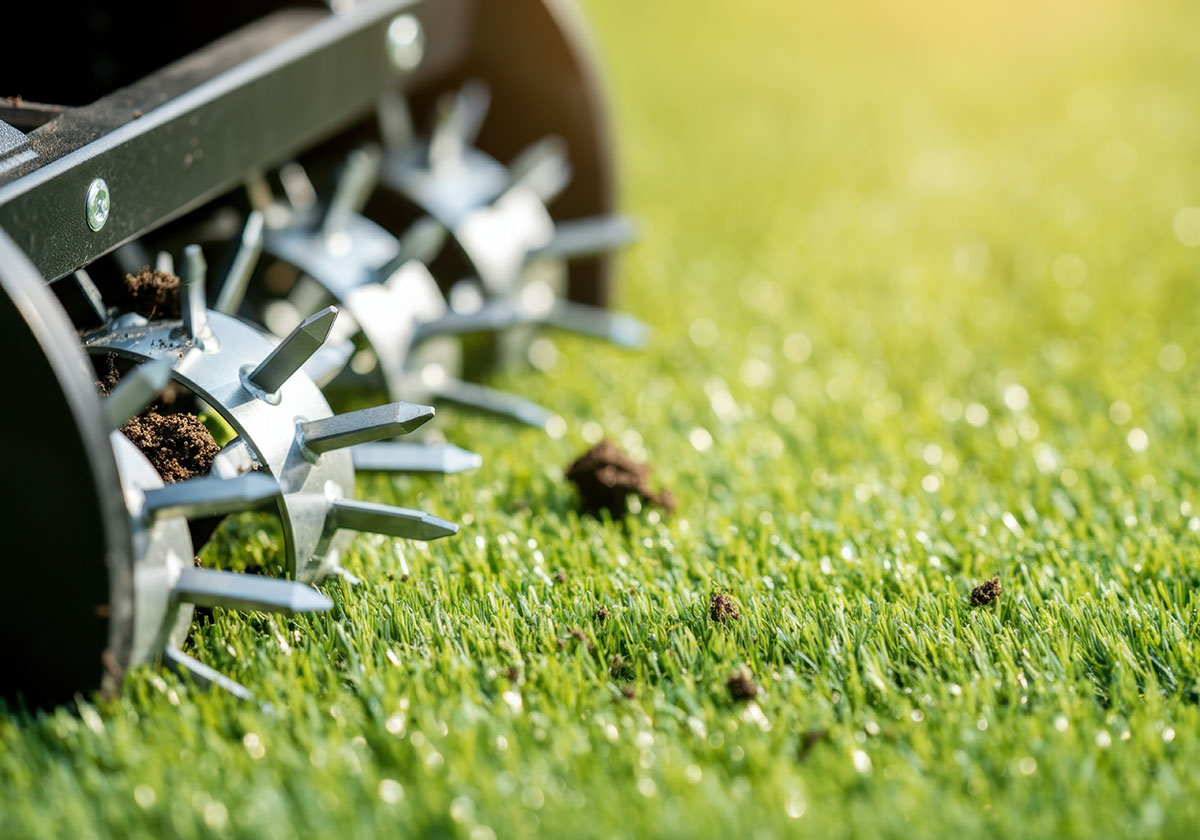
Credit: www.lawnstarter.com
Choosing The Right Grass Seed
Overseeding after aeration helps lawns grow thick and healthy. Choosing the right grass seed is crucial for success.
Different grass types need different seeds. Consider climate, soil, and lawn use.
Matching Grass Types
Choose seeds that match your existing grass. This ensures uniform growth.
Cool-season grasses grow best in the fall. Warm-season grasses thrive in the spring.
- Kentucky Bluegrass for cool climates
- Bermuda Grass for warm areas
- Fescue for shaded areas
Seed Quality And Purity
High-quality seeds lead to better lawns. Look for seeds with high purity levels.
Check the seed label for weed content. Low weed content is best.
| Seed Type | Purity Percentage |
|---|---|
| Premium | 95% |
| Standard | 85% |
Overseeding Techniques
Overseeding helps fill bare spots and improve lawn density after aeration. It adds fresh grass seed that grows well in loosened soil.
Using the right methods makes overseeding more effective and helps your lawn look healthy and green faster.
Spreader Options
You can choose from different spreaders to apply seed evenly. Handheld, drop, and broadcast spreaders each have benefits.
- Handheld spreaders:Best for small areas and precise seed placement.
- Drop spreaders:Drop seeds directly below the spreader for controlled coverage.
- Broadcast spreaders:Toss seeds over a wider area for faster coverage.
Seed Distribution Tips
Even seed distribution helps new grass grow uniformly. Follow these tips to spread seed correctly.
- Calibrate your spreader before use to match seed size.
- Walk at a steady pace to avoid clumps or thin spots.
- Overlap passes slightly to cover edges well.
- Spread half the seed in one direction and the rest perpendicular.
- Lightly rake or roll soil after seeding to improve seed-to-soil contact.
Optimal Seed Rates
Use the right seed rate for your lawn type and area size. Too much or too little seed can harm growth.
| Grass Type | Recommended Seed Rate (lbs/1000 sq ft) |
| Kentucky Bluegrass | 2 to 3 |
| Perennial Ryegrass | 5 to 10 |
| Fescue | 5 to 8 |
| Bermuda Grass | 1 to 2 |
Post-overseeding Care
Taking care of your lawn after overseeding is very important. It helps new grass seeds grow strong and healthy.
Good care includes watering, fertilizing, and mowing. These steps keep the lawn green and thick.
Watering Schedule
Water the lawn lightly but often after overseeding. Keep the soil moist to help seeds sprout.
Water at least twice a day for the first two weeks. Then reduce to once daily as grass grows.
- Water early in the morning or late afternoon
- Avoid heavy watering to prevent seed washout
- Stop watering deeply until grass is well established
Fertilizing Guidelines
Use a starter fertilizer to give new grass the nutrients it needs. Apply it soon after overseeding.
Avoid using too much fertilizer. Follow the instructions on the package to prevent burning the grass.
- Choose fertilizer with high phosphorus to support roots
- Apply fertilizer 3 to 4 weeks after overseeding
- Do not fertilize frozen or very wet soil
Mowing Practices
Wait to mow until the new grass is at least 3 inches tall. Mowing too soon can harm young grass.
Set the mower blade high to avoid cutting the grass too short. Keep the blades sharp for clean cuts.
- Mow regularly to promote healthy growth
- Do not remove more than one-third of the grass height
- Clear mower clippings to avoid smothering new grass
Common Challenges And Solutions
Overseeding after aeration helps improve lawn health. It fills in bare spots and thickens grass. But some problems can slow down seed growth.
Knowing the common challenges and how to fix them makes overseeding easier. This guide covers patchy germination and pest issues.
Dealing With Patchy Germination
Sometimes grass seeds sprout unevenly. This leaves bare spots in the lawn. Several factors cause patchy germination.
- Seed buried too deep or too shallow
- Uneven soil moisture
- Poor seed quality
- Compacted soil after aeration
- Too much sunlight or shade
Fix patchy germination by checking soil moisture daily. Water lightly but often. Use a rake to cover seeds evenly. Choose good quality seeds made for your climate.
Pest And Disease Management
Pests and diseases can damage new grass seedlings. Watch for signs like yellow spots, holes, or wilting. Early care protects your lawn.
| Problem | Signs | Solution |
| Grubs | Brown patches, loose turf | Apply grub control insecticide |
| Fungal Disease | Yellow or brown spots, mold | Use fungicide, improve drainage |
| Aphids | Sticky leaves, curled grass | Spray insecticidal soap |
| Chinch Bugs | Grass dying in sunny spots | Use pest control products |
Keep your lawn healthy by mowing at the right height. Avoid overwatering to stop diseases. Check for pests weekly during the growing season.
Maintaining A Lush Lawn Year-round
A beautiful lawn requires regular care and attention. Aeration and overseeding are key to keeping grass healthy. These practices help your lawn thrive through all seasons.
Learn how to effectively overseed after aeration. This guide provides tips for maintaining a vibrant lawn every month of the year.
Regular Aeration And Overseeding
Aeration helps improve soil health. It allows air, water, and nutrients to reach grass roots. Overseeding fills in bare spots and enhances lawn density.
Perform aeration and overseeding in early fall. This timing ensures grass seeds germinate before winter. Use a spreader for even seed distribution.
- Aerate when soil is moist but not wet
- Choose grass seed suitable for your climate
- Water lightly after seeding to encourage growth
Seasonal Lawn Care Tips
Each season requires specific lawn care tasks. Adjust your methods to meet seasonal needs. This ensures your lawn remains healthy and green.
Spring and summer call for regular mowing and watering. Fall focuses on aeration and seeding, while winter involves minimal intervention.
- Mow weekly in spring and summer
- Reduce watering frequency in fall
- Keep lawn clear of debris in winter

Credit: au.mowrator.com
Frequently Asked Questions
What Is The Best Time To Overseed After Aeration?
The best time to overseed after aeration is during early fall or spring. These seasons provide optimal temperatures and moisture for seed germination and lawn recovery.
How Long Should I Wait After Aeration To Overseed?
You should overseed immediately after aeration. The holes created by aeration help seeds reach the soil, improving germination rates significantly.
What Type Of Grass Seed Is Best For Overseeding?
Choose a grass seed that matches your existing lawn type. Use high-quality, disease-resistant seeds for better growth and durability.
How Much Seed Should I Apply After Aeration?
Apply seed at the recommended rate on the seed package. Avoid over-seeding, which can cause overcrowding and poor growth.
Conclusion
Aeration creates small holes for seeds to settle into the soil. Overseeding fills these holes and helps grass grow thick and green. Water the lawn gently but often to keep seeds moist. Avoid heavy foot traffic until grass starts to grow.
Regular care after overseeding improves lawn health and appearance. A lush lawn takes patience and simple steps. Follow these tips to enjoy a greener yard soon.
