
Are you wondering whether you should seed your lawn before or after aerating? Getting this right can make a huge difference in how healthy and green your grass grows.
You want your lawn to look its best, but the timing of these steps can be confusing. You’ll discover the best approach to ensure your seeds take root and your lawn thrives. Keep reading to find out the simple trick that can save you time and give your yard a fresh, lush look faster than you expect.
Benefits Of Aerating Your Lawn
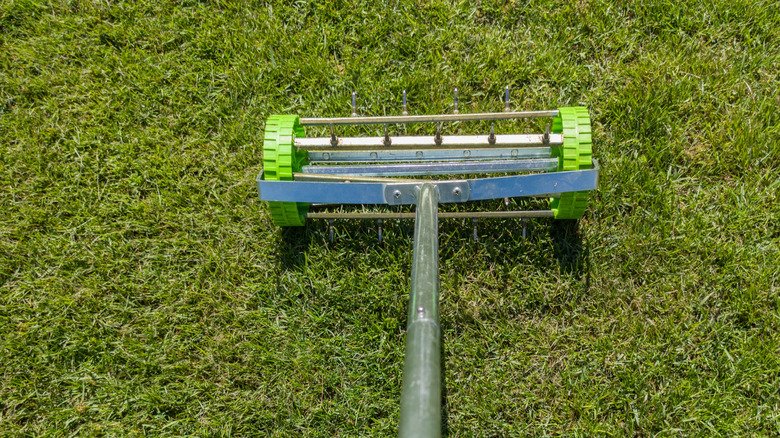
Aerating your lawn helps improve its health. It involves making small holes in the soil.
This process allows air, water, and nutrients to reach the grass roots more easily. It can make your lawn greener and stronger.
Improving Soil Compaction
Soil can become hard and compacted over time. This makes it hard for roots to grow and for water to soak in.
Aerating breaks up this hard soil. It creates space for air and water to move freely.
- Reduces soil density
- Improves water drainage
- Allows roots to spread easily
Enhancing Nutrient Uptake
Grass needs nutrients to grow well. These nutrients come from the soil and fertilizers.
Aerating helps nutrients reach the roots faster. The holes let nutrients soak deep into the soil.
- Improves fertilizer absorption
- Prevents nutrient runoff
- Supports healthy grass growth
Promoting Root Growth
Strong roots make grass more resistant to drought and disease. Roots need space and air to grow well.
Aerating creates room for roots to expand. It also increases oxygen in the soil, which roots need to live.
- Increases root depth
- Strengthens grass resilience
- Encourages thicker, healthier lawns

Credit: mowcow.com
Advantages Of Seeding Your Lawn
Seeding your lawn helps keep your grass healthy and green. It adds new grass plants to fill empty spaces.
Knowing when to seed, before or after aerating, affects how well the seeds grow. Seeding is a key step in lawn care.
Filling Bare Spots
Seeding fills in bare spots where grass is missing. This stops weeds from taking over those areas.
New seeds grow and cover empty ground. This makes your lawn look fuller and healthier.
Improving Grass Density
Seeding adds more grass plants to your lawn. Dense grass is stronger and resists pests and diseases better.
Thick grass also holds soil in place and reduces erosion. It helps keep your yard neat and green.
Choosing The Right Seed
Picking the right seed is important for your lawn’s success. Different seeds grow well in different climates and soil types.
Use seeds that match your existing grass or your lawn’s conditions. This helps new grass grow strong and blend in.
- Cool-season grasses grow well in cooler areas
- Warm-season grasses suit hot climates
- Look for disease-resistant seed varieties
Seeding Before Aerating
Seeding before aerating means spreading grass seed before poking holes in your lawn. This helps the seed reach the soil easier.
Many gardeners wonder if seeding first is a good idea. It can help or hurt your lawn depending on conditions.
Pros And Cons
Seeding before aerating has some clear benefits. It also has a few downsides you should know.
- Pros:Seed gets deeper soil contact after aerating.
- Soil holes help seed roots grow stronger.
- Aerating soon after seeding keeps soil moist around seeds.
- Cons:Seed can be pushed too deep if aeration is heavy.
- Some seeds may fall out of aeration holes during the process.
- Timing is tricky; aerate too late and seeds dry out.
Best Conditions For Seeding First
Seeding before aerating works best in mild weather with moist soil. This helps seeds stay healthy.
Good soil moisture and gentle aeration tools improve seed survival. Avoid very dry or frozen ground.
- Soil temperature between 50°F and 65°F (10°C – 18°C)
- Consistent light rain or watering before and after seeding
- Using core aerators that remove small plugs of soil
- Lawns with compacted soil needing better air and water flow
Seeding After Aerating
Seeding after aerating means putting grass seeds into your lawn right after making holes in the soil. Aerating helps air, water, and nutrients reach the roots better.
This process gives seeds a good chance to grow strong because they get better contact with the soil. It can improve your lawn’s health and thickness.
Pros And Cons
Seeding after aerating has many benefits. It helps seeds reach the soil and grow faster. But there are some downsides too.
- Pros:Seeds get deep soil contact, which helps growth.
- Pros:Aeration reduces soil compaction, helping roots expand.
- Pros:Water and nutrients reach seeds more easily.
- Cons:The soil can dry out quickly after aerating.
- Cons:Seeds may wash away if you water too hard.
- Cons:You need to water often to keep seeds moist.
Timing And Techniques
Do seeding right after aerating for best results. The holes in the soil help seeds get in and start growing.
Use a spreader to spread seeds evenly. Then, lightly rake the area to cover seeds with soil. Water gently to keep seeds moist without washing them away.
- Seed immediately after aerating.
- Use a lawn spreader for even seed distribution.
- Lightly rake to cover seeds with soil.
- Water gently and regularly to keep soil moist.
- Avoid heavy watering that can wash seeds away.
Expert Recommendations
Seeding before or after aerating can affect your lawn’s health. Choosing the right time depends on several factors.
Experts suggest considering the season, soil type, and tools used. These help you decide the best approach for seeding.
Seasonal Considerations
Spring and fall are the best seasons for aerating and seeding. Cooler temperatures and moisture help seeds grow well.
- Seed after aerating in spring to give roots space and nutrients.
- In fall, seeding before aerating can protect new seeds from damage.
- Avoid aerating and seeding during hot, dry summer months.
Soil Type And Lawn Condition
Different soils need different care. Sandy soils drain fast, while clay soils hold water longer.
| Soil Type | Seed Timing | Reason |
| Sandy | After Aerating | Seeds get better contact with soil |
| Clay | Before Aerating | Aeration loosens compact soil for seeds |
| Loamy | Either | Good seed-to-soil contact both ways |
Equipment And Tools
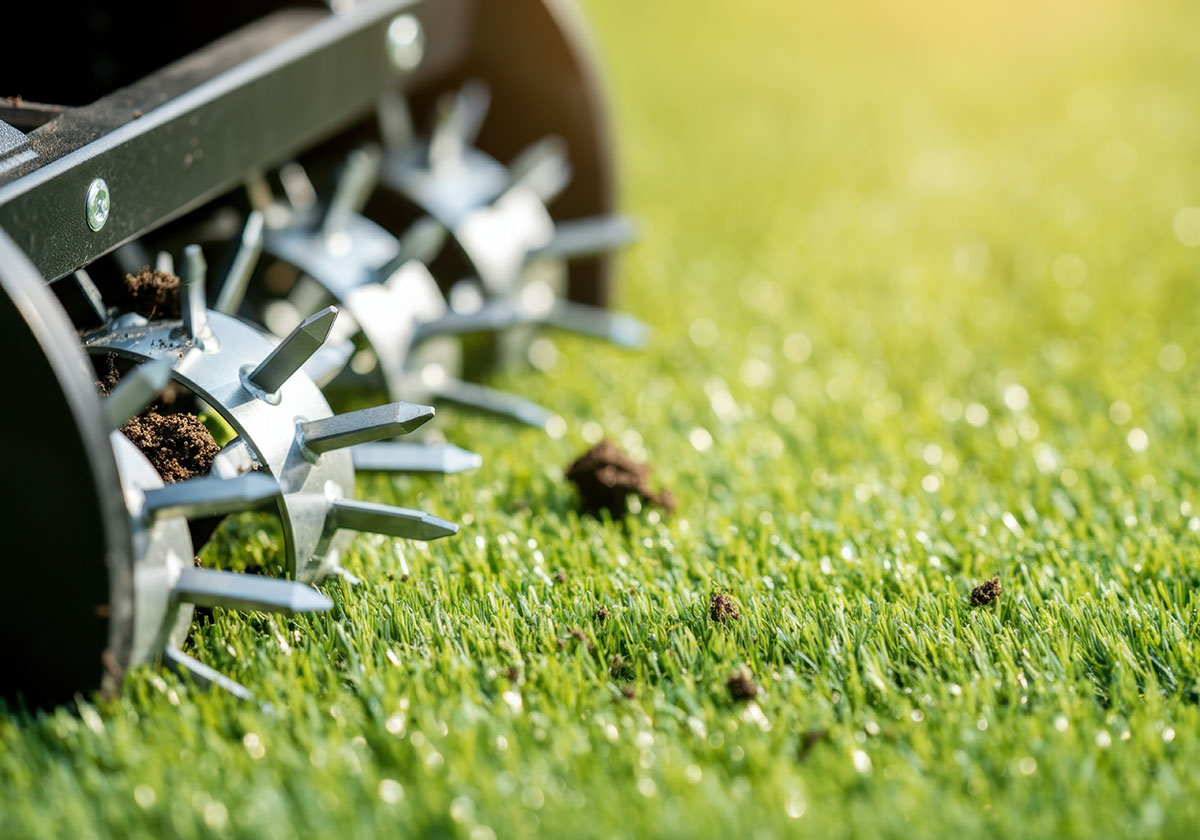
Choosing the right tools makes aerating and seeding easier and more effective. Use sharp aerator tines and quality seed spreaders.
Follow these tips for your equipment:
- Use a core aerator for best soil penetration.
- Calibrate your seed spreader for even distribution.
- Water the lawn after seeding to help seeds settle.
Credit: www.lawnstarter.com
Common Mistakes To Avoid
Many homeowners wonder if they should seed before or after aerating. This decision can impact the health of their lawn. Avoid common mistakes to ensure successful results.
Aeration and seeding are crucial for lawn care. Doing them in the wrong order can waste time and money.
Overlapping Tasks
Some people try to do aerating and seeding at the same time. This can lead to problems. Aeration should be done first to allow seeds to reach the soil.
- Aerate your lawn thoroughly before seeding
- Give seeds direct contact with the soil
- Ensure proper soil-to-seed contact for growth
Ignoring Weather Factors
Weather plays a big role in seeding success. Many forget to check the weather before starting. Rain or extreme heat can affect seed germination.
- Check the weather forecast before you start
- Avoid seeding before heavy rain
- Choose a mild day for seeding
Poor Seed Selection
Choosing the right seed is vital for a healthy lawn. Some people pick seeds without considering their lawn’s needs. This can lead to poor growth.
Research the best seed type for your lawn. Consider factors like sun exposure and soil type.
- Choose seeds suited for your climate
- Pick high-quality seeds for better results
- Consider your lawn’s sun and shade areas
Step-by-step Lawn Care Routine
Caring for your lawn is important for a lush, green space. Aerating and seeding are key steps in lawn maintenance.
This guide will help you decide whether to seed before or after aerating. Follow the steps for a healthy lawn.
Preparing The Lawn
Preparation is crucial before aerating and seeding. Start by mowing the lawn to a short height. This helps the aerator reach the soil easily.
Remove any debris like leaves or sticks from the lawn. This ensures nothing blocks the aerator or seeds.
Aerating Process
Aerating loosens the soil, allowing air and water to reach the roots. Use a spike or plug aerator for best results.
Aerate your lawn evenly, covering all areas. This makes it easier for seeds to grow in the soil.
Seeding And Watering
After aerating, it’s time to seed. Spread grass seed evenly over the lawn using a spreader.
Water the lawn gently to help the seeds settle into the soil. Watering keeps the seeds moist and aids germination.
Post-care Tips
After seeding and watering, avoid walking on the lawn. This prevents the seeds from being disturbed.
Continue to water the lawn regularly, but do not overwater. Consistent moisture helps the seeds sprout and grow.
- Water early in the morning
- Keep pets off the lawn
- Use a gentle spray setting

Credit: growcycle.com
Frequently Asked Questions
Should I Seed Before Or After Aerating My Lawn?
It’s best to seed after aerating. Aeration creates holes that help seeds reach soil. This improves germination and root growth.
How Long After Aerating Can I Seed?
You can seed immediately after aerating. The holes allow seeds to settle into the soil quickly. This boosts seed-to-soil contact.
Can I Seed Without Aerating First?
Yes, but aerating first improves seed growth. Aeration loosens compacted soil, allowing better water and nutrient absorption for seeds.
Does Aerating Help Grass Seed Grow Faster?
Yes, aeration enhances seed growth. It increases oxygen, water, and nutrient access to roots, speeding up germination and healthy growth.
Conclusion
Seeding after aerating helps grass roots grow stronger. Aeration opens the soil, letting seeds reach deeper. This process improves water and nutrient absorption. Grass grows thicker and healthier with proper timing. Aerate first, then spread seeds evenly. Keep the soil moist for better germination.
This simple step leads to a lush lawn. Consistent care after seeding makes a big difference. Choose the right time and watch your lawn thrive. Easy steps bring a green, vibrant yard you enjoy.
