
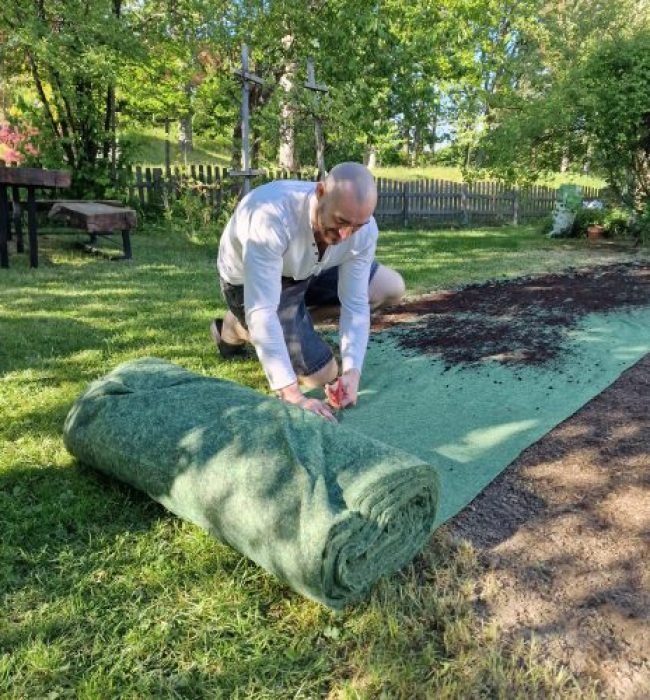
If you’ve just finished topdressing your lawn, you might be wondering what to do next. Rolling your lawn after topdressing can make a big difference in how smooth and healthy your grass looks.
But it’s easy to get it wrong and risk damaging your lawn instead of helping it. You’ll discover simple, step-by-step tips to roll your lawn the right way. By the end, you’ll know exactly how to improve your lawn’s appearance and set it up for lasting growth.
Keep reading to make your lawn the envy of your neighborhood!
Benefits Of Rolling Lawn After Topdressing
Rolling your lawn after topdressing helps the soil and grass work better together. It makes the lawn look smooth and neat. Rolling also helps new grass seeds grow strong.
This simple step improves the health and appearance of your lawn. It helps the topdressing layer settle evenly on the soil.
Enhancing Soil Contact
Rolling pushes the topdressing material into the soil. This improves contact between soil and the new layer. Good soil contact helps nutrients reach grass roots.
Better contact also reduces air pockets that can dry out roots. This makes your lawn stronger and healthier.
Smoothing The Surface
Rolling flattens the lawn surface after spreading the topdressing. It removes bumps and uneven spots. A smooth lawn looks well cared for and is easier to mow.
It also helps water spread evenly across the lawn. This stops puddles and dry patches from forming.
Promoting Seed Germination
Rolling helps grass seeds settle into the soil after topdressing. Seeds that touch the soil grow faster and stronger. Rolling keeps seeds from blowing away or drying out.
- Improves seed-to-soil contact
- Protects seeds from birds and wind
- Maintains moisture around seeds
Credit: www.thelawnforum.com
Choosing The Right Roller
Rolling your lawn after topdressing helps smooth the surface and improve soil contact. Picking the right roller is important to avoid damage and get good results.
Different rollers work for different lawns and soil types. Consider the type, size, and weight before you start rolling.
Types Of Lawn Rollers
There are several types of lawn rollers you can use. Choose one based on your lawn size and soil condition.
- Water-Filled Rollers:Lightweight when empty and heavy when filled with water. Easy to move and adjust weight.
- Steel Rollers:Very heavy and provide strong compaction. Best for large lawns or hard soil.
- Plastic Rollers:Light and easy to carry. Good for small lawns and delicate soils.
- Manual Rollers:Rolled by pushing or pulling. Suitable for small areas and light use.
Size And Weight Considerations
Choose a roller size that fits your lawn area. A wide roller covers more ground quickly. A narrow roller is easier to handle in tight spaces.
The weight affects how much pressure the roller puts on the soil. Too light, and it will not smooth well. Too heavy, and it can damage grass roots.
- Light rollers weigh less than 50 pounds and suit small lawns.
- Medium rollers weigh between 50 and 150 pounds for average lawns.
- Heavy rollers weigh over 150 pounds for large lawns or compacting soil.
When To Avoid Heavy Rollers
Heavy rollers are not good for all lawns. Avoid them if your soil is soft or wet. They may crush grass roots and soil structure.
Do not use heavy rollers on newly seeded lawns. The weight can stop seed growth. Also, avoid heavy rollers if your lawn has poor drainage.
- Do not roll when soil is soggy or muddy.
- Avoid heavy rollers on new grass seed or sod.
- Use light rollers for delicate or sandy soils.
Preparing Lawn For Rolling
Rolling the lawn after topdressing helps smooth the surface. Proper preparation makes rolling easier and more effective. Follow these steps to get your lawn ready.
Preparing well improves soil contact and helps grass grow evenly. It also prevents damage to the lawn during rolling.
Mowing Before Topdressing
Mow your lawn closely before topdressing. This removes excess grass and creates a smooth surface. Cut the grass to about 1.5 to 2 inches tall.
Make sure your mower blades are sharp. Clean cuts help grass recover faster after topdressing and rolling.
Watering Tips
Water your lawn lightly a day before topdressing. This softens the soil and helps the new material settle in better. Avoid soaking the lawn.
After topdressing, water the lawn gently but regularly. Keep the soil moist to encourage grass growth and reduce rolling damage.
Clearing Debris
Remove leaves, sticks, and other debris before rolling. Debris can cause uneven soil contact and damage the roller or lawn.
Use a rake or blower to clear the lawn surface. A clean lawn ensures the roller works smoothly and evenly.
Rolling Techniques After Topdressing
Rolling your lawn after topdressing helps smooth the surface and improve soil contact. It also prevents uneven spots and helps seeds settle well.
Using the right rolling techniques ensures your lawn recovers faster and looks better. Let’s explore key methods for effective rolling.
Rolling Pattern Suggestions
Choosing a good rolling pattern spreads pressure evenly and avoids soil compaction. Try to cover every area without missing spots.
- Roll in straight lines, overlapping slightly on each pass.
- Change direction with each pass, such as north-south then east-west.
- Use diagonal rolling for smaller or irregular areas.
- Avoid rolling only in one direction to prevent uneven soil settling.
Optimal Speed And Pressure
Rolling too fast or too hard can harm the lawn and soil. Keep a steady, slow pace and moderate pressure for best results.
| Factor | Recommended Range |
| Rolling Speed | 1 to 2 miles per hour |
| Pressure | Light to moderate (avoid deep soil compaction) |
| Roller Weight | Based on lawn size and soil type |
Multiple Passes Vs Single Pass
Deciding between one or several passes depends on soil and lawn condition. Multiple passes work best for uneven or loose soil.
- Single pass is faster but may miss some low spots.
- Multiple passes improve smoothness and soil contact.
- Let the soil settle between passes if possible.
- Use fewer passes on wet soil to avoid damage.
Timing And Weather Conditions
Rolling your lawn after topdressing is essential for a smooth finish. Timing and weather are crucial for the best results.
Consider the time of day and weather conditions to ensure a healthy, even lawn.
Best Time Of Day
The best time to roll your lawn is early in the morning or late in the afternoon. The sun is not too strong during these times.
- Morning: The soil is usually moist from dew.
- Afternoon: Avoid the heat, which can dry the soil.
Ideal Weather For Rolling
Choose a day with mild temperatures and no rain forecast. Mild weather helps the soil settle evenly.
Check the weather app for:
| Condition | Ideal |
| Temperature | 60-70°F (15-21°C) |
| Precipitation | None |
| Wind | Light breeze |
Avoiding Overly Wet Or Dry Soil
Rolling on overly wet or dry soil can harm your lawn. It’s important to find the right balance.
- Too Wet: Risk of soil compaction and damage.
- Too Dry: Ineffective rolling with poor results.
Maintenance Tips Post-rolling
Rolling your lawn after topdressing is essential for a smooth surface. Proper maintenance is key to ensure healthy grass regrowth.
Follow these tips to keep your lawn lush and vibrant after rolling. Each step helps your lawn recover and thrive.
Watering Schedule
Watering is crucial for lawn recovery after rolling. It helps settle the topdressing material and supports grass growth.
- Water the lawn lightly immediately after rolling.
- Continue watering daily for the first week.
- Adjust watering based on weather conditions.
Fertilizing After Rolling
Fertilizing provides nutrients that aid in lawn recovery. It ensures the grass has everything it needs to grow strong.
| Fertilizer Type | Application Time |
| Nitrogen-rich | 2 weeks after rolling |
| Balanced mix | 4 weeks after rolling |
| Organic compost | 6 weeks after rolling |
Monitoring Lawn Recovery
Keep an eye on your lawn to ensure it’s recovering well. Look for signs of healthy growth and address any issues quickly.
- Check for uneven patches in the lawn.
- Observe color changes in grass blades.
- Inspect for pest activity or diseases.
Common Mistakes To Avoid
Rolling your lawn after topdressing helps smooth the surface. Doing it wrong can harm the grass and soil. Avoid these common mistakes to get the best results.
Careful timing, proper equipment, and paying attention to soil can make a big difference. Learn what to watch for below.
Rolling Too Often
Rolling the lawn too often compacts the soil. This stops air and water from reaching grass roots. It can make the lawn weak and unhealthy.
- Roll only when necessary after topdressing
- Limit rolling to once or twice per session
- Wait for the soil to dry slightly before rolling
Using Incorrect Roller Weight
Using a roller that is too heavy damages the grass and soil. A light roller may not smooth the surface well. Choose the right weight for your lawn.
| Roller Weight | Effect on Lawn |
| Too Heavy | Crushes grass, compacts soil deeply |
| Too Light | Does not smooth surface properly |
| Correct Weight | Flattens topdressing evenly without damage |
Ignoring Soil Conditions
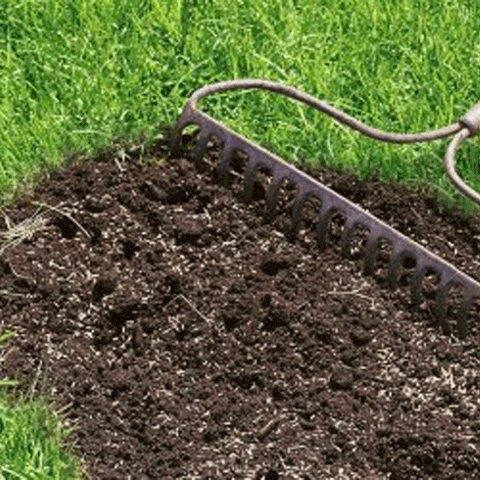
Rolling when the soil is too wet or too dry can harm your lawn. Wet soil gets compacted easily. Dry soil may crack or not settle well.
Follow these tips for soil condition:
- Check soil moisture before rolling
- Wait until soil is slightly moist but not soggy
- Avoid rolling after heavy rain or drought
Credit: www.dandys.com

Credit: www.garant.com
Frequently Asked Questions
How Soon Should I Roll The Lawn After Topdressing?
Roll the lawn immediately after topdressing to ensure even soil contact. This helps the soil settle and prevents uneven surfaces. Rolling too late can lead to poor soil integration and patchy growth.
What Type Of Roller Is Best For Lawn Topdressing?
Use a lightweight, water-filled or lawn roller for topdressing. Heavy rollers can compact soil excessively, damaging grass roots. A moderate roller evenly presses soil without harming the turf.
How Often Should I Roll My Lawn Post-topdressing?
Roll your lawn once or twice after topdressing. Avoid excessive rolling, which can compact soil and stress grass. Monitor lawn firmness and stop when the surface feels even and stable.
Can Rolling Damage The Lawn After Topdressing?
Rolling gently after topdressing usually benefits the lawn. However, heavy rolling or doing it on wet soil can cause compaction and root damage. Always roll with care and avoid overdoing it.
Conclusion
Rolling your lawn after topdressing helps press the soil evenly. This makes the grass roots stronger and soil firm. It also improves water and nutrient absorption. Take care not to roll too hard or often. Use a roller that fits your lawn size.
Roll slowly in different directions for best results. Keep the lawn moist but not soggy after rolling. Watch your lawn grow thick and healthy over time. Simple steps like these keep your yard looking neat and green. Small effort, big difference.
