
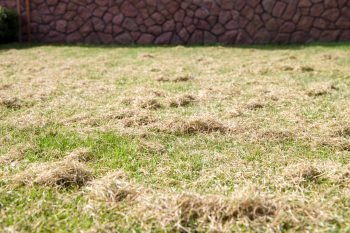
Is your lawn looking tired and patchy? You might have heard about dethatching and aerating, but which one should you do first?
If you want a lush, healthy lawn that stands out, understanding the right order can make all the difference. You’ll discover why dethatching before aerating might be the secret step you’re missing. Keep reading to learn how to give your grass the care it truly needs.
What Is Dethatching
Dethatching is the process of removing thatch from your lawn. Thatch is a layer of dead grass, roots, and debris that builds up on the soil surface. It can stop water and nutrients from reaching the roots.
This layer can harm your lawn’s health and growth. Dethatching helps clear this buildup and lets your lawn breathe.
Causes Of Thatch Buildup
Thatch forms when dead grass and roots don’t break down fast enough. Certain conditions make thatch build up more quickly.
- Overwatering the lawn regularly
- Using too much fertilizer
- Grass types that grow thick stems
- Improper mowing height or frequency
- Compacted soil that slows decomposition
Signs Your Lawn Needs Dethatching
It is important to know when your lawn needs dethatching. Some signs show that the thatch layer is too thick.
| Sign | Description |
| Spongy Feel | The lawn feels soft and bouncy when walked on. |
| Water Pools | Water sits on the surface and does not soak in. |
| Thin Grass | Grass looks weak or patchy in some areas. |
| Visible Thatch | You can see a layer of dead material above soil. |
Credit: www.lawnsite.com
Benefits Of Dethatching
Dethatching removes dead grass and debris from your lawn. This layer can stop water and nutrients from reaching the soil.
By dethatching, your lawn can grow stronger and healthier. It prepares your lawn before aerating for better results.
Improved Nutrient Absorption
Thatch blocks nutrients from soaking into the soil. Removing thatch lets roots get more food from fertilizers.
With better nutrient absorption, grass grows thicker and greener. It also helps grass fight diseases.
Enhanced Water Penetration
Thatch stops water from reaching grass roots. Removing it allows water to soak deeper into the soil.
Good water penetration means grass stays hydrated. It also reduces water waste from runoff.
What Is Aeration
Aeration is the process of making small holes in the soil. This helps air, water, and nutrients reach grass roots.
Aerating improves lawn health by reducing soil compaction. It helps grass grow stronger and greener.
Types Of Aeration Methods
There are two main ways to aerate your lawn: spike aeration and core aeration. Each works differently.
Spike aeration uses solid tines to poke holes in the soil. Core aeration removes small plugs of soil from the lawn.
- Spike Aeration:Simple holes, less soil disturbance
- Core Aeration:Removes plugs, better for compacted soil
When To Aerate Your Lawn
The best time to aerate depends on your grass type. Warm-season grasses and cool-season grasses have different needs.
Aerate during active growing times. This helps the lawn recover quickly from the process.
- Warm-season grasses: Late spring to early summer
- Cool-season grasses: Early fall or spring
- Aerate when soil is moist, not wet or dry
Benefits Of Aeration
Aeration helps your lawn by improving the soil. It creates space for air and water to reach roots. This makes the grass stronger and healthier.
Many gardeners wonder if dethatching is needed before aerating. The answer depends on your lawn’s condition. Let’s look at the benefits of aeration.
Reduced Soil Compaction
Soil compaction blocks air and water from reaching grass roots. Aeration breaks up the hard soil. It makes the soil loose and easy to grow in.
- Improves water absorption
- Allows nutrients to reach roots
- Helps lawn resist drought stress
- Boosts soil microorganism activity
Healthier Root Growth
Aeration creates holes that let roots grow deeper. Deeper roots make the lawn strong. They help grass get more water and nutrients.
| Root Growth Benefit | Effect on Lawn |
| More oxygen | Stronger roots |
| Better water flow | Less dry spots |
| More nutrients | Greener grass |
| Space to expand | Healthier lawn |
Dethatching Before Aerating
Dethatching and aerating are two important lawn care steps. They help your grass grow healthy and strong.
Dethatching removes the thick layer of dead grass and roots. Aerating makes small holes in the soil to improve air and water flow.
Why Order Matters
Dethatching before aerating helps clear the lawn surface. This lets aerator tines reach the soil better.
If you aerate first, the thatch layer can block holes. This reduces how well aeration works.
- Dethatching clears dead grass and roots.
- Aerating improves soil air and water flow.
- Doing dethatching first makes aeration more effective.
Potential Risks Of Skipping Dethatching
Skipping dethatching can cause problems during aeration. The thick thatch layer can block aerator holes.
This stops air, water, and nutrients from reaching grass roots. It can slow lawn growth and cause dead spots.
- Reduced soil oxygen and water flow
- Weak grass roots due to poor nutrient access
- Increased risk of lawn diseases
- Less effective aeration results

Credit: www.jclandscapingllc.com
How To Dethatch And Aerate Properly
Dethatching and aerating your lawn are crucial for healthy grass. These steps help roots get water and nutrients. Follow this guide to do it right.
Understanding the tools and processes will ensure your lawn thrives. Let’s dive into what you need and how to do it.
Tools You Need
Having the right tools makes dethatching and aerating easier. Here’s what you should have:
- Dethatching rake or machine
- Core aerator
- Garden hose
- Protective gloves
- Lawn mower
Step-by-step Lawn Care Process
Follow these steps to properly dethatch and aerate your lawn. It ensures the grass grows strong and healthy.
- Mow your lawn to a short length.
- Use a dethatching rake to remove dead grass.
- Collect and dispose of the thatch debris.
- Water the lawn thoroughly before aerating.
- Run the core aerator over the lawn.
- Water the lawn again to help soil settle.
| Task | Best Time |
| Dethatching | Early Spring or Fall |
| Aerating | Spring or Fall |
Timing Your Lawn Care
Proper timing in lawn care ensures a healthy and lush lawn. Knowing when to dethatch and aerate is vital.
Understanding the best seasons for each task helps in planning effective lawn maintenance.
Best Seasons For Dethatching
Dethatching removes the layer of dead grass and roots. It allows air, water, and nutrients to reach the soil better.
- Spring: Cool-season grasses benefit from spring dethatching.
- Early Fall: Warm-season grasses respond well in early fall.
Optimal Time To Aerate
Aerating involves perforating the soil with small holes. This improves air circulation and helps roots grow deep and strong.
| Grass Type | Best Time to Aerate |
| Cool-season | Early Spring or Fall |
| Warm-season | Late Spring or Early Summer |

Credit: www.reddit.com
Common Mistakes To Avoid
Taking care of your lawn means knowing when and how to dethatch and aerate. Doing these tasks wrong can harm your grass. Avoiding common mistakes helps your lawn stay healthy and green.
This guide covers two common errors: over-dethatching and aerating too frequently. Learn what to watch for and how to avoid these problems.
Over-dethatching
Dethatching removes the layer of dead grass and roots on top of the soil. Doing it too much can damage your lawn instead of helping it. Over-dethatching can stress grass and leave bare spots.
- Causes root damage and weak growth
- Leaves soil exposed to weeds and erosion
- Increases risk of lawn diseases
- Slows down recovery and new grass growth
To avoid over-dethatching, dethatch only when the thatch layer is thicker than half an inch. Use the right tools and adjust depth settings carefully.
Aerating Too Frequently
Aerating helps air, water, and nutrients reach the soil and roots. Doing it too often can hurt your lawn by disturbing roots and soil structure.
| Frequency | Effect |
| Once a year | Improves soil health and root growth |
| More than twice a year | Can damage roots and compact soil |
| Every few months | Leads to stress and poor grass growth |
Plan aeration based on your soil type and lawn condition. Most lawns only need aeration once a year, usually in the fall or spring.
Additional Lawn Care Tips
Dethatching and aerating help your lawn stay healthy. Both improve soil and grass growth.
After these tasks, follow extra care tips. They keep your lawn green and strong.
Fertilizing After Aeration
Fertilizing after aeration helps nutrients reach deep into the soil. Aeration opens holes, making it easier for roots.
Use a balanced fertilizer with nitrogen, phosphorus, and potassium. Apply it evenly over the lawn.
- Choose fertilizer based on your grass type
- Apply fertilizer within 24-48 hours after aeration
- Water lightly after fertilizing to help absorption
Watering Strategies
Water your lawn well after aeration and fertilizing. This helps nutrients soak into the soil.
Water deeply but less often. This encourages strong root growth and prevents shallow roots.
- Water early in the morning to reduce evaporation
- Give about 1 inch of water per week
- Adjust watering based on weather and soil type
Frequently Asked Questions
What Is Dethatching And Why Is It Important?
Dethatching removes the layer of dead grass and roots called thatch. It improves air, water, and nutrient flow. This promotes healthier lawn growth and prevents diseases by reducing thatch buildup.
Should You Dethatch Before Aerating Your Lawn?
Yes, dethatching before aerating helps remove excess thatch. This allows aerator tines to penetrate soil deeper. It improves oxygen, water, and nutrient absorption for better lawn health.
How Often Should Dethatching And Aeration Be Done?
Dethatch your lawn once every 2-3 years. Aerate annually or twice a year for compacted soils. Frequency depends on grass type, soil condition, and lawn use.
Can Dethatching Damage My Lawn If Done Incorrectly?
Yes, dethatching too aggressively can harm grass roots. Use the right dethatching method and timing. Avoid dethatching during drought or extreme heat to prevent lawn stress.
Conclusion
Dethatching before aerating helps your lawn breathe better. Removing thatch clears the way for aeration tools. This allows water, air, and nutrients to reach roots. Aeration alone can miss areas blocked by thick thatch. Healthy soil leads to stronger grass and fewer weeds.
Remember, a well-prepared lawn recovers faster and grows thicker. So, take time to dethatch first for best results. Your lawn will thank you with lush, green growth. Simple steps can make a big difference in lawn care.
