
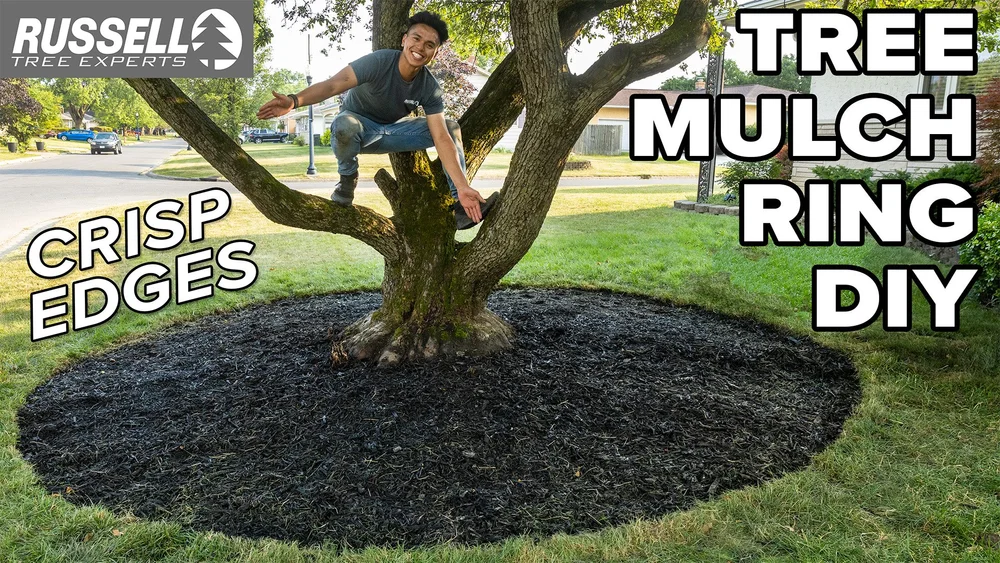
Do you want your lawn to look sharp and perfectly maintained? Crisp lawn edges can transform your yard from ordinary to stunning.
They give your garden a clean, polished look that makes every other part of your landscape stand out. But how do you achieve those flawless lines without spending hours or hiring expensive help? You’ll discover simple, practical tips to create sharp lawn edges that will impress your neighbors and boost your curb appeal.
Keep reading, and you’ll learn exactly how to make your lawn look its best with easy steps you can start today.

Credit: www.aol.com
Tools For Lawn Edging
Creating crisp lawn edges improves the look of your yard. Using the right tools makes this task easier and neater.
There are many tools to choose from. Some are manual, while others are powered. Each has its own benefits.
Manual Vs. Powered Tools
Manual tools need your physical effort. Powered tools use engines or batteries to work faster. Here is a simple comparison:
| Tool Type | Advantages | Disadvantages |
|---|---|---|
| Manual Edgers | Quiet, low cost, easy to store | Require more effort, slower work |
| Powered Edgers | Faster, less effort, good for large areas | Noisy, heavier, need fuel or charging |
Choosing The Right Edger
Pick an edger based on lawn size and your strength. Also, think about your budget and storage space.
- Small lawns: Manual edgers work well.
- Medium to large lawns: Powered edgers save time.
- Frequent use: Choose durable, quality tools.
- Occasional use: Lightweight and simple tools are best.
- Consider electric or battery models for less noise and fumes.
Maintenance Tips
Keep your edger sharp and clean. Proper care helps tools last longer and work better.
- Clean dirt and grass after each use.
- Sharpen blades regularly for smooth cuts.
- Check and tighten screws and bolts.
- Store tools in a dry place to avoid rust.
- For powered tools, follow the manufacturer’s guide for oil and battery care.
Preparing The Lawn
Creating crisp lawn edges starts with good preparation. A clean and well-prepared lawn helps your edges look sharp and neat.
Take your time to clear debris, mark your edging line, and prepare the soil properly. These steps make the job easier and the results better.
Clearing Debris And Grass
Remove any leaves, sticks, or dead grass from the edge area. Clear space helps you see the edge clearly and work without obstacles.
Cut back any overgrown grass along the edge. This makes it easier to create a clean line and keeps the edge neat.
Marking Your Edging Line
Use a garden hose or string to mark the line where you want your lawn edge. This guide helps you keep the edge straight or curved as you want.
Make sure the line follows your garden design and looks natural. Adjust it before you start digging or cutting.
Soil Preparation
Loosen the soil along the marked line using a spade or garden fork. This makes it easier to cut the edge and helps plants grow better nearby.
Remove any rocks or roots from the soil. Smooth the soil surface so the edge looks clean and even.
Techniques For Crisp Edges
Crisp lawn edges give your yard a neat and clean look. They separate the grass from walkways and flowerbeds clearly.
Using the right tools and methods helps you create sharp edges that last longer. Below are some simple techniques for different lawn edge styles.
Straight Line Edging
Straight edges look tidy and are easier to maintain. Use a sharp spade or edging tool to cut a clean line.
- Mark the edge with a string or spray paint.
- Push the spade straight down along the line.
- Remove the soil outside the edge to create a trench.
- Keep the cut edge vertical and smooth.
- Trim grass overhanging the edge regularly.
Curved Edging Methods
Curved edges add a soft, natural look to your lawn. They need careful marking and cutting.
Follow these tips for curved edges:
- Use garden hoses or flexible tubing to outline the curve.
- Mark the curve clearly with spray paint or flags.
- Cut along the curve using an edging spade or half-moon tool.
- Remove soil along the curve to form a smooth trench.
- Keep edges tidy by trimming grass and removing weeds.
Using String Or Guides
String or guides help create precise and straight edges easily. They act as visual aids for cutting.
| Guide Type | Best Use | How to Use |
| String Line | Straight edges | Tie between stakes along the edge |
| Garden Hose | Curved edges | Shape along the desired curve |
| Wooden Stakes | Both straight and curved | Mark key points for cutting |
Step-by-step Edging Process
Creating crisp lawn edges makes your yard look neat and cared for. It defines the border between grass and other areas clearly.
This guide will explain how to cut the edge, remove excess grass, and smooth the border for a clean finish.
Cutting The Edge
Start by using an edging tool or a sharp spade. Hold it straight and press down along the edge where the lawn meets the path or flower bed.
- Walk slowly along the edge to keep a straight line.
- Cut to a depth of about 3 to 4 inches to separate the grass.
- Repeat the cut if needed to make a clear border.
Removing Excess Grass
After cutting, remove the sliced grass and soil pieces. This stops the edge from growing uneven and messy.
- Use a small rake or your hands to lift out the cut grass strips.
- Clear away any loose dirt that falls onto the path or bed.
- Dispose of the excess grass in compost or garden waste.
Smoothing The Border
Smoothing the border gives a polished look. It also helps keep grass from creeping over the edge.
| Task | Tool Needed | Tip |
|---|---|---|
| Firm the soil along the edge | Flat shovel or tamper | Press gently to keep soil firm but not compacted |
| Trim any stray grass blades | Grass shears or trimmer | Cut close to the edge without damaging soil |
| Water the edge area | Garden hose or watering can | Helps settle soil and reduce dust |
Finishing Touches
Creating crisp lawn edges takes attention to detail. The final steps help keep edges sharp and neat.
Proper finishing makes your lawn look well cared for and tidy all season long.
Adding Mulch Or Borders
Mulch or borders create a clean line between your lawn and garden beds. They prevent grass from spreading into flower beds.
- Use wood chips or bark mulch along edges
- Install plastic or metal edging for a defined border
- Choose stone or brick borders for a permanent edge
- Keep mulch a few inches away from plant stems
Watering And Lawn Care
Regular watering keeps your lawn healthy and green. Proper care prevents grass from growing unevenly near edges.
| Task | Recommended Frequency | Notes |
| Watering | 2-3 times per week | Adjust for rain and soil type |
| Fertilizing | Once a month | Use balanced lawn fertilizer |
| Edging | Every 2 weeks | Trim edges to keep sharp lines |
| Mowing | Once a week | Keep grass height even |
Preventing Overgrowth
Overgrowth can blur your lawn edges quickly. Control it with regular trimming and care.
Try these tips to stop grass from crossing borders:
- Use a string trimmer along edges weekly
- Pull out weeds and runners by hand
- Apply a pre-emergent herbicide in early spring
- Keep borders clear of debris and leaves

Credit: www.youtube.com
Common Mistakes To Avoid
Crisp lawn edges make your garden look neat. Avoid common mistakes for best results.
Let’s look at some errors you can dodge. Keep your lawn edges clean and sharp.
Cutting Too Deep
Cutting too deep damages the grass roots. This can lead to brown edges.
Shallow cuts keep the grass healthy. Use the right tool to avoid deep cuts.
- Check the depth setting on your edger
- Practice on a small patch first
- Inspect the edge after cutting
Ignoring Tool Maintenance
Blunt tools make rough cuts. This can ruin your lawn’s look.
Keep your tools clean and sharp. Regular maintenance helps them last longer.
- Sharpen blades regularly
- Oil moving parts
- Store tools in a dry place
Uneven Edging Lines
Uneven lines make the lawn look messy. Straight lines add a tidy appearance.
Use a string or guide for straight edges. Practice steady hands while cutting.
- Mark the edge with a string
- Check alignment as you cut
- Adjust your grip if needed
Seasonal Lawn Edging Tips
Crisp lawn edges make your yard look neat and well-kept. Each season requires different care to maintain these edges.
Learn how to keep your lawn edges perfect all year round with simple tips for each season.
Spring And Summer Care
Spring and summer are active growing seasons for your lawn. Proper edging during these months keeps your garden tidy.
- Trim edges regularly with a sharp tool
- Remove weeds that grow along the edges
- Water edges lightly to prevent soil erosion
Fall And Winter Preparation
Fall and winter require different attention to prepare your lawn for colder weather. Proper care ensures healthy edges when spring returns.
| Task | Best Time |
| Mulching edges | Early fall |
| Pruning overgrown areas | Late fall |
| Clearing debris | Winter months |
Keep your tools in good condition. A well-maintained tool makes the job easier and more effective.

Credit: www.redfin.com
Frequently Asked Questions
How Do I Create Crisp Lawn Edges At Home?
Use a sharp lawn edger or spade to cut a clean boundary. Remove excess grass and soil for a neat edge. Regular trimming keeps edges defined and tidy.
What Tools Are Best For Lawn Edging?
A manual edger, spade, or string trimmer works well. For larger lawns, consider a powered edger. Choose tools based on lawn size and your comfort.
How Often Should Lawn Edges Be Trimmed?
Trim lawn edges every 1-2 weeks during the growing season. Frequent trimming prevents overgrowth and maintains sharp, crisp edges. Adjust frequency based on grass growth rate.
Can I Create Lawn Edges Without Tools?
Yes, use a flat shovel or kitchen knife carefully. Mark edges using a garden hose before cutting. This method works for small areas or light maintenance.
Conclusion
Creating crisp lawn edges brings neatness and charm to your yard. Regular trimming keeps edges sharp and tidy. Using the right tools makes the job easier and faster. Practice patience and take small steps for best results. Clear edges also help grass grow healthier.
Keep your lawn edges clean and well-defined for a beautiful look. Your garden will stand out with simple, steady care. Try these tips and enjoy a fresh, polished lawn every day.
