
Have you ever wondered if you can roll on uneven soil without getting hurt or stuck? Whether you’re planning outdoor activities, gardening, or just curious about how your body moves on rough ground, understanding how uneven soil affects your roll is important.
You’ll discover what challenges uneven soil presents and how you can safely navigate it. Keep reading to learn tips that will help you move confidently, avoid injuries, and make the most of your time outdoors.

Credit: www.amazon.com
Why Lawn Rolling Matters
Lawn rolling is a common practice to smooth uneven soil. It helps create a flat surface for your grass to grow evenly.
Rolling on uneven soil can improve the look and health of your lawn by fixing bumps and holes.
Benefits For Lawn Health
Rolling helps press soil down firmly. This improves seed-to-soil contact, which helps grass seeds grow better.
It also reduces air pockets under the soil. This helps roots grow strong and absorb water well.
- Improves seed germination
- Enhances root growth
- Prevents soil erosion
- Creates a smooth surface for mowing
Common Lawn Issues Addressed
Rolling helps fix uneven spots caused by animal burrows or soil settling. It can reduce trip hazards.
It also helps smooth out ruts left by lawn equipment or heavy foot traffic. This makes your lawn safer and neater.
- Fills small holes and depressions
- Levels bumps and ridges
- Prevents water pooling in low spots
- Reduces damage from lawn mowers
Challenges With Uneven Soil
Rolling on uneven soil can be difficult and unsafe. The rough surface makes it hard to keep balance.
Uneven ground causes many problems for equipment and soil health. It needs careful attention.
Risks Of Rolling On Uneven Ground
Rolling on uneven ground can damage machines and cause accidents. It is easy to lose control.
Uneven soil can lead to tipping or slipping. This puts people and tools at risk of injury.
- Equipment may get stuck or break
- Workers can fall or get hurt
- Uneven pressure causes uneven rolling
- Rolling may cause soil displacement
Impact On Soil And Grass
Rolling on uneven soil can damage the ground and grass. It can create ruts and compact soil.
Compacted soil stops water and air from reaching roots. Grass may die or grow poorly.
- Soil compaction reduces growth
- Grass roots get damaged
- Uneven ground gets worse over time
- Water runoff increases erosion
Assessing Your Lawn’s Surface
Rolling your lawn helps smooth the surface and improve grass growth. Uneven soil can affect how well rolling works. It is important to check your lawn’s surface before rolling.
Assessing the soil helps you avoid damage and get better results. Knowing where the bumps and low spots are guides your rolling process.
Identifying Uneven Areas
Look for spots that are higher or lower than the rest of the lawn. These uneven areas can cause water to pool or run off.
Walk across your lawn slowly and feel for dips or bumps. You can also use a ball to roll across the grass to see if it moves smoothly.
- Check for visible bumps and holes
- Look for areas where water collects
- Notice spots with thin or patchy grass
- Use a straight board to find dips
Tools For Soil Inspection
Using the right tools makes it easier to find uneven soil. These tools help you measure and mark problem spots.
Simple tools can give a clear picture of your lawn’s surface before rolling.
- Level or straight edge to check flatness
- Soil probe to test firmness and depth
- Measuring tape to mark uneven spots
- Marker flags to identify problem areas

Credit: www.reddit.com
Preparing Uneven Soil For Rolling
Rolling uneven soil can cause problems like poor compaction and surface damage. It is important to prepare the soil before using a roller.
Preparing the soil helps create a smooth, firm surface. This makes rolling easier and more effective.
Filling Low Spots
Low spots in the soil collect water and cause uneven rolling. You should fill these areas with extra soil or fill material.
Use soil that matches the surrounding area to keep the ground level. Compact the fill to prevent it from sinking later.
- Identify all low spots by walking over the area
- Fill low spots with soil or sand
- Use a tamper or hand compactor to press down the fill
- Check if the filled spots are level with the rest of the soil
Leveling High Areas
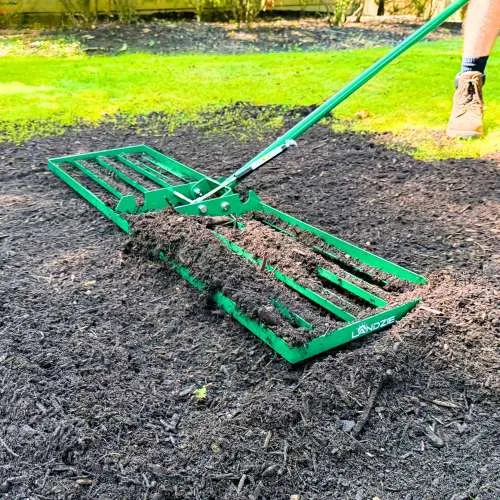
High areas can cause uneven pressure when rolling. These spots should be smoothed out by removing extra soil.
Use tools like a rake or shovel to spread soil from high spots to low areas. This balances the surface for better rolling results.
- Mark high points using a string level or laser level
- Remove excess soil carefully with a shovel or rake
- Spread removed soil to fill low spots
- Check the surface for evenness before rolling
Choosing The Right Roller
Rolling on uneven soil needs the right roller for best results. The right roller helps smooth your lawn without damaging the soil.
Choosing the right roller depends on your soil type and the terrain’s unevenness. Knowing roller types helps you pick the best one.
Types Of Lawn Rollers
Lawn rollers come in different styles. Some are filled with water or sand to add weight.
Here are the common types of lawn rollers:
- Water-Filled Rollers: Light when empty, heavy when full.
- Sand-Filled Rollers: Very heavy and good for firm rolling.
- Steel Rollers: Strong but can be hard on soft soil.
- Poly Rollers: Lightweight and easy to handle.
Best Options For Uneven Terrain
Uneven soil needs a roller that can adjust to bumps and dips. A heavy, rigid roller might cause damage.
These rollers work best on uneven ground:
- Water-Filled Rollers: They are heavy but can be emptied to adjust weight.
- Poly Rollers: They are lighter and easier to control on rough soil.
- Segmented Rollers: Made of sections that move independently over bumps.
Rolling Techniques For Uneven Lawns
Rolling an uneven lawn can help smooth the surface. It improves the look and feel of your yard. But rolling on bumpy soil needs care.
You must use the right techniques to protect your grass and soil. This guide covers safe ways to roll and avoid damage.
Safe Rolling Practices
Roll your lawn only when the soil is moist, not wet or dry. Wet soil can get compacted, and dry soil might crack.
- Use a lightweight roller for uneven areas to avoid heavy pressure.
- Roll in different directions to cover all spots evenly.
- Move slowly and steadily to keep control on slopes and bumps.
- Check the lawn often to avoid over-rolling and damaging grass roots.
Avoiding Soil Compaction
Soil compaction reduces air, water, and nutrients for grass roots. Prevent it by adjusting your rolling habits.
| Rolling Tip | Effect on Soil |
| Roll only when soil is moist | Prevents deep compaction and root damage |
| Use lightweight roller | Reduces pressure on soil layers |
| Limit rolling passes | Keeps soil loose and healthy |
| Avoid rolling on wet soil | Stops soil from becoming too dense |
Alternative Lawn Care Tips
Lawn care on uneven soil can be challenging. There are ways to manage it effectively. Simple techniques can help your lawn thrive even on bumpy ground.
Using the right methods keeps your lawn healthy. It also makes maintenance easier. Let’s explore some alternative lawn care tips.
Aeration Benefits
Aeration helps improve soil health. It allows air and water to reach the roots. This process promotes grass growth.
Perform aeration in the growing season. Use a manual or machine aerator. It reduces soil compaction and enhances nutrient absorption.
- Improves root growth
- Enhances water absorption
- Reduces soil compaction
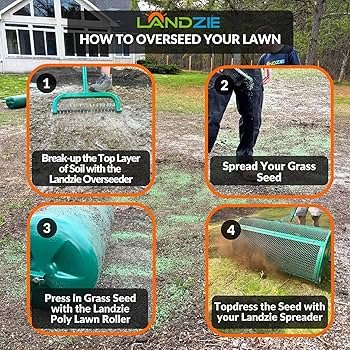
Topdressing And Overseeding
Topdressing involves adding a thin layer of soil over the lawn. It helps smooth out uneven areas. Overseeding introduces new grass seeds to improve lawn density.
Apply topdressing in the fall or spring. Follow it with overseeding for best results. These steps help fill bare spots and enhance lawn health.
| Topdressing Benefits | Overseeding Benefits |
| Levels uneven surfaces | Increases grass density |
| Improves soil quality | Prevents weed growth |
Credit: landzie.com
Maintaining A Smooth Lawn
Keeping a lawn smooth takes effort and care. Uneven soil can cause bumps and dips. These make mowing difficult and affect appearance.
Rolling the lawn helps level the ground. It improves the look and makes it easier to walk on. Understanding how to manage uneven soil is key for a beautiful lawn.
Regular Lawn Inspections
Check your lawn regularly for uneven spots. Look for bumps and holes. These can develop from natural settling or pests.
Fix small problems early. Use a garden roller for minor adjustments. This keeps the lawn even and easy to maintain.
- Inspect after heavy rain
- Look for signs of pests
- Check for soil erosion
Seasonal Care Strategies
Seasons affect lawn care needs. In spring, aerate the soil. This helps grass grow strong roots.
Summer heat may dry the soil. Water regularly to keep it moist. In fall, remove leaves to prevent soil compression.
- Aerate in spring
- Water in summer
- Clear leaves in fall
Frequently Asked Questions
Can You Roll Lawn On Uneven Soil?
Yes, you can roll lawn on uneven soil, but it may not level perfectly. Rolling helps press seeds and soil together, improving contact. For best results, fix major bumps before rolling to avoid compacting low spots and ensure even grass growth.
What Are Risks Of Rolling On Uneven Ground?
Rolling on uneven ground can compact soil irregularly, causing poor drainage and root growth. It may create low spots where water pools. Excessive rolling can damage soil structure, so use a roller gently and only after light soil preparation.
When Is The Best Time To Roll Uneven Soil?
The best time to roll uneven soil is after light rain or watering. Moist soil compacts better without damage. Avoid rolling dry or waterlogged soil, as it can cause crusting or deep compaction, harming seedling emergence and root development.
Does Rolling Improve Soil On Slopes Or Hills?
Rolling uneven soil on slopes helps press seeds but won’t fully level the area. It can prevent seed displacement on slopes but avoid heavy rolling, which may cause soil erosion or uneven compaction, harming plant growth on hillsides.
Conclusion
Rolling on uneven soil can be tricky but doable with care. Uneven ground may cause bumps and damage if you rush. Take your time and check the soil before rolling. Use the right tools and apply even pressure for best results.
Remember, safety comes first to avoid accidents or injury. Proper preparation helps you roll smoothly and protect your soil. Small steps make a big difference in achieving good results. Keep these tips in mind for a successful rolling experience on uneven soil.
