
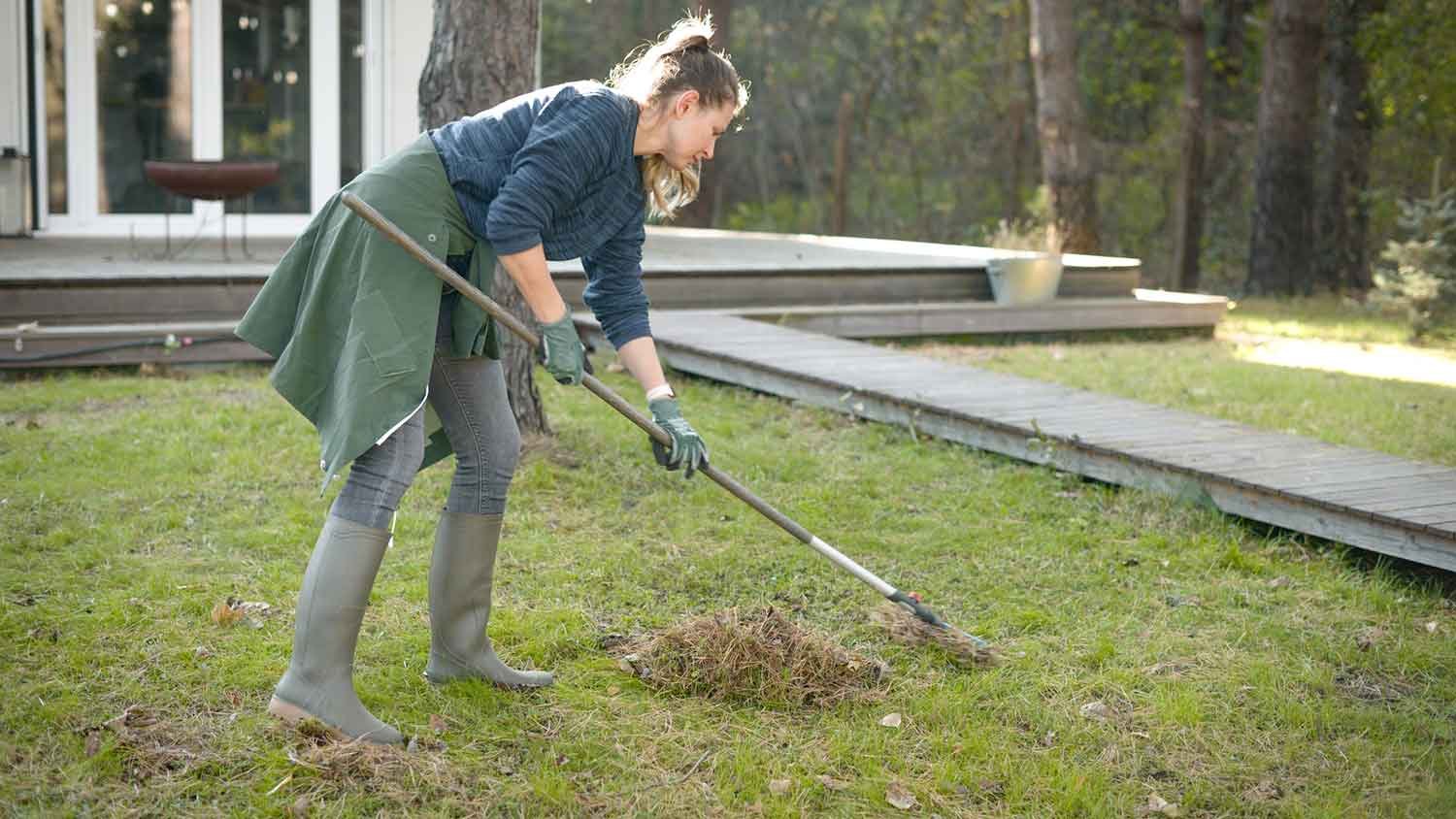
Are pine needles piling up in your yard and making cleanup a hassle? You might be wondering how to tackle this sticky mess without spending hours raking.
Using a leaf vacuum on pine needles can be a game-changer for your outdoor chores. But how do you get the best results without clogging your equipment or missing spots? You’ll discover simple, effective tips to make your leaf vacuum work perfectly on pine needles.
Keep reading, and you’ll find out how to save time, protect your lawn, and enjoy a cleaner yard with less effort.
Choosing The Right Leaf Vacuum
Using a leaf vacuum makes cleaning pine needles easier. Picking the right one saves time and effort.
Consider the types, features, and power sources. This guide helps you find the best leaf vacuum for your needs.
Types Of Leaf Vacuums
Leaf vacuums come in several types. Each suits different yard sizes and tasks.
- Handheld Vacuums:Light and easy to carry. Good for small areas.
- Backpack Vacuums:Worn on your back. Useful for larger yards and longer use.
- Walk-Behind Vacuums:Push or ride models. Best for big yards with heavy debris.
Features To Look For
Some features make leaf vacuums more effective and comfortable to use.
| Feature | Benefit |
| Adjustable Speed | Controls suction power for different debris types. |
| Mulching Capability | Shreds leaves to reduce bag space. |
| Large Collection Bag | Holds more leaves before emptying. |
| Ergonomic Design | Reduces strain during use. |
| Noise Level | Quieter models are better for neighborhood use. |
Power Source Options
Leaf vacuums use different power sources. Choose one that fits your yard and preferences.
- Electric Corded:Offers constant power. Limited by cord length.
- Battery Powered:Portable and quiet. Battery life limits use time.
- Gas Powered:Strong suction for large jobs. Requires fuel and more maintenance.

Credit: www.vevor.com
Preparing Your Yard
Using a leaf vacuum to clean pine needles works best when your yard is ready. Preparing your yard helps make the process easier and safer.
Spend time clearing and protecting your plants before you start. This prevents damage and keeps everything neat.
Clearing Large Debris
Remove big sticks, rocks, and trash from your yard. These can block the vacuum or damage it.
Large debris can also hurt the vacuum motor. Clear the area to keep the machine working well.
- Pick up sticks and branches by hand
- Rake or sweep away big piles of leaves
- Check for stones or hard objects on the ground
Protecting Plants And Lawn
Cover small plants and flowers near pine needle areas. The vacuum’s force can damage delicate leaves and stems.
Keep the vacuum moving over your lawn to avoid creating bare spots or damage.
- Use garden cloths or boards to shield plants
- Do not stay too long in one spot on the grass
- Test vacuum power on a small patch first
Safety Precautions
Wear gloves and eye protection while using the leaf vacuum. Pine needles and dust can irritate your skin and eyes.
Keep children and pets away from the area. The vacuum is loud and can be dangerous if used near others.
- Wear closed-toe shoes and long pants
- Use ear protection if the vacuum is loud
- Follow the vacuum’s instructions carefully
- Turn off the machine before clearing jams
Using The Leaf Vacuum On Pine Needles
Leaf vacuums help clean pine needles from yards quickly. They collect needles without damaging the grass or soil. Using the right settings makes the job easier.
This guide covers how to adjust settings, best collection techniques, and how to handle wet or dry needles for best results.
Adjusting Settings For Pine Needles
Set the vacuum to a medium suction power. Pine needles are light but can clog the machine if suction is too strong. Use a wider nozzle to avoid jams.
- Use medium suction to prevent clogging
- Choose a wide nozzle for better needle pickup
- Adjust the speed to avoid scattering needles
- Empty the collection bag often to maintain power
Best Techniques For Collection
Work in small sections for better control. Move the vacuum slowly over the needles. Overlap each pass to catch all needles. Avoid pushing needles into piles that block the nozzle.
| Technique | Reason |
| Work in small sections | Prevents missing needles and reduces fatigue |
| Move vacuum slowly | Improves suction and needle collection |
| Overlap passes | Ensures full coverage without gaps |
| Empty bag frequently | Keeps vacuum working at full power |
Handling Wet Vs Dry Needles
Dry pine needles are easier to vacuum. Wet needles stick together and may clog the vacuum. Use lower suction and clean the nozzle often when needles are wet.
- Dry needles: vacuum as usual for best results
- Wet needles: reduce suction to prevent clogging
- Check and clean nozzle every few minutes
- Empty collection bag more frequently

Credit: jovant.com
Maintaining Your Leaf Vacuum
Keeping your leaf vacuum in good shape helps it work well on pine needles. Regular care stops breakdowns and keeps the machine strong.
This guide explains how to clean the filter, empty the bag, and fix common problems. Follow these tips to keep your leaf vacuum ready.
Cleaning The Vacuum Filter
A clean filter lets air flow easily and stops the machine from overheating. Check the filter often and clean it if it looks dirty.
- Remove the filter cover carefully.
- Tap the filter to knock off dust and debris.
- Wash the filter with water if very dirty.
- Let the filter dry fully before replacing it.
- Put the filter cover back on tightly.
Emptying The Collection Bag
Empty the collection bag often to keep the vacuum working well. A full bag lowers suction and can cause damage.
| When to Empty | How to Empty |
| Half full | Detach the bag gently |
| After each use | Turn the bag upside down and shake out debris |
| Dirty inside | Wipe with a damp cloth |
Troubleshooting Common Issues
If your vacuum does not work well, try these checks first. Fixing small problems can save you time and money.
- Vacuum won’t start:Check if it is plugged in or if the battery is charged.
- Low suction power:Clean or replace the filter and empty the bag.
- Strange noises:Look for stuck debris in the fan or motor area and clear it.
- Overheating:Let the vacuum cool down and clean the filter to improve airflow.
Disposing And Recycling Pine Needles
Pine needles can create a lot of yard waste. Using a leaf vacuum helps collect them easily. Instead of throwing them away, you can recycle pine needles in useful ways.
Recycling pine needles reduces waste and benefits your garden. Here are some simple ways to dispose of and reuse pine needles safely.
Composting Pine Needles
Pine needles break down slowly in compost because they are acidic. Add them in small amounts mixed with other green and brown materials. This helps balance the compost.
Chop pine needles before adding to compost. This speeds up decomposition and makes the compost richer.
- Mix pine needles with leaves and grass clippings
- Turn compost regularly to improve airflow
- Avoid adding too many pine needles at once
Using Needles As Mulch
Pine needles make great mulch. Spread a thin layer around plants to keep soil moist and reduce weeds. They also add a nice look to garden beds.
Mulch made from pine needles helps protect plant roots in winter. Replace mulch each year for best results.
- Spread 2 to 3 inches of pine needles around plants
- Keep mulch a few inches away from plant stems
- Use pine needle mulch for acid-loving plants
Safe Disposal Practices
If you cannot compost or mulch pine needles, dispose of them safely. Pine needles dry out fast and can catch fire easily. Avoid piling them near buildings or dry areas.
Check local rules for yard waste disposal. Some places allow pine needles in green waste bins, while others require special handling.
- Store pine needles in a metal or fireproof container
- Keep needles away from open flames and heat sources
- Follow local guidelines for yard waste collection
Tips For Efficient Pine Needle Cleanup
Using a leaf vacuum can make pine needle cleanup easier. These tips will help you manage the task efficiently.
Understanding the right techniques saves time and effort. Let’s explore how to clean up pine needles effectively.
Timing Your Cleanup
Timing is key to efficient pine needle cleanup. Wait for dry weather, as wet needles are heavy and stick together.
Regularly schedule cleanups during the fall season. This prevents a large buildup of needles.
Combining Tools For Best Results
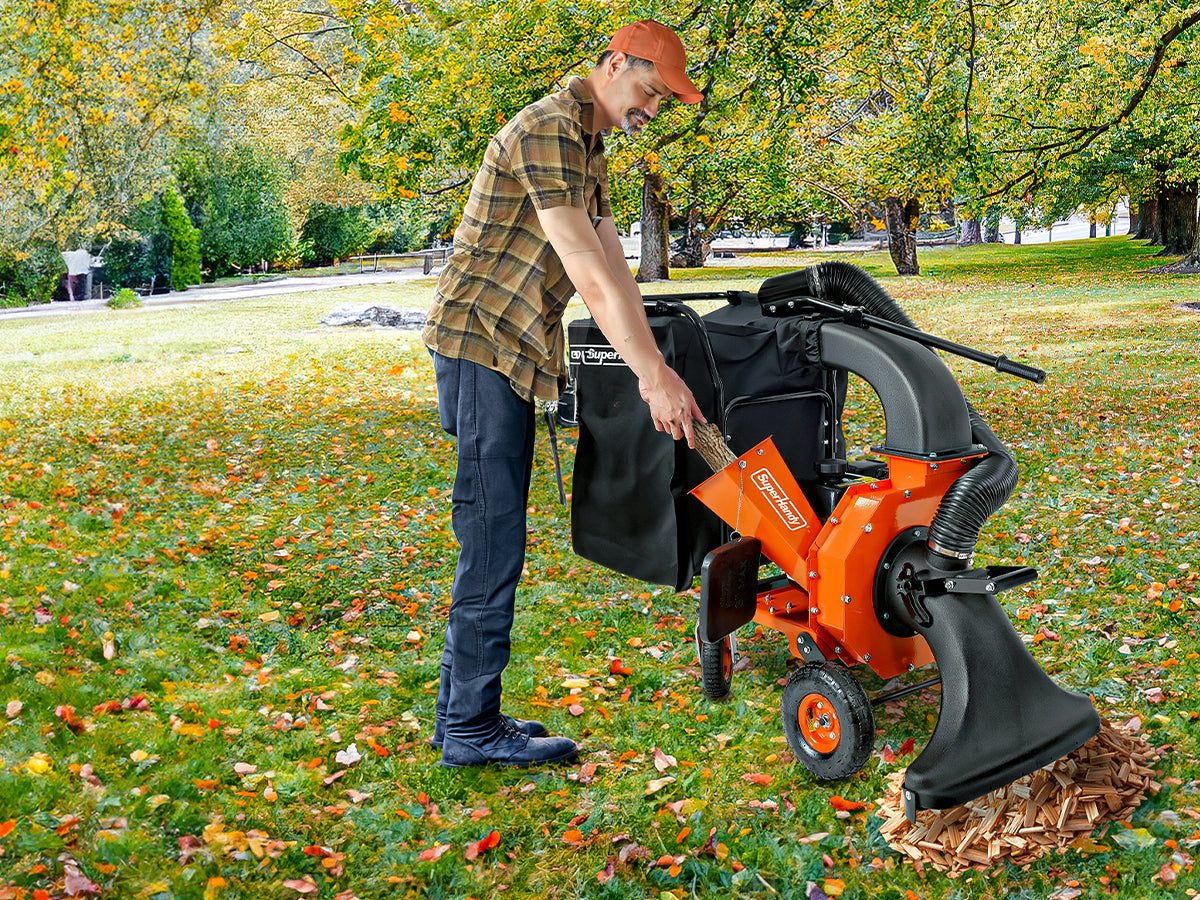
Using different tools improves cleanup efficiency. A leaf vacuum works well with a rake for stubborn needles.
Consider using a blower for larger areas. This clears loose needles before vacuuming.
- Use a rake for areas with thick needle layers
- Employ a blower to gather needles into piles
- Finish with a vacuum to collect remaining needles
Reducing Needle Buildup Long-term
To reduce long-term needle buildup, maintain your trees. Pruning can decrease the amount of falling needles.
Regularly remove debris from gutters and roofs. This prevents needles from accumulating in hard-to-reach areas.
- Prune trees to minimize needle drop
- Regularly clean gutters and roofs
- Install barriers to catch falling needles
Credit: superhandyus.com
Frequently Asked Questions
How Do I Prepare The Leaf Vacuum For Pine Needles?
Start by checking the vacuum bag and filter for cleanliness. Attach the proper nozzle for pine needles. Ensure the vacuum is fully charged or plugged in. Adjust settings for dry leaves and needles to prevent clogging and maximize efficiency.
Can Leaf Vacuums Handle Wet Pine Needles Effectively?
Leaf vacuums work best on dry pine needles. Wet needles tend to clog the machine and reduce suction. Wait for a dry day to vacuum pine needles for optimal results and to protect your equipment.
What Safety Tips Should I Follow When Using A Leaf Vacuum?
Wear protective eyewear and gloves to avoid injury. Keep children and pets away while operating. Avoid vacuuming sharp objects or large debris. Always turn off the vacuum before emptying the bag or performing maintenance.
How Often Should I Empty The Leaf Vacuum Bag?
Empty the bag when it is half to three-quarters full. This prevents loss of suction and motor strain. Check the bag frequently during heavy pine needle cleanup to maintain efficiency.
Conclusion
Using a leaf vacuum makes cleaning pine needles easier and faster. It saves time and effort in your yard work. Keep the vacuum’s nozzle close to the ground for best results. Regular use helps keep your lawn neat and healthy.
Always check and empty the vacuum bag often. This tool works well even on thick layers of pine needles. With practice, your yard will look tidy in no time. Clean spaces feel more inviting and enjoyable. Try it today and see the difference yourself.
Simple steps lead to great results.
