
Are you wondering if you can use a spreader for lime on your lawn or garden? You’re not alone.
Getting the right tool for spreading lime can make a big difference in how evenly it’s applied—and how healthy your soil becomes. You’ll discover simple tips and important facts that will help you decide if a spreader is the best choice for your lime application.
Keep reading to find out how to make your lawn care easier and more effective.
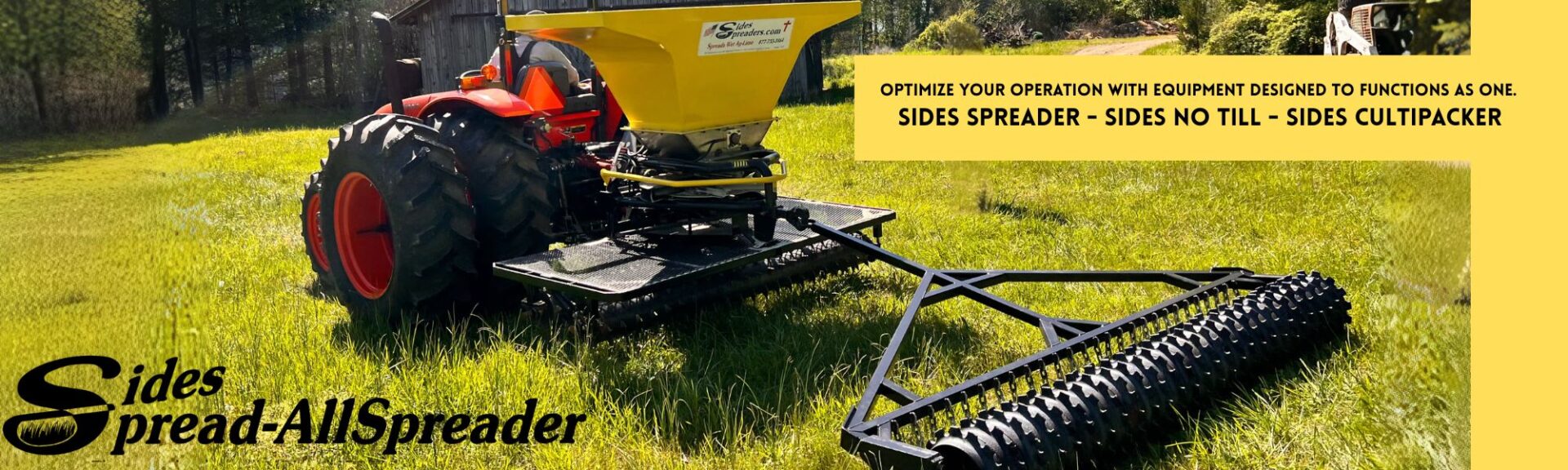
Credit: sidesspreaders.com
Types Of Lime For Lawn Care
Lime helps balance soil pH and improves lawn health. Different types of lime offer unique benefits.
Choosing the right lime type depends on your soil needs and lawn type.
Agricultural Lime
Agricultural lime is made from crushed limestone. It raises soil pH slowly and improves nutrient availability.
- Mostly calcium carbonate
- Neutralizes acidic soil
- Improves soil structure
- Best for long-term pH adjustment
Dolomitic Lime
Dolomitic lime contains calcium and magnesium carbonate. It helps add magnesium to magnesium-deficient soils.
| Component | Percentage |
| Calcium Carbonate | 50-60% |
| Magnesium Carbonate | 30-40% |
| Other Minerals | 5-10% |
Hydrated Lime
Hydrated lime is quick-acting and highly alkaline. It changes soil pH fast but needs careful use.
- Also called calcium hydroxide
- Raises pH quickly
- Can burn plants if overused
- Used for fast soil correction
Choosing The Right Spreader
Applying lime evenly helps improve soil quality. Using the right spreader makes this task easier and more effective.
Different types of spreaders work best for different lawn sizes and lime types. Learn about broadcast, drop, and handheld spreaders.
Broadcast Spreaders
Broadcast spreaders spread lime over a wide area quickly. They fling the lime out in a broad pattern.
These spreaders are good for large lawns. They cover ground fast but may waste lime if not used carefully.
- Best for big, open spaces
- Easy to use and adjust
- May scatter lime unevenly near edges
Drop Spreaders
Drop spreaders drop lime straight down in a narrow path. They give precise control over where lime falls.
These spreaders work well for smaller areas or gardens. They reduce lime waste and prevent drifting on windy days.
- Good for small to medium lawns
- Provides even and controlled spreading
- Slower coverage than broadcast spreaders
Handheld Spreaders
Handheld spreaders are small and easy to carry. They work well for spot treatments and very small areas.
These spreaders require more effort and take longer. They are good if you only need to treat a few spots with lime.
- Best for tiny or hard-to-reach areas
- Lightweight and portable
- Not efficient for large lawns
Preparing Lime For Spreading
Before spreading lime on your soil, you must prepare it properly. Good preparation helps lime spread evenly. This improves its effectiveness.
Proper lime preparation involves checking moisture and particle size. These factors affect how well lime flows through a spreader.
Moisture And Clumping Issues
Lime can absorb moisture from the air or ground. Too much moisture causes clumping. Clumps block the spreader and cause uneven application.
- Store lime in a dry place before use.
- Break up clumps by hand or with tools.
- Use lime soon after opening the package.
- Avoid spreading lime when the soil is very wet.
Particle Size Considerations
Particle size affects how lime moves through a spreader. Smaller particles spread more evenly but may dust in the air. Larger particles reduce dust but may not cover evenly.
| Particle Size | Effect on Spreading | Recommendation |
|---|---|---|
| Fine (under 200 mesh) | Spreads evenly, more dust | Handle carefully to avoid loss |
| Medium (200-60 mesh) | Good balance of spread and dust | Ideal for most spreaders |
| Coarse (over 60 mesh) | Less dust, uneven spread | Use with spreader adjustments |
Application Techniques
Using a spreader for lime helps apply it evenly over your lawn or soil. Correct techniques improve lime effectiveness and soil health.
Applying lime requires attention to spreader settings and movement patterns. This keeps the lime coverage uniform.
Setting Spreader Rates
Set your spreader rate based on the lime type and soil needs. Check the lime bag for recommended rates.
Adjust the spreader opening to control how much lime comes out. Too much or too little can harm plants or waste lime.
- Test the spreader on a small area first.
- Use the slowest setting to avoid over-application.
- Adjust settings if the lime spreads unevenly.
Overlap And Pattern Strategies
Use an overlap pattern to cover all areas without gaps or heavy spots. Walk in straight, parallel lines.
Overlap each pass by about half the spread width. This helps to spread lime evenly across the soil.
- Start at the edge of the area.
- Keep your walking speed steady.
- Overlap passes by 50% of spread width.
- Avoid stopping suddenly to prevent clumps.
Safety Precautions
Using a spreader for lime requires careful attention to safety. Lime is a powdery substance that can irritate skin and eyes.
Taking the right safety steps keeps you safe while spreading lime on your soil or lawn.
Protective Gear
Wear proper protective gear before using a lime spreader. This gear helps protect your body from dust and chemicals.
- Wear gloves made of rubber or nitrile to protect your hands.
- Use safety goggles to shield your eyes from dust.
- Wear a dust mask or respirator to avoid breathing lime particles.
- Put on long sleeves and pants to cover your skin.
- Use closed-toe shoes to protect your feet.
Handling And Storage Tips
Handle and store lime carefully to keep it effective and safe. Improper storage can cause clumping or spills.
| Handling Tips | Storage Tips |
| Keep lime dry during use. | Store in a cool, dry place. |
| Use the spreader on calm days to reduce dust. | Seal bags tightly after use. |
| Clean equipment after spreading lime. | Keep lime away from moisture sources. |
| Do not eat or drink while handling lime. | Store away from children and pets. |
Timing And Weather Conditions
Using a spreader for lime needs careful timing and weather checks. Correct conditions ensure lime works effectively in soil.
Weather impacts lime application. It’s important to choose the right season and avoid poor weather.
Best Seasons For Application
Spring and fall are ideal for spreading lime. The soil is often moist, which helps lime absorb better.
During these seasons, temperatures are moderate. This makes lime more effective in adjusting soil pH levels.
- Spring: Soil is thawed and ready.
- Fall: Prepares soil for winter crops.
Avoiding Wind And Rain
Wind can blow lime away, wasting it. Choose a calm day for spreading.
Rain can wash lime off the surface. Apply lime when no rain is forecasted.
- Avoid windy days for effective coverage.
- Check weather forecast to prevent rain interference.
Post-application Care
Applying lime to your soil is just the beginning. Proper care after application is crucial for success. Follow these guidelines to ensure your soil benefits from the lime treatment.
Understanding the necessary post-application steps will help improve your soil’s health. Let’s dive into the important aspects of caring for your soil after applying lime.
Watering Requirements
Watering the soil after lime application is essential. It helps lime mix into the soil effectively. Without water, lime may not reach the deeper layers.
Water the area evenly to prevent lime from staying on the surface. Proper watering ensures that lime works efficiently and improves soil pH levels.
- Water the soil thoroughly after lime application
- Ensure water reaches deeper soil layers
- Use a sprinkler for even water distribution
Soil Testing After Application
Testing your soil after applying lime is important. It helps you understand the changes in soil pH and nutrient levels.
Regular soil testing provides insights into the effectiveness of lime application. It also guides you on any further adjustments needed for your soil.
- Conduct a soil test a few weeks after application
- Check for changes in pH and nutrient levels
- Use results to guide future soil treatments
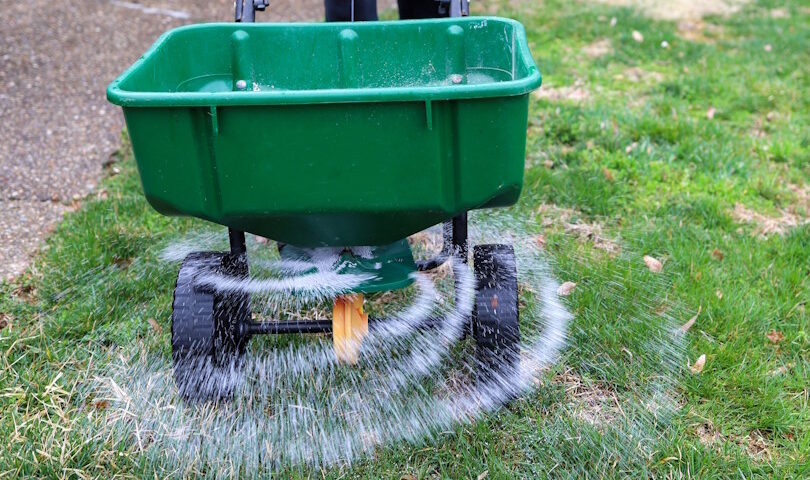
Credit: www.powerequipmentct.com
Common Mistakes To Avoid
Using a spreader for lime helps improve soil health. But many people make mistakes that reduce its benefits.
Knowing what to avoid makes your lime application more effective and safer for plants.
Over-application Risks
Applying too much lime can harm your soil and plants. It raises soil pH too high, which stops nutrients from working well.
Too much lime may also cause nutrient imbalances and damage sensitive plants.
- Limits nutrient absorption by roots
- Can cause yellow leaves or poor growth
- Wastes lime and costs more money
- Makes soil too alkaline for some crops
Ignoring Soil Ph Levels
Not testing soil pH before spreading lime is a big mistake. Lime only works if your soil is too acidic.
Using lime without knowing your soil’s pH can lead to wrong amounts and poor results.
- Test soil pH with a kit or lab before applying lime
- Apply lime only if soil pH is below the recommended range
- Adjust lime amount based on test results
- Regular testing helps maintain balanced soil pH

Credit: www.youtube.com
Frequently Asked Questions
Can You Use A Spreader For Lime Application?
Yes, you can use a spreader for lime. It ensures even distribution and prevents patchy areas. Use a broadcast or drop spreader for best results.
What Type Of Spreader Works Best For Lime?
A broadcast or rotary spreader works best for lime. These spreaders evenly distribute lime over large areas, saving time and effort.
How Do You Calibrate A Spreader For Lime?
Calibrate by measuring lime output on a test area. Adjust settings to ensure the right lime quantity covers your lawn evenly.
Can A Spreader Handle Different Lime Types?
Most spreaders handle powdered and pelletized lime. Check your spreader’s manual for compatibility and adjust settings accordingly for best coverage.
Conclusion
Using a spreader for lime works well for even coverage. It saves time and effort on your lawn or garden. Choose a spreader that fits the type of lime you use. Adjust the settings to avoid over-applying lime. Spread lime carefully to improve soil health and plant growth.
Regular application helps keep soil balanced and plants happy. Keep your spreader clean after use to last longer. This simple tool makes lime application easier and more effective.
