
Have you ever wondered why your lawn isn’t looking its best, no matter how much care you give it? The secret might be hidden beneath your feet—in the soil’s pH level.
If your lawn soil is too alkaline, it can stop your grass from growing healthy and vibrant. This can lead to yellowing leaves, patchy grass, and frustrated efforts to fix the problem. But don’t worry—understanding what happens when soil is too alkaline is the first step to turning your lawn around.
Keep reading to discover how this invisible issue affects your lawn and what you can do to bring your grass back to life.
Causes Of Alkaline Lawn Soil
Lawn soil can become too alkaline, affecting grass health. Understanding the causes helps in managing soil properly.
Alkaline soil means the pH level is above 7. This can stop nutrients from reaching grass roots.
Common Soil Ph Levels
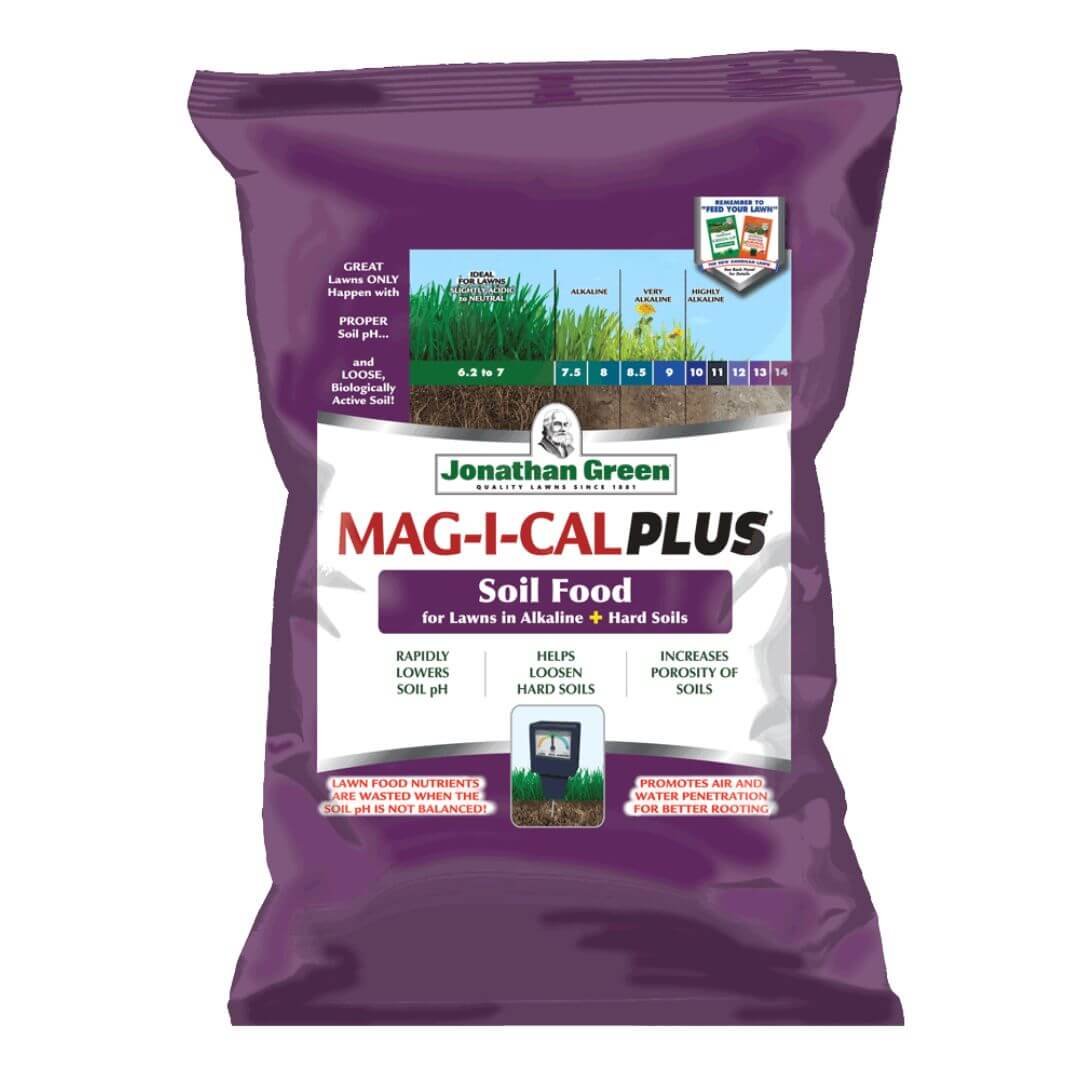
Soil pH shows how acidic or alkaline the soil is. It ranges from 0 to 14. Below 7 is acidic, 7 is neutral, and above 7 is alkaline.
- Acidic soil: pH less than 7
- Neutral soil: pH around 7
- Alkaline soil: pH greater than 7
Most lawns grow best in slightly acidic to neutral soil. Alkaline soil can cause nutrient problems.
Factors Raising Soil Alkalinity
| Factor | Description |
| High Lime Content | Soil with natural lime raises pH. |
| Hard Water Irrigation | Water with minerals increases alkalinity. |
| Excessive Fertilizer | Some fertilizers add alkaline salts. |
| Poor Drainage | Leads to salt build-up, raising pH. |
| Soil Type | Sandy or calcareous soils often are alkaline. |
These factors work together to raise lawn soil pH. Testing your soil helps identify the cause.

Credit: trynutripod.com
Effects On Grass Health
Lawn soil that is too alkaline can harm grass health. The pH level affects how grass absorbs nutrients.
Understanding the effects helps keep your lawn green and healthy. Alkaline soil changes the soil chemistry.
Nutrient Deficiencies
High alkaline levels reduce the availability of important nutrients. Grass may not get enough iron, manganese, and phosphorus.
These missing nutrients cause grass to turn yellow or brown. The grass cannot grow strong without them.
- Iron deficiency causes yellowing leaves
- Manganese shortage weakens grass blades
- Phosphorus lack slows root growth
Poor Grass Growth
Alkaline soil creates a tough environment for grass roots. Roots may grow shallow and weak.
Weak roots lead to thin, patchy grass. The lawn looks unhealthy and sparse over time.
- Roots absorb fewer nutrients
- Grass struggles to recover from stress
- Growth slows during warm seasons
Increased Weed Presence
Alkaline soil favors weeds that grow well in high pH. These weeds compete with grass for space and nutrients.
Weeds spread quickly and crowd out grass. This causes the lawn to lose its green, healthy look.
- Common weeds include clover and dandelions
- Weeds tolerate alkaline conditions better
- Weeds reduce grass growth and health
Impact On Soil Microorganisms
Lawn soil that is too alkaline can harm the tiny living things in it. These tiny living things are called microorganisms. They help keep the soil healthy and support plant growth.
When the soil pH is too high, it changes the environment for these microorganisms. This can stop them from working well and upset the balance in the soil.
Reduced Microbial Activity
Many soil microbes do best in neutral or slightly acidic soil. Too much alkalinity can slow their activity. This means they cannot break down organic matter as fast.
Slower microbial activity leads to less nutrient recycling. Plants get fewer nutrients they need to grow strong and healthy.
Imbalance In Soil Ecosystem
Alkaline soil can favor some microbes while harming others. This causes an imbalance in the soil ecosystem. Helpful bacteria and fungi may decrease in number.
With fewer helpful microbes, harmful organisms can grow more easily. This can lead to poor soil health and weak lawn growth.
Credit: golfcourselawn.store
Testing Soil Ph
Soil pH affects how well plants grow in your lawn. If the soil is too alkaline, some nutrients become hard to absorb.
Testing soil pH helps you understand your lawn’s condition. It guides you to take the right steps to improve soil health.
Diy Soil Testing Methods
You can test soil pH at home with simple tools. These tests give quick results and help you decide if professional help is needed.
Common DIY tests include using pH test strips or a digital pH meter. Both need a soil sample mixed with water.
- Collect soil from different lawn spots
- Mix soil with distilled water in a clean container
- Dip pH strips or probe into the mixture
- Compare color on strips to the chart or read meter display
- Note the pH level for each sample
Professional Soil Analysis
Experts can test your soil in a lab for detailed results. They check pH and other nutrients that affect lawn health.
Professional analysis helps diagnose soil problems and suggests specific treatments. This is useful for persistent lawn issues.
- Collect soil samples from several areas
- Send samples to a soil testing lab
- Receive a report with pH and nutrient levels
- Follow expert advice to adjust soil pH
Amending Alkaline Soil
Lawn soil that is too alkaline can stop grass from growing well. The pH level affects how plants get nutrients from the soil. Lowering the pH helps plants absorb nutrients better.
Changing alkaline soil needs the right materials. Two common ways are using sulfur or acidifying agents, and adding organic matter to the soil.
Using Sulfur And Acidifying Agents
Sulfur and acidifying agents help make alkaline soil less alkaline. These materials lower the soil’s pH by adding acid. This makes the soil better for lawn grass and other plants.
- Elemental sulfur is slow but lasts longer in the soil.
- Aluminum sulfate works faster but needs careful use.
- Iron sulfate is another option that acts quickly.
- Apply these materials evenly for best results.
- Water the lawn after applying to help them work.
Incorporating Organic Matter
Adding organic matter improves soil structure and helps reduce alkalinity. Organic materials release acids as they break down, which lowers the pH naturally.
| Type of Organic Matter | Benefit |
| Compost | Improves nutrients and soil texture |
| Peat Moss | Acidifies soil and retains moisture |
| Leaf Mold | Increases soil acidity and fertility |
| Manure | Supplies nutrients and supports microbes |
Choosing The Right Grass Type
Soil with high pH can affect grass growth. Choosing the right grass type is important for a healthy lawn. Some grass varieties are better suited for alkaline soil.
Understanding which grass types thrive in alkaline conditions can save time and resources. Proper selection and maintenance ensure a lush, green lawn.
Grass Varieties Tolerant To Alkaline Soil
Certain grass varieties are more tolerant to alkaline soil. These grasses can thrive and maintain their color and health.
- Bermudagrass: Tolerates high pH and is drought-resistant.
- Zoysia Grass: Adapts well to different soil types, including alkaline.
- Buffalograss: Prefers a higher pH and is low maintenance.
Seeding And Maintenance Tips
Proper seeding and maintenance are crucial for lawns in alkaline soil. Follow these tips to keep your grass healthy and vibrant.
Begin by testing your soil to determine its pH level. Amend the soil if needed to improve grass growth and health.
- Water deeply but infrequently to encourage deep roots.
- Aerate the soil to improve air and nutrient flow.
- Apply fertilizers that are suitable for high pH soil.
- Mow regularly, keeping the grass at the recommended height.
Preventing Soil Alkalinity
Maintaining the right pH level in your lawn soil is important for healthy grass. If soil is too alkaline, it can affect plant growth.
There are several methods to prevent soil alkalinity, ensuring your lawn stays vibrant and green.
Proper Watering Practices
Watering your lawn correctly can help prevent soil from becoming too alkaline. Use rainwater when possible, as it is naturally balanced.
- Water early in the morning to reduce evaporation.
- Avoid overwatering to prevent nutrient runoff.
- Check local water pH levels to understand their impact.
Avoiding Overuse Of Lime And Fertilizers
Using too much lime or certain fertilizers can increase soil alkalinity. Apply them carefully to maintain the right balance.
Test your soil pH regularly and adjust lime applications accordingly. This simple step can prevent over-alkalization.
| Fertilizer Type | Effect on pH |
| Nitrogen-rich | Neutral |
| Ammonium-based | Decreases pH |
| Lime | Increases pH |

Credit: paradise-lawn.com
Frequently Asked Questions
What Are Common Signs Of Alkaline Lawn Soil?
Alkaline soil often causes yellowing grass and poor growth. You might see patchy, weak turf and nutrient deficiencies like iron chlorosis.
How Does Alkaline Soil Affect Lawn Grass Health?
High pH limits nutrient availability, causing stress in grass. Lawns become thin, discolored, and more vulnerable to disease and drought.
Can I Test My Lawn Soil’s Alkalinity At Home?
Yes, simple pH test kits or strips can measure soil pH. They are affordable and provide quick, reliable results for lawn care.
What Lawn Grasses Tolerate Alkaline Soil Best?
Grasses like Bermuda, Zoysia, and Buffalo tolerate alkaline soil well. Choosing these types helps maintain a healthy lawn in high pH conditions.
Conclusion
Too alkaline soil can harm your lawn’s health and growth. Grass may turn yellow or grow slowly. Nutrients become harder for plants to absorb. Testing soil pH helps you understand the problem clearly. You can use soil amendments to balance the pH.
Regular care keeps your lawn green and strong. Healthy soil means a happy, thriving lawn all year. Small steps make a big difference in lawn care. Keep watching your soil to keep your grass healthy.
