
Is your lawn looking tired, patchy, or struggling to grow? The problem might be thatch—a thick layer of dead grass and roots that blocks water, air, and nutrients from reaching your soil.
But don’t worry, you don’t need expensive tools or a professional to fix it. With a simple hand rake, you can give your lawn the fresh start it needs. In this guide, you’ll learn exactly how to dethatch with a hand rake, step by step, so your grass can breathe, grow stronger, and look greener than ever.
Ready to transform your lawn with your own two hands? Let’s get started.
Why Dethatching Matters
Dethatching is an important lawn care task. It removes the layer of dead grass and roots called thatch.
Too much thatch stops water and nutrients from reaching the soil. This can hurt your lawn’s health.
Impact Of Thatch On Lawn Health
Thatch affects your lawn in many ways. A thin layer can protect the soil, but thick thatch is harmful.
- Blocks water and air from reaching roots
- Harbors pests and diseases
- Stops fertilizer from being absorbed
- Causes uneven soil temperature
- Leads to weak, thin grass growth
Signs Your Lawn Needs Dethatching
You can check your lawn for thatch build-up easily. Look for these signs to know if dethatching is needed.
| Sign | Description |
| Spongy Feel | The lawn feels soft and springy underfoot |
| Water Runoff | Water pools or runs off without soaking in |
| Brown Patches | Dead grass spots appear despite watering |
| Thick Layer | More than 1/2 inch of thatch when you pull up grass |
| Increased Pests | More insects or diseases than usual |
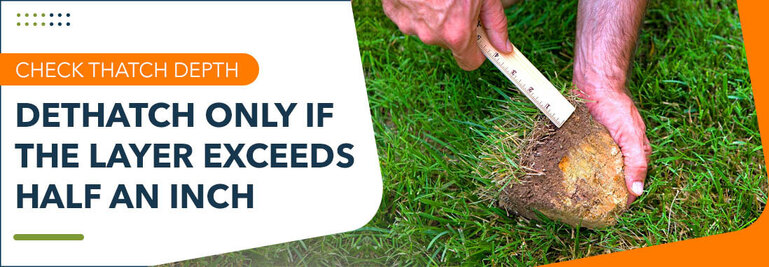
Credit: www.yourgreenpal.com
Choosing The Right Hand Rake
Using a hand rake makes dethatching your lawn easier. Picking the right one helps you work faster. There are different types of hand rakes for different needs.
This guide explains the types of hand rakes and key features to consider. Knowing these helps you find the best rake for your lawn care.
Types Of Hand Rakes
Hand rakes come in several styles. Each type suits a certain job or lawn size. Here are the common types:
- Standard Hand Rake:Has metal tines and a wooden or metal handle. Good for small to medium lawns.
- Thatching Rake:Features sharp, curved blades. Designed specifically to remove thatch layers.
- Leaf Rake:Has flexible plastic or metal tines. Best for light dethatching and leaf removal.
- Bow Rake:Sturdy with short, rigid tines. Useful for heavy thatch and soil work.
Features To Look For
| Feature | Why It Matters |
| Handle Length | Long handles reduce bending and back strain. |
| Tine Material | Steel tines last longer and work better than plastic. |
| Grip Comfort | A cushioned grip helps you rake longer without pain. |
| Tine Shape | Curved tines are better for pulling out thatch. |
| Weight | Lighter rakes are easier to handle for long jobs. |
Preparing Your Lawn
Dethatching with a hand rake is easier if your lawn is ready. Preparing your grass helps the rake work better.
Before you start, focus on mowing and watering, then clear any debris from the lawn.
Mowing And Watering Tips
Mow your lawn a few days before dethatching. Keep the grass height at about 2 to 3 inches. This makes the thatch easier to remove.
- Mow your lawn to a moderate height.
- Water your lawn lightly a day before dethatching.
- Avoid heavy watering right before dethatching to prevent soil damage.
Clearing Debris
Remove leaves, sticks, and other debris from the lawn. This stops the hand rake from getting caught or damaged.
| Debris Type | Removal Method |
|---|---|
| Leaves | Rake or use a leaf blower |
| Sticks | Pick up by hand or use garden gloves |
| Rocks | Remove carefully to avoid rake damage |
Step-by-step Dethatching Process
Dethatching removes thick layers of dead grass and debris from your lawn. This helps water and nutrients reach the roots. Using a hand rake is a simple way to dethatch small areas.
Follow these steps to dethatch your lawn carefully and effectively. It will improve your grass health and appearance.
Proper Raking Technique
Hold the hand rake firmly with both hands. Use short, gentle strokes to pull up dead grass and thatch. Avoid digging too deep to protect the healthy roots.
Work in small sections and rake in one direction first. Then rake across the area at a 90-degree angle to remove more thatch.
- Start at one edge of the lawn
- Use a light to moderate pulling force
- Rake slowly to lift thatch without harming grass
- Gather the thatch in piles for easy removal
Handling Different Lawn Sizes
Small lawns are easy to dethatch with a hand rake. Work steadily and cover the whole area. Take breaks if needed.
For medium or large lawns, divide the lawn into sections. Rake each section one at a time. This keeps the job manageable and even.
- Small lawns: rake entire lawn in one session
- Medium lawns: split into 4-6 sections
- Large lawns: divide into more sections, rake over several days
- Collect and dispose of thatch after each section
Post-dethatching Care
After dethatching your lawn with a hand rake, proper care helps it recover well. This care keeps your grass healthy and strong.
Focus on cleaning the debris and supporting the lawn with nutrients and water. These steps help new grass grow faster.
Cleaning Up Thatch Debris
Remove all the loose thatch and dead grass from your lawn surface. This prevents blocking sunlight and air from reaching the soil.
- Use a garden rake or leaf blower to gather debris into piles.
- Bag or compost the collected thatch properly.
- Check the lawn for leftover debris and clear it thoroughly.
- Clean your hand rake and tools after use to keep them in good shape.
Fertilizing And Watering
After cleaning, fertilize your lawn to help it grow new grass quickly. Water the lawn to keep the soil moist but not soaked.
| Care Activity | Timing | Details |
| Fertilizing | Within 2 days after dethatching | Use a balanced lawn fertilizer with nitrogen, phosphorus, and potassium |
| Watering | Daily for the first week | Water early in the morning; keep soil moist to 1 inch deep |
| Watering | Every 2-3 days after the first week | Adjust watering based on weather and soil condition |

Credit: www.familyhandyman.com
Common Mistakes To Avoid
Using a hand rake to dethatch your lawn can be effective. Avoid common mistakes to keep your grass healthy.
Understanding the risks and choosing the right tools is important. This helps you maintain a lush, green lawn.
Over-dethatching Risks
Over-dethatching can harm your lawn. It removes too much healthy grass.
When you dethatch too much, grass roots can become exposed. This makes them vulnerable to weather and pests.
- Exposed roots can dry out quickly
- Weeds may grow in bare spots
- Grass might become thin and weak
Using The Wrong Tools
Not all rakes are made for dethatching. Using the wrong tool can damage your lawn.
Choose a rake with strong, sharp tines for dethatching. This helps remove thatch without harming grass.
- Leaf rakes are too gentle
- Garden forks can tear grass
- Choose a dethatching rake for best results
Maintaining A Thatch-free Lawn
Keeping your lawn healthy involves removing thatch regularly. Thatch is a layer of dead grass and roots. It can prevent water and nutrients from reaching the soil.
Dethatching with a hand rake is simple and effective. It helps your lawn stay green and lush.
Regular Lawn Care Practices
Regular care is key to a thatch-free lawn. Follow these practices to maintain its health.
- Mow your lawn at the right height
- Water deeply but less frequently
- Fertilize with the right nutrients
- Aerate the soil annually
Seasonal Dethatching Schedule
Dethatching should be done at the correct time of year. This ensures the best results for your lawn.
| Season | Activity |
| Spring | Light dethatching |
| Fall | Thorough dethatching |
Spring is ideal for light dethatching. It removes the minimal build-up from winter. Fall is the time for a thorough rake. It prepares the lawn for the colder months.
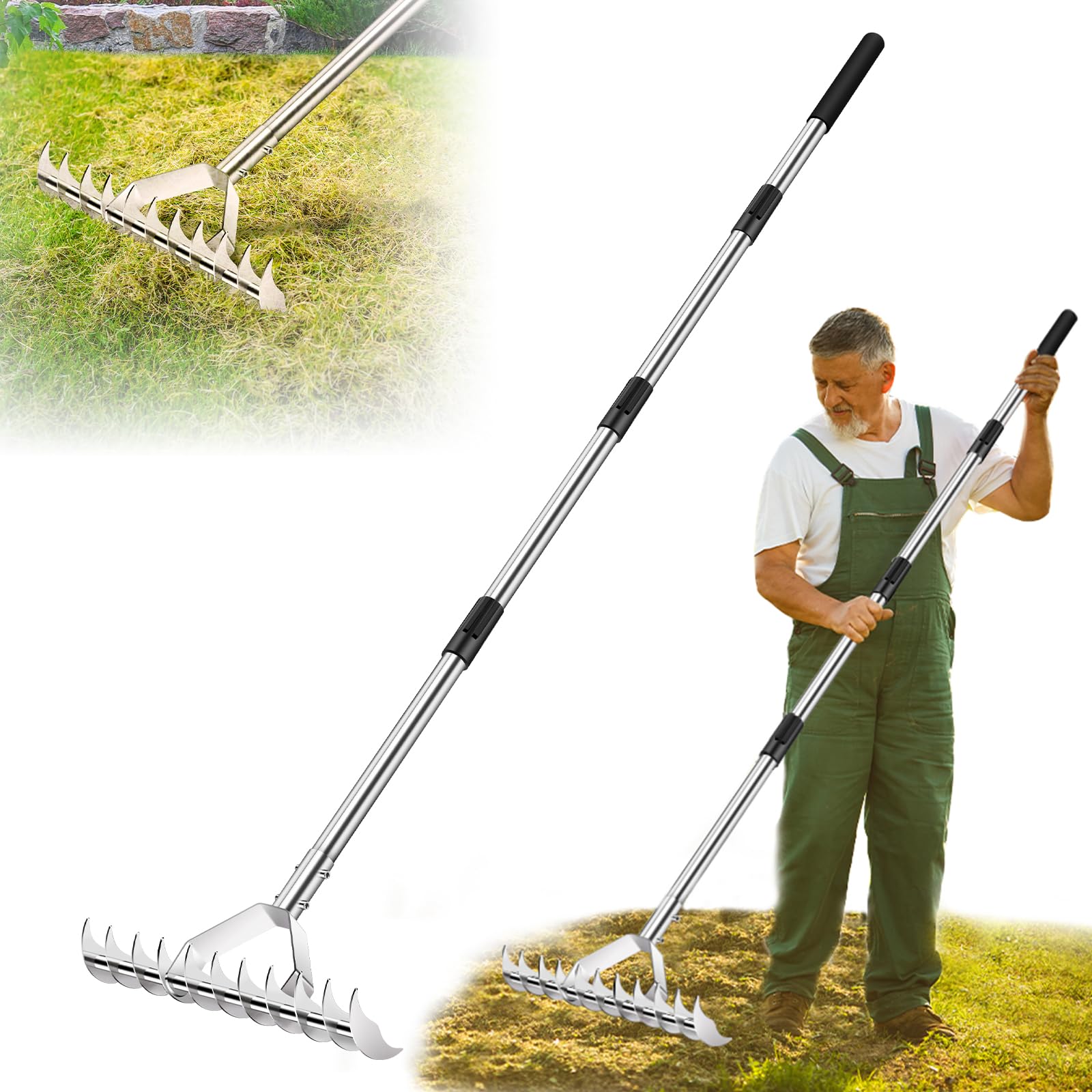
Credit: www.amazon.com
Frequently Asked Questions
What Is The Best Time To Dethatch With A Hand Rake?
The best time to dethatch is during early spring or fall. Grass is actively growing then, helping quick recovery. Avoid dethatching in extreme heat or drought to prevent lawn stress and damage.
How Often Should I Dethatch My Lawn By Hand?
Dethatching by hand is recommended once every 1 to 3 years. Frequency depends on grass type, soil, and thatch buildup. Regular inspection helps determine if dethatching is needed to maintain a healthy lawn.
Can I Damage My Lawn Using A Hand Rake To Dethatch?
Yes, excessive force or dethatching too often can harm your lawn. Use gentle, even strokes and avoid bare patches. Proper technique ensures removal of thatch without damaging grass roots or soil structure.
What Tools Do I Need Besides A Hand Rake For Dethatching?
Besides a hand rake, you might need a garden gloves, a lawn mower, and a rake to collect debris. A lawn aerator can also help improve soil after dethatching for better grass growth.
Conclusion
Dethatching with a hand rake keeps your lawn healthy and green. It removes dead grass and lets air reach the roots. This simple task helps water soak in better too. Regular dethatching prevents lawn problems later on. You only need a little effort and time.
Your lawn will thank you with fresh, strong growth. Start today, and enjoy a nicer yard soon. Easy, effective, and worth it.
