
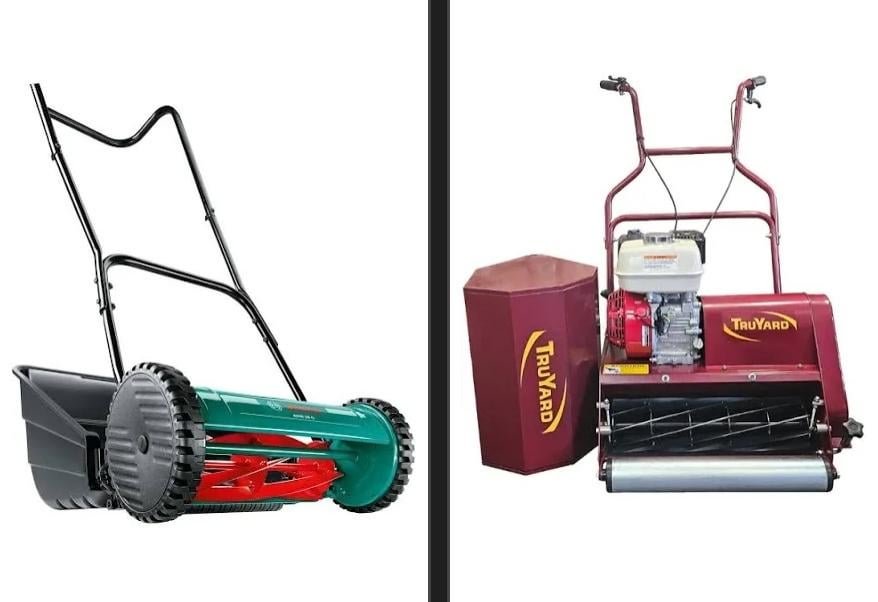
Are you struggling to get your lawn perfectly smooth and even? Choosing the right method to level your yard can make all the difference.
Should you go for a lawn roller or try hand leveling? Each option has its own benefits and challenges, and picking the best one for your lawn can save you time, effort, and frustration. You’ll discover what sets lawn rollers and hand leveling apart, helping you make the smartest choice for your outdoor space.
Keep reading to find out which method fits your needs and how to get that flawless lawn you’ve been dreaming of.
Benefits Of Lawn Rolling
Lawn rolling is a simple way to improve the health and look of your yard. It helps to make the soil firm and smooth.
Using a lawn roller can make your lawn easier to mow and better for planting seeds.
Improved Soil Compaction
Rolling the lawn presses the soil down. This helps reduce air pockets and makes the soil firm. Firm soil supports grass roots well and holds moisture better.
Enhanced Seed-to-soil Contact
After spreading grass seed, rolling helps press seeds into the soil. Good seed contact improves germination and growth.
- Seeds stay in place after planting
- Soil moisture reaches seeds easily
- Seed roots grow stronger in firm soil
Smoothing Uneven Surfaces
Uneven lawns can cause water pooling and make mowing hard. Rolling smooths bumps and holes for a flat, even lawn.
| Problem | Effect | How Rolling Helps |
| Bumps | Uneven mowing | Presses soil flat |
| Holes | Water pools | Fills and levels dips |
| Loose soil | Grass roots weak | Firm soil for roots |
Advantages Of Hand Leveling
Hand leveling is a simple method to smooth your lawn or garden. It uses basic tools and your own effort. This makes it easy to work in small or tricky spaces.
Many gardeners choose hand leveling because it saves money and gives better control over the task. It fits well in places where machines may not reach.
Precision In Small Areas
Hand leveling lets you work carefully in small or narrow areas. You can see and fix uneven spots one by one. This method avoids damage to plants around the lawn.
- Reach corners and edges easily
- Fix small bumps or dips precisely
- Adjust leveling as you go
Cost-effective Approach
Hand leveling requires only simple tools like a rake or shovel. You do not need to buy or rent expensive machines. This keeps costs low for most gardeners.
| Expense Type | Hand Leveling | Lawn Roller |
| Tools Needed | Shovel, Rake | Roller Equipment |
| Cost | Low | High |
| Maintenance | Minimal | Regular |
Flexibility And Control
Hand leveling gives you full control of pressure and speed. You can change your approach based on soil type or weather. It also allows careful work near plants and decorations.
- Adjust force to avoid soil damage
- Work slowly for better results
- Stop and start easily
When To Use A Lawn Roller
A lawn roller is a useful tool for keeping your lawn smooth and even. It helps press the soil and grass firmly. Knowing when to use it can save your lawn from uneven surfaces and bumps.
This guide explains the best times to use a lawn roller, so you get the best results for your yard.
After Seeding Or Sodding
Using a lawn roller right after seeding or laying sod helps press seeds or sod into the soil. This improves soil contact and helps the grass grow better. Rolling prevents seeds from washing away and sod from lifting.
- Roll lightly to avoid crushing seeds
- Use when soil is moist but not wet
- Roll in different directions for even coverage
Dealing With New Lawns
New lawns often have uneven spots or air pockets under the soil. A lawn roller helps settle the soil and remove these pockets. It makes the ground firm and safe for walking.
| Benefit | Effect on New Lawns |
|---|---|
| Soil Firmness | Prevents sinking and uneven growth |
| Root Contact | Improves grass root attachment to soil |
| Walking Safety | Reduces risk of stepping into soft spots |
Fixing Minor Bumps And Dips
Lawns can develop small bumps or dips over time. A lawn roller helps smooth these areas. Rolling flattens bumps and raises low spots for a level surface.
- Apply after watering for best results
- Roll slowly to avoid soil compaction
- Repeat if needed to improve lawn appearance
Ideal Situations For Hand Leveling
Hand leveling is a simple and effective way to smooth small areas of soil. It works best for tasks that need careful attention. This method uses basic tools like rakes and hoes.
Choosing hand leveling over a lawn roller can save time and effort on small or tricky spots. It allows you to control the soil surface more precisely.
Spot-leveling Troublesome Areas
Hand leveling is perfect for fixing small dips and bumps in your lawn. It can reach spots that a lawn roller may miss or damage.
You can gently smooth uneven ground around trees, flower beds, or walkways. This prevents water pooling and helps plants grow better.
- Fix low spots near garden edges
- Smooth soil around tree roots
- Level uneven patches in narrow areas
Managing Small Lawns
Hand leveling works well on lawns that are too small for large equipment. It saves space and avoids compacting the soil too much.
You can quickly adjust the soil surface without moving heavy tools. This makes hand leveling a practical choice for small yards.
- Easy to use in tight spaces
- Controls soil without heavy pressure
- Allows quick touch-ups before planting
Preparing Soil For Planting
Hand leveling helps prepare soil by breaking up clumps and spreading soil evenly. This creates a good base for seeds or plants.
It also helps mix in compost or fertilizer gently. This keeps the soil loose and ready for roots to grow.
- Breaks up soil clumps carefully
- Spreads soil evenly for planting
- Mixes soil amendments without damage
Tools And Equipment Needed
Preparing your lawn requires the right tools to make the job easier. Choosing between a lawn roller and hand leveling depends on what tools you have.
This guide explains the equipment needed for both methods. Knowing these tools helps you decide the best way to level your lawn.
Types Of Lawn Rollers
Lawn rollers help flatten the ground after seeding or sod laying. They come in different types to fit various lawn sizes and needs.
- Water-Filled Rollers:These rollers fill with water to add weight. They are easy to move when empty.
- Steel Rollers:Made of heavy steel, they provide strong pressure. They are best for large lawns.
- Manual Push Rollers:These require pushing by hand. They work well for small areas.
- Tow-Behind Rollers:These attach to tractors or lawn mowers for big jobs.
Hand Leveling Tools
Hand leveling uses simple tools to smooth the lawn surface. This method is good for small spots or uneven patches.
- Garden Rake:Used to spread soil and remove debris.
- Shovel:Helps to move soil from high spots to low spots.
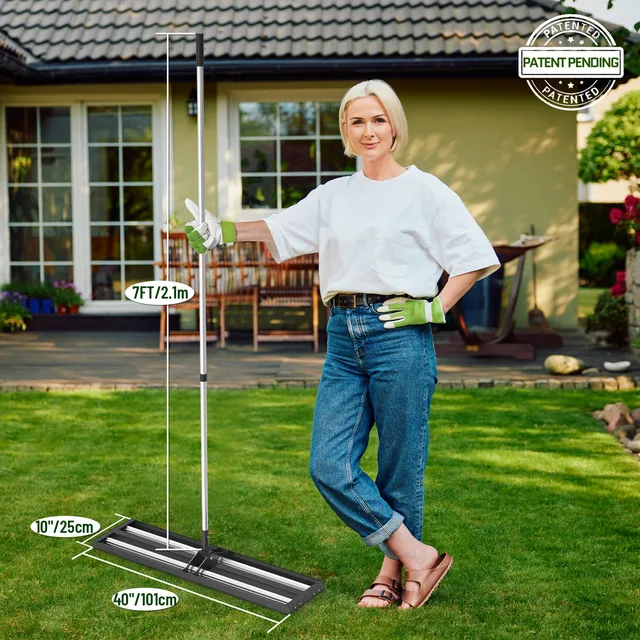
- Leveling Board:A flat piece of wood or metal to drag across the soil for a smooth finish.
- Tamping Tool:Used to compact the soil after leveling.
Safety Gear And Maintenance
Using the right safety gear keeps you safe while working on your lawn. Maintenance keeps your tools in good shape.
- Gloves:Protect your hands from blisters and dirt.
- Safety Glasses:Shield your eyes from debris.
- Sturdy Shoes:Provide good grip and foot protection.
- Tool Cleaning:Clean your tools after each use to prevent rust.
- Storage:Store tools in a dry place to keep them in good condition.
- Check for Damage:Inspect rollers and hand tools before use to avoid accidents.

Credit: www.reddit.com
Step-by-step Lawn Rolling Process
Lawn rolling helps make your lawn flat and even. It can improve the appearance of your grass. This process involves a few simple steps.
Both lawn rolling and hand leveling can be used for this task. Here, we focus on the lawn rolling process.
Preparing The Lawn
Before you start, remove all debris from the lawn. Make sure to mow your grass short. Check the ground for moisture; it should be slightly damp.
- Clear sticks, stones, and leaves
- Cut grass to a short length
- Ensure soil is not too dry or too wet
Filling And Operating The Roller
Fill the lawn roller with water or sand. This adds the necessary weight. Position the roller at the edge of your lawn.
Push the roller in straight lines. Overlap each pass slightly to cover the entire area. This helps flatten the soil evenly.
- Fill roller to desired weight
- Start at one corner of the lawn
- Push in straight, overlapping lines
Post-rolling Care
After rolling, check for any uneven spots. Water the lawn lightly to help soil settle. Allow grass to recover for a few days.
This care helps maintain the lawn’s new even surface. Regular maintenance will keep it looking great.
- Inspect for uneven areas
- Water lightly after rolling
- Let grass rest before further use
Step-by-step Hand Leveling Process
Hand leveling your lawn is a precise method to ensure a smooth surface. It involves identifying uneven areas and adjusting them manually.
This process can improve your lawn’s appearance and health. Follow these steps to effectively level your lawn by hand.
Marking Uneven Spots
Walk across your lawn to find uneven spots. Use stakes or flags to mark these areas clearly.
Marking helps you keep track of spots that need attention. This ensures a thorough leveling process.
- Identify dips and bumps
- Use bright markers for visibility
- Check from different angles for accuracy
Removing Debris And Rocks
Clear the marked areas of any debris. Remove rocks, sticks, and any other obstacles that might hinder leveling.
This step is crucial for smooth soil application. It helps prevent future bumps and holes in your lawn.
- Use a rake for smaller debris
- Wear gloves for safety
- Dispose of debris properly
Filling And Compacting Soil
Add soil to the marked low spots. Use a shovel to distribute the soil evenly across the area.
After filling, compact the soil by pressing it down. This helps to prevent further settling.
- Use a tamper for effective compaction
- Ensure soil is level with surrounding area
- Water lightly to aid settling
Common Mistakes To Avoid
Using a lawn roller or hand leveling tool helps create a smooth yard. Many people make simple mistakes that harm their lawn.
Knowing what to avoid can save time and keep your lawn healthy and even.
Over-compaction Risks
Rolling the lawn too much can compact the soil. This stops air and water from reaching grass roots.
Over-compaction can cause poor grass growth and patchy areas in your yard.
- Roll only when soil is moist, not wet or dry
- Limit passes with the roller to avoid excess pressure
- Use hand leveling gently to prevent soil crushing
Ignoring Drainage Issues
Failing to fix drainage before leveling causes water to pool. This harms grass and soil health.
Check your lawn for low spots that hold water before rolling or leveling.
- Look for areas where water stays after rain
- Fix drainage problems with soil or drainage pipes
- Ensure your lawn slopes away from buildings
Using Wrong Equipment
Choosing the wrong tool can make lawn work harder and damage soil or grass.
Lawn rollers are best for large flat areas. Hand leveling is good for small, uneven spots.
- Use a lawn roller for new sod or seedbeds
- Pick hand leveling tools for minor bumps or holes
- Avoid heavy rollers on soft or wet soil
Comparing Results: Lawn Roller Vs Hand Leveling
Lawn rollers and hand leveling are two ways to flatten uneven lawns. Each method gives different results depending on your lawn’s needs.
This comparison helps you see which method works better for your lawn size, effort, and long-term health.
Effectiveness On Different Lawn Sizes
Lawn rollers work well on large lawns. They cover wide areas quickly and create a smooth surface.
Hand leveling suits small lawns or patches. It allows precise control but takes more time to finish.
- Large lawns: Lawn rollers save time and effort
- Small lawns: Hand leveling offers detailed results
- Uneven spots: Hand leveling targets problem areas better
Time And Effort Involved
Lawn rollers need less physical effort. You push or pull the roller across the lawn.
Hand leveling takes more time and energy. You dig, fill, and smooth the soil by hand.
- Lawn roller: Faster for large areas
- Hand leveling: More work but good for small spots
- Both need some preparation before starting
Long-term Lawn Health
Lawn rollers can compact soil too much. This limits water and air reaching roots.
Hand leveling helps keep soil loose. This supports root growth and good drainage.
- Use lawn rollers carefully to avoid soil compaction
- Hand leveling promotes healthier grass over time
- Combining both methods can balance smoothness and soil health

Credit: www.amazon.co.uk
Cost Considerations
Choosing between a lawn roller and hand leveling affects your budget. Understanding cost factors can help make the right choice.
This guide covers equipment, labor, and maintenance costs for both options.
Equipment Purchase And Rental
Lawn rollers usually cost more to buy than hand leveling tools. Renting is an option for both but prices vary.
| Type | Purchase Cost | Rental Cost (per day) |
| Lawn Roller | $100 – $500 | $30 – $60 |
| Hand Leveling Tools | $20 – $100 | $10 – $25 |
Labor Costs
Using a lawn roller needs less time and fewer workers. Hand leveling takes longer and more effort.
- Lawn roller: quicker, less labor
- Hand leveling: slower, more physical work
- Labor cost depends on hours and worker rates
Maintenance Expenses
Lawn rollers have wheels and metal parts that need upkeep. Hand tools require less care but may wear out faster.
| Equipment | Common Maintenance | Estimated Annual Cost |
|---|---|---|
| Lawn Roller | Wheel lubrication, rust prevention | $30 – $70 |
| Hand Leveling Tools | Sharpening, handle replacement | $10 – $30 |
Credit: www.aliexpress.com
Frequently Asked Questions
What Is The Main Difference Between Lawn Roller And Hand Leveling?
A lawn roller compacts soil for smoothness, while hand leveling manually evens the surface. Rollers are faster, ideal for large areas. Hand leveling allows precise control, best for small or uneven patches. Both improve lawn appearance but serve different purposes.
When Should I Use A Lawn Roller Over Hand Leveling?
Use a lawn roller after seeding or sod to press soil evenly. It’s best for large, flat lawns needing compaction. Hand leveling suits small patches, slopes, or areas with rocks. Rollers save time but may compact soil too much if used incorrectly.
Can Hand Leveling Replace A Lawn Roller Effectively?
Hand leveling can replace a roller for minor uneven spots. It offers more control but takes longer and requires effort. For large lawns or heavy soil compaction, a roller is more efficient. Combining both methods often yields the best lawn surface.
Does Lawn Rolling Damage Soil Or Grass?
Excessive lawn rolling can compact soil, restricting root growth and water flow. Use rollers lightly and only when needed. Proper rolling after seeding helps seed-soil contact without harm. Hand leveling poses no compaction risk but may disturb grass roots if done aggressively.
Conclusion
Choosing between a lawn roller and hand leveling depends on your lawn’s needs. Lawn rollers work well for flattening bumps quickly. Hand leveling suits small areas needing detailed work. Both tools help create a smooth, even lawn surface. Think about your lawn size and effort before deciding.
Proper lawn care starts with good preparation. Use the right method to keep your grass healthy and neat. A well-leveled lawn looks better and grows stronger. Simple steps lead to a beautiful yard you will enjoy.
