
If you’ve just aerated your lawn, you’re probably wondering, how long will it take to see real results? You want your grass to grow thicker, greener, and healthier—but when will you notice these changes?
Knowing the timeline can help you stay patient and take the right steps to boost your lawn’s recovery. You’ll discover what to expect after aeration and how to speed up the process, so your lawn looks its best as soon as possible.
Keep reading to get the answers you need to turn your yard into the lush space you’ve been dreaming of.
Credit: puregreenllc.com
What Aeration Does To Your Lawn
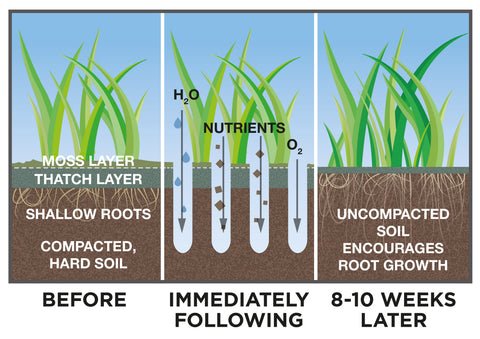
Aeration helps improve the health of your lawn by making the soil less dense. It creates small holes that let air, water, and nutrients reach the grass roots.
This process helps your lawn grow stronger and stay green. You can start seeing results in a few weeks after aeration.
Soil Compaction And Root Growth
Soil compaction happens when soil particles are pressed tightly together. This stops roots from growing deep because they cannot spread out.
Aeration loosens the soil by making holes. This gives roots space to grow down and out, making the grass stronger and healthier.
Water And Nutrient Absorption
Compact soil blocks water and nutrients from reaching the grass roots. This makes the lawn dry and weak.
Aeration improves water and nutrient flow. Rain and fertilizer can soak into the soil better, helping the grass grow well.
Aeration Methods
There are several ways to aerate your lawn. Each method creates holes but works differently.
- Core aeration removes small plugs of soil from the lawn.
- Spike aeration pokes holes without removing soil.
- Slicing aeration cuts thin slits into the soil.
Core aeration is the best for reducing soil compaction. Spike and slicing aeration work but may not help as much.

Credit: landzie.com
Factors Influencing Results Timeline
Aeration helps improve lawn health by allowing air, water, and nutrients to reach the roots. The time it takes to see results varies based on several factors.
Understanding these factors can help set the right expectations for your lawn care efforts after aeration.
Type Of Grass
Different grass types recover from aeration at different speeds. Cool-season grasses like fescue and bluegrass take longer to show results. Warm-season grasses such as Bermuda and zoysia recover faster.
Soil Condition
Soil type and health affect how quickly aeration benefits appear. Compacted or clay soils often take more time to improve. Sandy or loamy soils respond more quickly after aeration.
| Soil Type | Recovery Time | Notes |
| Clay | 4-6 weeks | Needs repeated aeration for best results |
| Sandy | 2-3 weeks | Drains well, faster root growth |
| Loamy | 3-4 weeks | Balanced texture, good for aeration |
Season And Weather
Season greatly influences aeration results. Spring and fall are best for cool-season grasses. Warm-season grasses do best in late spring and summer. Weather after aeration also affects recovery.
- Warm, moist weather speeds up recovery
- Dry or cold conditions slow down growth
- Heavy rain can delay results by causing soil compaction again
Frequency Of Aeration
The number of times you aerate your lawn affects how fast you see results. Regular aeration loosens soil and improves root health over time. One-time aeration may show slower or less obvious effects.
- Lawns with heavy foot traffic: twice a year
- Normal lawns: once a year
- New lawns: after first year
Expected Timeline After Aeration
Aeration helps improve soil health and lawn growth. It makes it easier for water, air, and nutrients to reach grass roots. Knowing the timeline helps you track progress and care properly.
Results vary depending on soil type, weather, and lawn care. Below is a general guide on what to expect after aeration.
Immediate Effects
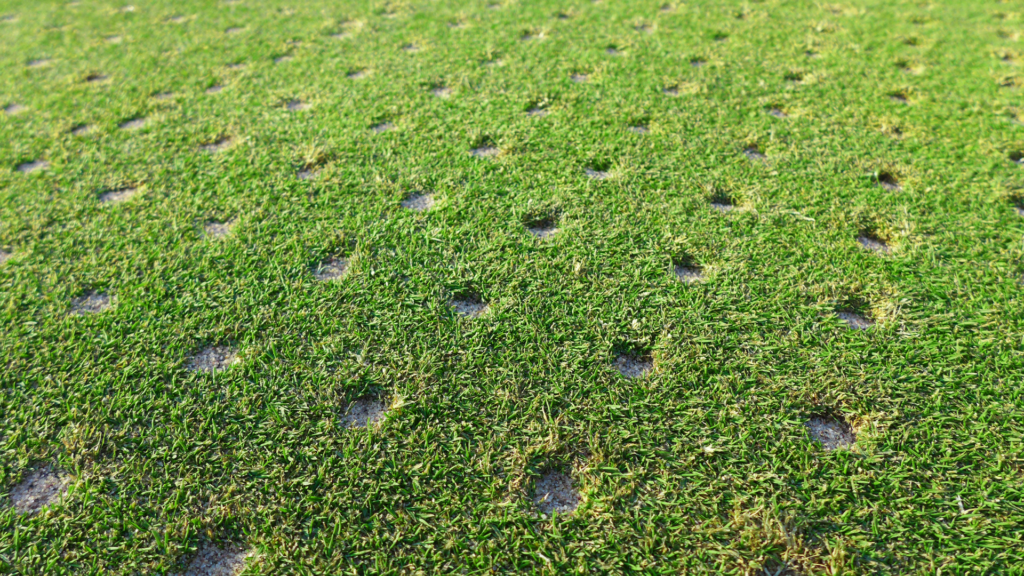
Right after aeration, you will see small holes or plugs of soil in your lawn. These plugs often dry and break apart within a few days.
- Soil cores or holes become visible
- Soil loosens and feels less compact
- Grass may look disrupted but not damaged
First Two Weeks
Grass starts to recover and grow. Roots can access water and nutrients better. You may notice greener and thicker grass in some areas.
| Week | What to Expect |
| 1 | Soil plugs break down |
| 2 | Grass begins greener growth |
One Month Mark
By one month, the lawn shows clearer signs of improvement. New shoots appear, and the grass feels denser. Soil remains loose and healthy.
- Grass blades grow longer and fuller
- Weeds may reduce due to stronger grass
- Soil stays aerated and drains better
Long-term Improvements
After several months, the lawn’s overall health improves. Strong roots resist drought and stress. The soil structure stays loose, supporting lasting growth.
| Time Frame | Key Benefits |
|---|---|
| 3 Months | Stronger root systems and thicker lawn |
| 6 Months | Improved soil quality and better water retention |
| 1 Year | Consistent lawn health and reduced lawn problems |

Credit: mowcow.com
Signs Of Lawn Recovery And Growth
Aeration helps your lawn breathe and grow stronger. After aerating, you want to watch for signs that your grass is healing well.
Knowing what to look for can tell you if your lawn is recovering on time. Here are the main signs of lawn recovery after aeration.
Visible Greenery
One of the first signs of recovery is new green shoots appearing. The grass will start to look thicker and brighter. You may see small patches of green that slowly spread across the lawn.
- Grass blades grow taller and fuller
- Color changes from dull to vibrant green
- New grass fills in bare spots
Root Development
Strong roots help grass stay healthy and absorb water better. After aeration, roots grow deeper and wider. This improves lawn strength during dry or cold weather.
| Root Growth Stage | Time After Aeration | What to Expect |
| Early | 1-2 weeks | Roots start to spread in aeration holes |
| Mid | 3-4 weeks | Roots grow deeper and thicker |
| Late | 5-6 weeks | Strong root network supports lush grass |
Thatch Reduction
Aeration helps break up thatch, the layer of dead grass and roots on top of soil. Reducing thatch improves air and water flow. You will notice less thatch build-up as your lawn recovers.
Signs of thatch reduction include:
- Less spongy feel when walking on the lawn
- Fewer brown patches caused by thick thatch
- Improved soil moisture retention
Tips To Speed Up Lawn Recovery
Aeration helps your lawn grow stronger by improving soil and root health. After aeration, your lawn needs care to recover fast and stay healthy.
Follow these simple tips to help your lawn bounce back quickly and look green and lush again.
Proper Watering
Water your lawn deeply but not too often. This helps roots grow deeper and stronger. Keep the soil moist but not soggy.
- Water early in the morning to reduce evaporation.
- Apply about 1 inch of water per week.
- Use a sprinkler to cover the lawn evenly.
Fertilizing After Aeration
Fertilizer helps your lawn get the nutrients it needs for fast recovery. Use a slow-release fertilizer for best results.
| Fertilizer Type | When to Apply | Benefits |
| Slow-release nitrogen | Right after aeration | Feeds lawn over time |
| Phosphorus-rich | Before new growth | Boosts root development |
| Potassium | During recovery | Strengthens grass |
Mowing Best Practices
Keep your mower blades sharp and mow regularly. Avoid cutting more than one-third of the grass blade at a time.
- Set mower height to about 2.5 to 3 inches.
- Mow when grass is dry to avoid tearing.
- Leave grass clippings to add nutrients back to soil.
Avoiding Lawn Stress
Protect your lawn from stress to help it recover faster. Avoid heavy foot traffic and keep pets off the lawn if possible.
- Do not apply herbicides or pesticides right after aeration.
- Keep pets from digging or running on the lawn.
- Avoid parking vehicles on the grass.
Common Mistakes To Avoid
Lawn aeration helps your grass grow healthier and stronger. Some mistakes can delay the results you expect. Knowing what to avoid will speed up the process.
Here are common mistakes people make after aerating their lawns. Understanding these can help you see results faster.
Aerating At Wrong Time
Aerating at the wrong time affects grass growth. The best time depends on your grass type. Cool-season grasses do well in early spring or fall. Warm-season grasses prefer late spring or early summer.
Check the weather forecast. Aerate when the soil is moist but not overly wet. Dry soil is hard to aerate and might damage your equipment.
Neglecting Post-aeration Care
After aeration, your lawn needs care to recover and grow. Water your lawn regularly. Proper watering helps new grass roots spread quickly. Apply fertilizer to give your grass the nutrients it needs.
Weeds can take advantage of aerated soil. Use a pre-emergent herbicide to prevent weed growth. This keeps your lawn healthy and clean.
Over-aerating
Too much aeration can stress your lawn. Aerate once a year for most lawns. Some lawns may need it twice, but consult a lawn care expert first.
Over-aeration removes too much soil and damages grass roots. This makes it harder for grass to grow and fill in holes.
- Aerate only when necessary
- Use the right equipment
- Follow expert advice
Frequently Asked Questions
How Soon Does Lawn Aeration Improve Grass Health?
Lawn aeration shows noticeable grass health improvements within 2 to 4 weeks. Roots get better oxygen and nutrients, promoting growth. Soil compaction reduces, allowing water to penetrate deeply. Regular watering after aeration speeds up the recovery process for your lawn.
When Will I See Thicker Grass After Aeration?
Thicker grass typically appears 4 to 6 weeks after aeration. The process enhances root development and nutrient absorption. Aeration creates ideal soil conditions for seed germination and growth. Consistent lawn care accelerates visible thickening of grass.
Does Aeration Affect Weed Growth Timing?
Aeration can reduce weed growth by improving grass density. Stronger grass competes better with weeds, reducing their spread. You may notice fewer weeds 3 to 5 weeks after aeration. Proper lawn maintenance further limits weed establishment.
How Long Does It Take For Soil To Loosen After Aeration?
Soil loosens immediately after aeration but fully improves in 1 to 2 weeks. Aeration breaks compacted layers, allowing air and water in. This quick change benefits root expansion and nutrient uptake soon after treatment.
Conclusion
Seeing results after aeration usually takes a few weeks. Your lawn will start to feel healthier and look greener. Roots get more air and water, helping grass grow strong. Regular watering and proper care speed up the process. Patience is key, as full benefits show over time.
Keep aerating yearly to maintain a lush lawn. Small steps now lead to big changes later. Healthy soil means a happy, green yard you can enjoy.
