
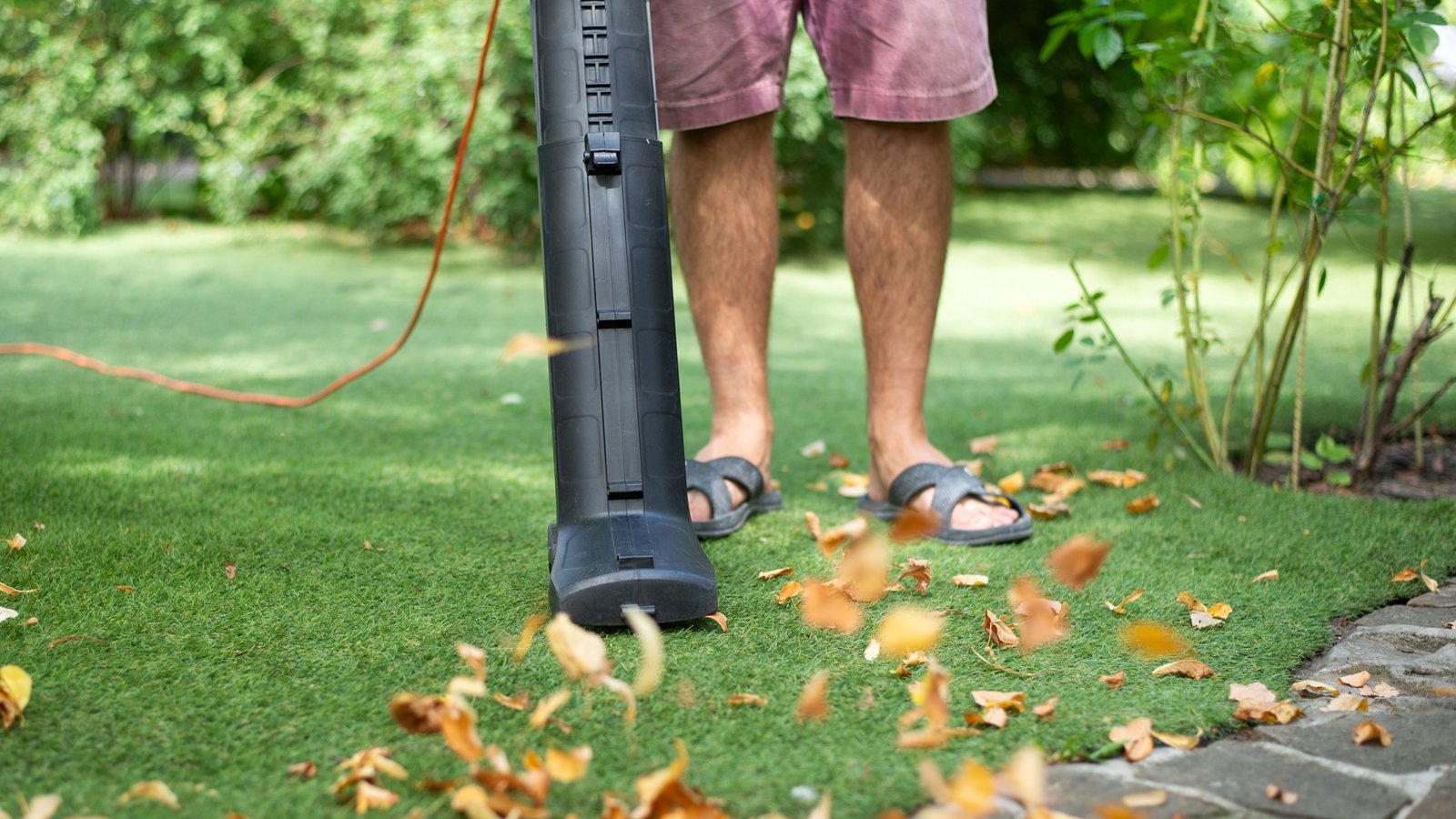
Your leaf vacuum is a powerful tool to keep your yard clean and beautiful. But if you don’t take good care of it, it can quickly lose its strength and stop working properly.
Imagine the frustration of pulling it out, only to find it clogged or broken. You want your leaf vacuum to run smoothly every time you need it. You’ll learn simple, effective ways to maintain your leaf vacuum. These tips will save you time, money, and effort.
Keep reading to make sure your leaf vacuum stays in top shape all season long.
Credit: www.lawnsite.com
Choosing The Right Leaf Vacuum
Choosing the right leaf vacuum helps keep your yard clean. It also makes yard work easier and faster.
There are many types of leaf vacuums. Each type fits different needs and budgets.
Types Of Leaf Vacuums
Leaf vacuums come in several types. Each type works best in certain situations.
- Electric leaf vacuums are light and quiet. They work well for small yards.
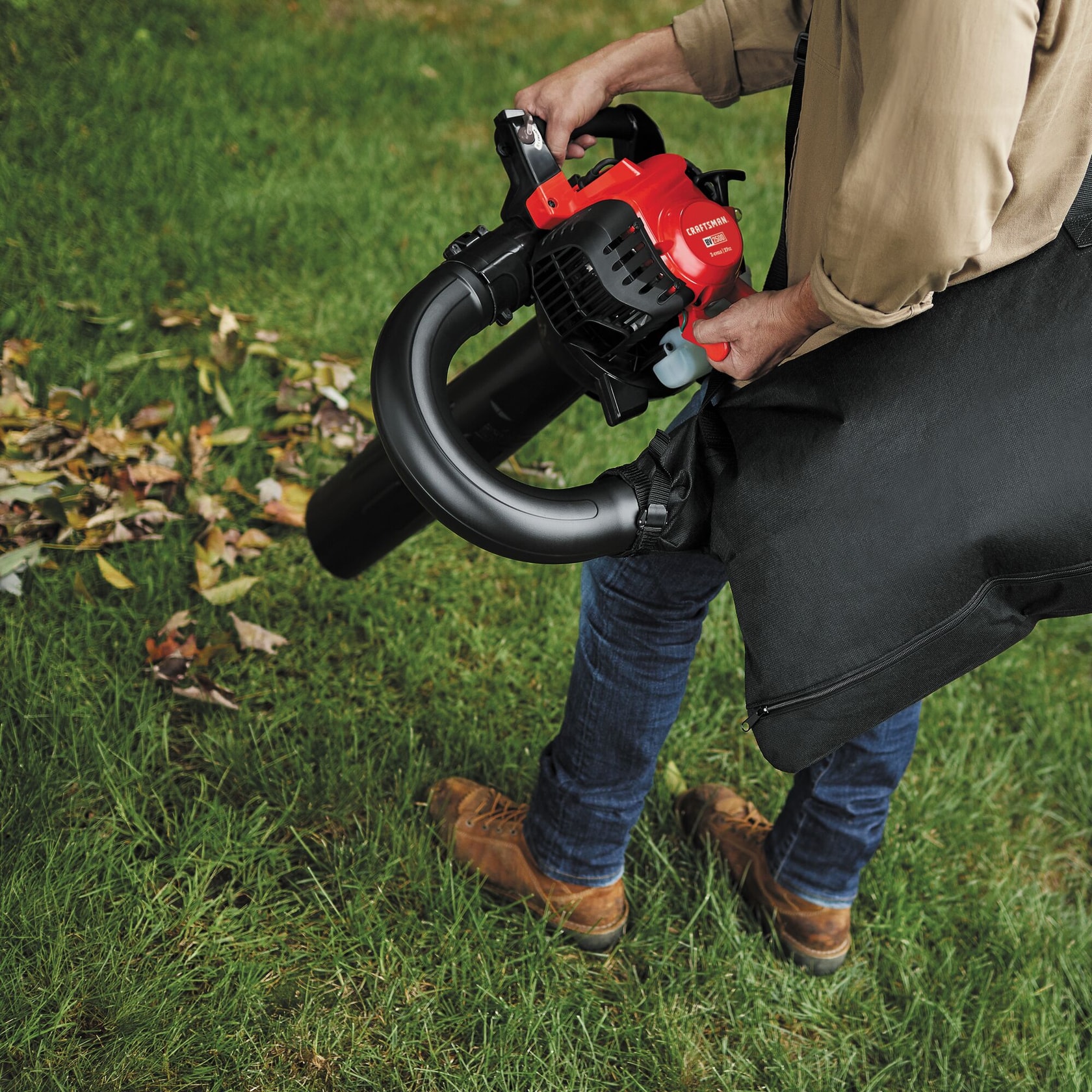
- Gas leaf vacuums are powerful and good for large areas. They need more maintenance.
- Backpack leaf vacuums are easy to carry. They help clean tight spaces.
- Push leaf vacuums are like lawn mowers. They are good for flat, open areas.
Key Features To Consider
Look for features that match your yard and needs. These make your work easier and safer.
- Bag capacity: Larger bags hold more leaves and save time.
- Weight: Lighter vacuums are easier to use for longer periods.
- Suction power: Strong suction cleans leaves faster.
- Noise level: Quieter models are better for neighborhoods.
- Ease of use: Simple controls and easy start features help beginners.
Budget Vs. Performance
Decide how much money you want to spend. More expensive models often work better and last longer.
Cheaper vacuums can be good for small yards or light use. Think about how often you will use it.
- Low budget: Basic electric models, less power, small bag.
- Medium budget: Mid-range gas or electric vacuums with better power.
- High budget: Professional models with strong suction and large bags.

Credit: www.familyhandyman.com
Regular Cleaning And Inspection
Keeping your leaf vacuum clean and checked often helps it work well. Dirt and leaves can build up and slow it down.
Follow simple steps to empty, check, and inspect parts. This keeps your machine safe and strong.
Emptying The Collection Bag
Empty the collection bag after each use. A full bag reduces suction and makes the vacuum work harder.
- Turn off the machine and unplug it before emptying.
- Remove the bag carefully to avoid spilling debris.
- Empty leaves and twigs into a compost or trash bin.
- Check the bag for holes or tears and replace if needed.
Checking For Blockages
Blockages in the vacuum’s hose or chute lower its power. Check these areas regularly.
| Part | What to Check | Action |
| Hose | Leaves stuck inside | Remove debris with a long stick |
| Chute | Twigs blocking flow | Clear by hand or with a brush |
| Intake | Debris buildup | Wipe clean with cloth |
Inspecting The Impeller And Blades
Check the impeller and blades for damage or wear. These parts move debris and keep the vacuum strong.
- Turn off and unplug the vacuum before inspecting.
- Remove the cover to see the impeller and blades.
- Look for cracks, bends, or broken pieces.
- Clean dirt or leaves stuck on blades.
- Replace damaged blades to keep performance high.
Engine Care And Maintenance
Keeping your leaf vacuum engine in good shape helps it last longer. Regular care stops problems early.
Simple checks and cleaning keep the engine running strong and smooth.
Fuel And Oil Guidelines
Use fresh fuel with the right oil mix to protect the engine. Old fuel can clog parts and cause damage.
Check the oil level before each use. Change the oil as the manual says to keep the engine clean inside.
- Use clean, fresh gasoline without ethanol if possible
- Mix oil and fuel at the correct ratio for 2-stroke engines
- Change oil regularly for 4-stroke engines
- Empty fuel tank if storing the vacuum for a long time
Spark Plug Maintenance
The spark plug starts the engine. Check it often to keep the vacuum working well.
Clean or replace the spark plug if it is dirty or worn out. This keeps the engine easy to start.
- Remove the spark plug carefully
- Look for dirt, corrosion, or damage
- Clean with a wire brush or replace if needed
- Check the gap and adjust to the manual’s specs
- Reinstall the plug tightly but do not overtighten
Air Filter Cleaning And Replacement
The air filter stops dust from entering the engine. A clean filter helps the engine breathe better.
Check the filter regularly and clean or replace it to avoid engine trouble.
- Remove the air filter cover carefully
- Tap the filter to remove loose dirt
- Wash foam filters with soap and water, then dry fully
- Replace paper filters if dirty or damaged
- Put the filter back and close the cover tightly
Storage Tips For Longevity
Keeping your leaf vacuum in good shape helps it last longer. Proper storage is key to avoid damage and wear.
Follow simple steps to clean and store your leaf vacuum. This keeps it ready for the next use.
Proper Cleaning Before Storage
Clean your leaf vacuum before putting it away. Remove all leaves, dirt, and debris from the machine.
Check the air filter and empty the collection bag or container. Cleaning prevents mold and clogging.
- Remove leaves and dirt from the nozzle and tube
- Empty and clean the collection bag or container
- Wipe the outer parts with a damp cloth
- Clean or replace the air filter if needed
Safe Storage Environment
Store the leaf vacuum in a dry, cool place. Avoid places with high humidity or direct sunlight.
Keep the vacuum away from heavy traffic areas to prevent accidental damage. Use a shelf or hook to save space.
- Choose a dry and shaded storage area
- Keep the vacuum off the ground to avoid moisture
- Use hooks or shelves for better organization
- Keep it away from children and pets
Seasonal Maintenance Tasks
Do regular checks before and after each season. This keeps the vacuum running well year-round.
Inspect parts like the spark plug, blades, and hoses. Replace worn parts to avoid bigger problems later.
- Check and clean the spark plug
- Inspect and sharpen or replace blades
- Look for cracks or holes in hoses
- Lubricate moving parts as needed
Troubleshooting Common Issues
Leaf vacuums help keep yards clean by collecting leaves quickly. Sometimes, they face common problems that stop them from working well.
Understanding these issues helps you fix them fast. This guide shows how to handle common leaf vacuum problems.
Loss Of Suction Power
When your leaf vacuum loses suction, it cannot pick up leaves properly. This problem often happens because of blockages or worn parts.
Check the vacuum tube and bag for clogs. Also, inspect the filters and clean or replace them if dirty.
- Clear any debris from the vacuum tube
- Empty or replace the leaf collection bag
- Clean or change the air filter regularly
- Check for holes or cracks in hoses
Engine Won’t Start
If the engine does not start, it can stop your work. This issue may be caused by fuel, spark, or battery problems.
First, check if there is enough fresh fuel in the tank. Then, examine the spark plug and clean or replace it if needed.
- Use fresh gasoline with the right mix
- Inspect and clean the spark plug
- Check the battery charge if electric
- Look for loose or damaged wires
Unusual Noises And Vibrations
Strange sounds or shaking can signal problems inside the leaf vacuum. These may come from loose parts or damaged blades.
Turn off the vacuum and check all screws and bolts. Inspect the blade for damage and replace it if needed.
- Tighten loose screws and bolts
- Check the blade for cracks or bends
- Replace worn or broken blades
- Look for debris caught in moving parts
Upgrading And Replacement Parts
Maintaining your leaf vacuum ensures it runs efficiently. Knowing when to upgrade or replace parts is crucial for performance.
Explore options for compatible upgrades and decide if you should handle repairs yourself or seek professional help.
When To Replace Parts
Parts wear out over time and impact the vacuum’s effectiveness. Replacing them helps maintain power and efficiency.
- Inspect the vacuum regularly for wear and tear.
- Replace filters when they appear clogged or damaged.
- Check hoses and bags for signs of wear.
Choosing Compatible Upgrades
Upgrading parts can enhance your leaf vacuum’s performance. Ensure compatibility with your model for best results.
| Upgrade Type | Benefits |
| High-efficiency filters | Improved air flow |
| Extended hoses | Better reach |
| Durable bags | Increased capacity |
Diy Vs. Professional Repairs
Deciding between DIY repairs and hiring a professional can affect the longevity of your leaf vacuum. Consider your skill level and tool availability.
DIY repairs can save money but require time and effort. Professional services offer expertise and convenience.
Credit: www.craftsman.com
Frequently Asked Questions
How Often Should I Clean My Leaf Vacuum?
You should clean your leaf vacuum after every use. Remove debris from the bag, filter, and hose to maintain efficiency. Regular cleaning prevents clogs and extends the vacuum’s lifespan.
What Is The Best Way To Store A Leaf Vacuum?
Store your leaf vacuum in a dry, cool place away from direct sunlight. Keep it upright to prevent damage. Proper storage protects components and ensures readiness for the next use.
How Do I Prevent Clogging In A Leaf Vacuum?
To prevent clogging, avoid vacuuming wet leaves or large debris. Empty the collection bag frequently and clean the hose regularly. This keeps airflow smooth and maintains suction power.
When Should I Replace The Leaf Vacuum’s Filter?
Replace the filter if it’s torn, excessively dirty, or damaged. A clean filter improves air circulation and engine performance. Check your user manual for specific replacement intervals.
Conclusion
Maintaining your leaf vacuum keeps it working well longer. Clean the filters and empty the bag often. Check the blades for damage and sharpen if needed. Store the vacuum in a dry place. Small efforts protect your tool and save money.
A well-kept vacuum makes yard work easier and faster. Keep these tips in mind to enjoy a tidy yard all season. Simple care goes a long way.
