
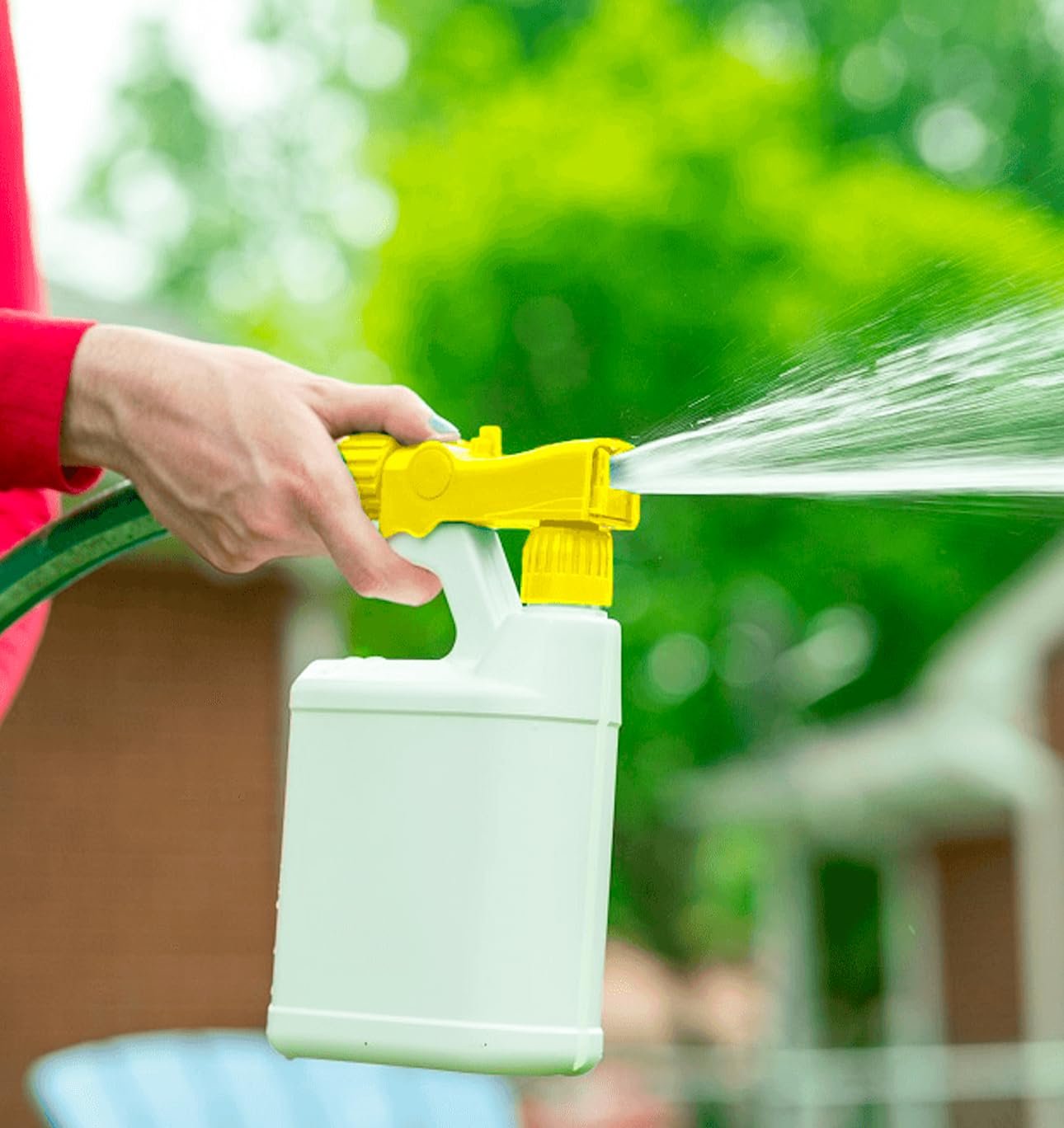
Using a hose end sprayer for pesticides can make your yard care faster and easier. But if you’re not sure how to use it correctly, you might waste product or even harm your plants.
Imagine spraying your garden with the perfect amount of pesticide, saving time and keeping your plants healthy. You’ll learn simple, step-by-step tips to use a hose end sprayer safely and effectively. Keep reading, and you’ll master this tool in no time.
Credit: www.ilotchina.com
Choosing The Right Sprayer
Using a hose end sprayer for pesticides makes the job easier. Picking the right sprayer helps you apply chemicals safely and evenly.
There are different types of sprayers and features to consider. Knowing these will help you choose one that fits your needs.
Types Of Hose End Sprayers
Hose end sprayers come in several types. Each type works best for certain tasks and plants.
- Dial Sprayers:Let you set the mix ratio by turning a dial.
- Metering Sprayers:Mix the pesticide with water as you spray.
- Tank Sprayers:Have a built-in tank to hold the pesticide mix.
- Foam Sprayers:Produce foam to cover plants more evenly.
Features To Look For
Choosing a sprayer with the right features improves your work and safety. Some features make the sprayer easier to use and clean.
| Feature | Why It Matters |
| Adjustable Spray Pattern | Controls how wide or narrow the spray is |
| Durable Materials | Lasts longer and resists chemicals |
| Easy Calibration | Helps you get the right mix every time |
| Comfortable Handle | Reduces hand fatigue during use |
| Clear Markings | Shows mix ratios for accurate measurement |
| Easy to Clean | Prevents clogging and extends sprayer life |

Credit: ecowis.en.made-in-china.com
Preparing The Sprayer
Using a hose end sprayer for pesticides needs careful preparation. Proper setup ensures even spraying and safety.
Before applying pesticides, clean and assemble the sprayer correctly. This helps avoid damage and mixing errors.
Cleaning And Maintenance
Clean the sprayer before every use. Remove old pesticide residues to prevent clogging and chemical reactions.
- Detach the sprayer from the hose.
- Rinse all parts with clean water.
- Soak nozzles in warm, soapy water to clear blockages.
- Use a soft brush to clean small openings.
- Dry all parts completely before storage.
Assembling The Parts
Put the sprayer parts together carefully. Follow the instructions to avoid leaks and ensure proper mixing.
| Part | Description | Tip |
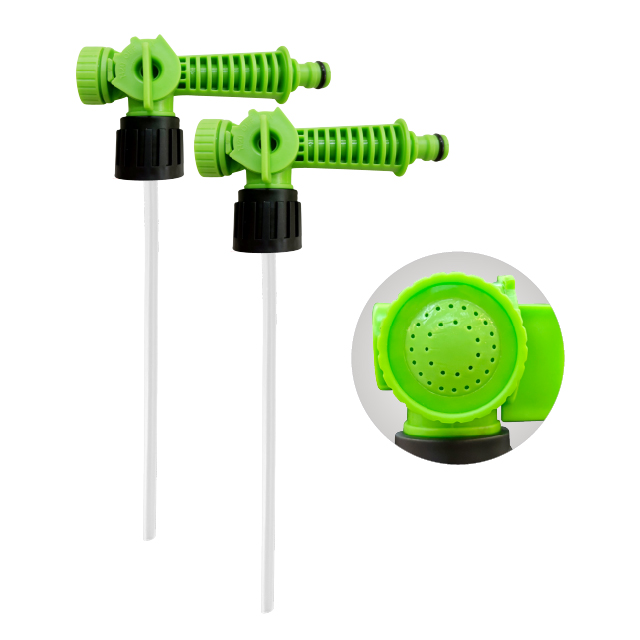
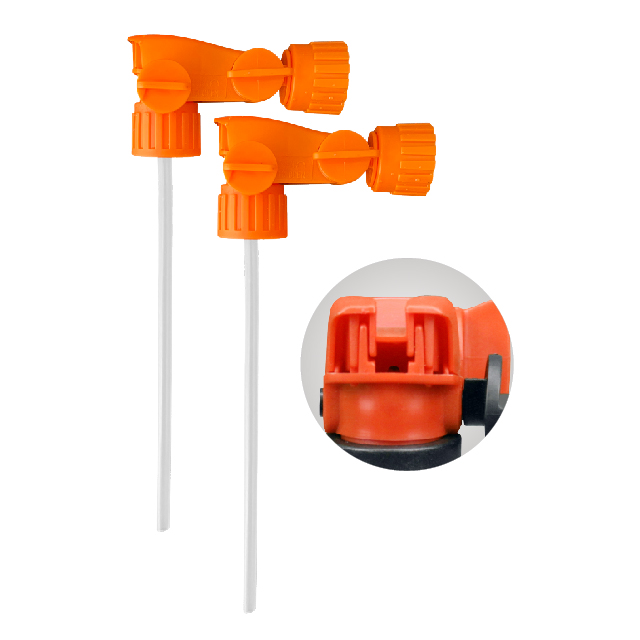
| Hose Connector | Attaches sprayer to hose | Check for a tight fit to avoid leaks |
| Filter | Prevents debris from entering nozzle | Clean or replace before assembly |
| Nozzle | Controls spray pattern | Choose the right nozzle for pesticide type |
| Tank | Holds the pesticide solution | Fill with correct pesticide mixture |
Mixing Pesticides Safely
Mixing pesticides correctly keeps you safe and protects the environment. Follow simple steps to avoid accidents and get the best results.
Always prepare your spray solution carefully. Use clean water and the right tools to mix pesticides.
Reading Labels Carefully
Read the pesticide label fully before mixing. The label tells you the right amount to use and safety instructions.
- Check the active ingredients and concentration.
- Look for personal protective equipment (PPE) needed.
- Note any warnings about mixing with other chemicals.
- Follow storage and disposal guidelines exactly.
- Keep the label for reference while mixing and spraying.
Measuring And Mixing Tips
Use precise tools to measure pesticide and water amounts. Mixing the right ratio ensures safety and effectiveness.
| Tool | Purpose | Tip |
| Measuring cup | Measure liquid pesticides | Use a clean, marked cup for accuracy |
| Mixing container | Combine pesticide and water | Use a container that holds more than needed |
| Stir stick | Mix solution well | Stir gently to avoid splashes |
Always add pesticide to water, not water to pesticide. Mix slowly and carefully.
Attaching The Sprayer To The Hose
Using a hose end sprayer for pesticides starts with attaching it correctly to your garden hose. A secure fit helps the sprayer work well and keeps you safe from leaks.
Follow simple steps to connect the sprayer tightly. This guide covers how to secure the connection and check for any leaks before use.
Securing The Connection
First, make sure the hose end and sprayer threads are clean and free from dirt. Dirt can stop the sprayer from fitting tightly.
Align the sprayer’s connector with the hose end. Turn the sprayer clockwise to screw it onto the hose. Tighten it firmly but avoid over-tightening. Over-tightening can damage the threads.
- Check that the rubber washer is inside the sprayer connector.
- Hand-tighten the sprayer onto the hose.
- Use a wrench for a final slight turn if needed.
Checking For Leaks
Turn on the water slowly after attaching the sprayer. Watch the connection point closely for any drips or water spray.
If you see water leaking, turn off the water and tighten the sprayer a little more. Check the rubber washer for damage and replace it if needed.
- Turn water on slowly to avoid pressure shocks.
- Look for water drops or spray at the hose connection.
- Tighten the sprayer or replace the washer to fix leaks.
- Repeat the test until no leaks appear.
Applying Pesticides Effectively
Using a hose end sprayer helps apply pesticides quickly and evenly. It mixes the pesticide with water and sprays it on plants.
To get the best results, you need to adjust the sprayer settings and cover all areas properly. This guide will show you how.
Adjusting Spray Settings
Check the sprayer’s dial to set the right amount of pesticide. Too strong can harm plants, too weak may not work well.
Adjust the spray pattern to fit your needs. Use a fine mist for even coverage or a jet spray for targeted spots.
- Turn the dial to choose the pesticide dose
- Select mist for large areas
- Use jet spray for thick leaves or hard-to-reach spots
- Test spray on a small area before full use
Best Practices For Coverage
Walk slowly and spray evenly to cover all plants. Avoid missing spots or spraying too much in one place.
Spray during calm weather to stop wind from blowing pesticide away. Early morning or late afternoon works best.
- Keep a steady pace for even coverage
- Overlap spray areas slightly to avoid gaps
- Do not spray on windy days
- Wear protective gear to stay safe
Safety Precautions
Using a hose end sprayer for pesticides requires careful attention to safety. Proper precautions help protect you and the environment.
Before starting, ensure you understand the instructions and have the right safety gear. This will reduce risks and ensure effective application.
Protective Gear Recommendations
Wearing the right protective gear is essential when using pesticides. It shields you from harmful chemicals.
- Wear goggles to protect your eyes.
- Use gloves to keep your hands safe.
- Put on a mask to avoid inhaling fumes.
- Wear long sleeves and pants to cover your skin.
Handling Spills And Disposal
Spills can happen when using a sprayer. Knowing how to handle them is important for safety and cleanliness.
Dispose of pesticides correctly to prevent environmental harm. Follow local guidelines and use designated disposal sites.
- Clean spills immediately with absorbent material.
- Do not wash spills into drains or waterways.
- Seal used containers and dispose of them safely.
- Never reuse pesticide containers for other purposes.
Cleaning After Use
Cleaning a hose end sprayer after using pesticides is important. It prevents clogs and keeps it ready for next use.
Proper cleaning also ensures that no harmful chemicals remain in the sprayer. Follow these steps for effective cleaning.
Flushing The Sprayer
Flushing the sprayer with clean water removes residue. It is an easy process that takes a few minutes.
- Detach the sprayer from the hose.
- Fill the sprayer with clean water.
- Reattach and spray until the water runs clear.
Storing Properly
Proper storage extends the life of your sprayer. Store it in a dry and safe place.
Ensure that all parts are dry before storing. This prevents rust and damage.
- Disassemble the sprayer completely.
- Dry all parts with a clean cloth.
- Store in a cool, dry location.
Credit: www.ilotchina.com
Troubleshooting Common Issues
Using a hose end sprayer for pesticides is simple, but problems can occur. Knowing how to fix common issues helps keep your spraying effective.
This guide covers two frequent problems: low spray pressure and clogs or blockages. Follow the tips to get your sprayer working right again.
Low Spray Pressure
Low spray pressure reduces the reach and coverage of pesticides. It can happen for several reasons related to water flow or equipment.
- Check if the water supply is fully turned on and not blocked.
- Inspect the hose for any kinks or sharp bends restricting water flow.
- Make sure the sprayer dial or nozzle is set to the correct pressure level.
- Clean or replace the sprayer nozzle if it is worn out or damaged.
- Confirm that the garden hose size matches the sprayer’s requirements for proper flow.
Clogs And Blockages
Clogs can stop the sprayer from working and cause uneven pesticide application. Dirt and debris often cause these blockages.
| Cause | How to Fix |
| Dirt in the nozzle | Remove the nozzle and rinse it with clean water. |
| Residue build-up inside sprayer | Flush the sprayer with water and mild detergent. |
| Blocked filter screen | Take out the filter and clean it under running water. |
| Old pesticide residue | Soak parts in vinegar or a specialized cleaner, then rinse. |
Frequently Asked Questions
What Is A Hose End Sprayer For Pesticides?
A hose end sprayer attaches to your garden hose. It mixes pesticides with water for easy, even application. This tool saves time and ensures proper pesticide dilution.
How Do You Properly Use A Hose End Sprayer?
Attach the sprayer to your hose. Fill the pesticide reservoir with the recommended amount. Turn on water and spray evenly over plants. Always follow product instructions for safety.
Can Hose End Sprayers Prevent Pesticide Overuse?
Yes, they control pesticide concentration by mixing chemicals correctly. This prevents over-application and protects plants and the environment. Proper calibration is essential for accuracy.
Are Hose End Sprayers Safe For Garden Plants?
When used correctly, they are safe. Always use recommended pesticide amounts and avoid spraying on windy days. Proper use prevents plant damage and ensures effective pest control.
Conclusion
Using a hose end sprayer makes pesticide application quick and simple. It helps spread the pesticide evenly over plants and lawns. Always follow safety instructions to protect yourself and the environment. Clean the sprayer after each use to keep it working well.
This tool saves time and effort for garden care. With practice, you will get better at using it correctly. Keep your garden healthy and pest-free with this easy method.

