
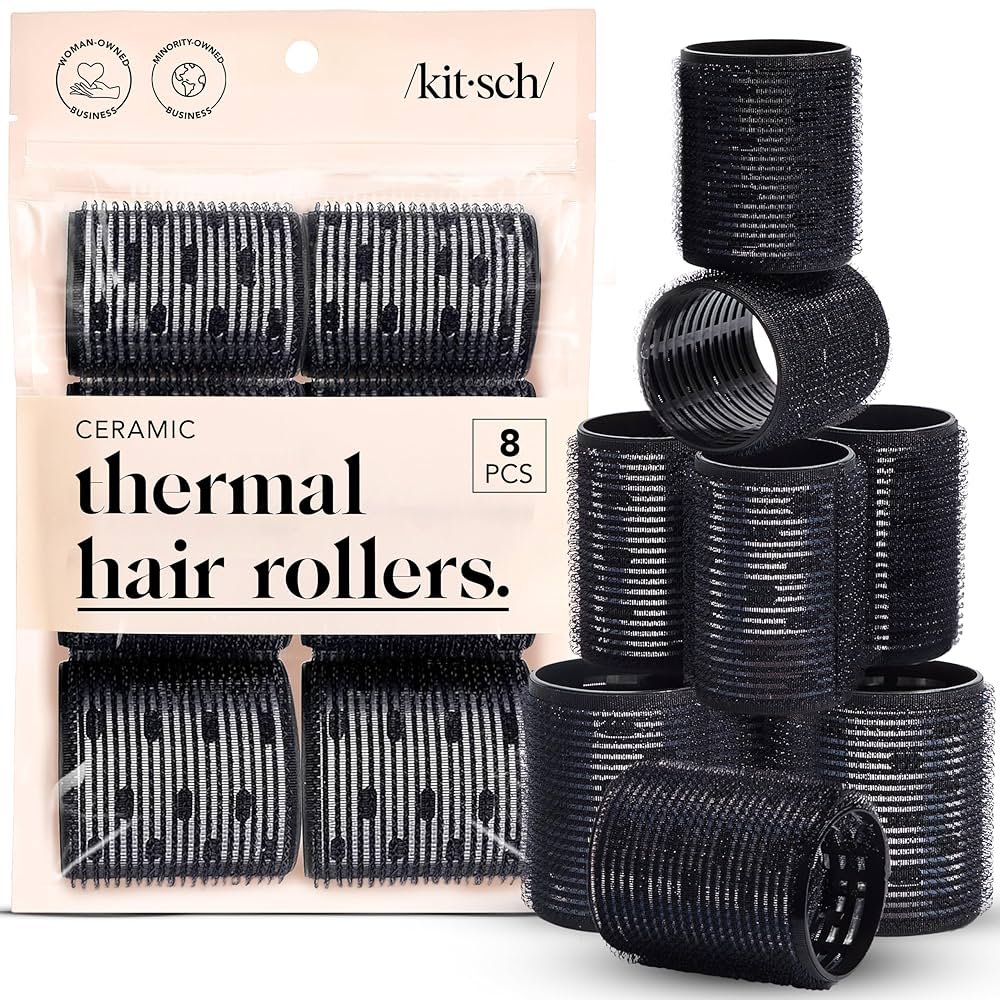
Are you trying to decide between steel rollers and plastic rollers for your project? Choosing the right roller can make a big difference in how smoothly your work goes.
You might wonder which one lasts longer, feels better to use, or gives you the best results. This article will help you understand the key differences so you can make a smart choice. By the end, you’ll know exactly which roller fits your needs and why it matters for your success.
Keep reading to find out which option truly stands out.
Material Properties
Steel and plastic rollers differ greatly in their material properties. Choosing between them depends on what qualities you value most.
This article looks at key factors like strength, weight, and wear resistance of steel versus plastic rollers.
Durability And Strength
Steel rollers have high strength and resist bending under heavy loads. Plastic rollers are less strong and can deform more easily.
- Steel rollers handle tough conditions and heavy weights well.
- Plastic rollers work best with lighter loads.
- Steel lasts longer in rough environments.
- Plastic may crack or break under stress.
Weight And Handling
Plastic rollers are much lighter than steel ones. This makes plastic easier to carry and install.
| Material | Approximate Weight (per roller) | Ease of Handling |
| Steel | 5-8 kg | Heavier, harder to move |
| Plastic | 1-3 kg | Lighter, easier to handle |
Resistance To Wear And Tear
Steel rollers resist scratches, dents, and heat better than plastic. Plastic rollers wear down faster with rough use.
Key wear resistance points:
- Steel resists abrasion and impact well.
- Plastic can degrade from UV exposure and chemicals.
- Steel rollers maintain shape and function longer.
- Plastic rollers may need more frequent replacement.

Credit: www.amazon.ca
Performance In Different Applications
Steel rollers and plastic rollers serve different purposes in many tasks. Their performance varies based on where and how they are used.
Understanding their strengths helps you pick the right roller for your project or job.
Industrial Uses
Steel rollers are strong and durable. They handle heavy loads and high pressure in factories well.
Plastic rollers work best with light materials and less wear. They resist chemicals and do not rust.
- Steel rollers last longer under tough conditions
- Plastic rollers reduce noise and vibration
- Steel is better for heavy-duty conveyor belts
- Plastic suits light assembly line tasks
Home Improvement Projects
Plastic rollers are easy to handle and lighter. They are good for painting and small DIY jobs.
Steel rollers provide smooth finishes on floors and walls. They hold up better on rough surfaces.
- Plastic rollers are good for light painting
- Steel rollers work well on large, rough areas
- Plastic rollers are cheaper and easier to replace
- Steel rollers offer a smooth, even pressure
Outdoor Vs Indoor Usage
Steel rollers resist wear outdoors but can rust if not cared for. They handle rough surfaces like concrete.
Plastic rollers resist water and sun damage better. They are lighter and easier to clean after outdoor use.
- Steel rollers are strong but may rust outside
- Plastic rollers resist moisture and UV rays
- Steel is better for heavy outdoor tasks
- Plastic is ideal for light indoor and outdoor jobs
Cost And Availability
Choosing between steel rollers and plastic rollers depends on cost and availability. Both types serve different needs and budgets.
This section explores initial investment, long-term value, and market accessibility for each roller type.
Initial Investment
Steel rollers usually cost more upfront than plastic rollers. Steel needs more material and manufacturing effort.
Plastic rollers have lower initial prices. They are lighter and easier to produce in large quantities.
Long-term Value
Steel rollers last longer and resist damage better than plastic. They hold up well under heavy use.
- Steel rollers require less frequent replacement.
- Plastic rollers may wear out faster in tough conditions.
- Steel can save money over time despite higher initial cost.
- Plastic is suitable for lighter or short-term tasks.
Market Accessibility
| Type | Availability | Common Uses |
|---|---|---|
| Steel Rollers | Available at specialty stores | Industrial, heavy-duty work |
| Plastic Rollers | Widely available at hardware stores | Light-duty, DIY projects |
Maintenance And Care
Choosing between steel rollers and plastic rollers means understanding how to care for them. Proper maintenance keeps both types working well and lasting longer.
This guide explains cleaning methods, storage ideas, and factors that affect their lifespan.
Cleaning Techniques
Steel rollers need gentle cleaning to avoid rust. Use a damp cloth and mild soap. Dry them completely after washing.
Plastic rollers can be cleaned with soap and water. Avoid harsh chemicals that might damage the plastic surface.
- Wipe rollers after each use to remove paint or debris
- Use soft brushes or cloths to prevent scratches
- Never soak steel rollers in water for long periods
Storage Tips
Store steel rollers in a dry place to prevent rusting. Keep them off damp floors and away from moisture.
Plastic rollers should be stored in a cool area, away from direct sunlight. Heat can warp the plastic and reduce its life.
| Roller Type | Best Storage Condition |
| Steel Roller | Dry, cool, moisture-free spot |
| Plastic Roller | Cool, shaded area away from heat |
Longevity Factors
Steel rollers last longer if kept rust-free and clean. Proper storage extends their life by years.
Plastic rollers wear out faster under strong sunlight or extreme heat. Avoid rough surfaces to reduce wear.
Tips for longer roller life:
- Clean rollers after every use
- Store properly as per roller type
- Avoid dropping or heavy impacts
- Inspect rollers regularly for damage
Environmental Impact
Choosing between steel and plastic rollers affects our environment. Understanding their impact helps us make better choices.
Both materials have pros and cons. Let’s explore their environmental footprint.
Recyclability
Steel rollers are highly recyclable. They can be melted and reused many times.
Plastic rollers are less recyclable. They often end up in landfills.
- Steel: High recyclability
- Plastic: Limited recyclability
Production Footprint
Making steel rollers uses more energy. The process releases more emissions.
Plastic rollers need less energy. They have a smaller carbon footprint.
- Steel: High energy use
- Plastic: Lower energy use
Sustainability Considerations
Steel lasts longer and is more durable. This reduces the need for replacements.
Plastic is cheaper but wears out faster. It needs frequent replacements.
- Steel: Long lifespan
- Plastic: Short lifespan

Credit: jt-roller.en.made-in-china.com
User Experience And Feedback
Choosing between steel rollers and plastic rollers can affect your work quality. Users share their experiences to help others decide.
This section looks at how users feel about both types of rollers. It covers ease of use, common problems, and expert advice.
Ease Of Use
Steel rollers feel heavier but roll smoothly on many surfaces. Plastic rollers are lighter and easier to handle for long jobs.
Many users find plastic rollers better for quick tasks. Steel rollers work well for thick paints and rough surfaces.
- Steel rollers add weight, which helps press paint evenly
- Plastic rollers are easier to carry and less tiring
- Plastic rollers sometimes flex too much on rough walls
Common Issues
Steel rollers can rust if not cleaned and dried properly. This affects their smooth rolling and lifespan.
Plastic rollers may crack or wear out faster, especially with heavy use or rough surfaces.
- Steel rollers need regular cleaning to avoid rust
- Plastic rollers can break under high pressure
- Both types may cause paint splatters without care
Expert Recommendations
Experts suggest choosing rollers based on the job type and paint used. Steel works best for heavy-duty jobs.
Plastic rollers suit light to medium tasks and are good for beginners or quick jobs.
- Use steel rollers for thick paint and rough surfaces
- Choose plastic rollers for smooth walls and light paint
- Keep steel rollers dry to prevent rust
- Replace plastic rollers when they show cracks
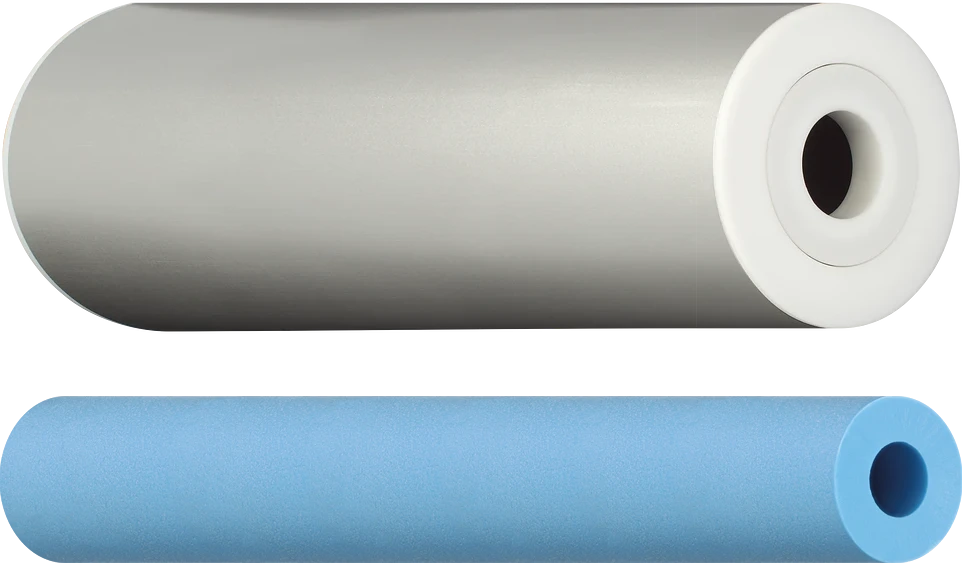
Credit: www.igus.com
Frequently Asked Questions
Are Steel Rollers More Durable Than Plastic Rollers?
Yes, steel rollers are generally more durable. They withstand heavy loads and resist wear better than plastic rollers, making them ideal for industrial use.
Do Steel Rollers Provide Better Performance Than Plastic Rollers?
Steel rollers offer superior performance in high-stress environments. They maintain shape and efficiency under pressure, unlike plastic rollers which may deform or wear faster.
Are Steel Rollers More Expensive Than Plastic Rollers?
Steel rollers usually cost more upfront. However, their longevity and strength often reduce replacement frequency, making them cost-effective over time.
Can Plastic Rollers Replace Steel Rollers In Heavy-duty Tasks?
Plastic rollers are not ideal for heavy-duty tasks. They lack the strength and durability steel rollers provide, making steel a better choice for tough applications.
Conclusion
Steel rollers offer strength and durability for tough jobs. Plastic rollers are lighter and easier to handle. Each type suits different tasks and budgets. Choose based on your project needs and preferences. Both have pros and cons worth considering. The best roller depends on the job’s demands.
Think about how long and hard you will use it. Your choice will affect the quality and ease of work. Simple tools, smart choices.

