
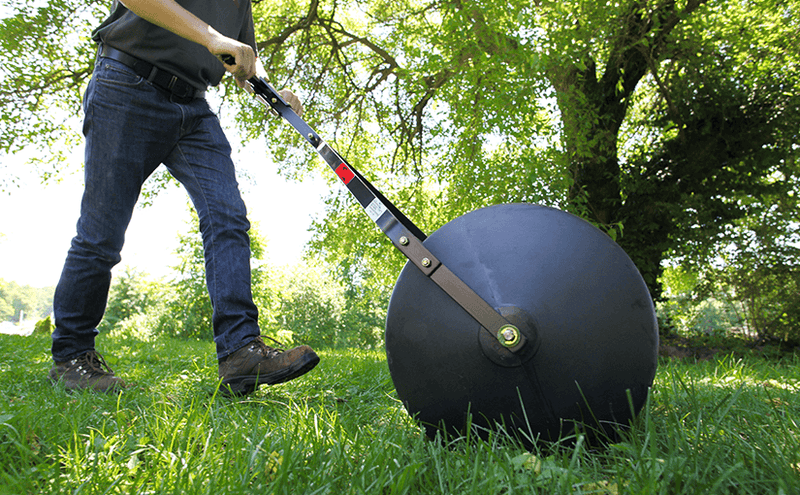
Have you ever wondered if your lawn could look smoother and healthier with just a simple tool? A lawn roller might be exactly what you need.
But when should you use one to get the best results? Using a lawn roller at the right time can make a huge difference in how your grass grows and how your yard feels underfoot. Keep reading, and you’ll discover the perfect moments to roll your lawn, avoid common mistakes, and transform your outdoor space into the lush, even lawn you’ve always wanted.

Credit: www.reddit.com
Benefits Of Using A Lawn Roller
A lawn roller is a tool used to flatten the ground and improve the lawn’s surface. It helps create a smooth and even lawn that looks healthy and well-kept.
Using a lawn roller at the right time can make planting seeds easier and improve the overall lawn quality. It offers several benefits for lawn care.
Improving Seed-to-soil Contact
A lawn roller presses grass seeds firmly into the soil. This helps the seeds make better contact with the ground, which is important for growth.
Good seed-to-soil contact improves germination rates and helps grass grow strong and healthy.
- Presses seeds into soil
- Reduces seed movement
- Improves water absorption
Smoothing Uneven Surfaces
Lawn rollers help flatten bumps and small holes in the lawn. This makes the surface level and easier to mow.
An even lawn surface prevents water from pooling in low spots and reduces lawn damage.
- Flattens bumps and holes
- Makes mowing easier
- Prevents water pooling
Enhancing Lawn Appearance
A smooth, even lawn looks neat and well cared for. Using a lawn roller gives your yard a polished and attractive appearance.
It helps create a uniform grass surface that is pleasing to the eye.
- Creates a uniform grass surface
- Makes lawn look tidy
- Improves curb appeal
Ideal Lawn Conditions For Rolling
Using a lawn roller can help smooth uneven ground and improve your lawn’s appearance.
Knowing the right conditions to roll your lawn protects grass and soil health.
Soil Moisture Levels
Soil should be moist but not wet before rolling a lawn. Rolling on dry soil will not shape the ground well. Wet soil can get compacted and harm the grass roots.
- Roll when soil feels like a damp sponge
- Avoid rolling right after heavy rain
- Do not roll if soil is dry and hard
- Check soil moisture with a simple squeeze test
Grass Type Considerations
Different grass types respond differently to rolling. Some grasses can handle rolling better than others.
| Grass Type | Rolling Suitability |
| Cool-season grasses (fescue, bluegrass) | Good for light rolling |
| Warm-season grasses (Bermuda, Zoysia) | Avoid rolling during active growth |
| Newly seeded lawns | Roll carefully to avoid damage |
Seasonal Timing
Rolling your lawn at the right time of year helps grass recover quickly.
- Roll in early spring for cool-season grasses
- Avoid rolling in summer heat for warm-season grasses
- Late fall is good for light rolling before winter
- Do not roll during frost or frozen ground
When To Avoid Using A Lawn Roller
A lawn roller can help smooth your lawn. But there are times when using it can harm your grass.
Knowing when not to use a lawn roller keeps your lawn healthy and growing strong.
During Drought Or Dry Soil
Do not use a lawn roller if the soil is very dry or during a drought. Rolling dry soil can cause damage.
It can harden the soil, making it harder for water and air to reach grass roots.
- Dry soil becomes compacted easily
- Compacted soil blocks water absorption
- Grass roots struggle to grow in hard soil
On Newly Laid Sod
Avoid rolling new sod too soon. The roots need time to settle into the soil first.
Rolling too early can stop roots from growing deep and may cause the sod to dry out.
- Wait at least 2 weeks before rolling new sod
- Keep sod moist to help root growth
- Use light rolling only if needed after roots set
In Excessively Wet Conditions
Do not use a lawn roller when the ground is very wet or muddy. Wet soil is soft and unstable.
Rolling on wet soil can cause deep compaction and damage the lawn’s structure.
- Wet soil compacts easily under pressure
- Compaction reduces air and water flow to roots
- Wait for soil to dry before rolling

Credit: www.reddit.com
How To Use A Lawn Roller Effectively
A lawn roller helps flatten uneven soil and improve grass growth. Using it right keeps your lawn healthy and neat.
Follow simple tips on choosing the right roller, rolling patterns, and safety to get the best results.
Choosing The Right Roller Weight
Select a roller weight that matches your lawn needs. Too heavy can damage grass roots. Too light may not smooth the soil well.
- Light rollers (20-40 lbs) work for new lawns and seedbeds.
- Medium rollers (50-100 lbs) suit most home lawns.
- Heavy rollers (100+ lbs) are for large, flat areas or after aeration.
Rolling Techniques And Patterns
Roll your lawn in straight lines for even pressure. Use overlapping passes to avoid missed spots.
| Technique | Description |
| Single Direction | Roll in one direction for gentle smoothing. |
| Cross Rolling | Roll once lengthwise, then crosswise for thorough flattening. |
| Light Passes | Make multiple light passes instead of one heavy pass to protect grass. |
Safety Tips And Best Practices
Use care to protect yourself and your lawn. Follow these tips to avoid injury and damage.
- Wear sturdy shoes to prevent slips.
- Do not roll wet or waterlogged soil to avoid compaction.
- Keep children and pets away while rolling.
- Check the roller for damage before use.
- Use smooth, controlled movements to avoid injury.
Maintaining Your Lawn After Rolling
Using a lawn roller can help smooth your yard and press seeds into the soil. After rolling, your lawn needs proper care to stay healthy.
Good maintenance helps grass grow strong and recover from any stress caused by rolling.
Watering And Fertilizing
Water your lawn lightly after rolling to keep the soil moist. Avoid heavy watering that causes puddles or soil compaction.
Fertilize your lawn to provide nutrients for new grass growth. Use a balanced fertilizer suitable for your grass type.
- Water early in the morning or late in the evening
- Keep soil damp but not soaked
- Apply fertilizer according to package instructions
- Do not over-fertilize to prevent burning grass
Aerating And Overseeding
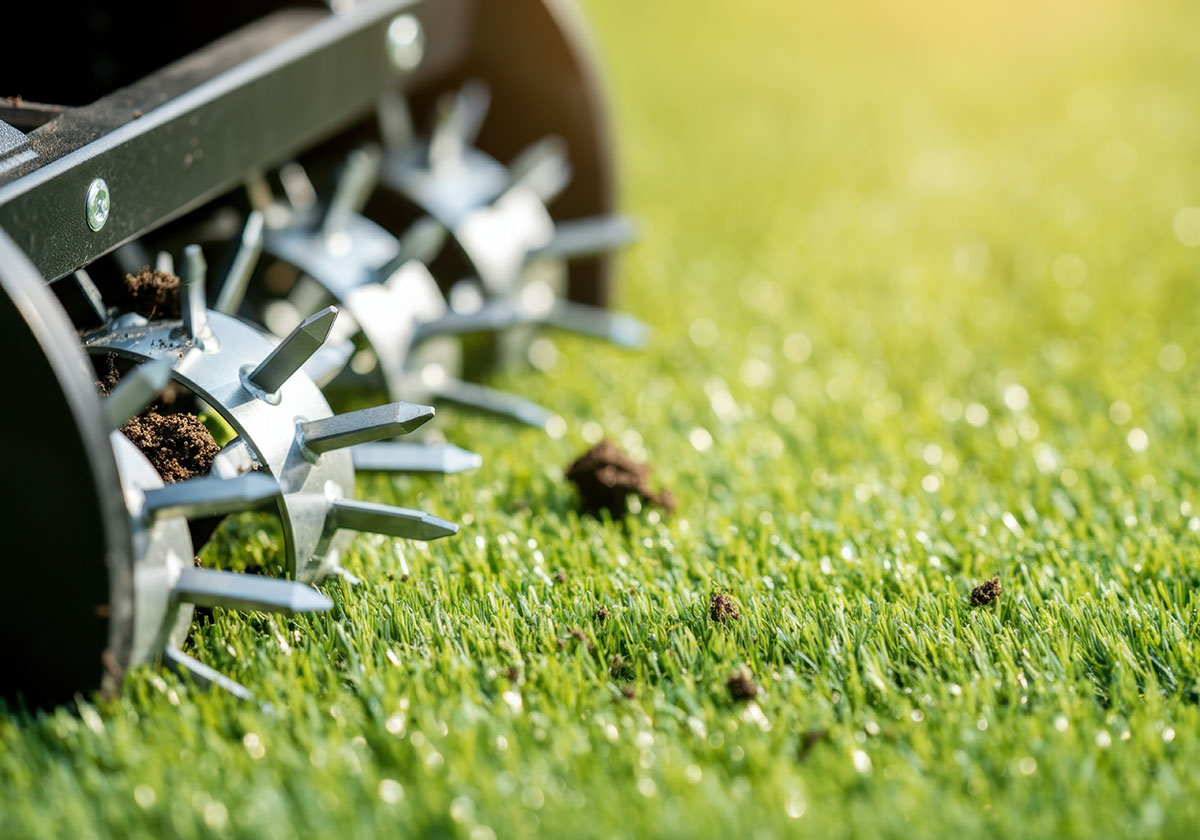
Aerate your lawn after rolling if the soil feels hard. This allows air, water, and nutrients to reach the roots.
Overseed bare spots to fill in thin areas. Rolling helps press seeds into the soil for better contact and growth.
- Aerate using a core aerator or spike aerator
- Spread grass seed evenly over thin or bare spots
- Roll lightly after overseeding to improve seed contact
- Keep the soil moist until new grass grows
Monitoring Lawn Health
Check your lawn regularly for signs of stress or damage after rolling. Look for yellow patches or thinning grass.
Address problems quickly by adjusting watering, fertilizing, or mowing practices. Healthy grass recovers faster and grows stronger.
- Inspect your lawn weekly after rolling
- Note changes in grass color and thickness
- Adjust care based on weather and lawn condition
- Remove weeds that compete with grass
Credit: www.lawnstarter.com
Common Mistakes To Avoid
Using a lawn roller can improve your lawn’s appearance. It helps by leveling the ground and ensuring seeds make contact with the soil. Yet, many make mistakes when using a lawn roller.
Knowing these mistakes can save you time and effort. Let’s explore what not to do with your lawn roller.
Over-rolling Your Lawn
Rolling your lawn too often can damage the grass. It compacts the soil too much, stopping roots from getting air.
Roll your lawn only when needed. This keeps your grass healthy and growing well.
Ignoring Soil Conditions
Soil conditions matter when using a lawn roller. Wet soil compacts too easily, which harms the lawn.
Check your soil before rolling. Ensure it’s slightly damp, not soaked or dry.
Using The Wrong Roller Size
Choosing the wrong roller size affects your lawn’s health. A heavy roller can compress the soil too much.
Select a roller based on your lawn’s size and condition. This helps avoid any damage.
- Small lawns need lighter rollers
- Large lawns can handle heavier rollers
- Check manufacturer guidelines for advice
Frequently Asked Questions
When Is The Best Time To Use A Lawn Roller?
Use a lawn roller in early spring or fall. These seasons help soil settle and grass roots establish. Avoid rolling during hot, dry weather to prevent lawn damage.
Can Lawn Rollers Fix Uneven Grass Surfaces?
Yes, lawn rollers smooth out bumps and uneven patches. Rolling compacts soil, helping seeds settle for a flatter, healthier lawn. It’s ideal after seeding or aerating.
How Often Should I Use A Lawn Roller?
Use a lawn roller sparingly, about once or twice a year. Frequent rolling can compact soil too much, harming grass roots and overall lawn health.
Will A Lawn Roller Help With New Grass Seed?
Yes, a lawn roller presses grass seed into the soil. This improves seed-to-soil contact, aiding germination and faster growth. Roll gently to avoid soil compaction.
Conclusion
Using a lawn roller can help smooth your yard and press seeds into the soil. It works best after seeding or fixing uneven ground. Avoid rolling when the soil is too wet or too dry. Light, even pressure gives the best results.
Regular use keeps your lawn neat and healthy. Choose the right time and method to see real improvement. A well-rolled lawn looks tidy and grows stronger grass. Try it carefully to enjoy a beautiful, smooth lawn all year.

