
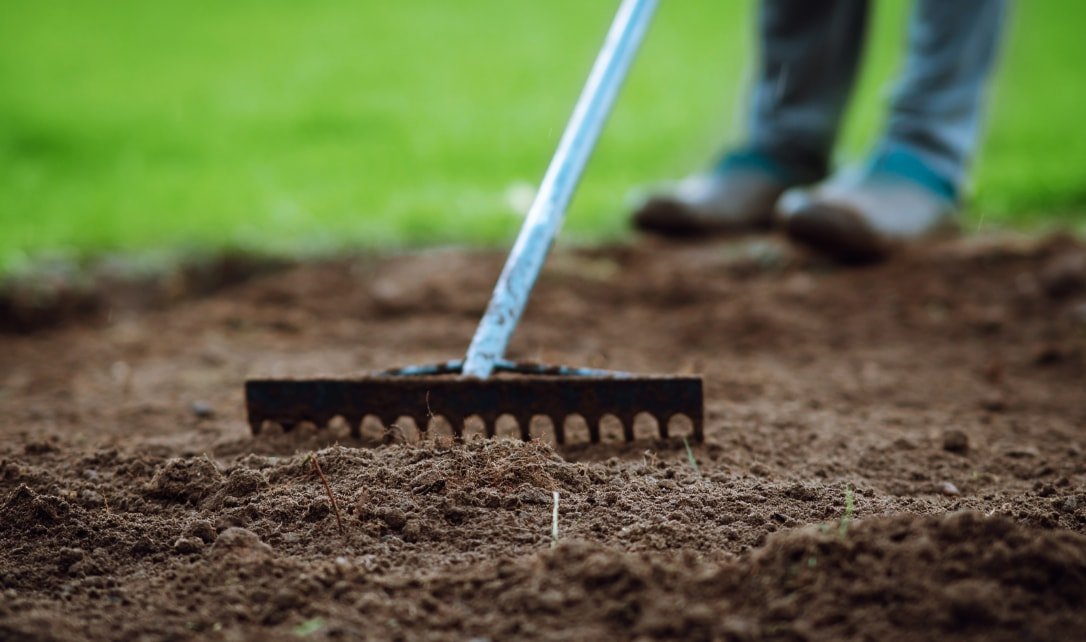
Are you struggling with soft soil that just won’t firm up? You’re not alone.
Soft soil can make your lawn uneven, cause plants to sink, and create muddy, messy patches that are hard to manage. But what if you could fix this problem quickly and easily? Knowing how to roll soft soil the right way can transform your yard, giving you a smooth, stable surface that looks great and supports healthy growth.
You’ll discover simple, effective steps to roll your soft soil perfectly—no complicated tools or skills needed. Keep reading, and you’ll learn how to turn your soft, troublesome soil into a solid foundation you can be proud of.
Benefits Of Rolling Soft Soil
Rolling soft soil is a helpful practice in gardening and farming. It makes the soil firm and ready for planting. This helps plants grow better and stronger.
Understanding the benefits of rolling soft soil can help you improve your soil health. It can also make your planting work easier and more effective.
Improved Soil Structure
Rolling soft soil compacts it slightly. This creates a stable soil structure that supports plant roots well. A good structure holds water and air in the right balance.
- Prevents soil from breaking apart easily
- Supports root growth by holding soil particles together
- Helps soil retain moisture for longer
- Reduces soil erosion by wind and water
Enhanced Seed-to-soil Contact
When soil is rolled, seeds touch the soil better. This contact helps seeds absorb water and nutrients quickly. It also helps seeds stay in place and start growing faster.
| Benefit | Effect on Seeds |
| Better contact | Seeds get more water |
| Firm soil | Seeds stay in place |
| Improved moisture | Seeds sprout faster |
Reduced Air Pockets
Rolling soft soil removes large air pockets. This makes the soil denser and easier for roots to grow. It also stops roots from drying out too fast.
Here are some effects of reduced air pockets:
- Better root contact with soil
- Less risk of root damage
- Improved water absorption
- Stronger plant growth
Best Time To Roll Soil
Rolling soft soil helps make the ground firm and smooth. It is important to know the best time to roll soil.
Rolling soil at the right time gives good results and avoids damage to the soil structure.
Ideal Moisture Levels
Soil should have the right moisture before rolling. Too wet soil becomes compacted and hard.
Too dry soil will not roll evenly and may crack. Moist soil holds shape and compacts well.
- Soil should be damp but not muddy
- Test by squeezing soil; it should hold shape but not drip water
- Rolling is best after light rain or watering
Seasonal Considerations
Season affects soil moisture and rolling ease. Spring and fall are usually best times.
Avoid rolling soil in very dry summer or frozen winter. Soil can become too hard or too soft.
- Spring: Soil is moist from rain, easy to roll
- Fall: Cooler weather keeps moisture, good for rolling
- Summer: Soil may be too dry, needs watering
- Winter: Frozen soil cannot be rolled properly
Choosing The Right Equipment
Rolling soft soil helps create a smooth, even surface. Choosing the right equipment makes this task easier and more effective.
Different rollers work better for different soil types and project sizes. Knowing your options saves time and effort.
Types Of Lawn Rollers
Lawn rollers come in several types. Each type suits different needs and soil conditions.
- Water-filled rollers: Heavy when full, easy to move when empty.
- Steel rollers: Very heavy, good for large areas.
- Plastic rollers: Lightweight, best for small jobs.
- Gas or electric-powered rollers: Use engines to roll faster and more evenly.
Water-filled rollers are common for home lawns. Steel rollers work well on very soft soil. Plastic rollers are easy to handle but less heavy.
Manual Vs. Powered Rollers
Manual rollers need you to push or pull them. They work best on small areas and soft soil.
Powered rollers use engines or motors. They are good for large spaces and heavy soil.
- Manual rollers are quiet and low cost.
- Powered rollers save time and reduce effort.
- Manual rollers are easy to store and maintain.
- Powered rollers need fuel or batteries and regular upkeep.

Credit: www.amazon.ca
Preparing The Soil Before Rolling
Rolling soft soil helps create a smooth and firm surface. Preparing the soil well makes rolling easier and more effective.
Good preparation improves soil structure and prevents uneven patches after rolling.
Clearing Debris
Remove all debris from the soil before rolling. This includes rocks, sticks, and leaves that can block the roller or cause bumps.
- Pick up large stones by hand or use a rake.
- Clear away fallen branches and plant material.
- Remove any trash or unwanted objects on the soil.
Leveling The Ground
Make the ground flat to help the roller work evenly. Use simple tools to smooth out high and low spots.
| Tool | Use |
| Rake | Remove small bumps and spread soil |
| Shovel | Fill holes and move soil |
| Level | Check flatness across the area |
Watering Tips
Water the soil before rolling to help it compact better. Wet soil is easier to press down and holds its shape well.
Keep these points in mind when watering:
- Water the soil lightly, not soaking wet.
- Wait 1 to 2 hours after watering before rolling.
- Avoid rolling on dry or muddy soil for best results.
Step-by-step Rolling Process
Rolling soft soil helps create a firm and level surface. It improves soil stability for planting or building.
Follow these steps to roll soft soil correctly. Each part of the process builds on the last.
Initial Passes
Start by rolling the soil gently at first. This removes large air pockets and begins to compress the soil.
Use slow, steady movements. Avoid rolling too fast or pressing too hard in the first passes.
- Drive the roller in straight lines
- Cover the entire area evenly
- Keep the roller moving at a low speed
Overlap Techniques
Overlap each pass by about half the width of the roller. This ensures no areas are missed.
Overlapping helps create a uniform surface and prevents weak spots in the soil.
- Roll back and forth with consistent overlap
- Keep the overlap equal on each pass
- Check the soil surface for any uneven spots
Final Touches
Make a few slow, careful passes to finish the surface. This seals the soil tightly.
Look for any soft or loose spots and roll over them again. The surface should feel firm and smooth.
- Slow the roller speed for final passes
- Focus on edges and corners
- Stop rolling once the soil is firm

Credit: www.youtube.com
Common Mistakes To Avoid
Rolling soft soil is important for gardening and landscaping. It helps to prepare the ground for planting. But many people make mistakes when rolling soil. These mistakes can harm the soil and plants.
Learn how to avoid common mistakes when rolling soft soil. Doing it right will ensure healthy soil for your plants.
Over-compacting Soil
Pushing too hard on the soil compacts it too much. This stops air and water from reaching plant roots. Plants need air and water to grow well.
Roll the soil gently to avoid over-compacting. Use a light hand and go over the soil slowly.
- Use the right roller weight
- Check soil firmness regularly
- Stop if soil feels too hard
Rolling When Soil Is Too Wet Or Dry
Wet soil sticks together and forms clumps. Dry soil does not compact well and can break apart easily.
Check the soil moisture before rolling. It should be slightly damp, like a wrung-out sponge.
| Soil Condition | Action |
| Too Wet | Wait for it to dry |
| Too Dry | Lightly water the soil |
| Just Right | Proceed with rolling |
Post-rolling Lawn Care
After rolling your lawn, proper care is essential for healthy grass. This guide helps you maintain a lush lawn.
Follow these steps to ensure your lawn stays vibrant and strong throughout the growing season.
Seeding And Fertilizing
Seeding and fertilizing are crucial after rolling your lawn. They help promote strong growth.
- Choose a grass seed suited to your climate.
- Spread seeds evenly across the lawn.
- Apply a balanced fertilizer to support root development.
Watering Schedule
Proper watering keeps your lawn hydrated and healthy. Follow a schedule to ensure optimal growth.
- Water early in the morning to reduce evaporation.
- Aim for about 1 inch of water per week, including rainfall.
- Check soil moisture regularly to adjust watering as needed.
Monitoring Soil Health
Regularly checking soil health helps catch issues early. This keeps your lawn strong and vibrant.
| Test Type | Frequency |
| pH Level | Once a year |
| Nutrient Test | Every two years |
| Compaction Check | Every spring |
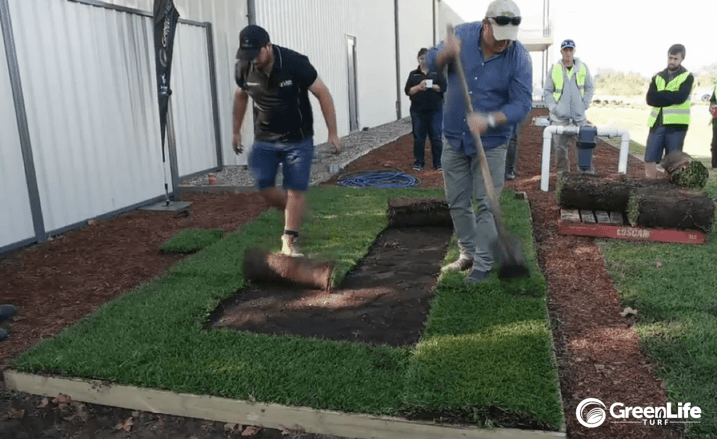
Credit: www.greenlifeturf.com.au
Frequently Asked Questions
What Is The Best Way To Roll Soft Soil?
The best way to roll soft soil is by using a light roller. Avoid heavy equipment to prevent soil compaction. Roll when the soil is moist but not wet for optimal results.
How Often Should You Roll Soft Soil?
Roll soft soil once after tilling to level the surface. Avoid frequent rolling to prevent soil compaction. Check soil moisture before rolling for best outcomes.
Can Rolling Soft Soil Improve Plant Growth?
Yes, rolling soft soil helps create a smooth seedbed. This promotes better seed-to-soil contact and uniform germination. Proper rolling aids water retention and root development.
When Is The Ideal Time To Roll Soft Soil?
The ideal time to roll soft soil is after tilling. Ensure soil moisture is moderate, not too wet or dry. Early morning or late afternoon is best to avoid drying out.
Conclusion
Rolling soft soil takes patience and the right tools. Start with moist soil, not too wet or dry. Use a roller evenly to avoid bumps or cracks. Check the soil often to prevent over-compaction. Good soil rolling helps plants grow strong roots.
It also improves water drainage and soil stability. Keep practicing these steps for better results each time. Soft soil can become firm and ready for planting. Simple actions bring big benefits to your garden or lawn.

