
Are you wondering how wide your garden border should be to make your outdoor space look stunning? Choosing the right width can transform your garden from ordinary to eye-catching.
But it’s not just about looks—your garden border needs to fit your plants, paths, and lifestyle perfectly. You’ll discover simple tips to find the ideal width for your garden border, so your garden feels balanced and inviting. Keep reading to learn how a small change can make a big difference in your garden’s charm.

Credit: www.amazon.ca
Choosing Border Width
The width of a garden border affects both its look and function. It helps plants grow well and keeps the garden tidy.
Choosing the right border width depends on many things. Let’s explore the main factors to consider.
Factors Influencing Width
Soil type, sunlight, and space all influence how wide a border should be. Wider borders suit larger plants and help with maintenance.
- Sandy or poor soil may need wider borders for better nutrients.
- Sunny spots allow tighter borders since plants grow well.
- Space limits the width; small gardens need narrower borders.
Plant Types And Sizes
Knowing the size of plants helps choose border width. Tall or wide plants need more room, while small plants fit narrow borders.
| Plant Type | Recommended Border Width |
| Small flowers (e.g., pansies) | 12-18 inches (30-45 cm) |
| Medium shrubs (e.g., lavender) | 18-24 inches (45-60 cm) |
| Large shrubs or bushes | 24-36 inches (60-90 cm) |
| Climbing plants | Depends on support, usually 12-24 inches (30-60 cm) |
Garden Style Considerations
Different garden styles suggest different border widths. Formal gardens use neat, narrow borders. Cottage gardens prefer wide, informal borders.
Here are some style tips:
- Formal:12-18 inches wide for clean lines.
- Cottage:24 inches or more for lush growth.
- Wildlife-friendly:Wide borders with mixed plants.

Credit: www.reddit.com
Standard Border Widths
Garden borders frame your plants and flowers. Choosing the right width helps with planting and maintenance.
Border widths vary depending on the garden style and space available. Let’s look at common widths for different border types.
Narrow Borders
Narrow borders are usually 12 to 18 inches wide. They work well along paths or fences where space is limited.
- Best for small gardens or tight spaces
- Ideal for low-growing plants
- Easier to maintain with less weeding
Medium Borders
Medium borders range from 2 to 3 feet wide. They offer enough room for a variety of plants and flowers.
| Width | Use | Benefits |
| 24 inches (2 feet) | General planting | Easy to reach all plants |
| 30 inches (2.5 feet) | Larger shrubs and perennials | More design flexibility |
| 36 inches (3 feet) | Mixed plantings | Good root space |
Wide Borders
Wide borders are 4 feet or more in width. They suit large gardens or areas with big plants.
Advantages of wide borders:
- Room for shrubs, trees, and ground covers
- Creates a strong visual impact
- Allows layering of plants for depth
- Requires more maintenance and space
Design Tips For Borders
Garden borders create a clear edge between different areas in your garden. Choosing the right width helps your plants and paths look good together.
Good design balances space and style. You want borders that fit your garden size and shape well.
Balancing Proportions
Wide borders suit large gardens and big plants. Narrow borders work better in small spaces or with low plants.
Keep border width in balance with your garden beds and paths. This makes the whole garden feel even and neat.
- Use 12 to 18 inches wide for small gardens
- Use 24 to 36 inches wide for larger areas
- Adjust width for tall plants needing more space
- Make paths wider than borders for easy walking
Creating Visual Interest
Mix different plants and materials in your border to catch the eye. Use colors and textures that stand out.
Adding layers with low and tall plants makes borders look fuller and more alive.
- Plant flowers with different bloom times
- Use stones or mulch for texture contrasts
- Add small decorative elements like garden statues
- Mix evergreen and seasonal plants
Using Curves And Lines
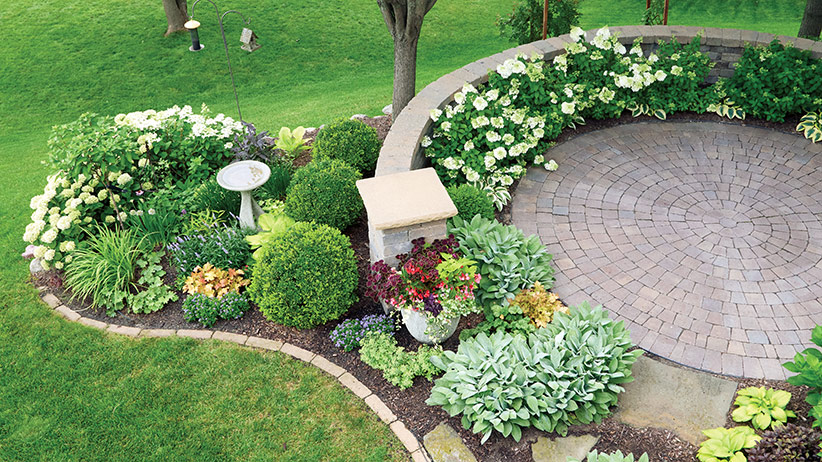
Curved borders create a soft, natural feel in your garden. Straight lines give a modern, clean look.
Combine curves and lines to guide visitors and highlight key garden features.
- Use gentle curves around flower beds
- Place straight borders along paths
- Mix curves and lines for balance
- Think about how borders flow with your garden’s shape
Practical Aspects
Choosing the right width for a garden border helps with care and growth. It affects maintenance, soil, and the materials you use.
Consider these practical points to plan a border that works well and lasts long.
Maintenance And Access
A garden border should be wide enough for easy access. This helps you weed, water, and plant without stepping on plants.
- At least 18 inches wide for small borders
- Up to 24 inches for larger plants
- Leave enough space for tools like spades and trowels
- Ensure comfortable reach to the center
Soil Preparation
Good soil preparation needs space to work and add amendments. A wider border allows better digging and mixing.
| Border Width | Soil Prep Advantage |
| 12-18 inches | Basic tilling and planting |
| 18-24 inches | Space for adding compost and mulch |
| 24+ inches | Room for deep cultivation and layering soil |
Edge Materials
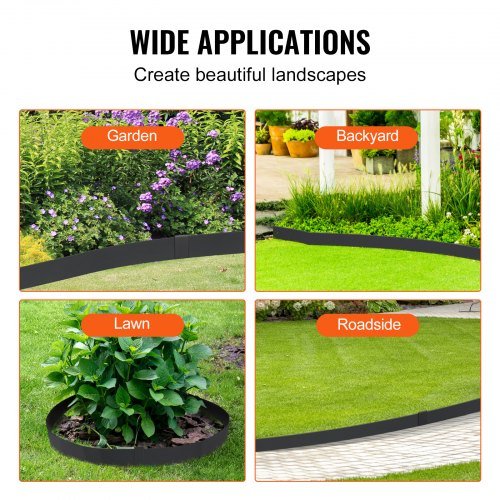
Choose edging materials that fit the border width and garden style. Edges keep soil and mulch in place and prevent grass from spreading.
- Wood: Best for borders 12-18 inches wide, easy to install
- Brick or stone: Works well for wider borders, adds durability
- Metal edging: Thin but strong, good for clean lines in narrow borders
Border Widths For Different Garden Types
Garden borders help define spaces and add style. The width of a garden border changes with garden size and use.
Choosing the right border width makes your garden look balanced and neat. Different garden types need different border sizes.
Small Urban Gardens
Small urban gardens have limited space. Narrow borders work best to avoid crowding the area.
A border width of 6 to 12 inches is ideal. It creates a clear edge without taking too much space.
- Use slim borders to keep more planting area
- Choose low plants for a neat look
- Keep borders simple to avoid clutter
Suburban Yards
Suburban yards have moderate space for gardening. Medium-width borders balance style and function well.
Borders 12 to 24 inches wide give room for a mix of plants. They help create layers and add depth.
- Use borders wide enough for shrubs and flowers
- Mix textures to create interest
- Consider curved borders for softer lines
Large Landscapes
Large landscapes offer space for wide and bold borders. Wide borders create strong visual impact.
Borders 24 to 36 inches or more allow for tall plants and layered designs. They also help define large garden areas.
- Use wide borders for trees and large shrubs
- Design with layers for depth and texture
- Include pathways or seating inside wide borders
Credit: www.gardengatemagazine.com
Frequently Asked Questions
How Wide Should A Garden Border Typically Be?
A garden border should ideally be between 18 to 36 inches wide. This width allows enough space for planting diverse flowers and shrubs. It also provides a balanced look without overwhelming the garden or taking up excessive lawn space.
Does Border Width Affect Plant Growth And Health?
Yes, a wider border offers more room for roots to spread and plants to thrive. It improves soil quality and drainage, which supports healthier growth. Narrow borders might restrict plant development and lead to overcrowding.
What Factors Determine The Ideal Garden Border Width?
The ideal width depends on garden size, plant types, and maintenance ease. Larger gardens allow wider borders, while smaller spaces need narrower ones. Consider plant height, growth habits, and your gardening style when choosing width.
Can Narrow Garden Borders Still Look Attractive?
Absolutely. Narrow borders can be attractive with careful plant selection and layering. Use low-growing plants and annuals to create visual interest. Proper edging and mulch can also enhance the neat appearance of narrow borders.
Conclusion
Choosing the right width for a garden border shapes your outdoor space. A border too narrow might feel cramped. Too wide, and it can overwhelm your garden. Think about the plants you want to grow and how much room they need.
Balance is key for a neat and healthy garden. Measure your space carefully and plan with care. This helps create a garden border that looks good and works well. Enjoy designing your garden with borders that fit just right.
