
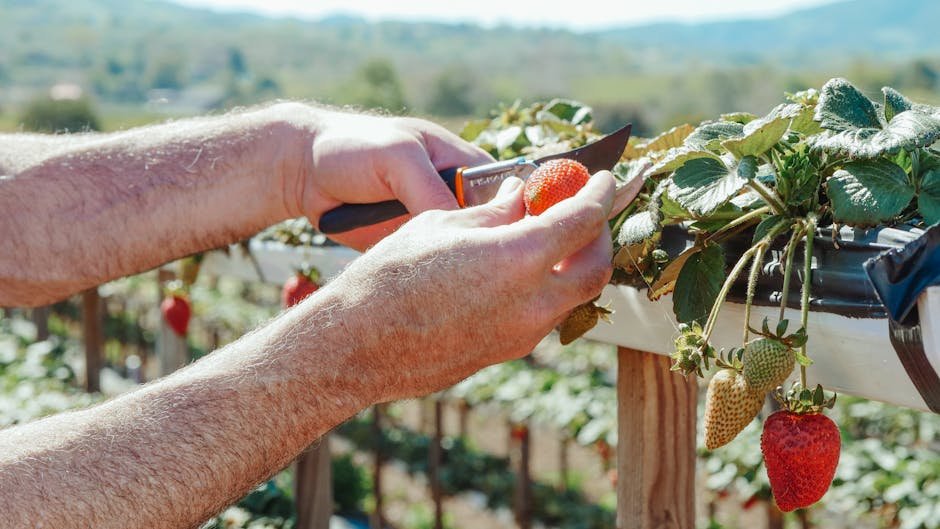
Are you wondering if pruning can really boost your fruit yield? You’re not alone.
Many gardeners and fruit growers ask this same question because the idea of cutting back branches can feel risky. But what if pruning is the secret to unlocking bigger, healthier harvests year after year? You’ll discover how the right pruning techniques can transform your fruit trees and plants, helping you get the most from your garden.
Keep reading to learn simple steps that could make a big difference in your fruit production.
Credit: shegrowsveg.com
Why Pruning Matters
Pruning is a key task for anyone growing fruit trees. It helps trees grow better and produce more fruit.
Cutting back branches might seem simple, but it has many important effects on your tree’s health and fruit yield.
Effects On Fruit Growth
Pruning opens the tree’s canopy. This lets sunlight reach all parts of the tree. More sunlight means stronger fruit growth.
- Removes weak or crowded branches
- Focuses energy on healthy fruit buds
- Improves air flow to reduce disease
- Encourages larger, sweeter fruit
Improving Tree Health
Pruning helps keep the tree healthy by removing dead or damaged wood. This reduces pests and illnesses.
| Benefit | How Pruning Helps |
| Stronger branches | Removes weak parts that can break |
| Less disease | Improves air flow and light |
| Better growth | Directs nutrients to good parts |
| Longer life | Prevents decay and damage |
Timing Your Pruning
Prune your tree at the right time to avoid stress and damage. Most fruit trees do best with pruning in late winter or early spring.
- Late winter – before new growth starts
- Early spring – after frost risks end
- Summer – for light trimming only

Credit: www.youtube.com
Pruning Techniques For Fruit Trees
Pruning fruit trees helps improve fruit yield and tree health. It involves cutting branches to allow light and air inside the tree.
Different pruning methods serve different purposes. Each technique supports fruit growth in a unique way.
Thinning Cuts
Thinning cuts remove entire branches back to their base or a main branch. This opens the tree canopy and reduces crowding.
- Increase sunlight reaching fruit and leaves
- Improve air circulation to reduce disease
- Help fruit grow larger and sweeter
- Balance the tree’s energy between growth and fruit
Heading Cuts
Heading cuts shorten branches by cutting back to a bud or smaller branch. They encourage new shoots to grow near the cut.
- Promote bushier growth and more fruiting wood
- Help shape the tree’s form for easier harvesting
- Stimulate growth in younger trees
Renewal Pruning
Renewal pruning removes old and weak branches. It encourages new growth and keeps the tree productive.
| Old Branches | Remove to allow fresh growth |
| New Shoots | Encourage for better fruit production |
| Timing | Best done during the dormant season |
Tools For Effective Pruning
Pruning fruit trees is important to improve fruit growth and health. Using the right tools helps make clean cuts. Clean cuts help trees heal faster and produce better fruit.
Choosing good tools and keeping them sharp makes pruning easier. This guide explains the tools you need and how to care for them safely.
Essential Pruning Tools
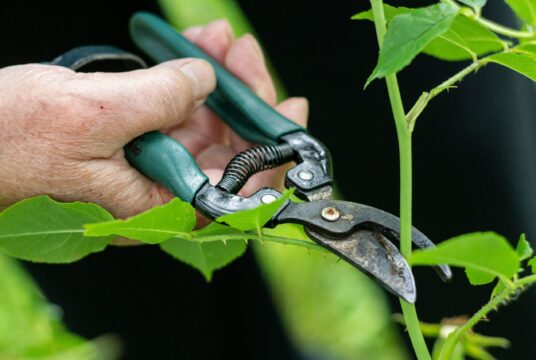
Basic pruning tools include hand pruners, loppers, and pruning saws. Hand pruners cut small branches up to ¾ inch thick. Loppers cut medium branches up to 2 inches thick. Pruning saws cut larger branches.
- Hand pruners: for small stems and twigs
- Loppers: for thicker branches
- Pruning saw: for large or hard-to-reach branches
- Gloves: protect your hands from thorns and cuts
- Protective eyewear: shields eyes from debris
Maintaining Your Tools
Clean your pruning tools after each use. Dirt and sap can dull blades and spread disease. Use a cloth and soapy water to wipe blades clean.
Sharpen blades regularly to keep cuts smooth. Use a sharpening stone or file. Oiling metal parts prevents rust and keeps tools working well.
- Wipe blades with a damp cloth
- Use sharpening stone for dull edges
- Apply oil to metal parts
- Store tools in a dry place
Safety Tips
Wear gloves and safety glasses to protect yourself. Cut away from your body to avoid injury. Keep tools sharp and in good condition to reduce accidents.
Store tools safely out of reach of children. Check your tools for damage before use. Replace any broken parts to stay safe during pruning.
- Wear gloves and protective eyewear
- Cut branches away from your body
- Keep tools sharp and clean
- Store tools safely and check for damage

Credit: citrusindustry.net
Common Mistakes To Avoid
Pruning fruit trees can boost the yield if done right. Many gardeners make simple mistakes that harm the tree and reduce fruit production. Avoiding these errors helps your tree stay healthy and productive.
Here are key pruning mistakes to watch for. Learn how to prune correctly for better fruit growth and tree health.
Over-pruning
Cutting too many branches can stress the tree. It removes leaves needed for photosynthesis. This leads to weak growth and fewer fruits.
- Don’t remove more than 25% of the tree’s branches in one year.
- Leave enough leaves to feed the tree.
- Avoid pruning during heavy fruiting seasons.
- Focus on removing dead or crossing branches first.
Incorrect Cuts
Wrong cuts can cause damage and invite disease. Cuts should be clean and made at the right spots.
| Common Cut Mistakes | Effects |
| Cutting too close to the trunk | Causes wounds that heal slowly |
| Leaving stubs | Attracts pests and disease |
| Using dull tools | Crushes branches and delays healing |
Ignoring Tree Species
Each fruit tree type needs different pruning care. What works for one species may harm another.
Here are pruning tips by species:
- Apple trees:Prune in late winter before buds open.
- Peach trees:Prune in early spring for best fruit.
- Citrus trees:Light pruning after harvest works well.
Seasonal Pruning Strategies
Pruning fruit trees at the right time helps improve fruit yield. Cutting branches at different seasons affects tree health and fruit production. Each season needs a special pruning approach.
Knowing when and how to prune can make trees stronger and fruits bigger. Seasonal pruning keeps trees balanced and healthy all year.
Winter Pruning
Winter pruning happens when trees are dormant. This means trees have no leaves and are resting. It is the best time to shape the tree and remove dead branches.
Pruning in winter helps open the tree canopy. This allows more sunlight and air to reach the branches. Good air flow reduces diseases and helps fruit grow better.
- Remove weak or dead branches
- Cut back long shoots to control size
- Open the center for light and air
- Use clean, sharp tools to avoid damage
Summer Pruning
Summer pruning is done when trees are growing and have leaves. It helps control tree size and improves fruit quality. This pruning stops the tree from wasting energy on too many shoots.
Cutting back new growth directs energy to fruit development. It also reduces shade inside the tree. Summer pruning is light compared to winter pruning.
- Remove water sprouts and suckers
- Thin out crowded branches
- Cut back long shoots to balance growth
- Do not remove too much leaf area
After-harvest Care
After harvesting fruit, trees need care to prepare for next season. Pruning at this time cleans up broken or damaged branches. It also helps the tree recover.
Light pruning supports healthy growth before winter. Removing old fruit and leaves reduces pests and diseases. After-harvest care keeps trees strong and ready for next year.
- Cut out dead or damaged branches
- Remove leftover fruit to stop pests
- Lightly thin crowded areas
- Check for signs of disease and treat if needed
Boosting Yield With Pruning Tips
Pruning is an important practice for fruit trees. It helps in improving their yield and health. Proper pruning encourages better growth and more fruit.
By removing certain parts of the tree, you can direct energy to the areas that need it most. This can result in a higher fruit yield and better quality fruit.
Encouraging Flowering
Pruning helps trees focus energy on producing flowers. This is the first step to getting fruit. Removing old branches gives room for new growth.
- Trim branches that do not produce flowers
- Cut back to a bud facing outward
- Remove crossing branches
Balancing Fruit Load
Too many fruits can stress a tree. Pruning helps balance the number of fruits. This results in better quality and size.
| Action | Benefit |
| Remove excess fruit | Improves size |
| Thin crowded branches | Enhances air flow |
| Reduce weak branches | Prevents breakage |
Managing Disease
Pruning helps in managing diseases by removing infected parts. It also improves air circulation, which reduces disease risk.
Frequently Asked Questions
Can Pruning Increase Fruit Yield Effectively?
Pruning removes dead or overcrowded branches, improving air circulation and sunlight. This boosts fruit production and quality by focusing the tree’s energy on healthy growth.
When Is The Best Time To Prune Fruit Trees?
The best time to prune is late winter or early spring before new growth starts. This timing minimizes stress and encourages strong, productive branches.
How Often Should Fruit Trees Be Pruned?
Fruit trees typically need pruning once a year. Regular annual pruning maintains tree health and maximizes fruit yield by removing weak or unproductive branches.
Does Pruning Affect Fruit Size And Quality?
Yes, pruning can improve fruit size and quality. It balances growth, reduces disease risk, and allows the tree to allocate resources to fewer, healthier fruits.
Conclusion
Pruning helps fruit trees grow strong and healthy. It removes old and weak branches. This allows more sunlight and air to reach fruits. Trees use energy better and produce more fruit. Regular pruning keeps trees balanced and easy to manage.
It also reduces disease and pest problems. Simple care like pruning can improve your fruit harvest. Try pruning carefully each year for better results. Your fruit trees will thank you with bigger, tastier crops.
