
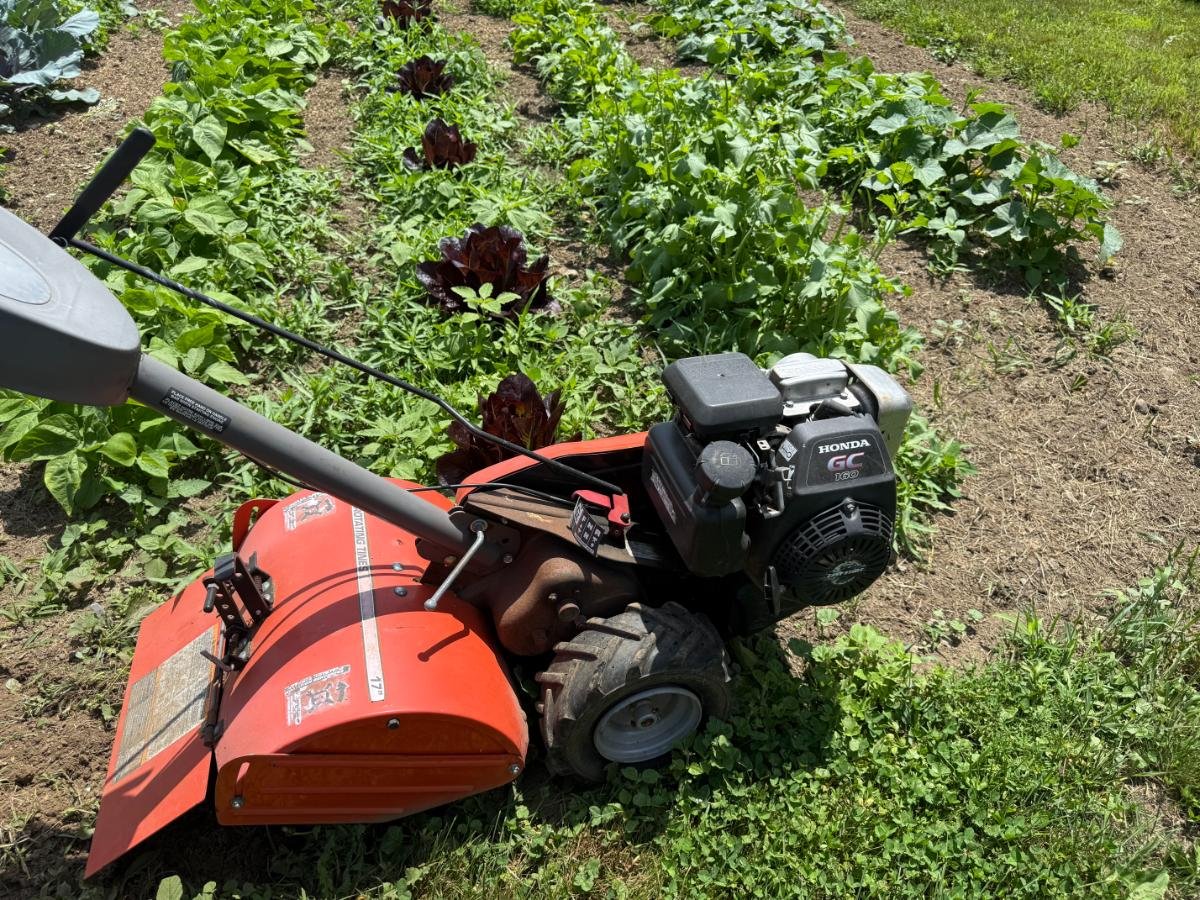
Are you ready to make your vegetable garden thrive with less effort? Using a tiller can transform your hard, compacted soil into a soft, nutrient-rich bed perfect for growing healthy plants.
But if you’ve never used one before, it might seem tricky or even intimidating. Don’t worry—this guide will walk you through every step, so you can feel confident and get the best results. Keep reading to discover how a tiller can save you time and boost your garden’s success.
Your veggies will thank you!
Choosing The Right Tiller
Using a tiller helps prepare your vegetable garden soil for planting. Picking the right tiller makes the job easier and faster.
There are many types of tillers. Consider size, power, and fuel type before buying one.
Types Of Tillers
Tillers come in two main types: front-tine and rear-tine. Each works best for different tasks.
Front-tine tillers are lighter. They work well for small gardens and soft soil.
Rear-tine tillers are heavier and stronger. They handle big gardens and hard soil better.
- Front-tine: easy to use, good for light soil
- Rear-tine: powerful, good for heavy soil
Size And Power Considerations
Think about the size of your garden before choosing a tiller. Small gardens need smaller tillers.
Power matters for soil type. Hard soil needs a strong tiller with a bigger engine.
- Small tillers: easy to handle, best for small areas
- Large tillers: more power, best for big or tough soil
- Choose power based on your soil and garden size
Gas Vs Electric Tillers
Gas tillers have more power. They work well for big gardens and tough soil.
Electric tillers are quieter and lighter. They suit small gardens and soft soil.
- Gas tillers: strong, noisy, need fuel and maintenance
- Electric tillers: quiet, easy to use, limited by cord or battery
Preparing Your Garden Soil
Using a tiller helps make your garden soil ready for planting. It breaks up hard soil and mixes in nutrients.
Before tilling, prepare the soil well. This helps your vegetables grow strong and healthy.
Clearing Debris And Weeds
Remove all debris like sticks, rocks, and old plants from your garden area. These can block the tiller and harm the soil.
Pull out weeds by hand or use a hoe to clear the space. Weeds compete with your vegetables for water and nutrients.
- Pick up sticks and stones
- Pull weeds from the roots
- Clear old plant remains
Soil Moisture Levels
Check soil moisture before tilling. The soil should be damp but not wet or dry.
Tilling wet soil can cause clumps, while dry soil can be hard to turn. Aim for soft, crumbly soil.
- Squeeze a handful of soil
- If it forms a loose ball, moisture is good
- If soil is muddy or crumbles easily, wait to till
Testing Soil Quality
Test your soil to know its health. Good soil has the right nutrients and pH for vegetables.
You can use a soil test kit or send a sample to a lab for detailed results.
- Collect soil from different garden spots
- Mix the samples in a clean container
- Follow test kit instructions or send to a lab
- Adjust soil with compost or lime based on results
Operating The Tiller Safely
Using a tiller helps prepare your vegetable garden quickly. Safety is very important when you operate this equipment.
Follow these guidelines to keep yourself and your garden safe while tilling the soil.
Safety Gear Essentials
Wear the right safety gear before starting the tiller. This protects you from flying debris and noise.
- Sturdy gloves to protect your hands
- Closed-toe boots with good grip
- Eye protection like safety goggles
- Ear protection such as earplugs or earmuffs
- Long pants and long sleeves to cover your skin
Starting And Stopping The Tiller
Start the tiller on a flat surface. Make sure no obstacles are near before you turn it on.
Always hold the handles firmly. To stop, release the throttle and turn off the engine using the switch.
| Action | Tip |
| Starting | Check fuel and oil levels first |
| Stopping | Wait until blades stop spinning |
| Emergency Stop | Use the kill switch immediately |
Handling Difficult Terrain
Uneven or rocky ground can make tilling hard. Adjust your speed and use extra caution in these areas.
Follow these tips for tough terrain:
- Go slowly to keep control
- Lift the tiller slightly over rocks
- Avoid very steep slopes
- Clear large sticks or stones first
- Take breaks to avoid fatigue
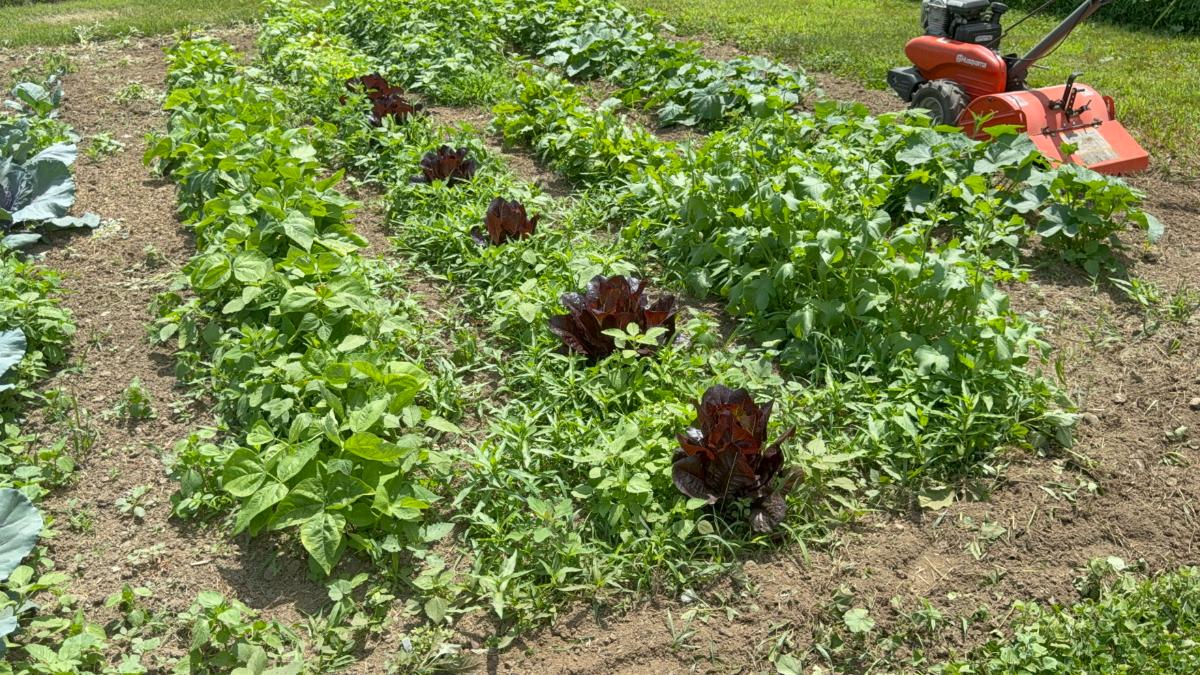
Credit: gardening.org
Tilling Techniques For Vegetables
Tilling your vegetable garden prepares the soil for planting. It loosens the soil, making it easier for roots to grow. Good tilling can improve water and nutrient absorption.
Choosing the right tilling method helps your plants grow healthy. This guide covers shallow vs deep tilling, creating rows and beds, and avoiding over-tilling.
Shallow Vs Deep Tilling
Shallow tilling breaks up the top layer of soil. It is gentle and helps mix in compost or mulch. Deep tilling goes down several inches and turns over more soil.
- Shallow tilling improves soil aeration and surface texture.
- Deep tilling loosens compacted soil and breaks hardpan layers.
- Use shallow tilling for light soil preparation and weed control.
- Use deep tilling for heavy or clay soils needing more loosening.
Creating Rows And Beds
Organizing your garden into rows and raised beds helps with planting and watering. Rows guide where seeds go. Beds improve drainage and soil warmth.
| Type | Purpose | Best For |
| Rows | Seed placement and access | Small to medium gardens |
| Raised Beds | Better drainage and soil control | Wet or compacted soil |
| Flat Beds | Easy tilling and harvesting | Large open spaces |
Avoiding Over-tilling
Too much tilling damages soil structure and kills helpful organisms. It can cause erosion and reduce soil nutrients. Use tilling only when necessary.
- Limit tilling to once or twice per season.
- Stop tilling if soil feels too dry or wet.
- Use mulch to protect soil after tilling.
- Mix organic matter gently instead of deep tilling all the time.
Maintaining Your Tiller
Keeping your tiller in good shape helps it work better for your garden. Regular care makes it last longer and saves money on repairs.
This guide covers cleaning, maintenance, and storage tips to keep your tiller ready for use anytime.
Cleaning After Use
Always clean your tiller right after you finish working. Dirt and debris can cause rust and damage moving parts.
- Turn off the tiller and disconnect the spark plug.
- Use a brush or cloth to remove soil from tines and wheels.
- Wash with water if needed, but avoid soaking the engine.
- Dry all parts to prevent rust.
- Check for stuck debris in the blades and remove it carefully.
Regular Maintenance Tips
| Maintenance Task | Frequency | Details |
|---|---|---|
| Check oil level | Every 8 hours of use | Use correct oil type and fill to recommended level |
| Inspect air filter | Every 10 hours | Clean or replace if dirty or damaged |
| Tighten bolts and screws | Monthly | Ensure all parts are secure to avoid accidents |
| Sharpen tines | Seasonally | Use a file or grinder to keep blades sharp |
| Check fuel system | Monthly | Look for leaks or cracks in hoses and tank |
Storage Best Practices
Proper storage protects your tiller during off-seasons and keeps it ready for next use.
- Drain the fuel tank or add a fuel stabilizer to prevent clogs.
- Clean the tiller thoroughly before storing.
- Store in a dry, covered place to protect from moisture.
- Cover the tiller with a cloth or tarp to keep dust off.
- Keep it away from direct sunlight to avoid plastic and rubber damage.
Troubleshooting Common Issues
Using a tiller in your vegetable garden can make soil preparation easier. But sometimes, issues can arise. Here’s how to troubleshoot common problems.
In this guide, we will cover engine problems, tines not rotating, and uneven tilling. These tips can help you keep your tiller running smoothly.
Engine Problems
If your tiller’s engine won’t start, check the fuel. Make sure there is enough and that it’s fresh. Old fuel can cause starting issues.
Check the spark plug for dirt. A clean spark plug ensures proper ignition. Replace it if it’s worn out.
- Ensure the oil level is correct
- Inspect air filter for clogs
- Check for loose wires
Tines Not Rotating
If the tines won’t rotate, first check the drive belt. It might be loose or broken. Tighten or replace it as needed.
Look for debris stuck in the tines. Remove any rocks or roots that could block movement.
- Examine the clutch cable
- Ensure tine control is engaged
- Lubricate moving parts
Uneven Tilling
Uneven tilling can result from improper depth settings. Adjust the depth control lever for consistent soil depth.
Check the tines for wear. Worn tines may need replacement for effective tilling.
- Ensure tire pressure is equal
- Check for bent tines
- Maintain a steady walking speed
Enhancing Soil Health Post-tilling
Using a tiller in your vegetable garden helps prepare the soil. After tilling, it’s important to enhance the soil’s health. This ensures your plants grow strong and healthy.
There are several ways to improve soil health. These include adding compost and fertilizers, using cover crops and mulching, and employing proper watering techniques.
Adding Compost And Fertilizers
Compost and fertilizers add nutrients to the soil. They help plants grow better and produce more vegetables.
- Spread a layer of compost over the tilled soil.
- Use organic fertilizers for a natural boost.
- Mix compost and fertilizers evenly into the soil.
Cover Crops And Mulching
Cover crops protect and enrich the soil. Mulching helps retain moisture and prevents weeds.
Watering Techniques
Proper watering is key to healthy soil. It ensures nutrients are accessible to plants.
| Technique | Benefit |
| Drip irrigation | Saves water and targets roots |
| Soaker hoses | Even water distribution |
| Rainwater collection | Uses natural water sources |
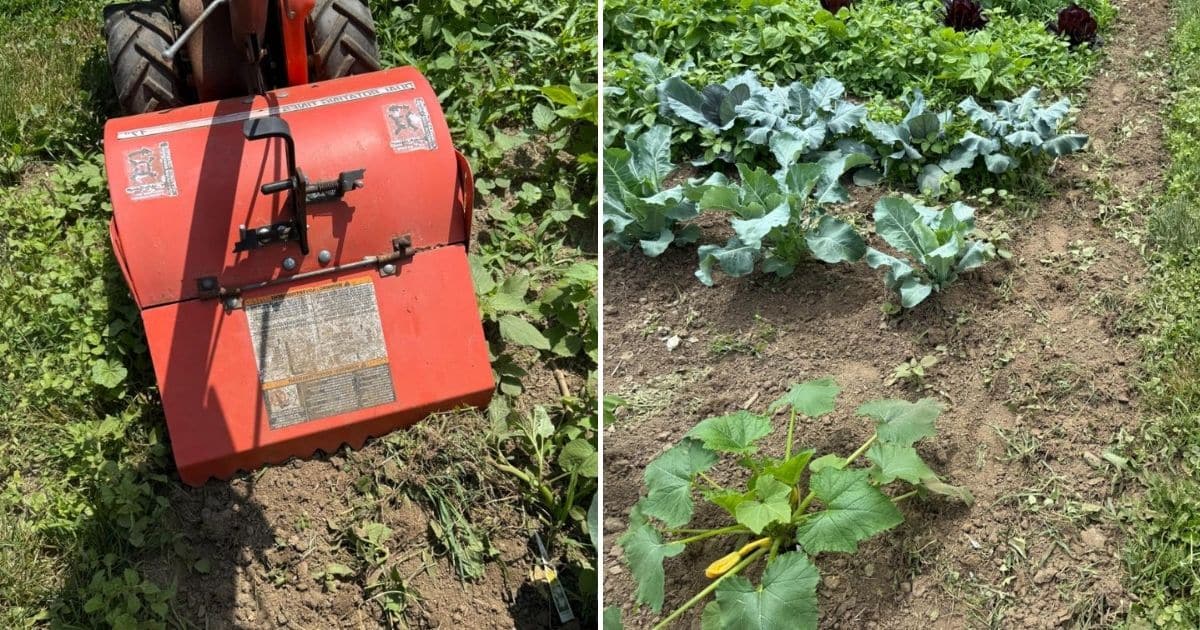
Credit: gardening.org
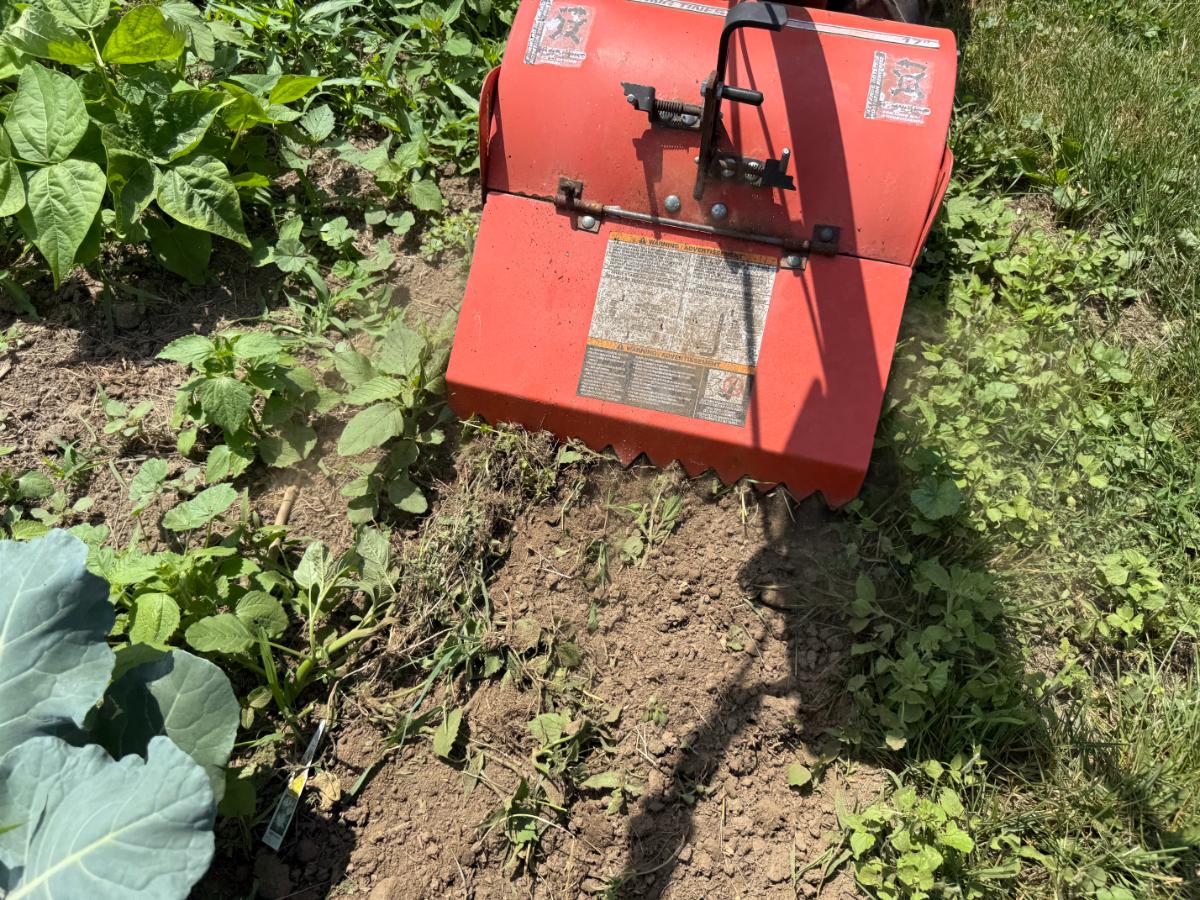
Credit: gardening.org
Frequently Asked Questions
What Is The Best Time To Use A Tiller In Vegetable Gardening?
The best time to use a tiller is early spring or fall. This prepares soil before planting or after harvest, improving soil texture and aeration. Avoid tilling when soil is wet to prevent compaction and damage to soil structure.
How Deep Should I Till For A Vegetable Garden?
Till your vegetable garden soil about 6 to 8 inches deep. This depth loosens soil, promotes root growth, and mixes nutrients well. Avoid tilling too deep to preserve soil layers and beneficial organisms.
Can I Use A Tiller On Clay Soil For Vegetables?
Yes, you can use a tiller on clay soil. Till when the soil is dry to avoid compaction. Adding organic matter after tilling improves soil structure and drainage, making it ideal for vegetable growth.
How Often Should I Till My Vegetable Garden?
Tilling once or twice a year is usually enough. Over-tilling can harm soil health and structure. Use tilling mainly to prepare soil before planting and to mix in compost or amendments.
Conclusion
Using a tiller makes preparing your vegetable garden easier and faster. It breaks up the soil well, helping roots grow strong. Regular tilling helps mix nutrients and keeps the soil loose. Remember to till at the right depth and avoid overdoing it.
This way, your plants will get the best start. Give your garden the care it needs with a tiller, and enjoy fresh vegetables all season long. Simple steps lead to a healthy, happy garden.

