
Are you wondering when to prune your fruit trees to get the best harvest? Knowing the right time to trim your trees can make all the difference in the size and quality of your fruit.
Pruning at the wrong moment can hurt your tree’s growth and reduce your yield. But don’t worry—this guide will help you understand exactly when and how to prune your fruit trees so they stay healthy and productive year after year.
Keep reading to discover simple tips that will help you get the most from your orchard or backyard garden.
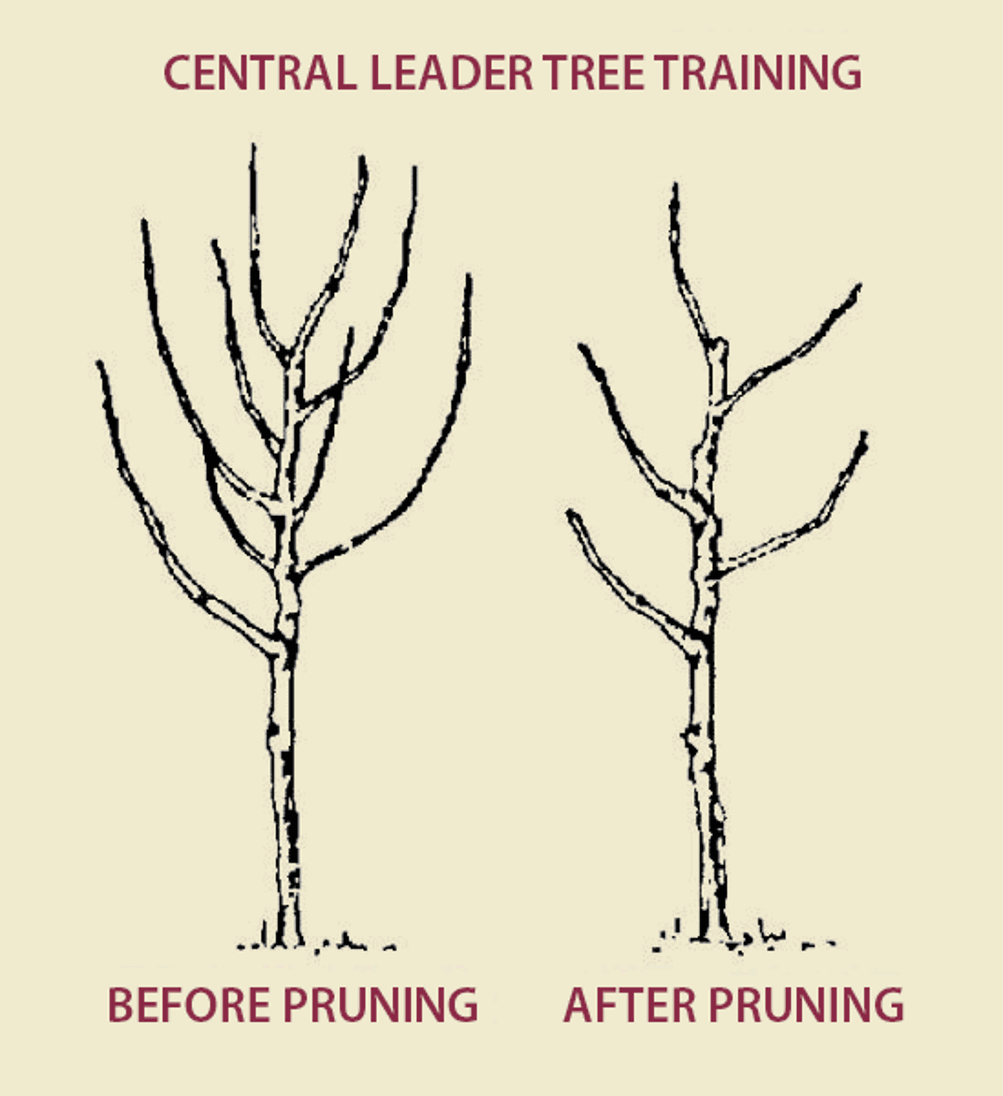
Credit: www.starkbros.com
Best Time To Prune Fruit Trees
Pruning fruit trees is important for their health and fruit production. Knowing the right time to prune helps trees grow strong and produce more fruit.
Timing depends on the season, tree growth cycle, and local climate. Each factor affects when you should prune your fruit trees.
Seasonal Considerations
Pruning is best done during certain seasons to avoid harming the tree. Late winter and early spring are common times for pruning most fruit trees.
- Late winter pruning helps trees heal before new growth.
- Spring pruning can shape young trees after growth starts.
- Summer pruning controls size and removes dead branches.
- Avoid pruning in fall to prevent frost damage.
Tree Dormancy And Growth Cycles
Fruit trees go through dormant and active growth phases. Pruning during dormancy reduces stress and encourages healthy growth.
| Growth Phase | Best Pruning Time | Reason |
| Dormant (Winter) | Late winter | Tree is inactive; wounds heal faster |
| Active Growth (Spring-Summer) | Early spring or summer | Prune for shape and size control |
| Dormant (Fall) | Not recommended | Risk of frost damage and disease |
Climate Impact On Pruning Timing
Local climate changes the best pruning time. Warm climates may allow earlier pruning. Cold climates need later pruning to avoid frost.
Consider these points for climate-related pruning:
- In mild climates, prune in late winter or early spring.
- In cold areas, wait until frost risk passes.
- In very hot regions, prune in cooler months to reduce stress.
- Adjust pruning times based on yearly weather patterns.

Credit: www.givinggrove.org
Pruning By Tree Type
Pruning fruit trees helps them grow healthy and produce good fruit. Different trees need pruning at different times. Knowing when to prune each type makes care easier.
Here is a guide to pruning times for apple, pear, stone fruits, and citrus trees. Follow these tips for the best results.
Apple And Pear Trees
Prune apple and pear trees in late winter or early spring. Do this before buds start to swell. This timing helps the tree heal quickly and grow well.
Remove dead or crossing branches and thin out crowded areas. This allows sunlight and air to reach all parts of the tree.
- Prune in late winter or early spring
- Cut dead or crossing branches
- Thin crowded branches for light and air
Stone Fruits Like Peach And Plum
Stone fruits need pruning in late winter, before they bloom. Prune after the coldest weather ends but before spring growth begins.
Cut back long branches to keep the tree open. This helps the fruit get sunlight and reduces disease risk.
- Prune in late winter before bloom
- Remove dead or damaged wood
- Keep the tree open by shortening branches
Citrus Trees
Prune citrus trees in early spring after the last frost. Light pruning throughout the year also helps shape the tree.
Remove any dead or weak branches. Avoid heavy pruning, as citrus trees can be sensitive to big cuts.
- Prune in early spring after frost
- Light pruning during the year is good
- Remove dead or weak branches only
- Avoid heavy cuts to prevent stress
Tools And Techniques
Pruning fruit trees helps them grow strong and produce more fruit. Using the right tools and methods is important for good results.
Knowing how to prune safely and correctly protects both the tree and the person doing the work.
Essential Pruning Tools
You need several tools to prune fruit trees well. Each tool has a specific use.
- Hand pruners for small branches and twigs
- Loppers for medium-sized branches
- Pruning saw for thick branches
- Gloves to protect your hands
- Safety glasses to shield your eyes
Proper Cutting Methods
Cut branches at the right angle and place. This helps the tree heal fast and stay healthy.
| Cut Type | Description |
| Thinning Cut | Remove whole branches at the base to improve air flow. |
| Heading Cut | Cut a branch partway to encourage new growth. |
| Flush Cut | Cut close to the trunk without damaging it. |
Safety Tips For Pruning
Stay safe to avoid injuries while pruning fruit trees. Follow these tips every time.
- Wear gloves and eye protection
- Keep tools sharp and clean
- Use a stable ladder if needed
- Cut branches away from your body
- Do not prune during wet or windy weather
Pruning Objectives
Pruning fruit trees helps keep them healthy and productive. It shapes the tree and improves fruit growth.
Good pruning focuses on three main goals. These goals help you decide when and how to prune.
Improving Fruit Quality
Pruning removes weak or crowded branches. This allows the tree to focus energy on producing better fruit.
Thinning branches also helps fruits grow larger and taste sweeter. It reduces disease risks on the fruit.
Enhancing Sunlight Penetration
Cutting back dense branches lets sunlight reach inside the tree. Sunlight is needed for healthy fruit development.
Better sunlight also helps leaves make food for the tree. It reduces mold and pest problems by drying the tree faster.
- Open the center of the tree
- Remove crossing branches
- Thin out crowded areas
Controlling Tree Size And Shape
Pruning keeps trees at a manageable size. It makes harvesting fruit easier and safer.
Shaping the tree improves air flow and sunlight. It also helps the tree grow strong and balanced.
- Cut back tall branches
- Keep a strong main framework
- Remove damaged or weak limbs
Signs Tree Needs Pruning
Pruning fruit trees is essential for their health and productivity. Recognizing the signs that a tree needs pruning helps maintain its shape and vigor.
Observing your fruit trees regularly can help you spot when they need attention. Key signs include dead branches, overcrowded canopies, and weak limbs.
Dead Or Diseased Branches
Dead or diseased branches are a clear indication that pruning is necessary. These branches can spread disease and pests if not removed promptly.
- Look for branches with no leaves or buds
- Check for signs of rot or fungus
- Remove branches that are brittle and break easily
Overcrowded Canopy
An overcrowded canopy blocks sunlight and air circulation. This can lead to reduced fruit production and a higher chance of disease.
Weak Or Crossing Limbs
Weak or crossing limbs can rub against each other, causing damage. This can lead to infections and weaken the overall structure of the tree.
| Sign | Action Required |
| Crossing limbs | Prune one of the limbs |
| Weak branches | Support or remove |
| Deadwood | Cut away completely |
Common Pruning Mistakes
Pruning fruit trees helps them grow strong and produce fruit. But pruning the wrong way can harm the tree. Learning common mistakes can save your tree.
Many people prune too much or at the wrong time. Others forget to check the tree’s health first. Knowing what to avoid keeps your tree healthy and fruitful.
Over-pruning Risks
Cutting away too many branches can stress a fruit tree. Over-pruning removes too many leaves that make food through photosynthesis. This weakens the tree and lowers fruit production.
- Leaves create energy for the tree
- Too many cuts cause poor growth
- Over-pruned trees are more likely to get diseases
- Heavy pruning may cause sunburn on bark
Incorrect Timing
Pruning at the wrong time can harm fruit trees. Cutting branches in late fall or winter may cause damage. Pruning too early in spring can remove flower buds and reduce fruit.
| Season | Pruning Effect |
| Late Fall/Winter | Risk of cold damage |
| Early Spring | Loss of flower buds |
| Late Spring/Summer | Best time for shaping |
Ignoring Tree Health
Pruning without checking tree health can spread diseases. Cutting diseased or weak branches may infect the whole tree. Always inspect the tree before pruning.
Here are tips to protect tree health when pruning:
- Use clean, sharp tools
- Disinfect tools between trees
- Remove dead or diseased wood first
- Do not prune during wet weather
Aftercare Following Pruning
Pruning fruit trees helps them grow better and produce more fruit. After pruning, proper care is important for tree recovery.
Understanding the right aftercare steps ensures your fruit trees stay healthy and strong.
Wound Treatment
After pruning, treat tree wounds to prevent disease. Use a wound dressing if the cuts are large.
Small cuts usually heal without treatment. Make sure tools are clean to avoid infection.
Watering And Fertilizing
Water the trees regularly, especially if the weather is dry. Ensure the soil stays moist but not waterlogged.
Fertilize the trees in spring to help them recover. Choose a balanced fertilizer suited for fruit trees.
- Water once a week during dry spells
- Use a slow-release fertilizer
- Apply mulch to retain soil moisture
Monitoring Tree Recovery
Watch the trees for signs of stress or disease. Check for new growth to ensure the tree is recovering well.
Address any problems early to keep the trees healthy. Regular monitoring helps you catch issues before they worsen.
| Check for: | What to do: |
| Yellow leaves | Adjust watering and check soil drainage |
| Slow growth | Ensure proper sunlight and nutrients |
| Pest damage | Use safe pest control methods |

Credit: www.reddit.com
Frequently Asked Questions
When Is The Best Time To Prune Fruit Trees?
The best time to prune fruit trees is during late winter or early spring. This timing helps avoid frost damage and encourages healthy growth. Pruning before new growth starts improves fruit production and tree shape.
How Often Should Fruit Trees Be Pruned?
Fruit trees should be pruned once a year, preferably in late winter. Regular annual pruning maintains tree health, improves air circulation, and boosts fruit quality. Avoid heavy pruning during the growing season.
Can Pruning Fruit Trees Affect Fruit Yield?
Yes, proper pruning directly impacts fruit yield. It removes dead or weak branches, allowing sunlight and nutrients to reach healthy parts. Correct pruning encourages bigger, better-quality fruits and increases overall harvest.
Should I Prune Fruit Trees In Summer?
Summer pruning is possible but should be minimal. It helps control tree size and remove water sprouts. However, heavy summer pruning can stress the tree and reduce fruit production.
Conclusion
Pruning fruit trees at the right time keeps them healthy and strong. It helps trees grow better and produce more fruit. Cut branches carefully to avoid harm and encourage new growth. Avoid pruning during extreme cold or hot weather. Regular care makes your fruit trees last longer and stay productive.
Remember, healthy trees mean tasty fruit every season. Keep your garden thriving with smart pruning habits. Simple steps lead to great results.

