
Are you wondering if you should test your soil every year to keep your lawn healthy and green? You might think it’s an extra chore, but knowing what’s in your soil can make a huge difference in how well your grass grows.
Imagine having a lawn that stays lush all season without wasting time or money on the wrong treatments. You’ll discover why soil testing could be the key to unlocking your lawn’s full potential—and whether it’s something you really need to do annually.
Keep reading to find out how a simple test can save you headaches and help your lawn thrive like never before.
Benefits Of Annual Soil Testing
Testing your soil every year helps keep your lawn healthy. It shows what nutrients your soil needs.
Annual soil tests guide your lawn care choices. They prevent problems before they start.
Improving Lawn Health
Soil testing reveals the pH and nutrient balance in your soil. This information helps you choose the right treatments for your lawn.
- Encourages strong root growth
- Helps grass resist diseases
- Improves lawn color and thickness
- Supports even water absorption
Identifying Nutrient Deficiencies
Annual tests show which nutrients are missing or low. This stops you from guessing what your lawn needs.
| Nutrient | Effect if Deficient |
| Nitrogen | Pale color, slow growth |
| Phosphorus | Weak roots, poor seedling growth |
| Potassium | Less disease resistance |
| Magnesium | Yellowing leaves |
Preventing Over-fertilization
Too much fertilizer can harm grass and pollute water. Soil tests tell you exactly how much to use.
Benefits of proper fertilization:
- Reduces lawn burn risks
- Protects nearby plants and animals
- Saves money by using only needed fertilizer

Credit: fairwaylawns.com
When To Test Your Soil
Testing your soil helps keep your lawn healthy. It shows what nutrients your soil needs.
Knowing the right time to test soil can save you time and money on lawn care.
Best Time Of Year
The best time to test soil is before new grass grows. This is usually in early spring or fall.
Testing in these seasons helps you add the right nutrients at the right time.
- Early spring, before grass starts growing
- Fall, after the summer heat ends
- Before planting new grass or making big changes
Signs Your Soil Needs Testing
Look for signs that show your soil may lack nutrients or have other problems.
| Sign | What It Means |
| Grass is yellow or pale | Soil may lack nitrogen |
| Patchy or thin grass | Soil may be compacted or missing nutrients |
| Weeds growing quickly | Soil balance may be off |
| Soil feels hard or dusty | Needs testing for pH and structure |
How To Test Soil For Lawn Care
Testing your soil helps keep your lawn healthy. It shows what nutrients your grass needs.
Good soil testing leads to better lawn care. You can adjust fertilizers and watering correctly.
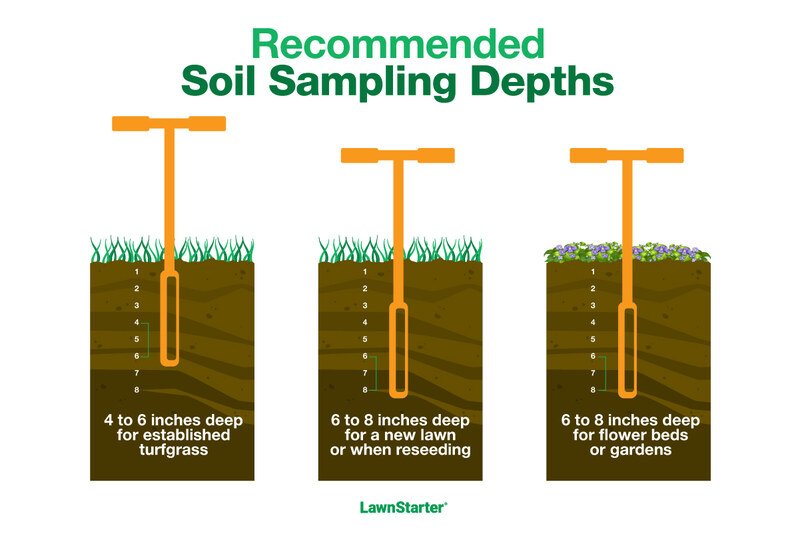
Collecting Soil Samples
Take soil samples from different lawn areas. Avoid spots with unusual growth or damage.
- Use a clean shovel or soil probe
- Dig 4 to 6 inches deep
- Collect small samples from several spots
- Mix samples in a clean container
- Remove grass, roots, and stones
Choosing A Testing Method
You can test soil at home or send samples to a lab. Each has different accuracy and cost.
| Testing Method | Cost | Accuracy | Time |
|---|---|---|---|
| Home Test Kit | Low | Basic | Minutes |
| Laboratory Test | Medium to High | High | Days to Weeks |
Interpreting Test Results
Look for pH levels and nutrient content. These affect grass growth and color.
- pH below 6.0 means soil is acidic
- pH above 7.5 means soil is alkaline
- Low nitrogen causes yellow grass
- Low phosphorus slows root growth
- Low potassium weakens grass stress resistance

Credit: www.reddit.com
Adjusting Lawn Care Based On Results
Testing your soil each year helps you understand what your lawn needs. You can change your lawn care to keep grass healthy and green.
Use soil test results to choose the right products and treatments. This way, you avoid wasting money and protect the environment.
Fertilizer Selection
Soil tests show which nutrients are missing. Choose fertilizers that add only those nutrients. This keeps your lawn balanced.
Using the right fertilizer improves grass growth and color. Avoid too much nitrogen to prevent burning your lawn.
- Look for nitrogen, phosphorus, and potassium levels
- Pick slow-release fertilizers for steady feeding
- Match fertilizer type to your soil’s needs
Ph Level Corrections
Soil pH affects how plants absorb nutrients. Test results tell if your soil is too acidic or alkaline. Adjust pH to help grass grow better.
Add lime to raise pH if soil is acidic. Add sulfur to lower pH if soil is alkaline. Correct pH improves nutrient use.
- Ideal lawn pH is usually between 6.0 and 7.0
- Apply lime or sulfur based on soil test recommendations
- Retest soil after treatment to check changes
Amending Soil Composition
Soil tests show texture and organic matter levels. Add compost or sand to improve soil structure. Good soil helps roots grow strong.
Organic matter holds moisture and nutrients. Sand improves drainage in heavy clay soils. Adjust soil to fit your lawn’s needs.
- Add organic compost for better soil fertility
- Use sand to loosen clay soils
- Mix amendments well into topsoil
Cost And Convenience Factors
Testing your soil is important for healthy lawn care. It helps you know what nutrients your soil needs. Cost and convenience affect how often you test your soil.
There are different ways to test soil. You can hire a professional or do it yourself. Each has its own price and effort involved.
Professional Vs Diy Testing
Professional soil testing gives detailed results. Experts collect samples and analyze them in a lab. This option costs more but saves time and effort.
DIY testing kits are cheaper and easy to use. You collect soil samples and test them at home. The results are less detailed but still helpful for basic lawn care.
- Professional testing:Higher cost, detailed results, less effort
- DIY testing:Lower cost, basic results, more effort
Frequency Recommendations
How often you test soil depends on your lawn needs and budget. Some lawns need yearly checks. Others do well with less frequent tests.
| Testing Frequency | Cost Impact | Convenience |
| Every year | High | Low convenience |
| Every 2-3 years | Medium | Moderate convenience |
| Every 4-5 years | Low | High convenience |
Regular testing helps avoid costly lawn problems later. Balance your budget and time when deciding how often to test soil.
Common Mistakes To Avoid
Testing your lawn soil every year is important. It helps keep your lawn healthy. But many people make mistakes with soil testing.
Here are common errors to avoid for better lawn care. Pay attention to these points to ensure your soil supports a lush, green lawn.
Ignoring Soil Tests
Some people skip soil tests, assuming their lawn is fine. This can lead to poor lawn health. Soil tests show what your lawn needs.
- Test soil to know nutrient levels.
- Understand soil pH for better growth.
- Use test results to plan fertilization.
Misreading Results
Reading soil test results can be confusing. Misinterpreting data can lead to wrong actions. Make sure you understand what the numbers mean.
Consult with a local expert if results are unclear.
Inconsistent Testing Practices
Testing soil at different times gives mixed results. Be consistent with when and how you test your soil.
| Testing Time | Recommended Practice |
| Spring | Test before applying fertilizer |
| Fall | Test to prepare for winter care |

Credit: www.familyhandyman.com
Frequently Asked Questions
How Often Should I Test Soil For Lawn Care?
Testing soil annually is ideal for maintaining lawn health. It helps track nutrient levels and pH changes. Regular testing ensures proper fertilization and prevents nutrient imbalances. This practice promotes a lush, green lawn and avoids costly problems.
What Benefits Come From Yearly Soil Testing?
Yearly soil tests reveal nutrient deficiencies and pH imbalances. They guide precise fertilizer application and improve soil structure. This leads to healthier grass and reduces weed growth. Testing also prevents over-fertilization, protecting the environment.
Can Soil Testing Improve Lawn Growth?
Yes, soil testing identifies specific nutrient needs for your lawn. It helps you apply the right fertilizers and amendments. This targeted care boosts grass growth, color, and resilience. Testing ensures your lawn thrives in its unique soil conditions.
Is Soil Testing Necessary For All Lawn Types?
All lawn types benefit from soil testing, regardless of grass species. Different soils have varying nutrient levels and pH, affecting growth. Testing tailors care to your lawn’s needs. This ensures optimal health and appearance year-round.
Conclusion
Testing your soil every year helps keep your lawn healthy and strong. It shows what nutrients your grass needs to grow well. You can avoid problems like weak grass or yellow patches. Regular testing saves money on unnecessary fertilizers. It also protects the environment by preventing chemical overuse.
Simple soil tests give clear results you can trust. Take care of your lawn with yearly soil checks. Small steps make a big difference in lawn care. Why guess, when you can know?
