
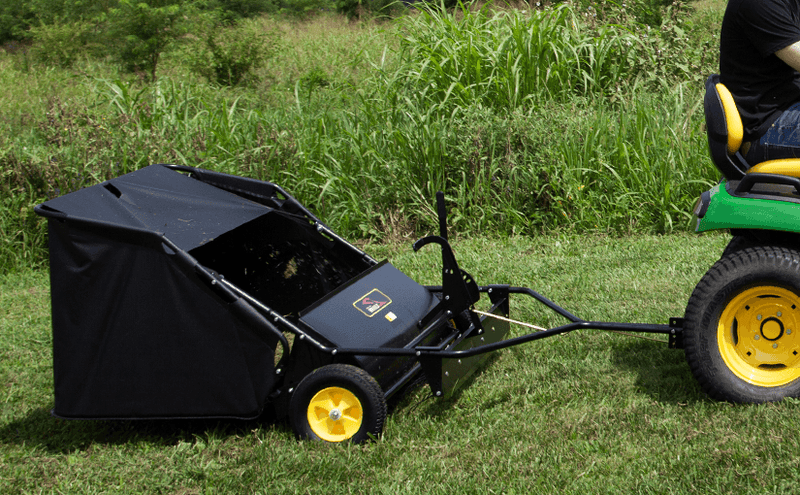
Are you tired of spending hours cleaning leaves, grass clippings, and debris from your lawn? Imagine a tool that makes this chore quick and effortless.
That’s where a lawn sweeper comes in. But what exactly does a lawn sweeper do, and how can it make your yard work easier? Keep reading to discover how this handy device can save you time and keep your lawn looking its best—all without the hassle.
Your perfect lawn is just a few minutes away!
Lawn Sweeper Basics
A lawn sweeper is a helpful tool for keeping your yard clean. It picks up leaves, grass clippings, and small debris from your lawn. Using a lawn sweeper saves time and effort compared to raking by hand.
Understanding how a lawn sweeper works and the different types available can help you choose the right one for your needs. This guide explains the basics of lawn sweepers.
How Lawn Sweepers Work
Lawn sweepers use rotating brushes to collect debris from the grass surface. The brushes spin as you push or pull the sweeper across the lawn. The debris is then swept up into a collection hopper or bag.
- Rotating brushes sweep leaves and grass clippings into a hopper
- The hopper collects and holds the debris until emptied
- Brushes adjust to different heights for various grass lengths
- Some models are pushed by hand; others attach to lawn tractors
Types Of Lawn Sweepers
| Type | Description | Best For |
|---|---|---|
| Push Lawn Sweeper | Operated by pushing manually across the lawn | Small to medium-sized yards |
| Tow-Behind Lawn Sweeper | Attached to a lawn tractor or ATV for easier use | Large yards and properties |
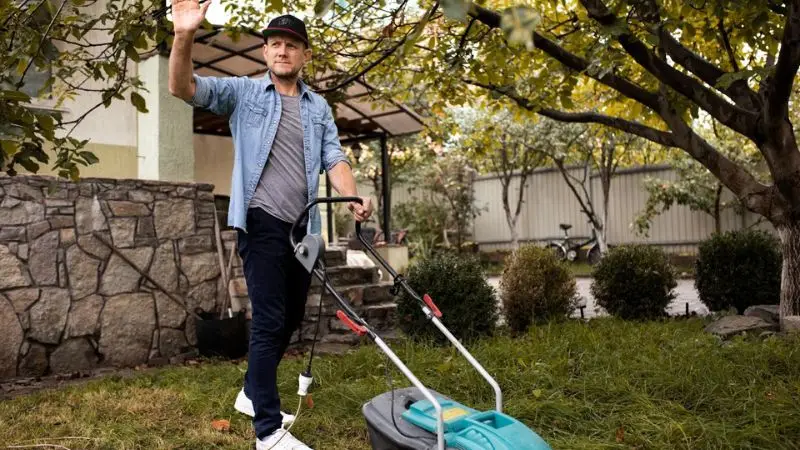
| Electric Lawn Sweeper | Powered by electricity, either corded or battery | Medium yards; reduces physical effort |
Credit: www.vevor.com
Key Benefits For Yard Care
A lawn sweeper helps keep your yard clean by removing leaves and debris. It is a useful tool for maintaining a tidy lawn without much effort.
Using a lawn sweeper regularly can improve the overall health and appearance of your grass. It saves time compared to manual raking.
Efficient Debris Removal
A lawn sweeper picks up leaves, twigs, and grass clippings quickly and evenly. It works well on large areas and uneven ground.
- Collects debris without damaging the grass
- Works faster than raking by hand
- Reduces the need for multiple cleanup tools
- Easy to empty and maintain
Improved Lawn Health
Removing debris lets sunlight, air, and water reach the grass better. This helps grass grow stronger and greener.
| Benefit | Effect on Lawn |
| Leaf Removal | Prevents mold and fungus growth |
| Grass Clipping Collection | Reduces thatch buildup |
| Twigs and Small Branches | Stops damage to lawn mower blades |
Time-saving Advantages
Using a lawn sweeper cuts down the time spent on yard cleanup. It allows you to finish chores faster and enjoy more free time.
Benefits of time-saving with a lawn sweeper:
- Clears large yards quickly
- Requires less physical effort than raking
- Enables regular yard maintenance with ease
Enhancing Lawn Appearance
A lawn sweeper helps keep your yard clean and neat. It collects leaves, grass clippings, and debris quickly.
Using a lawn sweeper improves how your lawn looks and feels. It makes outdoor spaces more pleasant to enjoy.
Cleaner, Tidier Lawns
A lawn sweeper removes leaves and twigs from your grass. This keeps the lawn free from clutter all year.
Cleaning your lawn often helps grass grow better. It stops dead material from blocking sunlight and water.
- Collects fallen leaves and pine needles
- Removes grass clippings after mowing
- Clears small sticks and debris
Preparation For Lawn Treatments
Before applying fertilizer or seed, a clean lawn helps treatments work well. A sweeper clears the surface.
Removing debris allows products to reach the soil easily. This makes your lawn healthier and greener.
- Clears debris for better fertilizer contact
- Prepares soil for overseeding
- Improves water absorption after treatment
Credit: www.vevor.com
Choosing The Right Lawn Sweeper
A lawn sweeper helps clean leaves, grass clippings, and debris from your yard. Choosing the right one saves time and effort.
Think about your lawn size and how much debris you usually collect before buying. This guide will help you decide.
Size And Capacity Considerations
Pick a sweeper size that fits your lawn area. A large hopper holds more debris and reduces emptying time.
Small hoppers work well for tiny yards but need frequent emptying. Big hoppers suit big lawns and heavy leaves.
- Small hopper: best for yards under 5,000 sq ft
- Medium hopper: good for 5,000 to 10,000 sq ft
- Large hopper: ideal for lawns over 10,000 sq ft
Manual Vs. Tow-behind Models
Manual sweepers need you to push them. They work well for small to medium lawns.
Tow-behind models attach to a lawn tractor or ATV. They cover large areas faster and need less effort.
- Manual: easy to use, no extra equipment needed
- Tow-behind: best for big yards, requires tractor or ATV
- Manual models are lighter and cheaper
- Tow-behind models handle more debris in one go
Maintenance Tips For Longevity
A lawn sweeper helps keep your yard clean by picking up leaves and debris. To make it last longer, regular care is important. You can avoid many problems with simple cleaning and proper storage.
Following some basic maintenance tips can keep your lawn sweeper working well for many years. This guide covers key steps for cleaning, storing, and fixing common issues.
Cleaning And Storage
Cleaning your lawn sweeper after each use stops dirt and debris from building up. Proper storage protects it from weather damage and rust.
- Remove all leaves, grass, and dirt from brushes and hopper.
- Use a brush or cloth to clean hard-to-reach areas.
- Check for stuck debris that might block moving parts.
- Dry the sweeper thoroughly before storing it.
- Store it in a dry, covered area away from rain and sun.
- Cover the sweeper with a tarp or protective cover if outside storage is necessary.
Common Repairs
Small repairs keep your lawn sweeper working smoothly. Fixing issues early prevents bigger problems and costly replacements.
| Problem | Cause | Solution |
|---|---|---|
| Brushes not spinning | Debris stuck or worn brushes | Clean brushes; replace if worn |
| Wheels not turning smoothly | Dirt buildup or damaged bearings | Clean wheels; lubricate or replace bearings |
| Hopper not emptying properly | Blocked chute or jammed parts | Clear chute; check and free jammed parts |
| Loose or missing bolts | Vibration during use | Tighten bolts; replace missing ones |

Credit: www.familyhandyman.com
Frequently Asked Questions
What Is The Main Purpose Of A Lawn Sweeper?
A lawn sweeper efficiently collects leaves, grass clippings, and debris. It helps keep lawns clean and healthy by removing waste that can smother grass and promote pests.
How Does A Lawn Sweeper Work?
A lawn sweeper uses rotating brushes to sweep debris into a collection hopper. The brushes spin as you push or tow the sweeper across your lawn, gathering debris without damaging grass.
Can A Lawn Sweeper Replace Raking?
Yes, a lawn sweeper is a faster and less labor-intensive alternative to raking. It covers large areas quickly and reduces strain on your back and arms.
Is A Lawn Sweeper Suitable For All Lawn Types?
Lawn sweepers work best on medium to large lawns with grass, leaves, and light debris. They may struggle on very uneven or wet ground but are versatile for most yards.
Conclusion
A lawn sweeper helps keep your yard clean and tidy. It picks up leaves, grass clippings, and small debris quickly. Using one saves time and effort compared to raking. It works best on dry grass and flat areas. Regular use keeps your lawn healthy and neat.
Choosing the right lawn sweeper depends on your yard size. Simple to use and maintain, it suits many homeowners. Consider adding a lawn sweeper to your garden tools. You’ll notice the difference in your lawn’s appearance. Clean lawns look better and feel more comfortable.
