
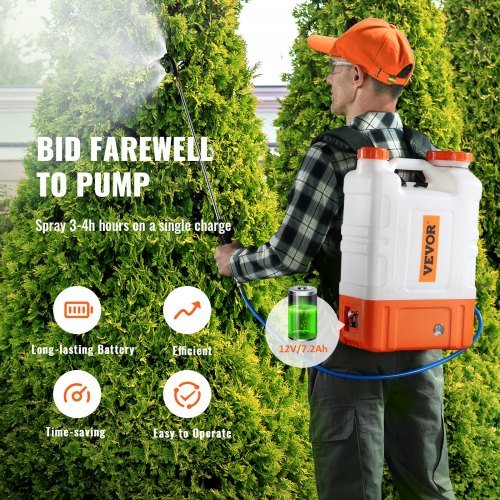
Have you ever wondered just how far a backpack sprayer can spray? Whether you’re tackling weeds in your garden or applying fertilizer across your lawn, knowing the reach of your sprayer is key.
Imagine covering more ground with less effort and making every drop count. You’ll discover the real distance your backpack sprayer can cover, tips to maximize its spray range, and how to get the best results every time. Keep reading to unlock the secrets that will make your spraying tasks easier and more efficient.
Backpack Sprayer Basics
Backpack sprayers help spread liquids like pesticides or fertilizers. They are easy to carry and use in gardens or farms. Knowing how far they spray helps you work better.
This guide explains different types of backpack sprayers and what parts affect how far the spray goes.
Types Of Backpack Sprayers
There are several kinds of backpack sprayers. Each type works a bit differently and sprays at different distances.
- Manual Pump Sprayers:You pump a handle to build pressure. They are simple and cheap but may spray shorter distances.
- Battery-Powered Sprayers:These use a motor to push the spray. They spray farther and need less effort.
- Compressed Air Sprayers:You fill a tank with air pressure before spraying. They give a steady spray and good reach.
- Gas-Powered Sprayers:These have an engine to pump the liquid. They spray the farthest and are used for large areas.
Key Components Affecting Spray Distance
The spray distance depends on parts inside the sprayer. These parts control pressure and how the liquid leaves the nozzle.
| Component | Effect on Spray Distance |
|---|---|
| Pump | Creates pressure to push liquid out farther |
| Nozzle | Controls spray pattern and distance |
| Hose | Affects flow rate and pressure loss |
| Tank | Holds liquid; size does not affect distance but affects work time |
| Pressure Gauge | Helps monitor pressure for consistent spray |
Factors Influencing Spray Distance
The spray distance of a backpack sprayer depends on many factors. Each part of the sprayer and the environment affect how far the liquid travels. Understanding these factors helps in using the sprayer correctly.
Here are the main factors that influence how far a backpack sprayer sprays.
Nozzle Design And Size
The nozzle controls the shape and size of the spray. Different designs produce different spray patterns, such as a fine mist or a strong jet. The size of the nozzle opening also affects the spray reach.
Small nozzles create finer droplets that travel shorter distances. Large nozzles produce bigger droplets that can spray farther.
Pressure And Pump Mechanism
Pressure pushes the liquid out of the nozzle. Stronger pressure means the spray can reach farther. The pump mechanism controls the pressure inside the sprayer tank.
- Manual pumps need steady pumping to keep pressure.
- Battery-powered pumps give a constant pressure.
- Higher pressure helps spray cover larger areas.
Liquid Viscosity And Composition
Thick liquids or those with particles spray differently than water. Viscous liquids flow slower and may not spray as far. Chemicals mixed in the liquid can also change how it spreads.
| Liquid Type | Viscosity | Effect on Spray Distance |
| Water | Low | Sprays farthest |
| Oil-based solution | Medium | Sprays medium distance |
| Thick chemical mix | High | Sprays shortest distance |
Environmental Conditions
Wind, temperature, and humidity affect spray distance. Wind can carry spray farther or cause drift. Hot temperatures can make spray evaporate quickly. High humidity helps droplets stay intact.
- Spray on calm days for better control.
- Avoid spraying in strong wind.
- Early morning or late evening sprays reduce evaporation.
Typical Spray Distances
Backpack sprayers help spread liquids like pesticides or fertilizers. Knowing how far they spray is important for good coverage.
Spray distance depends on the sprayer type and pressure. Let’s look at common ranges for different backpack sprayers.
Low-pressure Sprayers
Low-pressure sprayers use less force to spray liquids. They spray gently and cover short distances.
These sprayers usually reach about 3 to 6 feet. They work well for close plants and small garden areas.
High-pressure Sprayers
High-pressure sprayers push liquid out with strong force. They can spray farther than low-pressure models.
These sprayers often reach 10 to 15 feet. They cover larger areas quickly and work for tall plants.
- Good for wide garden beds
- Useful for spraying trees and shrubs
- Better for windy conditions due to strong spray
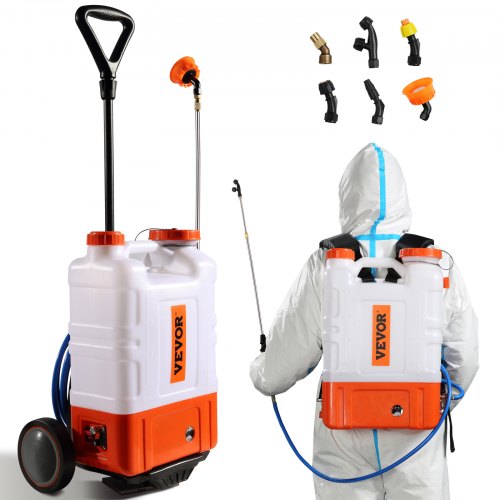
Battery-powered Models
Battery-powered sprayers use electric pumps to spray liquids. Their spray distance varies by model and battery power.
Typical spray ranges are from 6 to 12 feet. They offer good control and are easy to use for many tasks.
- Some models reach up to 15 feet
- Good for both small and medium gardens
- Offer steady spray without manual pumping
Credit: www.vevor.com
Techniques To Maximize Spray Reach
Backpack sprayers help spread liquids over plants or surfaces. Knowing how to get the best spray reach saves time and effort.
This guide covers nozzle settings, pressure, and chemical choices. These tips will improve how far your sprayer covers.
Adjusting Nozzle Settings
You can change the nozzle to control spray pattern and distance. A narrow spray goes farther, while a wide spray covers more area.
- Use a cone or jet nozzle for longer reach.
- Check for clogs and clean nozzles often.
- Adjust spray angle to target areas better.
- Change nozzle size based on the liquid viscosity.
Maintaining Optimal Pressure
Pressure affects how far the spray travels. Too low pressure reduces distance, too high can cause drift and waste.
| Pressure Level (psi) | Effect on Spray |
| 10-20 | Short reach, coarse droplets |
| 20-40 | Good reach, fine droplets |
| 40-60 | Maximum reach, risk of drift |
Keep the pump steady to maintain constant pressure. Check seals and hoses for leaks that lower pressure.
Choosing Suitable Chemicals
The type of chemical affects spray distance. Some liquids are thicker and spray shorter. Others evaporate fast and drift easily.
- Use low-viscosity liquids for longer spray reach.
- Mix chemicals according to instructions for best flow.
- Avoid very volatile chemicals on windy days.
- Choose formulations designed for spraying.
Safety And Efficiency Tips
Using a backpack sprayer safely helps protect you and the environment. It also makes your spraying more effective.
Follow simple steps to avoid waste and keep yourself safe while spraying.
Avoiding Drift And Overspray
Drift and overspray happen when spray moves beyond the target area. This wastes chemicals and can harm nearby plants or people.
- Spray on calm days with low wind.
- Keep the nozzle close to the target surface.
- Use nozzles that create larger droplets.
- Adjust pressure to reduce spray mist.
- Avoid spraying near water or sensitive areas.
Proper Calibration
Calibrating your backpack sprayer ensures the right amount of chemical reaches the plants. This saves product and protects plants.
| Calibration Step | What to Do |
|---|---|
| Measure Output | Spray into a container for one minute and measure the amount. |
| Calculate Coverage | Mark a test area and spray it to see how much area you cover per minute. |
| Adjust Pressure | Change sprayer pressure to get the correct output for your target area. |
| Check Nozzles | Clean or replace nozzles to keep spray uniform. |
Protective Gear Recommendations
Wear the right gear to protect your skin, eyes, and lungs from chemicals.
- Long-sleeve shirt and long pants.
- Waterproof gloves.
- Safety goggles or glasses.
- Respirator or mask for fine sprays.
- Closed-toe shoes or boots.

Credit: barndoorag.com
Common Problems And Solutions
Backpack sprayers are useful tools for gardeners and farmers. They make spraying large areas easier and more efficient.
Sometimes, users face problems with their backpack sprayers. Here are common issues and how to solve them.
Clogged Nozzles
Nozzles can get clogged with dirt or debris. This prevents the sprayer from working correctly.
- Always clean the nozzle after use
- Use a brush to remove debris
- Check for blockages before spraying
Pressure Loss
Pressure loss affects how far the sprayer can spray. It can be caused by leaks or worn-out parts.
| Problem | Solution |
| Leaky seals | Replace seals |
| Worn pump | Check and replace pump |
| Loose connections | Tighten connections |
Uneven Spray Patterns
Uneven spray patterns can lead to poor coverage. This may result from incorrect settings or damaged parts.
To ensure even spray patterns:
- Adjust nozzle settings
- Inspect for wear and tear
- Replace damaged parts promptly
Innovations In Backpack Sprayer Technology
Backpack sprayers are used in gardens and farms. New technology makes them even better. They now spray farther and work longer.
These changes help in saving time and make spraying easier. Let’s look at some key innovations in backpack sprayer technology.
Smart Sprayers
Smart sprayers have sensors and apps. They help control spraying more precisely. This technology ensures even coverage and reduces waste.
Some smart sprayers can connect to your phone. You can monitor the spraying and adjust settings quickly.
Improved Battery Life
Battery life in backpack sprayers has improved. They can now run for longer periods without charging. This is useful for large areas.
New batteries are lighter and more efficient. This makes carrying the sprayer less tiring for users.
Enhanced Nozzle Designs
Nozzle designs have changed a lot. They now offer different spray patterns for various tasks. This allows for better control over the spray.
- Flat fan nozzles for even coverage
- Adjustable nozzles for different flow rates
- Drift reduction nozzles for windy days

Credit: www.petratools.com
Frequently Asked Questions
How Far Can A Backpack Sprayer Spray Liquids?
Backpack sprayers typically spray liquids between 10 to 20 feet. The exact distance depends on nozzle type and pressure.
What Affects The Spray Distance Of A Backpack Sprayer?
Spray distance depends on nozzle design, pump pressure, liquid viscosity, and wind conditions during use.
Can I Increase My Backpack Sprayer’s Spray Range?
Yes, adjusting nozzle size and pump pressure can increase spray distance. Choose nozzles designed for longer reach.
Is Spray Distance Important For Effective Spraying?
Spray distance ensures coverage and reduces overlap. Proper range improves efficiency and minimizes chemical waste.
Conclusion
A backpack sprayer can cover a good distance with each spray. The reach depends on the nozzle type and pressure used. You can spray plants, lawns, or gardens effectively with proper settings. Always check your equipment before use for the best results.
Spraying evenly saves time and product. Knowing how far your sprayer sprays helps you plan work better. Keep your sprayer clean and maintained to ensure consistent spray distance. This simple tool makes outdoor tasks easier and more efficient.
