
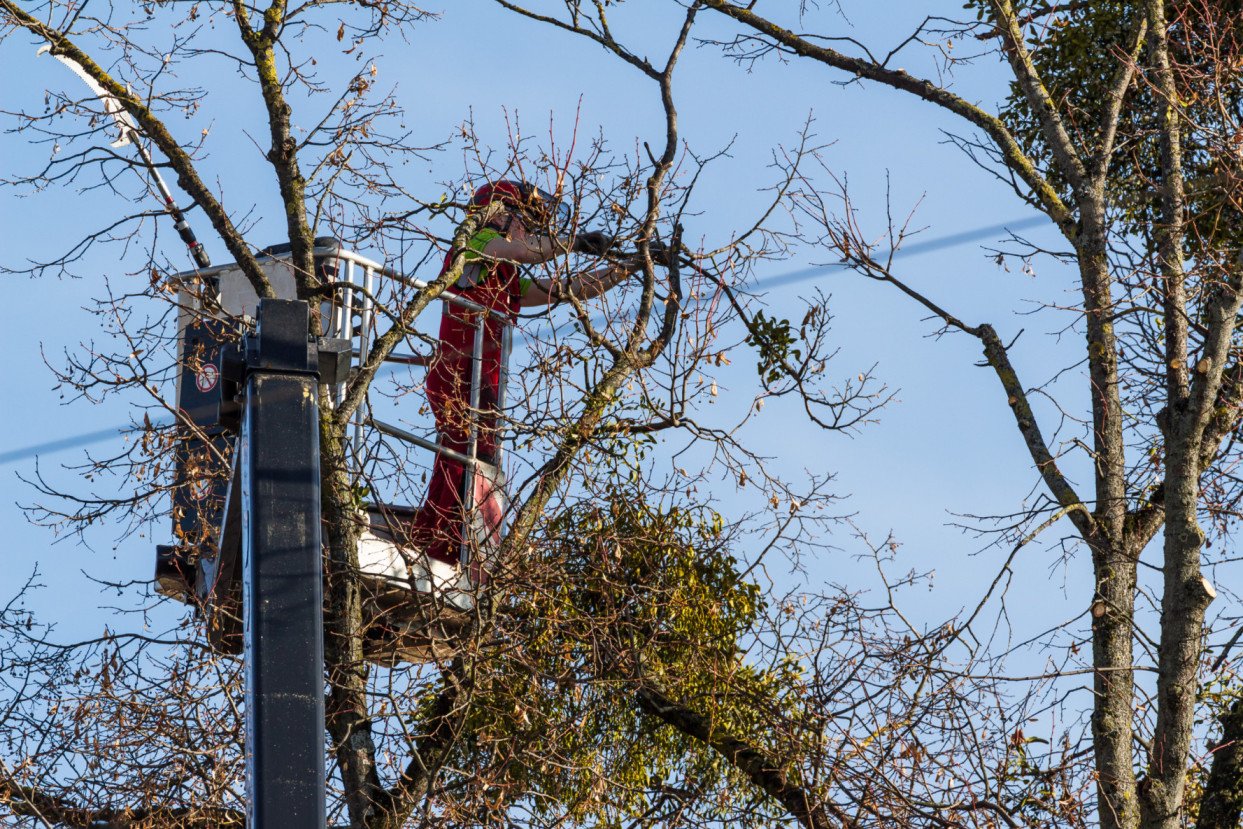
Have you ever noticed how some trees look fuller and healthier than others? The secret often lies in a technique called crown thinning.
If you want your trees to grow stronger, let in more sunlight, and stay safe during storms, understanding crown thinning is key. You’ll discover what crown thinning is, why it matters for your trees, and how it can transform your garden or yard.
Keep reading to learn how this simple practice can make a big difference to your trees’ health and beauty.
Crown Thinning Basics
Crown thinning is a tree care practice that removes some branches. This helps light and air reach inside the tree.
It focuses on cutting small branches evenly throughout the crown. This keeps the tree healthy and safe.
Purpose Of Crown Thinning
Crown thinning improves air flow and sunlight inside the tree. This reduces the risk of disease and pests.
It also lowers wind resistance. This helps prevent damage during storms. Thinning can improve the tree’s shape and appearance.
- Increase light and air circulation
- Reduce risk of disease and pests
- Lower wind resistance and storm damage
- Enhance tree shape and appearance
When To Thin Tree Crowns
Thin tree crowns during the tree’s dormant season. This is usually in late winter or early spring. Avoid thinning during heavy growth periods.
Thin the crown if branches are crowded or crossing. Also thin if the tree blocks too much light or airflow. Regular checks help decide the best time.
- Late winter or early spring is best
- When branches are crowded or crossing
- If tree blocks sunlight or airflow
- Check tree health regularly
Benefits For Tree Health
Crown thinning is a pruning technique that removes some branches in a tree’s canopy. This process helps improve the tree’s overall health.
By thinning the crown, trees get better air flow, more light, and lower chances of disease. These benefits keep the tree strong and healthy.
Improved Air Circulation
Removing some branches allows air to move freely through the tree’s canopy. Good air flow helps dry leaves and branches faster after rain.
Better air circulation reduces moisture buildup, which lowers the chance of fungal infections and other problems that harm trees.
Enhanced Sunlight Penetration
Thinning the crown lets sunlight reach deeper into the tree. Sunlight is important for photosynthesis and overall growth.
More light inside the canopy helps lower branches stay healthy and supports new leaf growth throughout the tree.
Reduced Risk Of Disease
Thinning removes crowded and weak branches. This reduces places where pests and diseases can hide and spread.
With fewer infections, the tree uses its energy to grow and stay strong instead of fighting diseases.
Techniques For Crown Thinning
Crown thinning helps trees stay healthy and strong. It means cutting some branches inside the tree’s crown.
This makes light and air flow better through the tree. Proper thinning also reduces wind damage and weight on branches.
Selective Branch Removal
Selective branch removal means picking specific branches to cut. Focus on weak, crowded, or crossing branches.
Remove branches that grow inward or rub against each other. This helps the tree grow stronger and look better.
- Cut dead or damaged branches first
- Remove branches that block sunlight
- Keep main branches with good shape
Avoiding Over-thinning
Do not cut too many branches. Over-thinning can stress the tree and slow its growth.
Only remove about 15% to 25% of the crown at one time. This keeps the tree healthy and safe from damage.
- Leave enough leaves to make food
- Keep the tree’s natural shape
- Check the tree after thinning to avoid problems
Tools Needed
Use the right tools for safe and clean cuts. Sharp tools help the tree heal faster.
- Pruning shears for small branches
- Loppers for medium-sized branches
- Hand saw or chainsaw for large branches
- Protective gloves and safety glasses
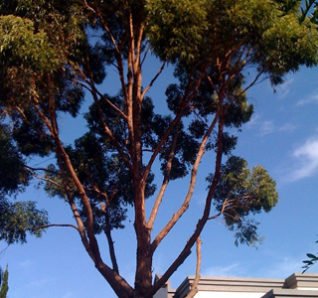
Credit: sydneytrees.com.au
Common Tree Species For Thinning
Crown thinning helps trees by removing some branches. This allows light and air to reach inside the tree.
Different tree species respond well to thinning. We will look at common deciduous trees and evergreens for thinning.
Deciduous Trees
Deciduous trees lose their leaves in fall. Thinning them improves health and reduces wind resistance.
Common deciduous trees for thinning include oak, maple, and birch. These trees grow dense crowns that benefit from thinning.
- Oak: Thinning helps prevent branch breakage.
- Maple: Thinning improves air flow and light.
- Birch: Thinning reduces risk of disease.
- Ash: Thinning supports strong branch growth.
Evergreens
Evergreens keep their needles all year. Thinning helps maintain shape and prevents overcrowding.
Common evergreens for thinning include pine, spruce, and fir. Thinning these trees keeps them healthy and strong.
- Pine: Thinning reduces risk of disease and pests.
- Spruce: Thinning improves light penetration inside the tree.
- Fir: Thinning supports healthy growth and air flow.
- Hemlock: Thinning helps prevent dense, heavy crowns.
Signs Your Tree Needs Thinning
Crown thinning helps keep trees healthy and balanced. It removes some branches to let light and air reach inside the tree.
Watch for signs that your tree needs thinning. Early action can prevent damage and improve growth.
Dense Foliage
When leaves and branches grow too thick, the tree’s inside parts get less sunlight. This can cause weak growth and disease.
- Leaves block sunlight from reaching inner branches.
- Air circulation slows down, increasing moisture.
- Branches may rub together and cause damage.
Broken Or Dead Branches
Branches that are broken, cracked, or dead can harm the tree. They may fall and damage property or people below.
| Branch Condition | Signs |
| Broken | Splits, cracks, or hanging parts |
| Dead | No leaves, brittle, dark color |
| Diseased | Discoloration, fungus, or unusual growths |
Poor Growth Patterns
Uneven or crowded growth can stress the tree. Some branches grow too long or cross each other.
Signs of poor growth include:
- Branches growing inward toward the trunk
- Multiple main stems competing for space
- Branches growing at sharp angles or crossing
- Weak or thin new shoots
Risks And Mistakes To Avoid
Crown thinning is a tree pruning method. It removes some branches to let light and air pass through. Mistakes in this process can harm trees.
Understanding common risks helps keep trees healthy and strong. Avoid these mistakes for better tree care.
Over-thinning Consequences
Over-thinning removes too many branches. This leaves the tree weak and stressed. It can lead to damage during storms.
Trees need enough leaves for photosynthesis. Removing too many leaves affects their growth and health.
- Weak branches break easily
- Less energy for the tree
- Increased risk of disease
Improper Timing Effects
Timing is crucial for crown thinning. Pruning at the wrong time can harm the tree. It affects flowering and fruit production.
Best times vary by tree species. Knowing the right season helps in avoiding stress to the tree.
- Reduced flowering
- Delayed growth
- Higher chance of pests
Damage From Incorrect Cuts
Incorrect cuts can damage tree bark. This opens the tree to diseases and pests. Clean cuts are important for healing.
Using the right tools is key. Sharp tools help make precise cuts and reduce harm.
- Infections through open wounds
- Poor wound closure
- Increased tree stress
Aftercare Following Thinning
Crown thinning in trees is a delicate process. It involves removing some branches to allow more light and air through the canopy. Aftercare is crucial to ensure the tree’s health and vitality.
Proper aftercare helps the tree recover swiftly and continue to thrive. Let’s explore essential aspects of aftercare.
Watering And Fertilizing
After crown thinning, trees need consistent watering. This helps them regain strength. Fertilizing supports new growth and replenishes nutrients.
- Water the tree deeply once a week.
- Use mulch to retain moisture in the soil.
- Apply a balanced fertilizer in early spring.
Monitoring Tree Recovery
Regular monitoring is essential after thinning. This ensures the tree is recovering well. Look for signs of new growth and healing cuts.
Check the tree every two weeks. Look for:
- New leaf buds
- Branch stability
- Healthy color of leaves
Pest And Disease Control
Thinning can leave trees vulnerable to pests and diseases. Keeping an eye on any infestations is vital. Prompt action ensures the tree remains healthy.
| Pest | Control Method |
| Aphids | Neem oil spray |
| Beetles | Hand picking |
| Fungal infection | Fungicide application |
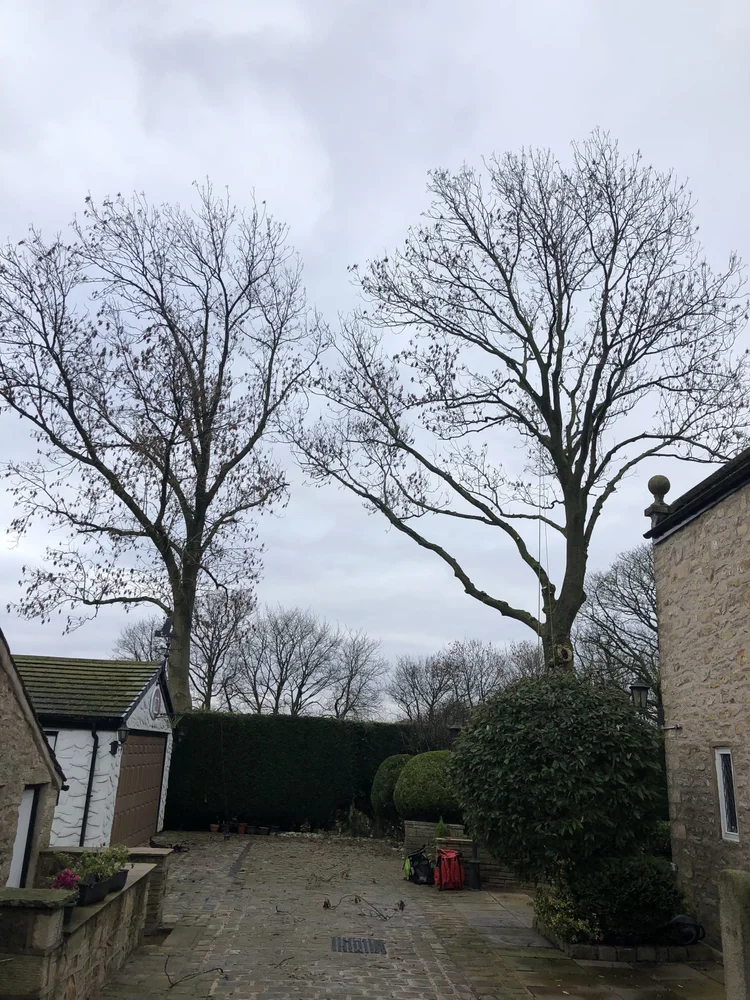
Credit: www.arbortec.co.uk
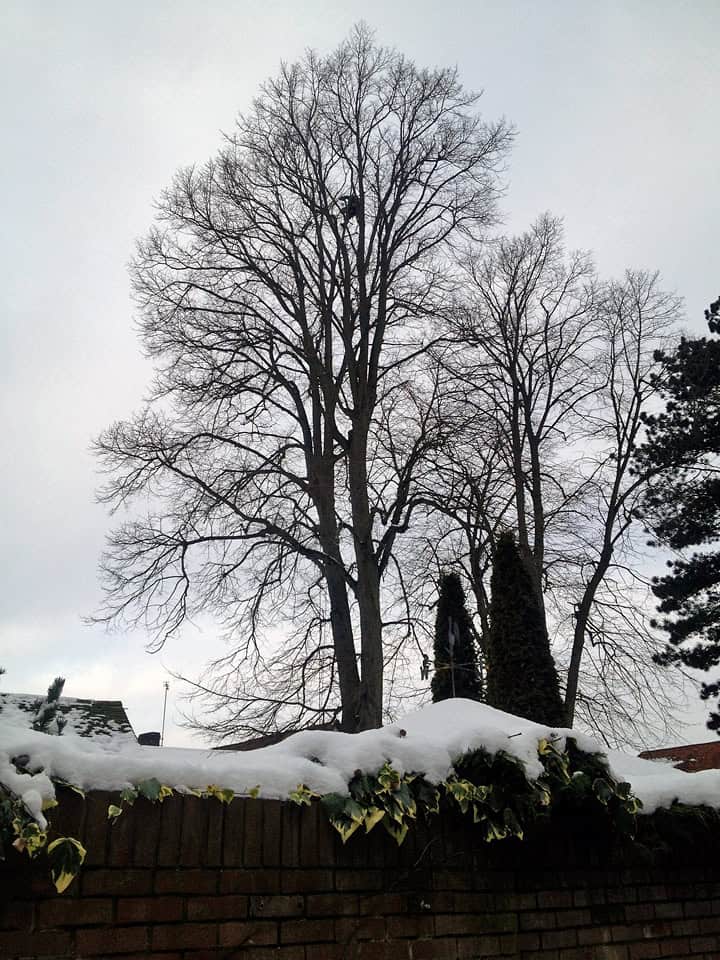
Credit: climberswaytreecare.co.uk
Frequently Asked Questions
What Is Crown Thinning In Tree Care?
Crown thinning is a pruning technique that removes select branches. It reduces tree density to increase sunlight and air flow. This helps maintain the tree’s natural shape and health while preventing wind damage.
Why Is Crown Thinning Important For Trees?
Crown thinning improves tree health by reducing branch weight and wind resistance. It enhances light penetration, promoting growth and reducing disease risk. This method also helps maintain a balanced and attractive tree structure.
How Often Should Crown Thinning Be Done?
Crown thinning is typically done every 3 to 5 years. Frequency depends on tree species, age, and growth rate. Regular thinning prevents overcrowding and supports long-term tree vitality.
Can Crown Thinning Harm My Tree?
When done correctly, crown thinning is safe and beneficial. Over-thinning or improper cuts can stress the tree or cause damage. It’s best performed by a trained arborist to ensure tree health.
Conclusion
Crown thinning helps trees stay healthy and strong. It lets sunlight reach inside the tree. This improves air flow and reduces disease risks. Trees also look lighter and more balanced. Regular thinning keeps branches from crowding each other. It helps trees grow better over time.
Remember to thin crowns carefully to avoid harm. A well-thinned tree lasts longer and looks good. Simple care makes a big difference for your trees.
