
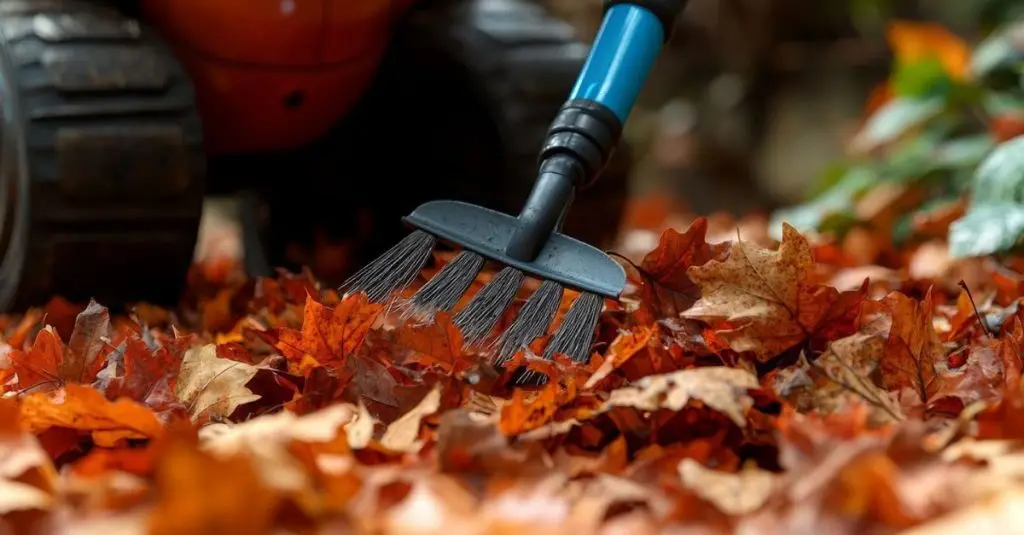
Are you wondering when the best time is to sweep leaves in your yard? You’re not alone.
Leaves piling up can make your yard look messy and even cause problems like slippery walkways or damaged grass. But sweeping at the wrong time can also waste your effort or harm your lawn. Knowing exactly when to sweep can save you time, keep your yard healthy, and make your outdoor space look its best.
Keep reading, and you’ll discover simple tips to help you tackle those leaves at the perfect moment.
Best Time To Sweep Leaves
Sweeping leaves keeps your yard clean and safe. It also helps protect your grass.
Choosing the right time to sweep can make this chore easier and more effective.
Morning Vs Evening Sweeping
Sweeping leaves in the morning is better because the air is cooler and the leaves are dry. Dry leaves are easier to gather and less messy.
Evening sweeping can be harder because leaves may be damp from dew. Wet leaves stick to the ground and tools.
Seasonal Timing
- Early autumn: leaves start to fall, sweep lightly to keep paths clear.
- Mid-autumn: leaves fall heavily, sweep more often to avoid buildup.
- Late autumn: final cleanup before winter; clear leaves to prevent mold.
Regular sweeping during these times prevents leaves from piling up and damaging the grass.
Weather Considerations
| Weather | Impact on Sweeping | Best Action |
| Dry and Sunny | Leaves are dry and easy to sweep | Sweep anytime |
| Wet or Rainy | Leaves stick to ground and tools | Wait for dry weather |
| Windy | Leaves blow around and scatter | Sweep on calm days |
| Frosty or Snowy | Leaves freeze and are hard to remove | Sweep before frost or snow |
Tools For Leaf Sweeping
Sweeping leaves from your yard keeps it neat and safe. Using the right tools makes this job easier.
There are many tools to help with leaf cleanup. Each tool works best for different yard sizes and leaf amounts.
Choosing The Right Rake
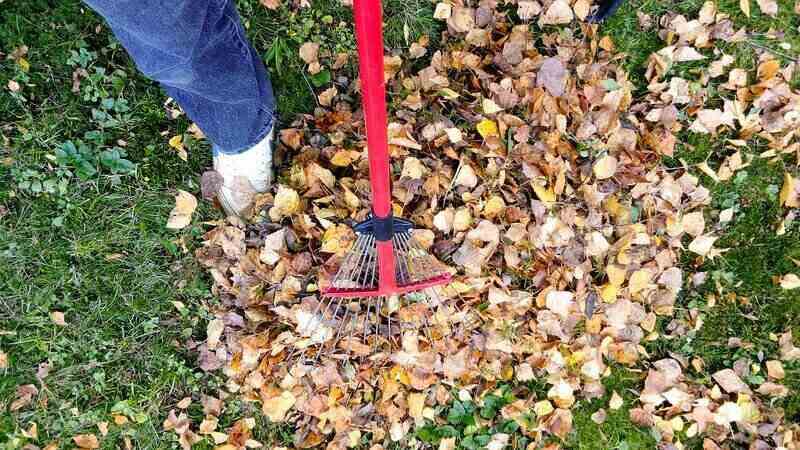
A rake is a simple tool for gathering leaves. Choose one that fits your yard size and strength.
Plastic rakes are light and good for dry leaves. Metal rakes are stronger and better for wet leaves.
- Plastic rakes: lightweight and flexible
- Metal rakes: durable and firm
- Bow rakes: good for heavy leaves and debris
- Adjustable rakes: change width for more reach
Using Leaf Blowers
Leaf blowers move leaves quickly into piles. They save time in large yards or heavy leaf fall.
Electric blowers are quiet and light. Gas blowers are powerful but louder and heavier.
- Electric blowers: best for small to medium yards
- Gas blowers: best for large yards and thick leaves
- Battery-powered blowers: portable and cordless
Eco-friendly Options
Choose tools that protect the environment. Manual rakes use no fuel or electricity.
Compost leaves instead of burning or bagging. This helps your garden and reduces waste.
- Use rakes instead of gas blowers
- Collect leaves for compost
- Avoid burning leaves to reduce pollution
- Choose electric or battery tools with low emissions
Signs Your Yard Needs Sweeping
Leaves fall in the yard during autumn and sometimes other seasons. Sweeping leaves helps keep your yard clean and healthy.
It is important to know when your yard needs sweeping. Look for clear signs before the leaves cause problems.
Leaf Accumulation Levels
When leaves pile up in thick layers, your yard needs sweeping. A small number of leaves is normal, but too many block sunlight.
Leaves that cover the grass completely or create mounds should be cleared quickly. Wet leaves stick to the ground and form clumps.
- Thin leaf cover is usually fine
- Thick layers block sunlight from grass
- Wet leaf clumps can damage plants
Impact On Lawn Health
Leaves left on the lawn can harm the grass. They stop air and water from reaching the soil.
Too many leaves create a moist environment that causes mold and fungus growth. This weakens the grass and plants.
- Leaves block sunlight needed for growth
- Moist leaves cause mold and fungus
- Grass can turn yellow or die under leaves
Safety Concerns
Wet leaves on walkways and driveways are slippery. This can cause falls or accidents.
Leaves that cover steps, paths, or garden edges hide hazards. You might trip or hurt yourself if you do not clear them.
- Wet leaves create slippery surfaces
- Leaves hide steps and uneven ground
- Clearing leaves reduces fall risks

Credit: www.everydaycheapskate.com
Techniques For Efficient Sweeping
Sweeping leaves in your yard keeps it clean and safe. Using the right techniques saves time and effort.
Good sweeping helps prevent damage to grass and plants. It also makes leaf removal easier and quicker.
Sweeping Patterns
Choose a sweeping pattern that covers all areas without missing spots. Work from one side to the other.
Use straight lines or small circles to gather leaves efficiently. Avoid random sweeping to save energy.
- Sweep in rows to cover the yard evenly
- Use circular motions to gather leaves into piles
- Start at the edges and move inward to collect leaves
Collecting And Disposing Leaves
Gather leaves into piles before collecting them. Use a rake or broom to bring them together quickly.
Dispose of leaves by composting or placing them in yard waste bins. Avoid leaving leaves on the lawn.
- Use a tarp to carry large piles easily
- Bag leaves if your area requires it
- Compost leaves to enrich your garden soil
Preventing Leaf Build-up
Regular sweeping stops leaves from piling up. Set a schedule to sweep during heavy leaf-fall seasons.
Trim trees and bushes to reduce leaf drop near paths and patios. This helps keep the yard tidy.
- Sweep leaves weekly in autumn
- Trim overhanging branches to reduce leaf fall
- Clear gutters and drains to avoid blockages
Benefits Of Timely Leaf Sweeping
Sweeping leaves at the right time helps keep your yard clean and healthy. It stops problems before they start.
Knowing when to sweep leaves improves your lawn’s look and supports strong plants. It also protects your soil.
Improved Lawn Appearance
Removing leaves regularly keeps grass visible and neat. It stops dead spots from forming under thick leaf layers.
A clear lawn looks tidy and inviting. Sweeping leaves shows care and attention to your yard.
Pest And Disease Prevention
Leaves left on the ground can hide pests. These pests may harm plants or spread diseases.
Sweeping leaves reduces places where bugs and fungi grow. It helps keep your yard safe and healthy.
- Removes shelter for insects
- Limits fungal growth
- Reduces risk of plant diseases
Enhanced Soil Health
Timely leaf sweeping helps the soil breathe and soak up water. Thick leaf piles can block air and moisture.
Clearing leaves allows sunlight and rain to reach the soil. This supports strong roots and healthy plants.

Credit: www.everydaycheapskate.com
Common Mistakes To Avoid
Raking leaves seems simple, but mistakes happen. Knowing what to avoid helps. It makes your yard work easier.
Pay attention to common errors when sweeping leaves. This saves time and effort.
Sweeping Wet Leaves
Wet leaves are heavy and hard to move. They stick to tools and ground. Sweeping them can be frustrating.
Wait for leaves to dry. Dry leaves are lighter and easier to sweep. This reduces workload.
- Check weather before starting
- Avoid sweeping after rain
- Use a leaf blower for wet leaves
Ignoring Regular Maintenance
Ignoring regular leaf sweeping leads to big piles. These piles are harder to manage. Regular maintenance is key.
Sweep leaves weekly. This keeps your yard clean. It also prevents rot and mold.
- Set a weekly schedule
- Monitor leaf fall in autumn
- Adjust frequency as needed
Using The Wrong Tools
Using the wrong tools makes leaf sweeping harder. The right tools make the job quicker and easier.
Choose tools that suit your yard size. Consider a rake, blower, or vacuum. This choice depends on your yard.
- Use a wide rake for large areas
- Choose lightweight tools for ease
- Consider a vacuum for small yards
Credit: www.lawnstarter.com
Frequently Asked Questions
When Is The Best Time To Sweep Leaves In The Yard?
The best time to sweep leaves is during dry, calm weather. Morning or late afternoon is ideal to avoid dew or rain.
How Often Should I Sweep Leaves During Fall Season?
Sweep leaves weekly or after heavy leaf fall. Regular sweeping prevents lawn damage and keeps your yard tidy.
Can Sweeping Leaves Too Early Harm My Lawn?
Yes, sweeping leaves too early can remove beneficial mulch. Wait until most leaves have fallen but before snow arrives.
Should I Sweep Leaves On Wet Or Dry Ground?
It’s better to sweep leaves on dry ground. Wet leaves are heavier and harder to collect efficiently.
Conclusion
Sweeping leaves at the right time keeps your yard clean and safe. Do it before the leaves pile too high or get wet. Regular sweeping stops grass from getting smothered. It also helps prevent mold and slippery spots. Early morning or late afternoon works best for leaf sweeping.
Stay consistent, and your yard will look neat all season. Simple steps bring big benefits to your outdoor space. Keep your yard healthy with timely leaf cleanup.
