
Have you ever wondered why your lawn isn’t as green or healthy as you want it to be? The secret might lie beneath the surface—in the soil itself.
Lawn aeration is a simple yet powerful technique that can transform your yard from patchy and dull to lush and vibrant. By improving the way air, water, and nutrients reach your grass roots, aeration breathes new life into your lawn.
Keep reading to discover how this easy step can save you time, money, and frustration while giving you the beautiful lawn you deserve.
Why Lawn Aeration Matters
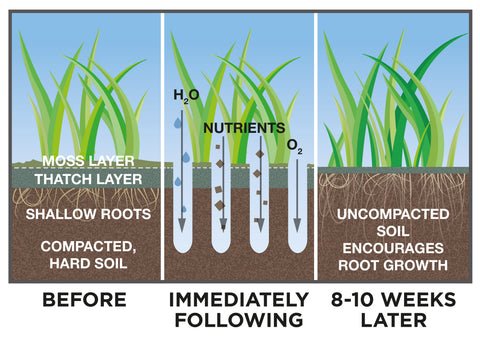
Lawn aeration helps keep your grass healthy and strong. It makes small holes in the soil to let air, water, and nutrients reach the roots.
This process improves the overall condition of your lawn. It helps the grass grow thicker and greener.
Improving Soil Structure
Aeration breaks up compacted soil. This loosens the earth and creates space for roots to grow.
Good soil structure allows roots to spread out and access more nutrients. It also helps prevent soil erosion and runoff.
Enhancing Nutrient Absorption
When soil is aerated, nutrients can reach the grass roots easier. This helps the grass get the food it needs.
Better nutrient absorption leads to stronger and healthier grass that resists disease and stress.
Boosting Water Penetration
Aeration allows water to soak deep into the soil. This helps roots get enough moisture, especially in dry times.
Good water penetration reduces puddles and runoff. It keeps the lawn hydrated and green for longer.
Credit: weedpro.com
Types Of Lawn Aeration
Lawn aeration helps grass grow better by improving soil health. It creates space for air, water, and nutrients to reach roots.
There are different ways to aerate a lawn. Each type has its own benefits and works well in certain situations.
Core Aeration
Core aeration removes small plugs of soil from your lawn. This process reduces soil compaction and helps roots grow deeply.
- Improves air exchange between soil and atmosphere
- Enhances water absorption and nutrient uptake
- Reduces thatch buildup
- Encourages strong root development
Spike Aeration
Spike aeration uses solid tines to poke holes in the soil. It loosens the soil without removing plugs.
| Benefit | Description |
| Soil Loosening | Creates holes to ease soil compaction |
| Root Growth | Allows roots to access air and water |
| Water Drainage | Improves how water flows through soil |
| Thatch Management | Less effective than core aeration for thatch |
Liquid Aeration
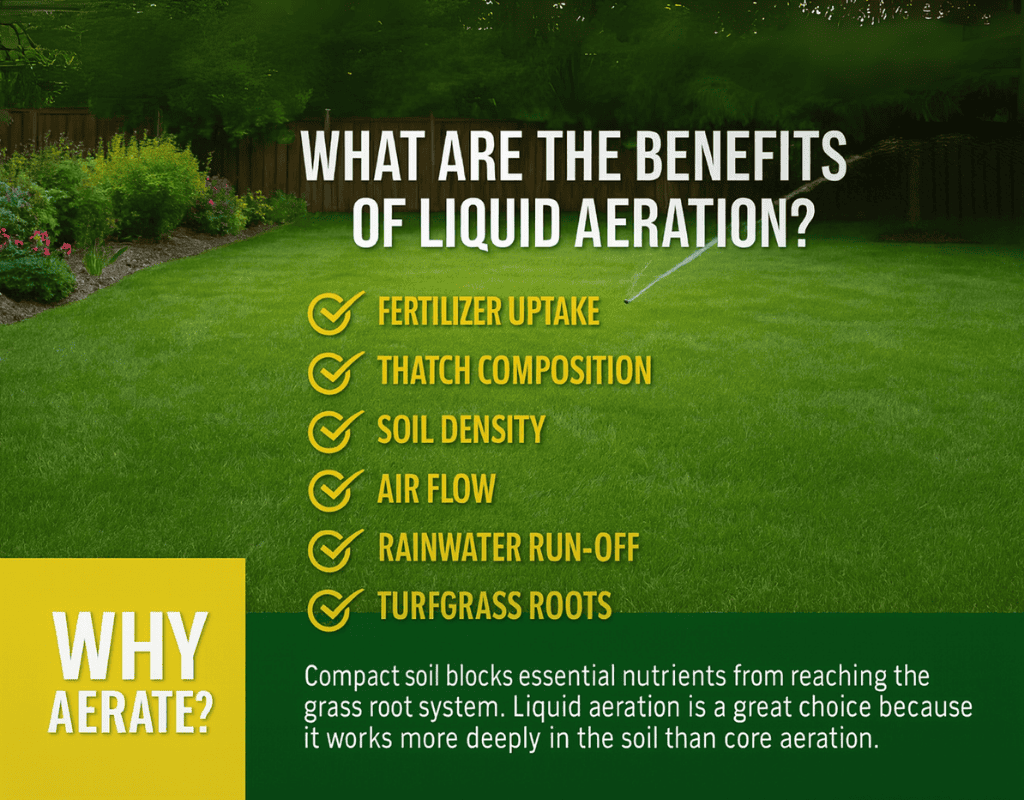
Liquid aeration uses a special solution to break down hard soil. It helps nutrients and water reach the roots easier.
This method is easy to apply and good for lawns with mild compaction. It works well alongside other aeration types.
- Breaks down compacted soil particles
- Improves nutrient absorption
- Easy to use with a sprayer
- Safe for all grass types
Signs Your Lawn Needs Aeration
Lawn aeration helps soil breathe and improves grass health. Knowing when your lawn needs aeration can save you time and effort.
Look for clear signs that show soil or grass is struggling. These signs tell you that aeration is needed to fix the problems.
Soil Compaction Symptoms
Soil compaction means the dirt is packed tightly. Roots find it hard to grow and air cannot reach them. You might notice hard soil that feels tough to dig.
- Footprints stay visible for a long time
- Water does not soak in quickly
- Grass looks thin or patchy
- Soil cracks or looks dry on the surface
Poor Grass Growth
When grass grows unevenly or weakly, aeration might help. Compacted soil stops roots from spreading and taking in nutrients.
| Symptom | Possible Cause |
| Patchy grass | Lack of air and nutrients |
| Thin grass coverage | Soil compaction |
| Yellow or brown spots | Poor root growth |
| Slow grass recovery after damage | Restricted root space |
Water Pooling Issues
Water that pools on your lawn means it cannot drain well. Compacted soil stops water from soaking in. This can harm grass roots and cause fungus.
- Wet spots stay for hours after rain
- Soil feels muddy or soggy
- Grass looks unhealthy in wet areas
Benefits For Lawn Growth
Lawn aeration helps your grass grow healthier and stronger. It improves soil by allowing air, water, and nutrients to reach the roots.
This process is important for maintaining a green, thick lawn throughout the year.
Stronger Root Development
Aeration creates small holes in the soil. These holes let roots grow deeper and stronger.
Deeper roots help the lawn survive droughts and harsh weather better than shallow roots.
Increased Grass Density
Aeration reduces soil compaction. This gives grass more space to grow thick and full.
Thicker grass stops weeds from taking over and keeps your lawn looking lush.
Enhanced Seed Germination
Seeds planted after aeration have better contact with soil. This helps them sprout faster and stronger.
Good seed germination means a healthy, even lawn without bare patches.
Health Improvements From Aeration
Lawn aeration helps grass grow better and stay healthy. It makes the soil less compact and lets air, water, and nutrients reach the roots.
This process improves the lawn’s overall health and strength. Aeration supports deep root growth and a greener lawn.
Reduced Thatch Build-up
Thatch is a layer of dead grass and roots that builds up on the soil. Too much thatch blocks water and nutrients from reaching the soil.
Aeration breaks up this thatch layer. It helps natural microbes break down thatch faster, keeping the lawn healthy.
Better Resistance To Pests
Aerated lawns are stronger and less likely to get pests. Healthy roots help grass fight off insects and diseases.
Good air flow and water penetration reduce conditions where pests like to live. This lowers pest problems naturally.
Improved Drought Tolerance
Aeration helps soil hold water better. It lets rain and irrigation reach deep roots more easily.
Strong roots can survive dry times better. Aeration helps lawns stay green and healthy during drought.

Credit: imageworkslandscaping.com
Best Time For Lawn Aeration
Lawn aeration helps your grass grow healthy and strong. It involves making holes in the soil to allow air, water, and nutrients to reach the roots.
Knowing the best time to aerate your lawn ensures you get the most benefits. Let’s explore the factors to consider.
Seasonal Considerations
The right season for lawn aeration depends on the type of grass you have. Cool-season grasses benefit from aeration in early fall or spring. Warm-season grasses do well when aerated in late spring or early summer.
- Cool-season grasses: Early fall or spring
- Warm-season grasses: Late spring or early summer
Weather Conditions
Weather plays a big role in lawn aeration. The soil should be moist but not too wet. Aerating during a drought or when the soil is too dry can damage your lawn. Similarly, avoid aeration when the ground is frozen.
Frequency Recommendations
How often you aerate your lawn depends on the soil type and lawn use. Heavy clay soils or lawns with high foot traffic may need aeration once a year. Sandy soils may only require aeration every two to three years.
| Soil Type | Aeration Frequency |
| Clay | Annually |
| Sandy | Every 2-3 years |
| Loamy | Every 1-2 years |
Diy Vs Professional Aeration
Lawn aeration helps your grass grow better. It allows air, water, and nutrients to reach the roots. You can do it yourself or hire a professional. This guide explores the benefits of both methods.
Choosing between DIY and professional aeration depends on your needs and budget. Each option has its own advantages and drawbacks.
Equipment Options
DIY aeration requires buying or renting tools. Manual aerators are cheap but need more effort. Powered aerators are more expensive but save time.
Professionals use high-quality machines. These machines penetrate the soil deeply and evenly. They also cover larger areas quickly.
- Manual aerators: Low cost, high effort
- Powered aerators: Higher cost, less effort
- Professional machines: Best performance, highest cost
Cost Comparison
DIY aeration costs less if you already own tools. Renting equipment adds to the cost. Hiring a professional costs more but saves time and energy.
| DIY Aeration | $0-$100 |
| Renting Equipment | $50-$150 |
| Professional Service | $150-$300 |
Effectiveness Differences
DIY aeration can be effective with the right tools. It may take longer and require more effort. Professional services provide consistent results.
Professionals know the best techniques. They ensure even coverage and proper depth. This leads to healthier and more beautiful lawns.
- DIY: Good results with effort
- Professional: Great results with less effort
- Professional: Consistent and thorough aeration
Aftercare Tips For Aerated Lawns
Lawn aeration helps grass grow stronger by letting air, water, and nutrients reach the roots. After aerating, your lawn needs special care to get the best results.
Follow these tips on watering, fertilizing, and overseeding to keep your lawn healthy and green after aeration.
Watering Strategies
Water your lawn right after aeration to help soil settle and improve root absorption. Keep the soil moist but not soaked.
- Water deeply about 1 inch per week
- Divide watering into two sessions each week
- Avoid watering in the late evening to reduce disease risk
- Use a sprinkler for even water distribution
Fertilizing Advice
Fertilizer helps your lawn recover faster and grow thick. Use a slow-release fertilizer for steady nutrient supply.
| Fertilizer Type | When to Apply | Key Benefit |
| Slow-release nitrogen | Right after aeration | Feeds roots over time |
| Phosphorus | Before overseeding | Supports root growth |
| Potassium | Mid-season | Improves lawn strength |
Overseeding Benefits
Overseeding fills bare spots and thickens grass. It also helps prevent weeds and erosion after aeration.
- Choose seed that matches your grass type
- Spread seed evenly over the lawn
- Keep the soil moist until seeds sprout
- Limit foot traffic on new seed areas

Credit: peatsridgeturfsupplies.com
Frequently Asked Questions
What Are The Main Benefits Of Lawn Aeration?
Lawn aeration improves soil oxygen flow and water absorption. It reduces soil compaction and promotes healthier grass roots. This leads to a thicker, greener lawn and better nutrient uptake.
How Often Should I Aerate My Lawn?
Most lawns benefit from aeration once a year, ideally in spring or fall. However, heavily used or clay soils may require aeration twice yearly for optimal growth.
Does Lawn Aeration Help Reduce Thatch Buildup?
Yes, aeration helps break down thatch by improving soil microbial activity. This allows nutrients and water to penetrate deeper, reducing the thick layer of dead grass.
Can Lawn Aeration Improve Drought Resistance?
Aeration enhances water absorption and root growth, making lawns more drought-resistant. Stronger roots access moisture better, helping the grass survive dry periods.
Conclusion
Lawn aeration helps grass grow strong and healthy. It lets air, water, and nutrients reach the roots. This improves soil and reduces lawn problems. Your yard will look greener and feel softer. Aeration also helps prevent weeds and lawn diseases.
Regular aeration saves time and money on lawn care. A healthy lawn means more enjoyment outdoors. Try aeration to keep your grass happy. Simple steps can make a big difference. Your lawn deserves this care every year.

