
Are you tired of messy lawn edges that ruin the look of your garden? Choosing the right edging tool can make all the difference.
But should you go for manual edging or powered edging? Each option has its own benefits and challenges that can affect your yard and your effort. You’ll discover which edging method suits your needs best, helping you achieve that crisp, clean lawn edge you’ve been aiming for—without wasting time or energy.
Keep reading to find out which edging style will transform your outdoor space and make your lawn care easier than ever.

Credit: www.walmart.com
Benefits Of Clean Lawn Edges
Clean lawn edges make your yard look neat and well-kept. They create a clear border between the grass and other areas.
Good edging also helps keep grass from growing into walkways or flower beds. This keeps your lawn healthy and easy to maintain.
Manual Edging
Manual edging uses simple tools like a spade or edging knife. It requires physical effort but gives precise control.
This method is good for small areas or detailed work. You can carefully shape the edges exactly how you want them.
- Low cost, no fuel or electricity needed
- Quiet and eco-friendly
- Precise shaping of edges
- Good for small or tight spaces
- Requires physical effort and time
Powered Edging
Powered edging uses machines like electric or gas edgers. These tools make edging faster and easier.
They work well for large lawns or hard soil. Powered edgers can cut through thick grass and roots quickly.
- Saves time and effort
- Effective on large or tough areas
- Can cut deeper and cleaner edges
- Requires fuel or electricity
- Produces noise and emissions

Credit: www.techmatrixconsulting.com
Manual Edging Tools
Manual edging tools help you shape the edges of your lawn or garden. They use your own effort instead of power.
These tools come in different shapes and sizes. They are simple to use and easy to maintain.
Types Of Manual Edgers
There are several types of manual edgers. Each has a different design for specific tasks.
- Half-Moon Edger:A curved blade on a long handle. It cuts clean edges along sidewalks and driveways.
- Spade Edger:A flat, straight blade used to dig sharp edges in the soil.
- Hand Edger:A small tool held with one hand. Good for tight spaces and detail work.
- Edging Shears:Scissor-like tools for trimming grass along edges.
Best Situations For Manual Edging
Manual edging tools work best in certain garden and lawn conditions. They give you control and precision.
| Situation | Reason |
| Small Gardens | Easy to maneuver in tight spaces |
| Delicate Plants Nearby | More control to avoid damage |
| Light Maintenance | Less effort needed for small jobs |
| Uneven Surfaces | Manual tools adapt better than powered ones |
| Noise Restrictions | Manual tools are quiet to use |
Powered Edging Tools
Powered edging tools help create clean edges on lawns and gardens. They work faster and with less effort than manual tools.
These tools are popular for maintaining neat borders along sidewalks, driveways, and flower beds. They come in different types for various tasks.
Types Of Powered Edgers
There are several types of powered edgers. Each type suits different yard sizes and edge styles.
- Gas-Powered Edgers:Strong and ideal for large yards.
- Electric Corded Edgers:Lightweight but limited by cord length.
- Battery-Powered Edgers:Portable with no cords, good for small to medium yards.
- Walk-Behind Edgers:Larger machines for deep or wide edging jobs.
Ideal Uses For Powered Edging
Powered edgers work well for regular lawn maintenance. They make edges look sharp and tidy.
Use powered edgers for:
- Creating straight edges along driveways and sidewalks
- Shaping flower beds with clean borders
- Removing grass and weeds from garden edges
- Maintaining large areas quickly and evenly
Comparing Precision And Control
Choosing the right edging tool affects how precise and controlled your work can be. Manual and powered edgers offer different experiences.
This guide compares their precision and control to help you understand their differences.
Manual Edging Precision
Manual edgers give users direct control over the cutting edge. You move the tool by hand, which can increase accuracy in small areas.
The precision depends on your steady hand and careful movements. This makes manual edging good for detailed work along flower beds and paths.
Powered Edging Control
Powered edgers use motors to cut through tougher soil and grass edges quickly. The tool handles most of the work, reducing user effort.
Control relies on how well you manage the tool’s speed and angle. Powered edgers work well for large areas but may need practice for fine edges.
Comparison Table Of Precision And Control
| Feature | Manual Edging | Powered Edging |
| Precision | High in small, detailed areas | Moderate, better for broad edges |
| User Control | Full manual control | Control depends on tool handling |
| Effort Required | More physical effort | Less physical effort |
| Best Use | Small gardens and fine edges | Large lawns and tough edges |
Factors Affecting Your Choice
- Size of the area to edge
- Your physical strength and stamina
- Need for detailed precision
- Experience with power tools
- Type of soil and grass
Time And Effort Required
Edging your lawn keeps it neat and tidy. Choosing between manual and powered edging affects your work time and effort.
Understanding the differences helps you pick the best tool for your yard size and your energy level.
Manual Edging
Manual edging uses hand tools like spades or edging knives. It takes more time and physical effort.
You need to bend or kneel to cut the grass edges. This work can be tiring, especially for large lawns.
- Slower process for big areas
- Requires more physical strength
- Good control for detailed edging
- No fuel or electricity needed
Powered Edging
Powered edging uses electric or gas tools. It cuts edges faster and with less effort than manual tools.
You can cover large lawns quickly. The machine does most of the hard work, reducing strain on your body.
- Faster for large areas
- Less physical effort required
- Needs fuel or battery power
- May need some practice to use safely
Cost And Maintenance Factors
Manual edging and powered edging are two methods to maintain garden borders. Each has different costs and maintenance needs.
Understanding these can help choose the right tool for your garden. Let’s explore the cost and maintenance for both options.
Cost Of Manual Edging
Manual edging tools are usually cheaper. You only need to buy the tool once. There are no fuel or electricity costs.
Manual tools include spades and half-moon edgers. Prices vary, but they are budget-friendly.
Maintenance Of Manual Edging
Manual tools need simple maintenance. Keep them clean and sharp. This ensures better performance and longer life.
Oil moving parts if needed. Store in a dry place to prevent rust.
Cost Of Powered Edging
Powered edgers are more expensive than manual tools. They need fuel or electricity. This increases their running cost.
Prices vary based on features and brand. Choose according to your budget and needs.
Maintenance Of Powered Edging
Powered edgers need regular maintenance. Clean after each use to prevent buildup. Check for worn parts regularly.
Keep the engine in good condition. Follow the manual for oil changes and part replacements.
- Check the power source regularly
- Replace blades when dull
- Store in a dry place to avoid damage
Safety Considerations
Edging a lawn can be done manually or with power tools. Each method has different safety concerns. Knowing these can help prevent accidents.
Both methods require careful handling. Understanding safety tips can keep you safe while working in the garden.
Manual Edging Safety
Manual tools like spades and shears need attention. These tools can cause injuries if not used correctly.
Wear gloves to protect your hands. Be cautious of sharp edges and always cut away from your body.
- Inspect tools for rust or damage before use
- Store tools safely to prevent accidents
- Keep tools sharp for efficient use
Powered Edging Safety
Powered edgers can be more dangerous. They require electricity or gas to function.
Always read the manual before using. Wearing protective eyewear and ear protection is important.
- Check cords and connections for damage
- Keep children and pets away from work area
- Unplug or turn off when not in use
General Safety Tips
No matter the method, safety is key. Awareness and preparation reduce risks.
Choose the right tool for the job. Keep your workspace clear and organized.
| Task | Recommended Tool | Safety Gear |
| Small gardens | Manual edger | Gloves |
| Large areas | Powered edger | Eyewear, ear protection |
Choosing The Right Edging Method
Edging your lawn defines the border between grass and other areas. It keeps your yard looking neat and tidy. You can choose manual edging or powered edging tools.
Each method has its pros and cons. The best choice depends on your lawn and your needs.
Assessing Lawn Size And Shape
Look at the size and shape of your lawn before picking an edging method. Large or complex lawns may need different tools than small, simple yards.
- Manual edging works well for small lawns with straight borders.
- Powered edging is better for large lawns or curved edges.
- Complex shapes may require more precise control, often easier with manual tools.
Considering Skill Level And Physical Ability
Your experience and strength matter. Manual edging needs more physical effort and skill. Powered edging can be easier but needs some practice.
| Edging Method | Skill Required | Physical Effort |
| Manual Edging | Low to Medium | High |
| Powered Edging | Medium | Medium to Low |
Budget And Tool Availability
Cost is important. Manual tools are usually cheaper. Powered tools cost more but save time and effort.
- Manual edging tools cost less upfront.
- Powered edging tools need electricity or fuel.
- Maintenance costs vary between the two types.
- Check what tools are available in your area.
Tips For Flawless Lawn Borders
Creating clean lawn borders makes your yard look neat and cared for. Edging defines the space between your grass and garden beds or walkways.
Choosing the right edging tool helps you get sharp lines. Manual and powered edging tools both have benefits and challenges.
Manual Edging
Manual edging uses hand tools like spades or edging knives. It gives you control and precision for small or detailed areas.
It requires more effort but lets you work gently near plants and curves. Manual tools are quiet and need no fuel or electricity.
- Use a sharp spade to cut clean edges
- Work slowly for straight or curved lines
- Remove excess soil or grass clumps
- Wear gloves to protect your hands
Powered Edging
Powered edgers use gas or electric motors to cut through grass and soil quickly. They save time on large lawns or long borders.
Powered tools work best on straight lines and hard soil. They need careful handling to avoid damaging plants or lawn edges.
- Wear safety gear like goggles and ear protection
- Keep blades sharp for clean cuts
- Follow manufacturer instructions for use and care
- Move the tool steadily for even edging

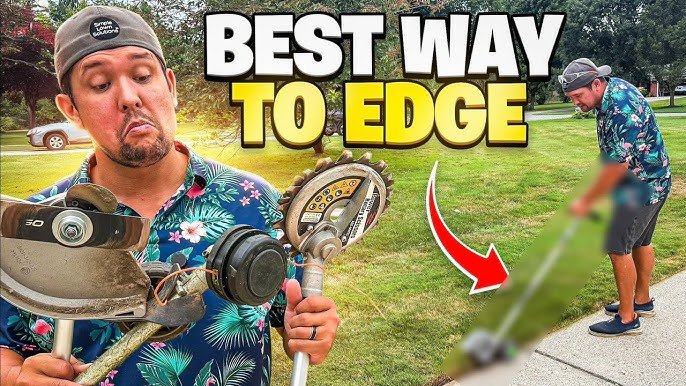
Credit: www.youtube.com
Frequently Asked Questions
What Is The Difference Between Manual And Powered Edging?
Manual edging uses hand tools, requiring physical effort and skill. Powered edging uses electric or gas tools, offering faster, consistent results with less effort.
Which Edging Method Is Better For Small Gardens?
Manual edging is ideal for small gardens due to its precision and control. It’s quiet, eco-friendly, and perfect for delicate areas.
Are Powered Edgers More Efficient Than Manual Ones?
Yes, powered edgers complete tasks faster and require less physical effort. They handle large areas and tough soil more effectively than manual tools.
How Do Maintenance Needs Differ For Manual And Powered Edgers?
Manual edgers need minimal maintenance, just cleaning and occasional sharpening. Powered edgers require regular engine or battery care, blade sharpening, and more complex upkeep.
Conclusion
Choosing between manual edging and powered edging depends on your needs. Manual edging is simple, quiet, and needs no fuel or electricity. Powered edging works faster and handles tough jobs with ease. Think about your garden size and how often you will edge.
Small yards suit manual tools well. Large areas may benefit from powered tools. Both types keep your garden neat and tidy. Pick the one that fits your budget and effort level. Either way, edging adds a clean finish to your lawn.
Easy maintenance starts with the right edging choice.
