

Are you tired of guessing how much seed to put in your spreader? Putting in too much can waste your seeds and money, while too little means your lawn won’t grow as lush as you want.
Getting the right amount is key to a healthy, green yard that stands out. You’ll learn exactly how to measure and fill your spreader for the best results every time. Keep reading, and you’ll never worry about uneven lawns or wasted seed again.
Choosing The Right Seed
Choosing the right seed is key to a healthy lawn. The seed type affects how well grass grows in your area.
Consider factors like grass type, seed quality, and climate. These affect how much seed to put in your spreader.
Types Of Grass Seeds
Grass seeds come in several types. Each type suits different lawns and uses.
- Cool-season grasses: grow well in cooler climates. Examples include Kentucky bluegrass and fescue.
- Warm-season grasses: thrive in hot weather. Examples are Bermuda and Zoysia grass.
- Transition grasses: work in moderate climates. Tall fescue is one example.
Seed Quality Factors
Good seed quality means better growth and less waste. Look for high germination rates and purity.
| Quality Factor | What It Means |
| Germination Rate | Percentage of seeds that sprout |
| Purity | Percentage of pure seed, free from weed seeds |
| Seed Size | Affects spreader settings and seed distribution |
| Freshness | Newer seeds grow better and faster |
Climate Considerations
Climate impacts seed choice and how much seed to use. Use seeds suited for your local weather.
Here are tips to match seed to climate:
- In cold regions, use cool-season grass seeds.
- In hot, dry areas, pick warm-season grass seeds.
- For mixed climates, choose transition grass seeds.
- Adjust spreader settings based on seed size and type.

Credit: getlawnbright.com
Selecting The Best Spreader
Choosing the right spreader helps you put the correct amount of seed on your lawn or field. A good spreader saves seed and gives even coverage.
Different spreaders work better for different seed types and areas. Pick one that fits your needs for easy and accurate seeding.
Types Of Spreaders
There are several types of spreaders. Each type spreads seed in a different way and suits certain tasks.
- Drop spreaders release seed straight down for precise placement.
- Broadcast spreaders scatter seed over a wide area, covering more ground quickly.
- Handheld spreaders are small and good for tight spaces.
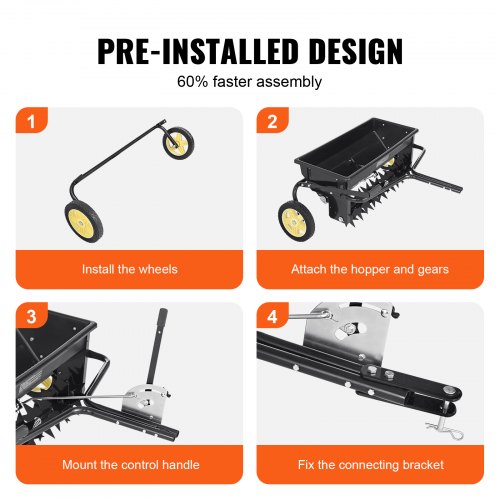
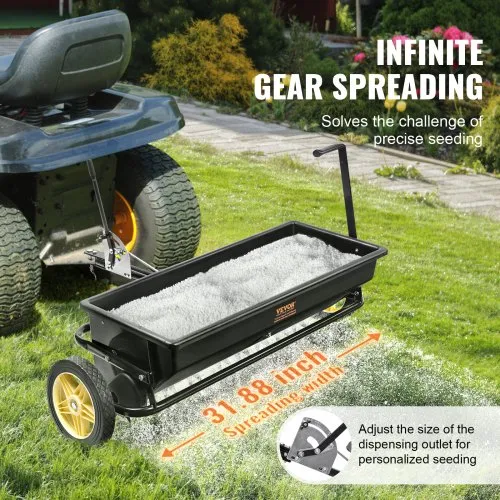
- Tow-behind spreaders attach to tractors for large areas.
Pick a spreader based on your lawn size, seed type, and how even you want the spread to be.
Spreader Settings And Calibration
Setting your spreader correctly is key to using the right amount of seed. Calibration means adjusting settings to match seed flow.
Calibrate your spreader by weighing the seed output and adjusting the setting until it matches your seed rate.
- Check the seed package for recommended spreader settings.
- Test the spreader on a small area first.
- Measure seed collected in a set time to ensure accuracy.
- Adjust the spreader opening if the seed rate is too high or low.
Calculating Seed Amount
Knowing how much seed to put in your spreader helps you cover your lawn properly. Using the right amount saves seed and gives even growth.
Calculate the seed amount before spreading. This guide shows you how to measure lawn size, find seed rates, and adjust for overseeding.
Measuring Lawn Size
First, find the total area of your lawn. Measure the length and width in feet for rectangular lawns. Multiply these numbers to get square feet.
For irregular shapes, divide the lawn into smaller rectangles. Measure each, then add the areas together.
- Measure length and width in feet
- Calculate area: length × width
- For odd shapes, divide and sum areas
Recommended Seed Rates
Seed rates vary by grass type and lawn condition. Most grass seeds need between 2 and 5 pounds per 1,000 square feet.
Check seed packaging for exact rates. Follow these guidelines to avoid using too much or too little seed.
| Grass Type | Seed Rate (lbs per 1,000 sq ft) |
|---|---|
| Kentucky Bluegrass | 2 to 3 |
| Perennial Ryegrass | 5 to 8 |
| Fescue | 4 to 6 |
Adjusting For Overseeding
Overseeding adds extra seed to improve lawn density. Use 25% to 50% more seed than the normal rate for overseeding.
This helps new grass fill in bare spots and strengthens the lawn over time.
- Normal seed rate × 1.25 for light overseeding
- Normal seed rate × 1.5 for heavy overseeding
- Adjust spreader settings to match new seed amount
Credit: www.vevor.ca
Spreading Techniques
Using the right technique when spreading seed is key for a healthy lawn. Proper spreading helps seeds grow evenly and reduces wasted seed.
Knowing how much seed to put in your spreader and how to move it will give you the best results. Here are some tips to get a smooth and even seed distribution.
Even Distribution Tips
To spread seed evenly, keep your spreader level and walk at a steady pace. Avoid dumping too much seed in one spot.
- Fill the spreader only halfway to avoid clumping
- Check the spreader settings for the seed type
- Keep a consistent speed while walking
- Overlap passes slightly to cover all areas
- Refill the spreader as needed to maintain flow
Overlapping Patterns
Using overlapping patterns helps cover the lawn fully. Spread seed in one direction first, then cross over in another direction.
| Pattern | Description |
| Single Pass | Walk in straight lines without overlapping |
| Cross Hatch | Spread north-south then east-west |
| Circle Overlap | Make overlapping circles to cover all spots |
Avoiding Common Mistakes
Many people make errors that cause patchy lawns. Avoid these mistakes for better seed growth.
- Do not overload the spreader with seed
- Avoid walking too fast, which causes uneven spread
- Do not skip corners and edges
- Do not spread seed on wet or windy days
- Do not forget to clean the spreader after use
Post-seeding Care
After spreading seed, proper care helps grass grow strong and healthy. Water, fertilize, and protect new growth carefully. These steps improve your lawn’s success.
Follow simple guidelines to keep your seeded area moist and nourished. Avoid damage to young grass for the best results.
Watering Guidelines
Keep the soil damp but not soaked. Water lightly several times a day at first. Reduce frequency as grass grows.
- Water 2-3 times daily for the first two weeks
- Apply about ¼ inch of water each time
- After two weeks, water once daily until grass is established
- Water early in the morning to reduce evaporation
Fertilizing Schedule
Fertilizer feeds new grass for healthy roots and green leaves. Use a balanced fertilizer for best growth.
| Time After Seeding | Fertilizer Type | Application Rate |
| 2 weeks | Starter fertilizer (high phosphorus) | Follow label instructions |
| 6 weeks | Balanced fertilizer (N-P-K 10-10-10) | 1 pound per 1,000 sq ft |
| 8-10 weeks | Slow-release fertilizer | 1 pound per 1,000 sq ft |
Protecting New Growth
New grass is delicate. Keep foot traffic low and avoid mowing too soon. Protect from pets and pests.
- Keep children and pets off seeded areas for 4-6 weeks
- Wait until grass reaches 3 inches before first mowing
- Use low mower height to avoid pulling grass
- Apply pest control if you see signs of damage
Credit: www.vevor.ca
Troubleshooting Seed Spread
Planting grass seed with a spreader can be tricky. Ensuring even coverage is key to a lush lawn.
Let’s explore how to deal with common issues like thin spots, excess seed, and seed washout.
Dealing With Thin Spots
Thin spots in your lawn can appear for several reasons. Knowing how to fix them is important for a healthy lawn.
- Check spreader settings for accuracy
- Use cross-seeding techniques
- Ensure seed type matches soil conditions
Handling Excess Seed
Too much seed can lead to overcrowding. This can prevent grass from growing properly.
Spread seed evenly by calibrating your spreader. Remove clumps by raking gently.
Preventing Seed Washout
Heavy rain can wash seed away, leaving bare patches. Protect your efforts with a few simple steps.
| Action | Benefit |
| Apply straw mulch | Prevents erosion |
| Seed before rain | Improves soil contact |
| Use a seed blanket | Holds seed in place |
Frequently Asked Questions
How Much Seed Do I Put In A Spreader?
Fill the spreader hopper according to the manufacturer’s recommended seed rate. Avoid overfilling to ensure even distribution and prevent clogging.
What Seed Rate Is Ideal For Lawn Spreaders?
Ideal seed rates vary by grass type and spreader model. Always check seed packaging and spreader guidelines for accurate seeding rates.
How To Adjust Seed Flow On A Spreader?
Use the spreader’s flow control settings to regulate seed output. Adjust incrementally to match desired coverage and prevent overseeding.
Can Too Much Seed Damage The Lawn?
Yes, overseeding can cause seed competition, poor germination, and uneven growth. Follow recommended seed rates for best lawn health.
Conclusion
Knowing how much seed to put in your spreader helps your lawn grow healthy. Too little seed leaves bare spots. Too much seed wastes money and clogs the spreader. Follow the seed package instructions and adjust for your spreader type.
Test a small area first to see how much seed spreads. This saves time and avoids problems. A good seed spread rate gives even coverage and strong grass. Keep your spreader clean and check settings often. With care, your lawn will look green and full.
Simple steps make a big difference.
