
Are you ready to give your new lawn the best chance to grow thick and healthy? Using a lawn roller after seeding can make a huge difference, but only if you do it the right way.
If you’re unsure how to get started or worried about damaging your fresh seeds, this guide is for you. Keep reading, and you’ll discover simple steps to help your lawn seeds settle perfectly into the soil, boosting their growth and creating a lush, green yard you’ll love.
Don’t miss out on the secret tool that many gardeners overlook—your lawn roller might be the game-changer your lawn needs!
Benefits Of Using A Lawn Roller
Using a lawn roller after seeding helps your grass grow better. It makes the soil smooth and firm. This gives new seeds a better chance to sprout.
The roller presses seeds gently into the soil. This stops them from moving away. It also helps keep moisture in the soil for the seeds.
Improving Seed-to-soil Contact
The lawn roller pushes seeds into the soil. This makes sure seeds touch the ground well. Good contact helps seeds absorb water and nutrients.
Better seed-to-soil contact means seeds can grow roots faster. It also helps seeds stay safe from birds and wind.
Enhancing Soil Firmness
Rolling the lawn makes the soil firmer. Firm soil holds water better for seed growth. It also stops the soil from drying out too fast.
Firm soil supports young grass roots well. It helps roots grow deep and strong. This makes your lawn healthier over time.
Preventing Seed Displacement
After seeding, seeds can move by wind or rain. A lawn roller stops seeds from moving around. It keeps seeds in the right spot to grow.
- Prevents seeds from washing away
- Stops seeds from blowing off the soil
- Keeps seeds evenly spread for a full lawn
Credit: www.walmart.com
When To Roll Your Lawn
Rolling your lawn after seeding helps press seeds into the soil. This improves seed-to-soil contact and helps seeds grow better.
Knowing the right time to roll your lawn is important. Rolling too early or too late can harm your new grass.
Ideal Timing After Seeding
Roll your lawn soon after spreading the seeds. This helps press the seeds into the soil surface. Usually, rolling within a day or two after seeding works best.
Avoid rolling after the seeds start to sprout. Rolling too late can damage young grass shoots and slow growth.
Weather Considerations
- Roll when the soil is moist but not wet
- Avoid rolling on dry, hard soil as it can crush seeds
- Do not roll if rain is expected soon after, to prevent soil washout
- Choose a calm day without strong wind for rolling
These weather tips help keep seeds safe and improve germination.
Avoiding Soil Compaction
| Rolling Practice | Effect on Soil |
|---|---|
| Light rolling once after seeding | Improves seed contact without compacting soil |
| Heavy rolling multiple times | Causes soil compaction, reduces air and water flow |
| Rolling on wet soil | Increases risk of compaction and poor root growth |
| Avoid rolling after grass starts growing | Prevents damage to young roots and shoots |
Use a lawn roller gently. Too much pressure can harm the soil and grass roots.
Choosing The Right Lawn Roller
Using a lawn roller after seeding helps press the seeds into the soil. This makes the ground even and improves seed contact. Choosing the right lawn roller is important for good results.
There are different types of lawn rollers. You also need to think about size, weight, and how you will move the roller. Understanding these factors helps you pick the best tool for your lawn.
Types Of Lawn Rollers
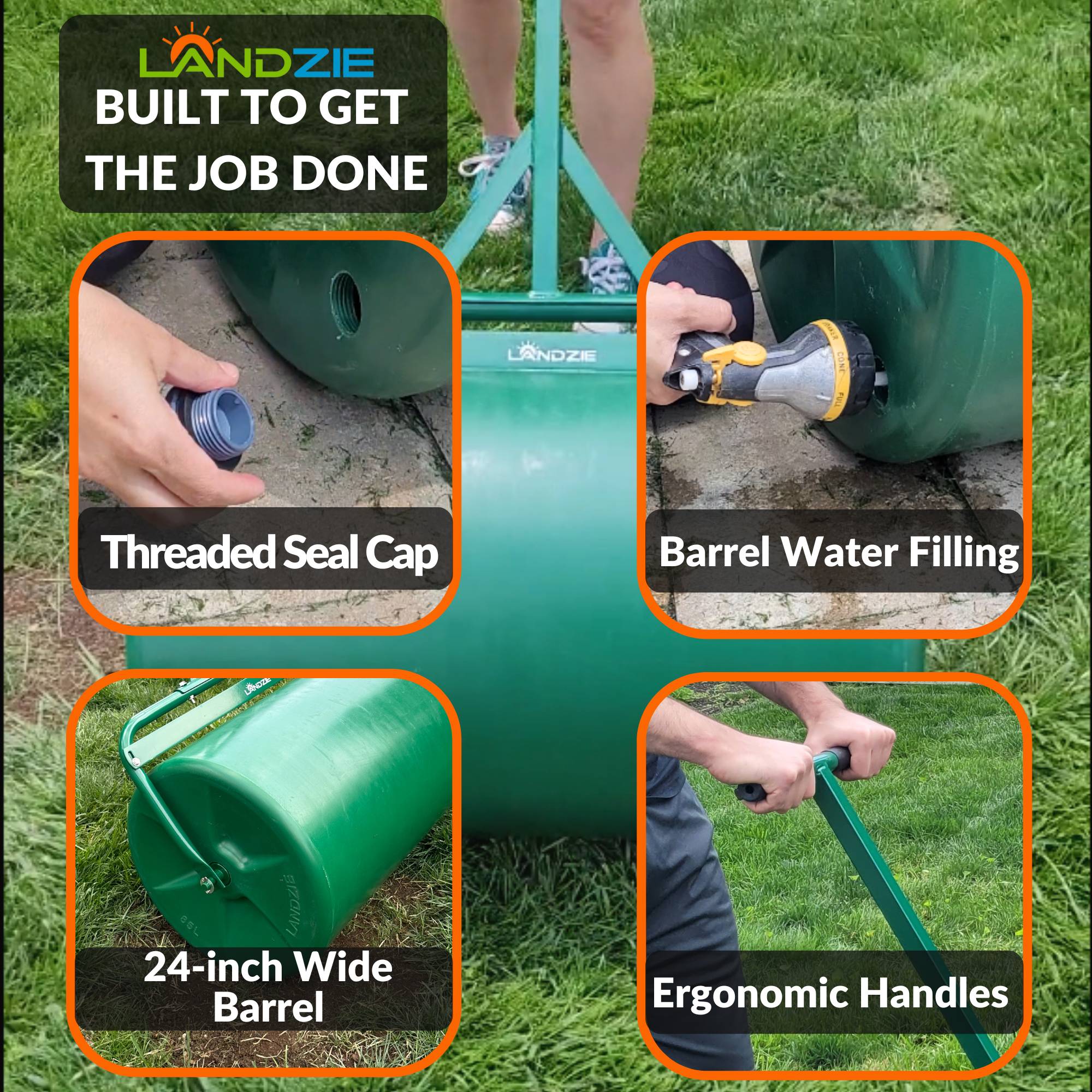
Lawn rollers come in several types. Some are filled with water or sand to add weight. Others have smooth or ribbed surfaces. Each type works better for different lawn needs.
- Water-filled rollers:Light when empty and easy to move. Fill with water for weight.
- Sand-filled rollers:Heavier than water rollers but harder to empty.
- Steel rollers:Very heavy and durable, best for large lawns.
- Ribbed rollers:Used to fix uneven soil but may disturb seeds if used too much.
Size And Weight Factors
Choose a size that fits your lawn area. A large roller covers more ground fast but is hard to move. Weight affects how well the roller presses the soil and seeds.
| Size | Best For | Weight | Effect |
| Small (12-18 inches) | Small lawns and gardens | Light | Easy to handle, less pressure |
| Medium (18-24 inches) | Medium lawns | Medium | Good balance of coverage and weight |
| Large (24+ inches) | Large lawns or fields | Heavy | Strong pressure, covers more ground |
Manual Vs. Motorized Rollers
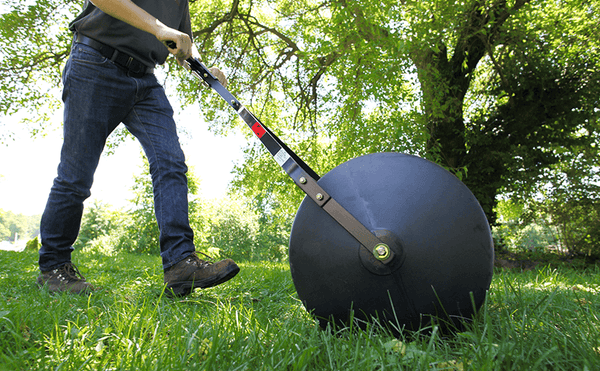
Manual rollers need you to push or pull them. Motorized rollers have engines or attach to machines. Both have pros and cons to consider.
- Manual rollers:Cheap, simple, and good for small lawns.
- Motorized rollers:Save effort and time, ideal for large areas.
- Manual:Require physical strength and time.
- Motorized:More expensive and need maintenance.
Credit: brinly.com
Preparing Your Lawn For Rolling
Using a lawn roller after seeding helps press seeds into the soil. This improves seed contact and promotes better growth. Proper preparation ensures the best results from rolling.
Before rolling, take time to prepare your lawn. This includes clearing debris, checking moisture, and leveling the ground.
Clearing Debris And Rocks
Remove leaves, sticks, and rocks from your lawn. Debris can block the roller and damage it. Rocks can also harm new grass seedlings.
Clear the lawn area carefully so the roller can work smoothly. This step helps the seeds stay in place and grow evenly.
Moisture Level Check
Check the soil moisture before rolling. The soil should be moist but not wet or muddy. Wet soil can get compacted too much.
If the soil is dry, water it lightly before rolling. Proper moisture helps the roller press seeds into the soil without harming them.
Leveling Uneven Areas
Look for bumps or low spots on your lawn. Uneven ground makes rolling less effective. It can also cause water to pool.
Fill low spots with soil and smooth out bumps. Use a rake or shovel to level the area gently. This helps create a flat surface for rolling.
Step-by-step Rolling Process
Using a lawn roller after seeding helps seeds make contact with soil. It ensures even growth of your lawn.
Follow these simple steps to use your lawn roller effectively. Pay attention to each section for best results.
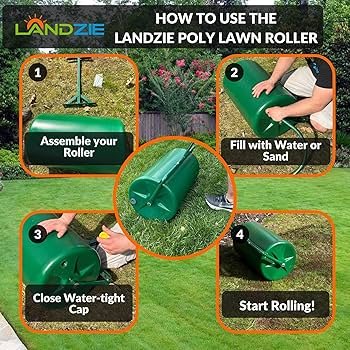
Filling The Roller Correctly
Properly filling the roller is crucial for effective use. An overly heavy roller can damage your lawn.
- Start by checking the manufacturer’s instructions for water or sand capacity.
- Fill the roller halfway first, then test its weight.
- Adjust the amount until the roller is heavy enough but manageable.
Rolling Pattern Tips
The pattern you use affects the evenness of seed contact. A systematic approach is key.
Consider the following pattern tips for effective rolling:
- Roll in straight lines, overlapping each pass slightly.
- Change direction at the end of each row to create a crosshatch pattern.
- Avoid sharp turns to prevent uneven pressure.
Avoiding Over-rolling
Over-rolling can compact the soil too much. This affects seed germination negatively.
| Sign | Action |
| Soil feels hard | Stop rolling immediately |
| Seeds are buried | Rake lightly to uncover |
| Roller leaves deep impressions | Reduce weight or frequency |
Post-rolling Lawn Care
Using a lawn roller after seeding helps press seeds into the soil. This improves seed-to-soil contact. Proper care after rolling ensures healthy grass growth.
Follow these simple steps to protect your new lawn. They help seeds sprout strong and grow evenly.
Watering Strategies
Keep the soil moist but not soggy after rolling. Water lightly several times a day. This helps seeds germinate without washing them away.
As grass grows, reduce watering frequency but increase the amount. This encourages deep root growth for a stronger lawn.
- Water 2-3 times daily for the first two weeks
- Use gentle watering to avoid seed displacement
- After two weeks, water once daily with more water
- Eventually, water deeply 2-3 times per week
Fertilizing After Rolling
Fertilize your lawn two to four weeks after rolling. Use a starter fertilizer high in phosphorus. This helps roots develop well.
Avoid heavy fertilizing too soon. It can burn young grass seedlings. Follow package instructions for best results.
- Choose fertilizer with balanced nutrients and added phosphorus
- Apply fertilizer evenly using a spreader
- Water the lawn lightly after fertilizing
Protecting New Grass Seedlings
Keep foot traffic off your new lawn until grass grows thick. This prevents damage to fragile seedlings and soil.
Use light mulch or straw to protect seeds from birds and wind. Remove mulch after grass reaches about two inches tall.
- Block off the area to stop walking or pets
- Apply a thin layer of mulch or straw for seed protection
- Remove mulch when grass is strong enough
Common Mistakes To Avoid
Using a lawn roller after seeding helps your grass grow better. But, some mistakes can harm your lawn.
Avoiding these mistakes ensures healthy grass. Learn what to watch out for.
Rolling On Dry Soil
Rolling on dry soil can damage seeds. Seeds need moisture to grow well.
Always water the soil before using a lawn roller. This keeps seeds safe and promotes growth.
- Check the soil for dryness before rolling
- Water the soil lightly if needed
- Avoid rolling during dry, sunny days
Excessive Weight Application
Too much weight on the roller can press seeds too deep. This makes it hard for seeds to sprout.
Use a roller with the right weight. Adjust the weight if necessary for your soil type.
- Check the roller’s weight before use
- Do not add extra weight without need
- Use a light roller for soft soil
Ignoring Soil Type
Different soil types need different care. Rolling without knowing your soil can cause problems.
Identify your soil type. Adjust your rolling method to suit it for best results.
- Test soil type before seeding
- Clay soil needs less rolling
- Sandy soil benefits from gentle rolling
Maintaining Your Lawn Roller
Taking care of your lawn roller helps it last longer. Proper maintenance keeps it working well after seeding.
Learn simple tips for cleaning, storing, and checking your roller regularly. These steps protect your tool and lawn.
Cleaning After Use
After using the lawn roller, remove all dirt and grass from its surface. Use a garden hose or a brush to clean thoroughly.
- Empty any water from inside the roller
- Scrub off mud and debris
- Wipe dry to stop rust
- Check for damage while cleaning
Storage Tips
Store your lawn roller in a dry, covered place. Keep it off the ground to avoid moisture damage.
- Do keep the roller in a garage or shed
- Do cover it with a tarp if left outside
- Don’t store it where water can collect
- Don’t leave it in direct sunlight for long
Regular Maintenance Checks
Inspect your lawn roller often to catch any problems early. Check bolts, handles, and the drum for wear.
| Part | What to Check | Action if Needed |
| Handles | Loose or cracked | Tighten or replace |
| Roller drum | Dents or rust | Clean or repair |
| Bolts | Missing or loose | Replace or tighten |

Credit: www.amazon.com
Frequently Asked Questions
What Is The Purpose Of Using A Lawn Roller After Seeding?
A lawn roller helps press seeds into the soil for better soil contact. This improves seed germination and ensures even growth. It also smooths the soil surface, preventing seed displacement from wind or rain.
When Is The Best Time To Use A Lawn Roller After Seeding?
Use a lawn roller immediately after spreading seeds and lightly watering the soil. Rolling too soon or too late can harm seeds or reduce effectiveness. Early morning or late afternoon is ideal to avoid heat stress.
How Much Pressure Should I Apply With A Lawn Roller?
Apply light to moderate pressure to avoid compacting the soil. Heavy pressure can suffocate seeds and hinder root growth. The goal is firm seed-to-soil contact without damaging soil structure.
Can I Use A Lawn Roller On All Types Of Grass Seed?
Yes, lawn rollers are suitable for most grass seed types, including cool and warm-season grasses. However, avoid rolling on very wet or clay-heavy soils to prevent excessive compaction.
Conclusion
Using a lawn roller after seeding helps press seeds into the soil. This improves seed-to-soil contact and boosts germination. Roll gently to avoid harming young seedlings. Wait until the soil is moist but not wet. Regular watering supports seed growth after rolling.
Keep foot traffic low on the new lawn. With care, your grass will grow thick and healthy. Simple steps lead to a lush, green yard. Give your lawn the best start today.

