
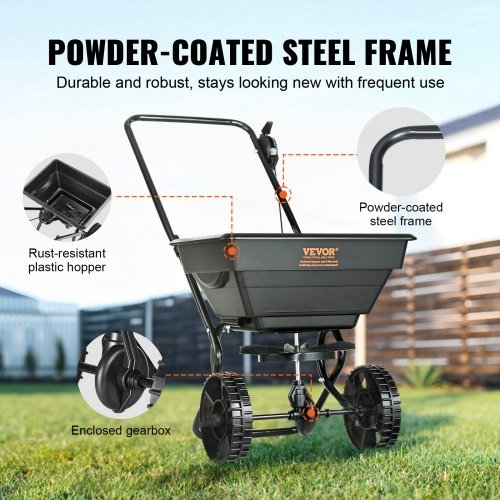
If you want your lawn or garden to look its best, knowing how to use a broadcast spreader can make all the difference. This simple tool helps you spread seeds, fertilizer, or other materials evenly and quickly, saving you time and effort.
But using it the right way is key to getting great results without wasting product or damaging your plants. In this guide, you’ll learn easy, step-by-step tips to master your broadcast spreader and achieve a healthy, lush yard that stands out.
Keep reading—you’re just moments away from turning your outdoor space into something truly impressive.
Choosing The Right Broadcast Spreader
A broadcast spreader helps spread seeds, fertilizer, or other materials evenly on your lawn or garden. Picking the right spreader makes your work easier and more effective.
There are different types and sizes of spreaders. You also want to check the features before buying one. This guide explains what to look for.
Types Of Spreaders
Broadcast spreaders come in several types. Each type works best for certain jobs and areas.
- Push Spreaders:These are moved by hand. They work well for small to medium lawns.
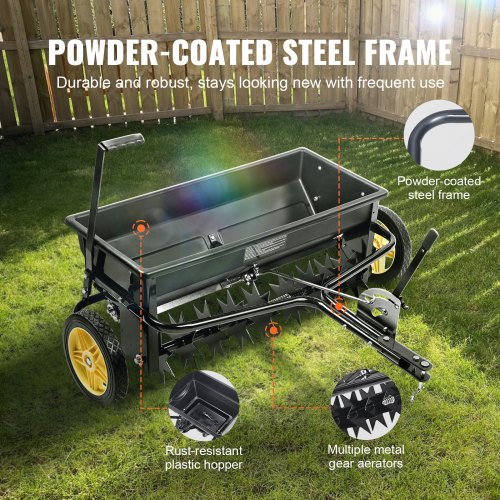
- Tow-Behind Spreaders:These attach to a lawn tractor or ATV. They are good for large areas.
- Handheld Spreaders:Small and easy to carry. Best for spot treatments or tiny gardens.
Spreader Size And Capacity
Choose a spreader size that fits your yard and job size. A bigger hopper holds more material and saves refills.
Small spreaders hold about 5 to 15 pounds. Large spreaders can hold over 50 pounds. Think about how often you want to stop and refill.
- Small size: Good for yards under 5,000 square feet
- Medium size: Best for 5,000 to 15,000 square feet
- Large size: Fits yards over 15,000 square feet or commercial use
Features To Look For
Some features make a broadcast spreader easier to use and more accurate. Check these before buying.
- Adjustable Spread Width:Lets you control how wide the material spreads.
- Easy Flow Control:Helps set how much material drops at once.
- Durable Materials:Look for rust-resistant parts and strong wheels.
- Comfortable Handle:A good grip makes pushing easier.
- Clear Measurement Markings:Helps you set the right amount to spread.

Credit: purityfeed.ca
Preparing Your Lawn For Spreading
Preparing your lawn before using a broadcast spreader helps the product work better. Good preparation makes spreading easier and more even.
Taking a few simple steps ensures your lawn can absorb seeds, fertilizer, or other materials well. This helps your lawn grow healthy and green.
Clearing Debris
Remove sticks, leaves, and stones from your lawn before spreading. Debris can block the spreader and stop materials from reaching the soil.
Use a rake or leaf blower to clear the area. A clean lawn helps the spreader work smoothly and spreads materials evenly.
Mowing Tips Before Spreading
Mow your lawn before spreading to help materials reach the grass roots. Keep the grass about 2 to 3 inches tall for best results.
Avoid cutting the grass too short. Short grass can stress the lawn and reduce the spreader’s effectiveness.
- Set mower blades to medium height
- Remove clippings if they are thick
- Do not mow on wet grass
Soil Conditions To Check
Check the soil before spreading to make sure it is ready to absorb seeds or fertilizer. Dry or compacted soil may need extra care.
Test soil moisture by feeling the ground. Soil should be damp but not muddy. Loosen compacted soil with a rake if needed.
- Soil should feel slightly moist
- Avoid spreading on very dry or wet soil
- Use a rake to break up hard soil patches
Calibrating Your Spreader
Calibrating your broadcast spreader ensures the right amount of material is applied. This helps avoid waste and protects your lawn or garden.
Proper calibration improves efficiency and gives even coverage. It is important to adjust settings before each use.
Setting The Application Rate
Check the product label for the recommended application rate. This is usually shown in pounds or kilograms per 1,000 square feet or square meters.
Set your spreader to match this rate using the control lever or dial. Start with a lower setting to avoid overapplying.
Test Spreading Techniques
Testing helps confirm your spreader applies the right amount. Choose a small test area to avoid large mistakes.
- Fill the spreader with a known amount of material.
- Mark a test area of 100 square feet or meters.
- Walk at a steady pace while spreading.
- Measure how much material is left after the test.
- Calculate the amount spread per area and adjust settings if needed.
Adjusting For Different Materials
Different materials flow differently and need spreader adjustments. For example, fertilizer, seed, and lime vary in weight and granule size.
| Material | Flow Rate Adjustment | Spreader Setting Tip |
| Fertilizer | Standard flow | Use label recommended setting |
| Grass Seed | Flows slower | Open spreader wider for better flow |
| Lime | Flows fast | Close spreader slightly to reduce flow |
| Salt | Varies by type | Test spread on a small area first |
Step-by-step Spreading Process
Using a broadcast spreader helps distribute seeds, fertilizer, or salt evenly. Knowing the proper steps ensures better coverage and saves material.
This guide shows how to fill the spreader, walk for even spread, and handle corners and edges carefully.
Filling The Spreader
Start by placing the spreader on a flat surface. Remove the hopper cover and fill it with the material you want to spread. Do not overfill to avoid spills.
- Check the spreader settings for the correct flow rate.
- Pour the material slowly into the hopper.
- Fill up to the marked level inside the hopper.
- Secure the cover back on to avoid dust or spills.
Walking Patterns For Even Coverage
Walking in the right pattern helps spread the material evenly. Keep a steady pace and overlap each pass slightly to avoid bare spots.
- Walk in straight lines across the area.
- Overlap each pass by about 25% of the spread width.
- Keep a steady speed to control spread rate.
- Turn off the spreader when crossing areas you don’t want covered.
Handling Corners And Edges
Edges and corners need special care to avoid waste and ensure full coverage. Adjust your spreading to cover these areas well.
| Area | Tip |
|---|---|
| Corners | Slow down and make a smaller circle to cover fully. |
| Edges | Walk slightly outside the edge to spread material evenly. |
| Paths or driveways | Turn off spreader when crossing to avoid unwanted spread. |
Maintenance And Storage
Maintaining a broadcast spreader is important for its long life. Proper storage helps avoid damage.
Regular care ensures that the spreader works effectively every time. Follow these simple tips.
Cleaning After Use
After using the spreader, clean it thoroughly. This prevents rust and buildup.
Use a brush to remove leftover materials. Rinse with water and let it dry completely.
- Brush off any debris
- Rinse with a garden hose
- Dry in a sunny spot
Lubrication And Repairs
Lubricate moving parts to keep them working smoothly. Check for any signs of wear.
Fix any broken parts to avoid bigger problems. Keep a repair kit handy for quick fixes.
- Oil the wheels and gears
- Inspect for cracks or breaks
- Replace worn-out parts
Proper Storage Tips
Store the spreader in a dry place to prevent rust. Cover it to protect from dust.
Ensure the spreader is clean and dry before storing. This keeps it ready for next use.
- Keep in a shed or garage
- Use a cover or tarp
- Store on a flat surface
Credit: www.vevor.ca
Common Mistakes To Avoid
Using a broadcast spreader can make lawn care easier. Yet, many people make simple mistakes that hurt results.
Knowing what to avoid helps you use the spreader correctly. This guide shows common errors and how to prevent them.
Overlapping Spread Patterns
Spreading material in the same area twice causes uneven coverage. It can burn your grass or plants.
Try to keep your passes side by side without overlap. Move at a steady speed for even spreading.
- Walk in straight lines
- Avoid going over the same spot twice
- Keep the spreader opening consistent
Incorrect Calibration
Calibration means setting the spreader to release the right amount of material. Wrong settings waste product or harm plants.
Check the package instructions for the right rate. Test the spreader on a small area before full use.
- Read product spread rates carefully
- Adjust the spreader dial to match
- Test spread over a measured area
Ignoring Weather Conditions
Wind and rain affect how material spreads. Wind blows fertilizer off target. Rain can wash it away.
Spread on calm, dry days for best results. Check the weather before you start to avoid problems.
- Do not spread if it is very windy
- Avoid spreading before heavy rain
- Choose a dry, mild day for spreading
Enhancing Lawn Care With A Spreader
Using a broadcast spreader can make lawn care easier and more effective. It helps to evenly distribute fertilizers, seeds, and other treatments.
This tool saves time and ensures your lawn looks lush and healthy. Let’s explore how to use it for different lawn care tasks.
Fertilizing Best Practices
Fertilizing your lawn with a spreader ensures even coverage. This helps grass grow uniformly and prevents over-fertilization.
- Choose the right fertilizer for your grass type.
- Set the spreader to the correct application rate.
- Walk at a steady pace to cover the entire lawn.
- Overlap slightly to avoid missed spots.
Seeding Tips
Seeding with a spreader helps you achieve a dense and green lawn. It is crucial for filling in bare patches and improving overall lawn health.
| Seed Type | Recommended Season |
| Cool-season grasses | Fall |
| Warm-season grasses | Spring |
Applying Lawn Treatments
Lawn treatments like weed control and pest prevention are easier with a spreader. It ensures even application and maximizes effectiveness.

Credit: thehandy.co.uk
Frequently Asked Questions
What Is A Broadcast Spreader Used For?
A broadcast spreader evenly distributes seeds, fertilizer, or salt over large areas. It saves time and ensures uniform coverage for lawns and gardens.
How Do You Adjust A Broadcast Spreader?
Adjust the spreader settings based on product instructions. Change the opening size and spreading width to control flow rate and coverage area.
Can A Broadcast Spreader Be Used On Slopes?
Yes, but use caution. Spread material slowly and evenly to prevent runoff or uneven distribution on slopes or uneven terrain.
How Often Should You Clean A Broadcast Spreader?
Clean your spreader after each use to prevent rust and clogging. Remove leftover material and wash with water for longevity.
Conclusion
Using a broadcast spreader helps spread seeds and fertilizer evenly. It saves time and makes your lawn look neat. Always check the settings before you start. Walk at a steady pace to cover the area well. Clean the spreader after use to keep it working longer.
With practice, spreading becomes easier and more efficient. Try these steps for better lawn care results. Your garden will thank you for the effort. Simple tools, done right, bring great rewards.

